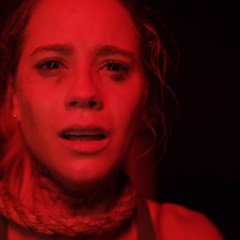
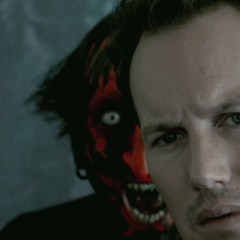
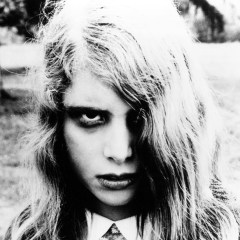
RT users might remember a little poll we took on the site back in 2022 to try and determine the Scariest Movie Ever. Based on other lists and suggestions from the RT staff, we pulled together 40 of the scariest movies ever made and asked you to vote for the one that terrified you the most. As it happens, a British broadband service comparison website decided to conduct a science experiment to determine the same thing, and their results were… surprising, to say the least. Did Rotten Tomatoes readers agree with the findings? Let’s re-visit what our fans determined were the 10 Scariest Horror Movies Ever.
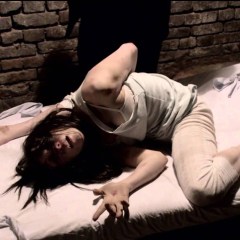
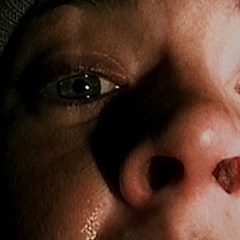
You may not agree that The Exorcist is the scariest movie ever, but it probably also isn’t much of a surprise to see it at the top of our list — with a whopping 19% of all the votes cast. William Friedkin’s adaptation of the eponymous novel about a demon-possessed child and the attempts to banish said demon became the highest-grossing R-rated horror film ever and the first to be nominated for Best Picture at the Oscars (it earned nine other nominations and took home two trophies). But outside of its critical and commercial bona fides, the film is well-known for the mass hysteria it inspired across the country, from protests over its controversial subject matter to widespread reports of nausea and fainting in the audience. Its dramatic pacing and somewhat dated effects may seem quaint compared to some contemporary horror, but there’s no denying the power the film continues to have over those who see it for the first time.
Writer-director Ari Aster made a huge splash with his feature directorial debut, a dark family drama about the nature of grief couched within a supernatural horror film. Toni Collette earned a spot in the pantheon of great Oscar snubs with her slowly-ratcheted-up-to-11 performance as bedeviled mother Annie, but the movie’s biggest shock came courtesy of… Well, we won’t spoil that here. Suffice it to say Hereditary struck such a nerve with moviegoers that it instantly turned Aster into a director to watch and shot up to second place on our list.
James Wan has staked out a place among the modern masters of horror, directing films like Saw, Dead Silence, Insidious, and this inspired-by-true-events chiller based on the experiences of real-life paranormal investigators Ed and Lorraine Warren. The Warrens, best known for their work on the strange case that inspired the Amityville Horror movies (which played a part in The Conjuring 2), were portrayed by Patrick Wilson and Vera Farmiga, who grounded the effective jump scares and freak-out moments with a believable world-weariness. Together, Wan and his co-leads found fresh terror in familiar genre tropes, and the end result is a sprawling cinematic universe that only continues to grow.
Literally dozens of Stephen King’s novels and stories have been adapted for the big screen, and several of those films are considered classics today, like Carrie, Misery, and Pet Sematary (and that doesn’t even account for non-horror stuff like The Shawshank Redemption and Stand By Me). But the mother of them all is easily Stanley Kubrick’s adaptation of The Shining. A marvel of set and production design and a genuinely unnerving take on the traditional haunted house story, The Shining features a host of memorable images and an iconic Jack Nicholson performance. The film’s relatively few jump scares are still absolutely chilling, but its true power lies in the way it crawls under your skin and makes you experience Jack Torrance’s slow descent into madness. It’s rightfully considered one of the greatest horror films ever made, and it ranked fourth in our poll.
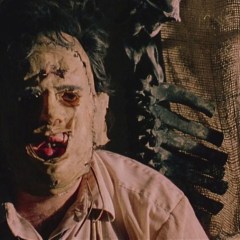
While the top four movies on this list collectively garnered 42% of the total votes counted, they were followed by six films that all earned around 3% of the vote each. In other words, these last six films were separated by no more than 60 votes. The first of them is this low-budget slasher directed and co-written by Tobe Hooper, very loosely inspired by the crimes of Ed Gein. Texas Chainsaw’s grimy aesthetic helped lend it an air of authenticity, which made it all the more frightening (“This could actually happen, you guys!”), and the massive, menacing presence of Gunnar Hansen’s Leatherface paved the way for other brutes like Michael Myers and Jason Voorhees. Multiple attempts have been made to breathe new life into the franchise, but none have equaled the original in sheer, over-the-top, power tool-inspired terror.
It’s always a tricky proposition to take something that works well for one culture and try to translate that formula successfully for another, but Gore Verbinski managed that with The Ring. A remake of Japanese director Hideo Nakata’s acclaimed thriller about a cursed videotape, Verbinski’s take kept the original film’s striking visual imagery — the ghost of a young girl in a white dress with long black hair covering her face — and found that it scared the hell out of audiences no matter where they were from. While the film wasn’t as well-regarded as its predecessor, it features a committed performance from a then up-and-coming Naomi Watts, and for many, it served as an introduction to East Asian horror cinema.
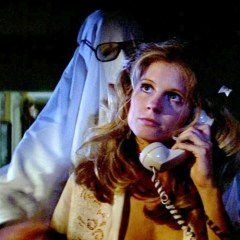
Coming in at the seventh spot on our list is the film that introduced the world to all-time scream queen Jamie Lee Curtis and put John Carpenter on the map. Halloween is frequently cited as one of the earliest examples of the slasher genre as we know it today, and while it may not feature the same kind of realistic gore we’ve come to expect of films in that category, it packs a lot of tension and some inventive thrills in a relatively small-scale package. The film’s legacy is also fairly untouchable: Michael Myers’ mask has become the stuff of legend, and the giant, unstoppable killer and the “final girl” have become ingrained in the horror lexicon. There’s a reason the franchise is still going after more than 40 years.
For those who didn’t read the “scientific study” mentioned at the top, we’ve finally come to the film it crowned the scariest. Before he joined the MCU with 2016’s Doctor Strange, director Scott Derrickson had racked up a few horror films, a couple of which earned cult followings. One of them was this small-scale haunted house/possession story about a true-crime writer (Ethan Hawke) who moves his wife and kids into a house where a family was murdered, only to discover the new place might already have a rather evil tenant. Writer C. Robert Cargill was reportedly inspired to pen the script based on a nightmare he had after watching The Ring, and the story does share a minor similarity with that film, what with the creepy snuff film angle. But for many who saw it, the dramatic reveals and creepy set pieces far outweighed any recycled genre tropes that might have been present. Plus, there’s at least one report out there that says it’s the scariest movie ever made, so that has to count for something.
James Wan has already appeared higher on this list, but before he and Patrick Wilson made The Conjuring, they worked together on this supernatural thriller about a young boy who falls into a coma and begins to channel a malevolent spirit. The bare bones of the story weren’t the most groundbreaking, but frequent Wan collaborator Leigh Whannell infused it with a compelling enough mythology that it spawned four more installments. Wan also stated that Insidious was meant to be something of a corrective to the outright violence of Saw, which compelled him to craft something on a more spiritual level, and the end result is an effective chiller featuring what is frequently regarded as one of the best jump scares ever put on screen.
The fear of clowns is a very real thing, even if it’s become so commonplace to announce it that it feels disingenuous. If you needed any further evidence, we direct you to the box office haul of 2017’s IT, based on the Stephen King novel of the same name, which went on to beat The Exorcist’s 44-year record as the highest-grossing horror film ever. Oh, and of course, its 10th-place finish on this list. Andy Muschietti’s big-budget adaptation drew on nostalgia to tell its story of children scarred by trauma, while Bill Skarsgard’s take on Pennywise the evil, shapeshifting clown was bizarre and unsettling in all the right ways. Add a healthy dose of jump scares, a handful of impressive set pieces, and some top-notch CGI, and you’ve got a recipe for a horror film that’s both fun and full of scares.
Thumbnail image by ©FilmDistrict courtesy Everett Collection
On an Apple device? Follow Rotten Tomatoes on Apple News.

(Photo by A24. Thumbnail: Pixar, Vertical Entertainment, Compass International Pictures. Courtesy Everett Collection)
Welcome to our guide of the best movies written by women: These are highly Certified Fresh films (nothing on the list falls below 95%) whose screenplay credit goes in part or fully to women.
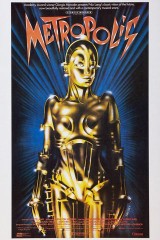
The journey begins nearly a century ago with 1925’s Battleship Potemkin, written by Nina Agadzhanova, inspired by her own participation in Soviet uprisings. Just two years later, Metropolis, cinema’s first sci-fi feature masterpiece, emerged out of Germany, written by Thea von Harbou. The 1930s were one of those peak decades for movies, in no small part thanks to King Kong (co-written by Ruth Rose), The Wizard of Oz (co-written by Florence Ryerson), and Snow White and the Seven Dwarfs. Walt Disney had hand-picked Dorothy Ann Blank, a movie magazine writer, to identify and adapt tales into animation. Snow White was the first, and in the process Blank founded the studio’s Story Development Department.
Women were a driving force behind Alfred Hitchcock’s best romantic psychological thrillers. Joan Harrison became the first woman to be nominated for Best Screenplay with Foreign Correspondent at the 13th Academy Awards, with the also Harrison-written Rebecca winning Best Picture that night. Sally Benson and Hitchcock’s wife Alma Reville co-wrote Shadow of a Doubt. Elizabeth Reinhardt co-wrote Laura, and Strangers on a Train was co-written by Czenzi Ormonde, who also acted as Hitchcock’s chauffeur as he never learned how to drive.
Suso Cecchi d’Amico helped lay the foundations of key Italian neorealist film Bicycle Thieves, along with Luchino Visconti’s opulent epic The Leopard. Betty Comden and Adolph Green were showered with Oscar, Tony, and Grammy nominations and wins throughout their six-decade musical-writing partnership, with Singin’ in the Rain their most enduring work.
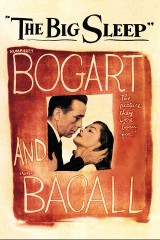
Novelist Leigh Brackett adapted Rio Bravo and The Big Sleep, and worked on an early draft of The Empire Strikes Back, though she died before the movie came out. George Lucas’ earlier feature, American Graffiti, was co-written by Gloria Katz, who would go on to doctor the script to A New Hope, infusing Star Wars with its trademark sense of humor and fleshing out Princess Leia’s personality and arc. Another sci-fi classic of the era, E.T., was written by Melissa Mathison.
After Sofia Coppola‘s Lost in Translation Oscar win for Best Original Screenplay and nom for Best Director (only the third woman to be nominated at the time in Academy history), representation in the industry has been a constant topic of conversation and controversy. Ever since, there has been a consistent rise in critically acclaimed films solely written and directed by women. The players include Dee Rees (Pariah, Mudbound), Céline Sciamma (Tomboy, Portrait of a Lady on Fire), Nicole Holofcener (Enough Said), Haifaa al-Mansour (Wadjda), Jennifer Kent (The Babadook), Ana Lily Amirpour (A Girl Walks Home Alone at Night), Marielle Heller (The Diary of a Teenage Girl, Can You Ever Forgive Me?), Anna Rose Holmer (The Fits), Greta Gerwig (Lady Bird, Little Women), Chloé Zhao (The Rider), Lulu Wang (The Farewell), Eliza Hittman (Never Rarely Sometimes Always), Channing Godfrey Peoples (Miss Juneteenth), and more.
In our latest update, we’ve added Till (Chinonye Chukwu), EO (Ewa Piaskowska), and Sissy (Hannah Barlow).
Read on to see the full list of the 100 best movies of all time written by women. Click through on each title for full credits.
 100%
100%
 100%
100%
100%
100%
100%
100%
 100%
100%
100%
100%
100%
100%
100%
100%
100%
100%
 100%
100%
100%
99%
99%
99%
99%
99%
100%
100%
100%
99%
99%
99%
99%
99%
 99%
99%
99%
99%
99%
99%
 99%
99%
99%
99%
97%
99%
99%
99%
99%
99%
97%
99%
 99%
99%
 98%
98%
98%
98%
98%
98%
98%
98%
 98%
98%
98%
98%
 98%
99%
98%
99%
 98%
98%
 98%
98%
98%
98%
 98%
98%
98%
98%
 98%
98%
98%
98%
98%
98%
98%
98%
 98%
100%
98%
98%
100%
98%
 98%
98%
98%
98%
98%
98%
 98%
98%
 95%
96%
97%
97%
97%
97%
97%
95%
96%
97%
97%
97%
97%
97%
 97%
97%
 97%
97%
97%
97%
97%
97%
97%
97%
97%
97%
 98%
97%
98%
97%
 97%
97%
 96%
97%
97%
97%
95%
96%
97%
97%
97%
95%
 97%
96%
96%
96%
96%
96%
96%
97%
96%
96%
96%
96%
96%
96%
 95%
95%
 96%
96%
95%
96%
96%
96%
96%
95%
96%
96%
 96%
97%
96%
96%
96%
97%
96%
96%

 97%
98%
96%
96%
97%
98%
96%
96%
 96%
97%
96%
97%
 96%
96%
96%
96%
96%
96%
 97%
97%

(Photo by Else Films)
Horror films thrive on their aura of danger, and whether you’re in a darkened theater surrounded by strangers or in your basement rec room with all the lights turned off, the experience can be heightened by the mere suggestion that something might be “off” about the movie you’re watching. It’s a concept that’s so compelling that Shudder recently premiered an entire docuseries dedicated to it; it’s called, rather appropriately, Cursed Films.
In honor of the most recent addition to the canon — the faux documentary Antrum: The Deadliest Film Ever Made — we’re going to pay a little tribute to the “found footage” horror movies that tricked people into believing their authenticity, as well as those urban legend-like “cursed” films that earned sinister reputations because of the unfortunate, disturbing, and sometimes tragic events that were allegedly attributed to them.
But they’re only movies, right?

(Photo by Else Films)
What better way to kick things off than with a movie that is a perfect Venn diagram of both concepts – “found footage” faux-real horror and supposedly cursed films. Antrum purports to be a documentary about a lost 1970s film that was only screened twice, because everyone who watches it dies. The movie opens with an 8-minute documentary detailing the curse around the film, then shows you the “film” itself, which is about two young kids who attempt to dig a hole to Hell to save their recently deceased dog. The filmmakers do their best to make the movie-within-a-movie look authentically ’70s to help sell the whole façade. The fact that Antrum’s release was preceded by rumors and word of mouth among hardcore horror fans (much like the way the controversial 2011 A Serbian Film grew a reputation well before it was ever screened publicly) lent the movie an air of real mystery. Some eager horror buffs even tried to track the “original” Antrum down, believing it to be real.
Plausibility Score: 2 out of 5
Antrum is a nice try, but in the age of advanced search engines, it’s hard to fully convince people that a film with a supposed body count of 60 could truly have been “lost.”

The concept of a “snuff” film – a movie depicting an actual murder – basically started in 1971 when Ed Sanders, the author of a book about the Manson Family, asserted that Charles Manson and his followers had filmed their killing spree (no footage was ever found). Then, just a few years later in 1976, husband-and-wife directors Michael and Roberta Findlay made a cheap exploitation film called Slaughter about an actress and her director who are murdered by a Manson Family-esque clan in South America. Grindhouse film distributor Allan Shackleton bought the film, changed the title to Snuff, and released it under the pretense that it depicted the real murder of the main actress (the tagline was “Filmed in South America…Where Life is Cheap!”). This kickstarted an obsession with snuff films, although none have ever been conclusively unearthed.
Plausibility Score: 4 out of 5
The Manson Family connection and the fact that people still believe in the existence of snuff films even today and really sell this one.
Perhaps the most famous “cursed” movie of all time, the original 1982 Poltergeist, about a suburban family terrorized by a supernatural presence, climaxed with a scene in which the mom (JoBeth Williams) is dragged into a partially dug-out pool and is surrounded by skeletons – the reveal being that the housing development in which they live was unscrupulously built on top of a graveyard. The rumor was that the film crew had not only used real skeletons, but had desecrated graves themselves to get them. Mysterious and untimely deaths of some of the actors in the trilogy, including young Heather O’Rourke (who played the abducted little girl Carol Anne), who died at the age of 12 due to a congenital intestinal issue, and Dominique Dunne (who played oldest sibling Dana), who was murdered by a jealous boyfriend at the age of 22, led to the urban legend that the ghosts of the unwitting skeletal “co-stars” had cursed the films and everyone who worked on them. It’s flimsy, because clearly major players like Williams, Craig T. Nelson, director Tobe Hooper, and producer Steven Spielberg walked away unscathed.
Plausibility Score: 1 out of 5
Although it’s the movie everyone cites when talking about curses, a lot of the supposed connections are pretty thin. Plus, more of the actors and crew survived unhurt than didn’t, and a lot of the “deaths” beyond the two young leads were simply age and explainable illness.
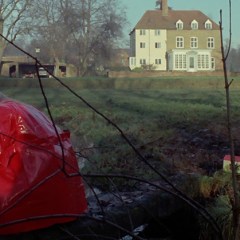
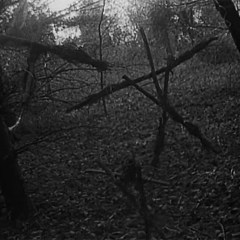
Horror is a great way for young talents to break into the business because, often, what you don’t see is scarier than what you do, so it’s a godsend for indie filmmakers with more creativity than budget. The Blair Witch Project came about at exactly the right time – exploiting the still nascent “world wide web,” it managed to cultivate its own urban legend of supposedly lost cam footage that was recovered after a group of young filmmakers went missing. The conceit of it being filmed on the fly covered over the fact that you don’t really see much of anything, and the clever use of sound effects and the overall naturalistic performances by the lead actors made you think, just for a second, that maybe this was the real deal. Of course, Book of Shadows: Blair Witch 2 came out around a year later to confirm that, yes, this was indeed just a cheesy horror franchise at its core.
Plausibility Score: 3 out of 5
It may have lost some luster since, but at the time? It really had people convinced. And the execution – from the early websites to the film itself – was nearly perfect.
Strap in for this one: Producer Harvey Bernhard claims that the initial idea for the seminal horror classic The Omen came from an advertising exec named Bob Munger. Munger suggested that a movie about the Antichrist would be cool, but that no one should actually make it because “the devil was at work and he didn’t want that film made.” He may have been right. Just a month before filming was to start, lead actor Gregory Peck’s son committed suicide. As he flew to the set, Peck’s plane was struck by lightning, and then executive producer Marc Neufeld’s plane was also struck by lightning on his way to the location. The hotel Neufeld and his wife were staying in then got bombed by the Irish Republican Army. The crew hired a small plane to do some aerial photography, but it was given to another client at the last minute; that plane crashed on takeoff and killed everyone on board. Filming a zoo sequence, the young boy playing the demonic Damien apparently upset the baboons so much they started freaking out, so an animal wrangler was called in to help; the next day, he was mauled by a tiger and killed. But perhaps the most chilling result of this “curse” was what happened to special effects supervisor John Richardson. One of his big FX sequences in The Omen was one in which a character is decapitated by a sheet of glass. While working on his next movie in the Netherlands, Richardson and his assistant were involved in a car accident, and his assistant was — you guessed it — decapitated. Legend has it the accident occurred near a street sign that read “Ommen, 66.6 km.” But it’s all coincidence, right?
Plausibility Score: 4 out of 5
It’s hard to write all of this off as coincidence. Even when people discount some of it – like the existence of the Dutch street sign – there’s a lot more that’s been verified.

(Photo by ©F.D. Cinematografica courtesy Everett Collection)
Not long after Snuff, another film came under fire for allegedly depicting actual murders – and it was an early example of “found footage” horror, to boot. This Italian cult movie was built around the idea that it was footage discovered after an American film crew disappeared in the Amazon rainforest and were killed and eaten by indigenous cannibals. The gore was so intense and realistic that a few days after the movie’s premiere, Italian authorities confiscated the film, director Ruggero Deodato was charged with obscenity, and he was eventually slapped with a murder charge when it was suggested Cannibal Holocaust was, in fact, a snuff film. Although it was later proven that none of the actors were killed or harmed, the film does depict scenes of intense animal cruelty that were real. Fun fact: the fake documentary the crew was working on was called The Green Inferno, which would be the title adopted by director Eli Roth for his 2013 homage to Cannibal Holocaust.
Plausibility Score: 3 out of 5
The rough, grimy cheapness of the film and the addition of actual animal butchery make this feel almost like the real deal.
What’s unique about the “curse” of The Crow is that it isn’t so much about the film as it is an extension of a curse that is believed to have haunted martial arts icon Bruce Lee and his family for generations. Of course, the 1994 horror-tinged comic book adaptation is infamous due to the tragic death of star Brandon Lee, Bruce’s son, who died after a prop gun misfired and a projectile struck him. The film was hampered by setbacks and accidents – the set was destroyed numerous times, most notably by a hurricane that struck its North Carolina filming location – but in general, the problems seem to have been caused mostly by the fact that it was low budget and behind schedule, and corners were cut a little too recklessly. Some even claim that the Chinese mafia assassinated Bruce and Brandon, which is eerie when you think about the fact that Bruce Lee’s last film, Game of Death, seems to predict this. In that movie, Bruce’s character is a martial arts actor who is shot by an assassin posing as one of the stunt crew. Also, the biopic Dragon: The Bruce Lee Story anthropomorphizes the supposed family curse as a physical demon that haunts Lee his whole life, and at one point in the film, the demon goes after a young Brandon. Dragon was released in 1993 – a year before The Crow.
Plausibility Score: 2 out of 5
The idea of a Lee Family Curse is compelling, and it fits in with the whole mystical aura surrounding Bruce. But dig deeper into the on-set events of The Crow, and it all appears to be more a case of negligence and unprofessionalism than a sinister hex.
If the Devil really does exist, he seems to spend an awful lot of time on film sets. Before The Omen tempted fate with each shooting day, William Friedkin’s The Exorcist experienced its own unnerving incidents. Telling the story of two priests battling a demonic presence that has taken hold of a young girl named Regan MacNeil (Linda Blair), the film is an undisputed classic of the horror genre, and some of that may have to do with the notion that the film itself was actually possessed. Things got off to a rocky start when the MacNeil family home set – where much of the action takes place – was destroyed by fire. The only room that was untouched by the blaze…was Regan’s. In addition, almost all of the actors suffered injuries during the filming, and televangelist Billy Graham even claimed that “there is a power of evil in that film, in the fabric of the film itself” and suggested that simply projecting it was like opening a door for demons. The movie held its premiere in Rome, during a violent thunderstorm. One attendee even passed out and broke her jaw, later attempting to sue the production because she blamed subliminal messages for her tumble.
Plausibility Score: 3 out of 5
Some of the spookiness experienced on set and at early screenings was likely psychosomatic, but the movie still carries a heavy creep factor regardless.
Why not complete Satan’s own personal trilogy with a supposedly cursed movie that pre-dates both The Omen and The Exorcist? Rosemary’s Baby is rightly credited with redefining the horror genre by taking it away from the campy cobwebs and castles of the old Vincent Price days and legitimizing it as a “real” grown-up art form. Mia Farrow and John Cassavetes star in the story of a young mother-to-be who moves into a New York apartment building that also happens to house a Satanic cult. Producer William Castle – who was infamous in the 1950s and 1960s for promoting all sorts of gimmicks like floating skeletons and rumbling theater seats in an effort to sell the “reality” of his horror movies – believed that real witches had cursed the set. The film’s composer suffered a nasty fall shortly after the movie wrapped and died after being comatose for several days. Castle himself fell ill with painful gallstones that required surgery. And, of course, director Roman Polanski’s wife at the time, actress Sharon Tate, and their unborn child would fall victim to the Manson Family a year after the film’s release.
Plausibility Score: 1 out of 5
It’s easy to think of anything Satan-related as tempting fate when it comes to curses or bad mojo, but most of these incidents seem loosely connected at best.

Just as The Blair Witch Project came along at the perfect time to take advantage of early internet, the legend of Faces of Death is largely a product of the early 1980s VHS boom. Before Blockbuster, video stores were small (often seedy) mom-and-pop stores, and Faces of Death was one of those creepy little oddities you’d find on one of the dust-covered shelves. Allegedly depicting “real” deaths, it served as a badge of honor for anyone who was actually able to get ahold of a copy and watch it. Although the film does contain some real footage – like newsreel clips from an accident where you can see paramedics cleaning up the remains of a cyclist who had been struck and killed by a truck – it was almost entirely faked by writer and director John Alan Schwartz. Yes, even the infamous scene where a table full of diners appear to kill a trapped monkey and then eat its brains.
Plausibility Score: 1 out of 5
If you don’t catch on immediately when you’re introduced to the movie’s “medical professional” host, “Francis B. Gross,” you’ll catch on during sequences like the “real” shark attack that somehow has footage from the shark’s POV as it eats a diver. Did it get a cinematography credit?

(Photo by Courtesy Everett Collection)
The film version of the classic horror and sci-fi television series let four different directors adapt a classic episode: “Kick the Can” by Steven Spielberg (Jaws, Raiders of the Lost Ark), “It’s a Good Life” by Joe Dante (Gremlins, Innerspace), “Nightmare at 20,000 Feet” by George Miller (The Road Warrior, Mad Max: Fury Road), and “Time Out” by John Landis (Trading Places, Animal House). Although some claim the movie is cursed, it’s really just that there’s a sense of morbidity around it because veteran actor Vic Morrow (father of Jennifer Jason Leigh) and two young actors playing Vietnamese children were killed in an on-set accident during Landis’ segment when a helicopter that was part of a sequence recreating the Vietnam War crash-landed on them. None of the other directors experienced any bizarre or unexplained incidents, and all continued to have successful careers. But the tragedy hung a dark shadow over Landis and lends the movie a creepy, all-too-real feel.
Plausibility Score: 1 out of 5
Again, this was one horrible, tragic accident caused by director negligence. The rest of the film (and filmmakers) got on fine with no curse-related incidents.

None of the images from this film are acceptable to show you, so here is a guinea pig pushing a tiny shopping cart. (Photo by Newspix/Getty Images)
Created by artist Hideshi Hino based on his own manga series, the Guinea Pig movies feature the same kind of faux documentary feel as something like Faces of Death or Cannibal Holocaust, and they’re legendary among hardcore horror fans. Without any real plot to speak of beyond “psycho kidnaps women and dismembers them in gruesome fashion while dressed as a samurai,” the movies do feel less like a story and more like some forbidden home video. That said, two incidents lend it a particular air of menace. One is that a copy of Flower of Flesh and Blood was sent to the FBI by Charlie Sheen – yes, Charlie Sheen – because he was convinced it was an actual snuff film (it was not, and all of the deaths and butchery were faked). The other is that a copy of the film was found in the home of a man named Tsutomu Miyazaki, a cannibalistic serial killer known as the Otaku Murderer who was behind the kidnapping and murder of four young girls between 1988 and 1989 in Japan. The film was believed to have inspired him.
Plausibility Score: 3 out of 5
All Hino had to do was not put a title card over the opening “stalking” sequence and it might have worked. The scene really looks and feels like something a creep would record as he follows women down the street. But no real serial killer goes into AfterEffects and adds cool titles and music cues to their murder footage. At least, not that we know of.

(Photo by Universal Pictures, 20th Century Fox Film Corp., Universal Pictures, Sony Pictures Entertainment)
Rounding out or list of horror is… not a horror film, but a movie that is believed to be so cursed it will never be made. A comedy based on a 1963 satirical novel called The Incomparable Atuk by Canadian author Mordecai Richler, the story is about an Inuit poet who travels to Toronto and has a series of fish-out-of-water experiences in the big city (the film version Americanized it by making Atuk a native of Alaska who travels to New York). Sounds pretty basic, right? It might well be, if the movie didn’t seem to kill every actor associated with the lead role. The curse of Atuk is particularly weird because the novel itself isn’t about anything sinister or paranormal. The first man up for the role was comedy legend John Belushi; after his untimely death from a drug overdose, the producers approached comedian Sam Kinison… who then died in a drunk driving accident. So they decided to offer the part to John Candy, who would die from a heart attack a few months after getting the script. Undaunted, the part was then dangled in front of another SNL vet – Chris Farley. He, too, would succumb to a drug overdose. Even stranger, Farley allegedly gave a copy of the script to a friend who he thought might also be interested in the role, namely fellow SNL alum Phil Hartman. Five months after Farley’s death, Hartman was shot and killed by his wife, who committed suicide hours later.
Plausibility Score: 5 out of 5
If this movie doesn’t scream “cursed,” we don’t know what does.
Thumbnail image by Else Films
Final Girls illustrated the moral split between the chaste and the virtuous. You know the deal – the hard-drinking, promiscuous girl dies first, and the demure, virginal girl survives to take down the murderer. She’s the final one standing. Pop culture is replete with characters that fit the bill – Jess Bradford in the original Black Christmas, Sally Hardesty in The Texas Chainsaw Massacre, Nancy Thompson in The Nightmare on Elm Street – and their existence has become as integral to the slasher genre as the killers themselves.

(Photo by Lionsgate/Courtesy Everett Collection)
But that was then and this is now. The original Final Girl is slowly but surely being crowded out by a newer, more progressive iteration that acknowledges the restrictive ideas that initially gave birth to her. Over the last couple of decades, and particularly in the last 10 years, the last girl standing has looked a lot different from the final girls of the past. Progressively, in films like Scream, The Cabin In The Woods and It Follows, final girls have complicated the existing frame of the trope by pushing against its restrictions.
Whether it’s by having sex, refusing to be constricted by archaic ideas of femininity, or simply by teaming up to fight together, these women now survive despite leading lives the genre used to consider wholly immoral and in need of corrective punishment – they’re a new kind of Final Girl. The Final Girls who were introduced in the 1970s and 1980s have become more nuanced over time, and that progress paved the way for the Finals Girls of Ready or Not and 2019’s Black Christmas who directly confront issues of misogyny and sex negativity.
In some ways, the New Final Girl is almost the original Final Girl’s polar opposite. Rather than surviving because of her innocence, naïveté or virginity, the New Final Girl is the woman who makes it to the end of the film alive specifically because of her rejection of the old norms about what makes a woman morally deserving. The New Final Girl embraces drink, drugs, and sex and defends her engagement in each of them. She insists on being seen as a full human being and actively, often violently defends her right to do so. Most of all, the New Final Girl is still an active participant in her own survival – she knows the original Final Girl shouldn’t have had to sand off her edges to stay alive. The New Final Girl is not a virginal survivor but an intentional fighter who asserts her right to exist despite perceived moral flaws.

(Photo by © Universal /Courtesy Everett Collection)
In the 2019 sequel slasher Happy Death Day 2U, Tree Gelbman (Jessica Rothe) finds herself once again stuck in the murderous time loop of the first film. Over and over, she relives the same day, and it ends when she is brutally murdered by a serial killer known as Babyface. In the first film, the culprit is Tree’s sorority sister and roommate Lori (Ruby Modine). The two women are both having an affair with the same married professor, and Lori’s jealousy puts Tree in her crosshairs. In the sequel, Babyface is none other than the philandering professor himself, trying to eliminate any evidence of his transgressions.
What makes Tree’s Final Girl status so interesting is that she begins the story as one of the “immoral women” who would usually die in a thriller. Tree is, by all accounts, a typical sorority mean girl. When we meet her, she is recovering from a night of partying and on her way to meet the professor she’s carrying on with. And in fact, she does die, over and over again, punished for her ruthlessness, immorality, and general misbehavior. But through the mechanics of the film itself, she evolves into a New Final Girl through sheer determination.

(Photo by © Universal /Courtesy Everett Collection)
In both films, Tree breaks her loop and returns to her life not by becoming more virtuous, but by becoming a more compassionate and considerate person. She improves and grows as a character – including ending her affair – not because those things make her unworthy of redemption, but because they are not the best choices for her as a person. She undergoes significant character growth without ever placing a moral frame on her sexuality or femininity. And through each of the infinite deaths it takes her to get there, she plots and schemes to find her killer and thwart them, determined to prevent her eventual death and save herself.
Tree is a novel subversion of the trope because it’s her death itself that furthers her character growth. Several times, she intentionally kills herself in service of a larger goal; sometimes to gather more information about her situation and sometimes to undo the murders of other characters. As a result, her deaths then become an intentional sacrifice that signals her increasing virtue, instead of confirming its absence. It’s a large departure from the way the original Final Girls functioned in films like these.

(Photo by )
Similarly, the evolution of Halloween’s Laurie Strode (Jamie Lee Curtis) into a New Final Girl in the film’s 2018 sequel of the same name is particularly notable because the character’s first iteration was in many ways the definitive final girl – most other examples are direct descendants of her legacy. In the first film, Strode is left as the sole survivor of the serial killer Michael Myers’ murder spree – the only young woman in the film who chose to abstain from the usual vices. Her survival largely conformed to expectations for women in horror at the time, and helped to cement the trope in the genre.
But in the film’s most recent sequel – which retcons several that had come before –Laurie is now an older woman, driven to extremes by her fixation on stopping Myers’ return. In the 40 years since the events of the first film, Laurie has grown into an obsessive, battle-worn veteran of the war in her own mind. She may not be having sex or doing drugs, but she’s far from the pure, “likable” babysitter we met decades earlier. She is convinced that Myers will return and has devoted her life to preparing for that eventuality. In the process she has lost custody of her daughter and become estranged from her daughter’s family. She is perceived as a lonely old woman too traumatized by her past to move on.

(Photo by )
Of course, Myers does eventually return. But this time Laurie is ready for him, having rigged her entire house to trap and kill him. Whereas in 1978 she was permitted to survive by virtue of her moral purity, in 2018 she fights like hell for that survival, taking active steps to make sure that Myers can no longer victimize her. She takes the lead in tracking Myers down and trapping him on her home turf. After spending years contemplating and preparing for the return of his torment, Laurie has transformed herself into the Ultimate Final Girl through sheer force of will. She has no intention of being defeated yet again.
Critically, Laurie must also protect her daughter Karen (Judy Greer) and granddaughter Allyson (Virginia Gardener) this time around, folding them into a generational legacy of victimization and defense. When the threat they have dismissed for so long reveals itself to be real, they join forces with Laurie to fight and eliminate it – Myers is now a specter that haunts them all, the source of their estrangement and the origin of their familial trauma. Defeating Myers together connects the women as Final Girls of a new generation, forcing them all to overlook their own and each other’s flaws in order to face the embodiment of their fractured relationships. Laurie leads the charge, but her family takes up her mantle.
This isn’t to say that the old trope never survives. In fact, Allyson’s best friend Vicky is killed during a babysitting job soon after letting her wayward boyfriend into the house. It wouldn’t be a stretch to interpret her death as the same kind of stark moral judgement that historically happened in slasher films. This is especially true given the contrast with Allyson’s own encounter with Myers. After her boyfriend’s best friend inappropriately propositions her, he is immediately murdered while she survives. His overeager instinct to breach her consent should absolutely have been corrected, but death is a disproportionate response. The message couldn’t be clearer: all sexual impulses exist along the same punishable continuum, regardless of how welcome they might be to the participants involved.

(Photo by © Neon /Courtesy Everett Collection)
One of the starkest examples of this shift in recent years is 2018’s Assassination Nation, which explored the trope in thrilling style. Set in conservative Salem, the movie focuses on a group of teen girls who find themselves at the center of a small-town lynch mob when they are blamed for the release of the community’s private information. The girls are not guilty of the mass doxing, but their reputations as “loose women” make them ideal targets for the ire and anger of the town’s men and boys.
The girls — Lily (Odessa Young), Sarah (Suki Waterhouse), Bex (Hari Nef), and Em (Abra) – are known at their high school for their skimpy outfits, their questionable choices in boys, and their perceived promiscuity. They are open about and proud of their burgeoning sexuality and enjoy exploring their relationships to the men in their lives. Lily is dating an abusive high school boy and carrying on an illicit affair with a married neighbor. Bex is trans and keeping her relationship with the popular football player a secret at his request. Sarah and Em are living with their mother Nance, who is implied to be operating a brothel out of her home.
When the community devolves into ultraviolence, the citizens hunt the girls across the town, determined to punish them for being forced to confront their own once-private sexual shames. As the balance of power shifts, the horror genre tropes follow in quick succession. From a coordinated home invasion to a horde of masked killers to the use of guns and baseballs bats — the most American of weapons — the girls suddenly find themselves in the middle of their very own slasher film.

(Photo by © Neon /Courtesy Everett Collection)
At another time, all four of these women would be fated to die before the credits rolled. Their proximity to vice marks them as fallen women, and only the morally pure survive the transformative power of abject terror. But as New Final Girls, all four of them not only survive but continue on to restore order to the town. The girls rescue each other from the outsized violence the men are trying to inflict on them (including an attempted rape and hanging) and take up arms to defend themselves both literally and in abstract. The film ends as they deliver a call to action to the town’s girls, surrounded by bodies and covered in glitter, both claiming the righteousness of their femininity and rejecting the ubiquity of patriarchal terror. Through female solidarity they all survive and mete out the violence necessary to do so.
Assassination Nation is unique in that the girls are explicitly targeted because of their sexuality – usually, this aspect of the genre is left as subtext. But here, the trope is almost deconstructed by bringing both the reasons for their attack and subsequent defense to the surface. They become New Final Girls because, given the plot constraints, their only options are to transform themselves or die.

(Photo by © Universal Pictures / courtesy Everett Collection)
Teenaged Laurie Strode and college-aged Tree Gelbman might have led different lives and made different choices, but when it came down to it, they both survived because they resolved to fight and refused to die. The haunting specter of violent masculinity came for all the women mentioned here, and they all triumphed, even under the restrictive gaze of a society that expects feminine perfection. But no matter how stark the contrast may be, these changes are progressive strides that honor the history of the slasher genre in inventive ways while bringing them into the contemporary moment. The Final Girl survived, but the New Final Girl thrives, and she’s ready to fight again another day.
Follow Catherine Young on Twitter @battymamzelle
Horror’s consistent focus on stories that double as morality tales often leads to protagonists who are dutiful and serious, leaving a big blank spot in charisma and personality. But that’s why god invented the sidekick. They are the color to the protagonist’s black-and-white, the fiery, funny fools who often drive the story’s complications, as the protagonist runs around putting out all the fires.
Because a fair number of horror films feature female leads, many of these sidekicks are also female characters. Sometimes they bolster the protagonist’s confidence, sometimes tear it down. Occasionally they take on traits of a villain, only to be revealed as the true center of the film. Often they perish, and their deaths trigger an extra significance: If this person with quick wit and endearing flaws can die, then things are about to get serious.
One of the greatest – to our mind – is Barb, played by Margot Kidder, in the original Black Christmas. As we prepare for the release of Blumhouse’s Black Christmas remake this week, here are 15 of the most colorful sidekicks of horror cinema.

(Photo by Courtesy Everett Collection)
Played by Margot Kidder
Very few horror films possess the kind of joy Bob Clark’s Black Christmas emits when resident alcoholic and prankster Barb (Margot Kidder) patiently explains to a befuddled cop that her phone number begins with the word “fellatio.” Nor do they revel in a character’s tangential knowledge as much as when Barb interjects with some serious turtle-sex facts while a father is grieving his missing daughter. Barb may not be the final girl, but she fills our stockings with delightful coal.

(Photo by © Dimension Films)
Played by Rose McGowan
Wes Craven consistently delivered some of the best female sidekicks, but Tatum (Rose McGowan) earns a spot for her 1990s “girl power” feminism that had her trying to convince her boyfriend, Casey (Matthew Lillard), that the new Woodsboro slasher could be a woman, because girls can do anything boys can do. Her kid-sister vibe – she’s literally Dewy’s kid sister – makes her a sparkling verbal sparrer, and she’s talking s–t right up until the very garage-door end.

(Photo by © Compass International Pictures/ Courtesy: Everett Collection)
Played by Nancy Kyes and P.J. Soles
Before slashers were a thing, John Carpenter and producer Debra Hill’s prototype for the genre showcased the possibilities for fully fleshed-out sidekicks with sporty Lynda and sarcastic Annie, the bad and badder devils on Laurie Strode’s shoulders. They poke fun at the latter’s virginal purity with the kind of ribbing realistic for angsty teen girls. Both act as comic relief, proving there can and should be more than one funnywoman in the group.

(Photo by Courtesy Everett Collection)
Played by Teri McMinn
Tobe Hooper specifically asked for actress Teri McMinn’s costume to be backless and short to show off most of her “meat,” giving her a visually vulnerable feel in this slaughterhouse classic. Pam is a small role, but McMinn fills her out with a genuine openness and curiosity, a young woman of the perilous 1970s whose kind and trusting nature leads her to disaster.

(Photo by © Lionsgate)
Played by Natalie Mendoza
Juno is both the sidekick and the foil of Neil Marshall’s spelunking disaster. It’s her fiery, fierce, and selfish nature that draws her estranged best friend Sarah into the unexplored caves, but also the spirit that gives Sarah the will to leave her as bait and escape. Natalie Mendoza’s empathetic performance speaks to what one is capable of when scared, but not so much that her fate doesn’t seem a little fitting.

(Photo by © 20th Century Fox / courtesy Everett Collection)
Played by Veronica Cartwright
Joan Lambert (Veronica Cartwright) was the navigator of the USCSS Nostromo, and she spent just as much time trying to guide the crew of the ship in the right direction. She was the first to say exploring that distress call was a bad idea and the first to say they should “get the hell out of here.” Her hysterics are a natural and appropriate reaction to an alien attack and an extension of the audience’s reactions, so Lambert becomes the lens through which we view the film.

(Photo by MCA/Universal Pictures/ Courtesy: Everett Collection.)
Played by Jada Pinkett-Smith
Jeryline (Jada Pinkett-Smith) may be a criminal on work release at a rural hotel, but she’s got more smarts and morals than many. Demon Knight is the rare horror movie willing to off its protagonist, and Jeryline steps up from sidekick to lead, showing off her cunning by using the demon’s Don Juan charm against him and ultimately saving the night.

(Photo by © New Line Cinema)
Played by Amanda Wyss
If you’d only watched the first act of Wes Craven’s A Nightmare on Elm Street, you’d think Tina Gray (Amanda Wyss) were the protagonist of the film, but she’s in actuality the sidekick and catalyst for the film series. She exudes both vulnerability and strength, which is why her iconic demise and subsequent use as a puppet for Freddy Krueger’s mind tricks is a huge punch to the gut.

(Photo by © Columbia/courtesy Everett Collection)
Played by Sarah Michelle Gellar
The key to Helen Shivers’ success as a sidekick is her unabashed and shameless vanity. Sarah Michelle Gellar’s portrayal of the character paints her as the beauty queen with depth, the most likely to succeed. She’s the woman with the plan to track down the killer and the guts to charge into the crowd of the Croaker Queen Pageant talent competition to save her friend. Unfortunately, luck just wasn’t on her side.

(Photo by © Warner Bros.)
Played by Paris Hilton
When it was announced that Paris Hilton would play a supporting character in Jaume Collet-Serra’s remake of House of Wax, there was a resounding cheer that audiences would get to see this real-life heel bloodily sacrificed for the movie gods. The thing is: Hilton killed it. She infused Paige with the same detached and fascinating poppy materialism she possessed in her reality show, becoming the best love-to-hate-’em sidekick.

Played by Jenette Goldstein
The descriptor “badass” is tossed around for really any female character who demonstrates anything remotely “strong.” But Jenette Goldstein’s Vasquez is potentially the only character worthy of being called a badass. Her barbed quips and buff biceps are perhaps the most memorable aspect of an extremely memorable film. She exudes fearlessness and feels nearly immortal… until she doesn’t.

(Photo by © RADiUS-TWC/courtesy Everett Collection)
Played by Olivia Luccardi
Olivia Luccardi’s Yara is more than a sidekick, she’s the one-woman Greek chorus of It Follows. At first, she seems like a typical tech-obsessed, disinterested teen, constantly reading things on her fictional clamshell e-reader, occasionally glancing up to sneer at her friends’ poor choices. But nearly everything Yara reads aloud to her friends contains a philosophical key to their situation, advice, and omens.

(Photo by © Focus World /courtesy Everett Collection)
Played by Ella Rumpf
The genius of Ella Rumpf’s Alexia in Julia Ducournau’s Raw is that Alexia at first seems the antagonist of the film, the source of all of her sister’s problematic cravings, but it turns out she’s really the sidekick. She’s a cutting bully who can turn on a dime to become the doting and generous big sister. Even as she emotionally tortures Justine, Alexia clearly wants to snap her sister out of her goody two-shoes demeanor and have some fun.

(Photo by © Fox Searchlight Pictures)
Played by Mila Kunis
Just like Alexia in Raw, Lily’s the false antagonist, the projection of all the protagonist’s fears and anxieties. In reality, she’s a smart, grounded ballet dancer, probably the sanest of the bunch, whose only hope is to nab the lead role and maybe coax Nina out of her cocooned and infantile life. In a story of paranoia and delusion, Lily’s the realest of the real.

(Photo by ©Magnolia Pictures/courtesy Everett Collection)
Played by Bae Doo-na
There are few things more admirable about director Bong Joon-ho than his ability to create characters who are both wildly inept and also extremely vain and self-satisfied with their limited abilities. Nam-joo (Bae Doo-na) as the protagonist’s gold medalist archer sister who rubs her mediocre success in his face is one of Bong’s greatest creations. It’s impossible for her to swallow her pride, even as she’s face-to-face with a monstrous adversary.
Black Christmas is in theaters December 13, 2019
Looking for a Halloween horror binge for the weekend? Stream the three seasons of Penny Dreadful on Netflix. Want to frighten your friends and loved ones? Turn on Splatterdays, Pluto TV’s free marathon of horror classics. Keep reading to learn more about the season’s best Halloween programming.

(Photo by Picture Alliance/Everett Collection)
31 Nights of Halloween, Freeform
The annual event on the network features its usual lineup of Halloween-themed movies — The Addams Family, Maleficent, Hotel Transylvania, The Nightmare Before Christmas, and of course Hocus Pocus — along with a special (31 Nights of Halloween Special Fan Fest) and an all-day Hocus Pocus marathon on the day itself.
Huluween, Hulu
Visit the streaming service’s Halloween-themed hub for a personalized selection of popular Halloween TV episodes and movies. Hand-picked Halloween collections include Freaky Franchises, Foreign Frights, Psychological Horror & Thrillers, Sci-Fi Scares, Indies, Zombies, Humorous Horror, Anthologies, alongside Hulu Originals and Huluween Essentials.
AMC FearFest, AMC
The network’s annual horror marathon promises 104 spooky titles, including Alien, Halloween, Friday the 13th, Final Destination, The Omen, Leprechaun, and more (ongoing).
Netflix & Chills, Netflix
The streaming service’s spooky hub contains plenty of horror movies and horror TV series, plus a selection of original movies and series debuting throughout the month of October.
Splatterdays and 31 Nights of Horror, Pluto TV
In the free streaming service’s horror marathon, watch a different scary movie every night starting at 10 p.m. ET. Selections include classics like Day of the Dead and Hellraiser and modern hits like You’re Next and Paranormal Activity: The Marked Ones. In the “Splatterdays” terror marathon, watch a marathon of slasher movies every Saturday night starting at 7 p.m. ET. Titles include Prom Night, Prom Night 2: Hello Mary Lou, I Saw The Devil, Sleepaway Camp II: Unhappy Campers, and Severance.
Supernatural, TNT
On Halloween day, TNT will air nine hours straight of some of the CW hit’s spookiest episodes, including “Ghostfacers,” “Monster Movie,” “ScoobyNatural,” and many more. The marathon runs from 10 a.m. to 7 p.m. on Oct. 31.
A Shudder Halloween Collection, Shudder
The horror streaming service is highlighting classics including the Halloween movies and originals including Belzebuth and Terrified.
13 Nights of Halloween, HDNet Movies
A mix of classic and modern horror and thriller films will play every night on the network. Highlights include a Night of the Living Dead Marathon, an Edgar Allan Poe/Vincent Price night, and a 24-hour marathon on Halloween itself.
RELATED: Vampire TV Shows Ranked By Tomatometer
American Horror Story () 77% — Wednesdays at 10 p.m. on FX
Castle Rock () 88% — available to stream on Hulu
Charmed () - - — Fridays at 8 p.m. on The CW
Creepshow () 85% — streaming Thursdays on Shudder
Daybreak () 68% — streaming Thursday, Oct. 24 on Netflix
A Discovery of Witches () 87% — available to stream on Sundance Now
The Killing: Season 4 () 47% — season 3 is now available to stream on Netflix
Legacies () - - — Thursdays at 9 p.m. on The CW
Halloween Baking Championship — Mondays at 9 p.m. on Food Network
Haunted () - - — available to stream on Netflix
Into the Dark () 70% — Blumhouse’s horror anthology — available to stream on Hulu
Marianne () 100% — available to stream on Netflix
Mr. Mercedes () 91% — Tuesdays at 10 p.m. on Audience
Light as a Feather () 50% — available to stream on Hulu
Penny Dreadful () 91% — available to stream on Netflix
Prank Encounters () 40% — streaming Friday, Oct. 25 on Netflix
The Purge () 42% — Tuesdays at 9 p.m. on USA
The Walking Dead () 79% — Sundays at 9 p.m. on AMC
Zomboat! () - - — streaming Friday, Oct. 25 on Hulu
RELATED: Best Horror TV Series to Watch on Netflix
In the Tall Grass (2019) 36% — the film based on the novella by Stephen King and Joe Hill, now streaming on Netflix
Fractured (2019) 56% — a family’s car trip goes wrong in this film starring Sam Worthington and Lily Rabe, now streaming on Netflix
Wounds (2019) 47% — a New Orleans bartender’s life begins to unravel after a series of disturbing and inexplicable events that begin to happen to him after picking up a phone left behind at a bar, now streaming on Hulu
Little Monsters (2019) 79% — the critically acclaimed Australian horror comedy about a school field trip that ends with a zombie outbreak stars Lupita Nyong’o and is now streaming on Hulu
Rattlesnake (2019) 32% — a single mother (Carmen Ejogo) and her daughter drive across the country to start their new life, but things go wrong when their car breaks down in the middle of nowhere and the daughter is bitten by a rattlesnake, premieres Friday, Oct. 25 on Netflix
RELATED: Best Horror Movies on Netflix to Watch Right Now
The Top Ten Revealed: Rockin’ Ghoulish Songs — premieres Sunday, Oct. 27 at 8:30 p.m. ET on AXS TV
Agatha Raisin () - - — premieres Monday, Oct. 28 on Acorn TV
World’s Biggest Ghost Hunt: Pennhurst Asylum — premieres Wednesday, Oct. 30 at 8 p.m. on A&E
The Very VERY Best of the 70s: Horror Films — premieres Thursday, Oct. 31 at 8 p.m. ET on AXS TV
The 13 Scariest Movies of All Time — premieres Thursday, Oct. 31 at 8 p.m. ET on The CW, hosted by Dean Cain

(Photo by THE SIMPSONS ™ and © 2019 TCFFC ALL RIGHTS RESERVED.)
The Simpsons () 85% — “Treehouse of Horror XXX” now available to stream on Fox.com
Evil () 96% — “October 31” premieres Thursday, October 24 on CBS
The Conners () - - — “Nightmare on Lunch Box Street” premieres Tuesday, October 29 on ABC
Schooled () 73% — “Run, Rick, Run” premieres Wednesday, October 30 on ABC

(Photo by Jack Rowand/The CW)
Riverdale () 81% — “Chapter Sixty-One: Halloween” premieres Wednesday, October 30 on The CW
Nancy Drew () - - — “The Haunted Ring” premieres Wednesday, October 30 on The CW
Young Sheldon () - - — “Seven Deadly Sins and a Small Carl Sagan” rebroadcast Thursday, October 31 on CBS
Mysteries Decoded () - - — “Vampires of New Orleans” premieres Thursday, October 31 on The CW
RELATED: The Scariest TV Episodes Ever
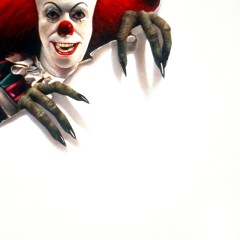
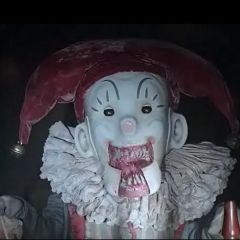
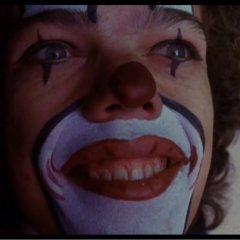
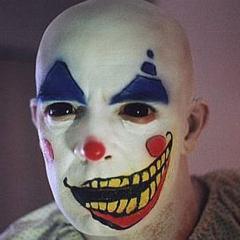
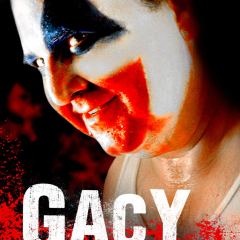
Send in the clowns! Movies have gone a long way in debilitating the image and reputation of clowns, once beloved pillars of comedy, by employing them in all manner of brightly colored mischief and mayhem. In Stephen King’s horror epic, It, the title monster can transform into virtually any monster. Unsurprisingly, it frequently takes on the form of a common, snaggletoothed clown. As It: Chapter Two arrives in theaters — all but guaranteeing no child will ever take up the innocent, shadow-cloaked offers of the neighborhood sewer jester (what kind of paranoid world are we creating?) — we’re diving deep into the white powder and blood with 13 more creepy clowns!
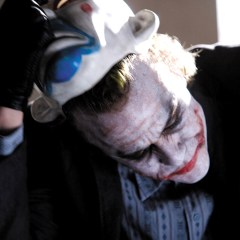
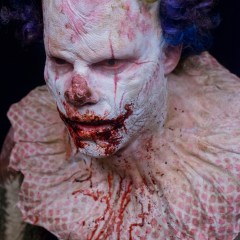
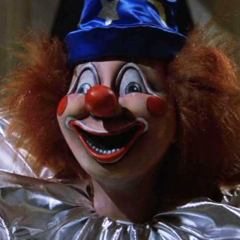
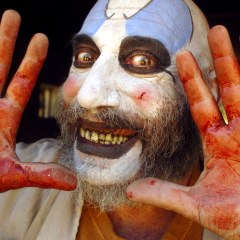
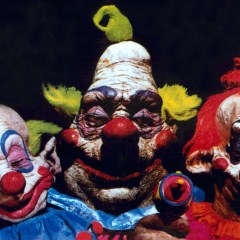
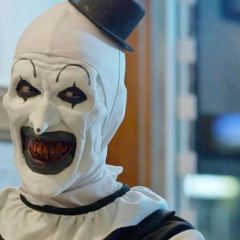
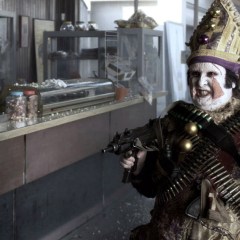
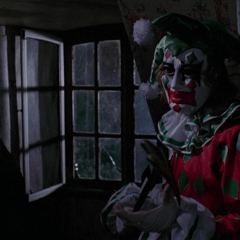
Director Ari Aster unleashes Midsommar this week, his follow-up to breakout debut Hereditary, the family shocker made very much in the horror tradition of dark corners, black nights, and creeping shadows to conjure up scares. Midsommar, set in remote Sweden during a flower-dressed festival, is designed as an anomaly: A gruesome horror movie that allows all its gore and brutality to curdle in open, bright daylight. There’s no hiding away in this one, folks, inspiring us to offer up our own selection of the 11 scariest scenes where the blood shines bright as the sun.

(Photo by Fox Searchlight. All rights reserved/Courtesy Everett Collection)
Here’s a movie that turns up the heat — literally — as a space crew treks with a nuclear payload to reignite our dying sun. A monumental task for those onboard the Icarus II, but the real danger takes on a more human face when they encounter the derelict Icarus I, which disappeared on the same mission seven years earlier. Sunshine morphs into a sun-bright slasher in its third act, a contrast to the earlier somber psychological tone, but director Danny Boyle tackles the shift with zest, challenging himself to pull the knife out of shadows and into retina-searing white light.

A condemned asylum. Inside: clattering chains, disturbed wheelchairs, and crumbling wards. A group of people enter to clean up the place, some who harbor dark histories. Sound like a set up for classic dark and stormy Gothic tale? Not so with Session 9. What kind of clean up crew would work at night? Come on, this is a horror movie: Logic is king here. A slow atmospheric burn with minimal gore until its final minutes, but even when things go to hell, the blood is bathed in New England sun.

Midsommar owes a blood debt to this provincial classic: the unsettling tale of an uptight Christian cop investigating a young girl’s disappearance on an island of decadent mystic pagans has thematic and visual parallels to Aster’s film. Likewise, nearly the entire movie is set during the day among verdant nature and maypole celebrations and foreshadowing musical rhymes that seem to follow the officer everywhere he goes. It’s far too late when he realizes the true nature of his work, leading to a fiery climax in the friscalating dusk light.
Some of the best horror wedges its way into the normal, degrading the routine and humdrum into a morass of paranoia and fear. Final Destination 2 does that with the daily morning commute, because what could be more humdrum than getting in our 1,000 lb. metal husks every day, navigating them manually down the road as cars careen towards us in the opposite direction separated only by capriciously painted lines on the ground? Suddenly, something as innocent as a flatbed of loose tree logs becomes a rolling thunder revue of broken windshield, splattered heads, and Michael Bay–style auto explosions.
28 Days Later‘s famous opening features calm shots of the hero wandering an empty London metropolis depopulated by zombies — moments we would consider eerie, almost beautiful, but not scary. 28 Weeks Later takes the opposite approach. It’s set in the countryside, as a band of infected descend upon defenseless survivors. The camera is in your face, the footage choppy and frantically (but not confusingly) edited, save for a gliding crane shot as our new “hero” flees across the field and towards a waiting river boat. The fact that he just abandoned his wife to the zombies moments earlier contribute to the gut-punching bleakness of the situation. Now that we consider scary.

Like a rusty chainsaw, Tobe Hooper’s horror masterpiece takes a moment to rev up. But once it gets going, the movie is relentless, grinding down the viewer’s endurance up until the famous ending of Leatherface cutting the rising sun light in boiling anger. It’s a great final appearance, but his first introduction is even better. Hapless travelers, in search of gas for their thirsty boogie van, approach a piquant homestead, oblivious that its inhabitants are cannibal freaks who have no qualms doing their dirty deeds in daylight. Leatherface suddenly appears from out of a hallway, smashes his victim’s head in with a hammer as the body crumples and twitches on the ground, and then slides the slaughterhouse door shut. Looks like meat’s back on the menu, boys!
Horror has a way of making an unlit hallway look like a trek through hell, inducing heart attacks though jumping cats, and transforming everyday tools like chainsaws and double-barrel shotguns into instruments of doom. The marketing and posters for Us suggests that Jordan Peele’s new horror flick will do for golden scissors what Get Out did for tea cups, which also happens to be one of selections for the 25 most iconic props from horror movie history! Read on to get your fill of creaky carriages, demonic dolls, and bloody blades.
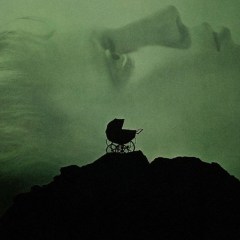
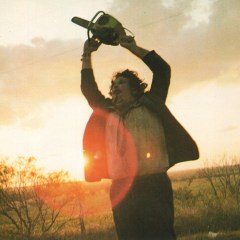
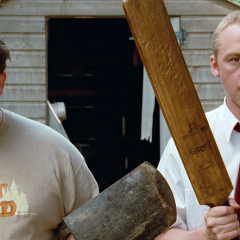
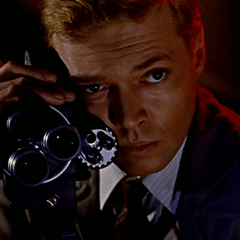
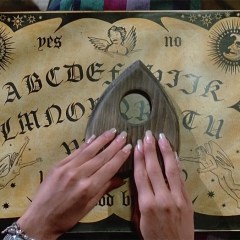
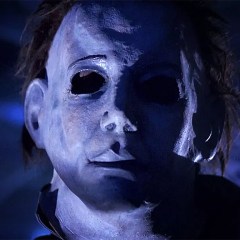

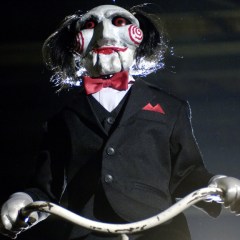

It’s October, people! That means it’s time to sharpen your pumpkin-carving knives, stock up on candy, and…turn on your TV (or at least set your DVR) to celebrate the spookiest holiday of the year. TV networks and streaming services are celebrating Halloween all month long with marathons, specials, series, episodes, and more.
Check back periodically throughout October as we update the list with the latest in Halloween programming!
(Photo by Picture Alliance/Everett Collection)
31 Nights of Halloween, Freeform
Expanding from 13 nights to 31, the network is celebrating Halloween all month long for its 20th annual celebration. Programming includes fan-favorite movies (The Addams Family, Maleficent, Hotel Transylvania, The Nightmare Before Christmas, and the exclusive television home for Hocus Pocus), a new special (Decorating Disney: Halloween Magic), short-form content and an all-day Hocus Pocus marathon on the day itself.
31 Days of Halloween, Syfy
The network’s October programming includes the debut of multiple original movies, a new installment of horror anthology Channel Zero, new seasons of Z Nation and Van Helsing, and airings of fan-favorite scary movies including The Texas Chainsaw Massacre, Resident Evil, and The Cabin in the Woods.
AMC FearFest, AMC
Beginning Oct. 14, the network’s annual event includes marathons of the Halloween movies, The Exorcist, Hellraiser, Friday the 13th, and Stephen King films; a Slasher-thon; and the AMC debut of Abraham Lincoln: Vampire Hunter.
Rob Zombie’s 13 Nights of Halloween, HDNET
The cable network is resurrecting the horror icon’s Halloween programming with 13 films hosted by Zombie himself, airing nightly at 9 p.m. beginning Oct. 19. Selections include Zombie’s The Lords of Salem, The Blair Witch Project, Flatliners, and more.
Classic Horror, TCM and Filmstruck
The classic film network is dedicating different days of the week to various Halloween-themed programming. Every Wednesday will celebrate a different Horror Star of the Week (including Christopher Lee, Boris Karloff, Bela Lugosi, and Vincent Price), while Sundays are for the Monster of the Month: The Mummy (programming includes 11 of the best mummy-themed films ranging from 1936’s Mummy’s Boys to 1971’s Blood From the Mummy’s Tomb). On the network’s streaming service, Filmstruck, find a lineup of monster movies, Japanese horror films, and more.
Nerdoween, Alpha/Nerdist
Three new original series from Nerdist will debut on Legendary Digital Networks’ Alpha during October: Bizarre States: California, Vampire: The Masquerade – L.A. By Night, and The Dark Side, in addition to other Halloween-themed programming.
Supernatural, TNT
On Halloween day, TNT will air 12 hours straight of some of the CW hit’s spookiest episodes, including the pilot, “Bloody Mary,” “It’s the Great Pumpkin, Sam Winchester,” “Monster Movie,” and many more.
Halloween and Alfred Hitchcock Collections, Shudder
The horror streaming service is highlighting classics including Halloween, Halloween 4, Halloween 5, and The Texas Chainsaw Massacre; and an Alfred Hitchcock collection that includes Psycho, Vertigo, Rear Window, The Birds, The Man Who Knew Too Much, Rope, and Shadow of a Doubt.
Halloween Programming, Cartoon Network App
Check out Halloween specials for popular Cartoon Network Series The Powerpuff Girls, OK K.O.! Let’s Be Heroes, Unkitty, and more.
Halloween Movies, Pluto TV
Stream ‘n’ scream with plenty of holiday classics, including Night of the Living Dead, Paranormal Activity 2, Leprechaun In the Hood, Silent Hill, Idle Hands, and more.
BBC AAAAAAmerica, BBC America
Get in the spooky spirit with a week’s worth of programming with movie marathons, a takeover of The X-Files, and hours of Hitchcockian horror. Plus, the network is partnering with streaming service Shudder for a Saturday of original films seen for the first time on television.
Halloween Baking Championship — Mondays at 9 p.m. on Food Network
The Purge () 42% — Tuesdays at 9 p.m. on USA
American Horror Story () 77% — Wednesdays at 10 p.m. on FX
Mr. Mercedes () 91% — Wednesdays at 10 p.m. on Audience
Creeped Out — this horror anthology for kids bows Oct. 4 on Netflix
Into the Dark () 70% — the first installment of Blumhouse Television’s monthly event series, “The Body” starring Rebecca Rittenhouse and Tom Bateman, bows Oct. 5 on Hulu
Z Nation () - - — season 5 of the zombie series premieres Friday, Oct. 5 at 9 p.m. on Syfy
Van Helsing () - - — season 3 of the vampire hunter series premieres Friday, Oct. 5 at 10 p.m. on Syfy
The Walking Dead () 79% — season 9 premieres Sunday, Oct. 7 at 9 p.m. on AMC
Light as a Feather () 50% — based on the children’s game of the same name, all 10 episodes debut Oct. 12 on Hulu
Apostle — premieres Oct. 12 on Netflix
The Curious Creations of Christine McConnell — the spooky baking show debuts Oct. 12 on Netflix
The Haunting of Hill House () 93% — premieres Oct. 12 on Netflix
Charmed () - - — the reboot premieres Sunday, Oct. 14 at 9 p.m. on The CW
Haunted — premieres Oct. 19 on Netflix
The Good Witch — season 5 premieres Sunday, Oct. 21 at 8 p.m. on Hallmark
Legacies () - - — The Vampire Diaries and The Originals spinoff premieres Thursday, Oct. 25 at 9 p.m. on The CW
Chilling Adventures of Sabrina () 82% — premieres Friday, Oct. 26 on Netflix
Castlevania () 94% — season 2 premieres Friday, Oct. 26 on Netflix
Midnight, Texas () 61% — season 2 premieres Friday, Oct. 26 at 9 p.m. on NBC
Channel Zero () 93% — “The Dream Door” premieres Friday, Oct. 26 on Syfy and airs in full across Halloween week
Tell Me a Story () - - — the creepy fairy-tale anthology bows Oct. 31 on CBS All Access
Stan Against Evil () - - — season 3 premieres Oct. 31 at 10 p.m. on IFC
No Escape Room — a father and daughter check out a small town escape room and discover there is something sinister about the place in this original movie debuting Saturday, Oct. 6 at 9 p.m. on Syfy
Cucuy: The Boogeyman — a teenage girl confined to her home on house arrest soon discovers that the nightmarish urban legends of the Mexican boogeyman, El Cucuy, are actually true in this original movie debuting Saturday, Oct. 13 at 7 p.m. on Syfy
Karma — when recent college grad Manny has trouble making ends meet, his father-in-law offers him a job evicting delinquent tenants. Manny soon finds himself unleashing a karma demon which stalks him at every turn in this original movie debuting Saturday, Oct. 13 at 9 p.m. on Syfy
Killer High — Sabrina’s perfectly planned high school reunion goes south when a monster keeps killing all the guests in this horror-comedy original movie debuting Saturday, Oct. 20 at 9 p.m. on Syfy
The Good Witch — “The Tale of Two Hearts”
Dead in the Water — an all-female crew on a boat in the middle of nowhere must deal with an invader on their ship in this original movie debuting Saturday, Oct. 27 at 9 p.m. on Syfy

(Photo by Fox)
Fresh Off the Boat () 94% — “Workin’ the ‘Ween” premieres Friday, Oct. 19 at 8 p.m. on ABC
Last Man Standing () - - — “Bride of Prankenstein” premieres Friday, Oct. 19 at 8 p.m. on Fox
Raven’s Home — “Switch-Or-Treat” premieres Friday, Oct. 19 at 8 p.m. on Disney Channel
Speechless () - - — “I-n-Into the W-o-Woods” premieres Friday, Oct. 19 at 8:30 p.m. ABC
The Simpsons () 85% — “Treehouse of Horror XXIX” premieres Sunday, Oct. 21 at 8 p.m. on Fox
Bob's Burgers () - - — “Nightmare on Ocean Avenue Street” premieres Sunday, Oct. 21 at 8:30 p.m. on Fox
Family Guy () - - — “Big Trouble in Little Quahog” premieres Sunday, Oct. 21 at 9 p.m. on Fox
Rel () 44% — “Halloween” premieres Sunday, Oct. 21 at 9:30 p.m. on Fox
The Goldbergs () - - — “Mister Knifey-Hands” premieres Wednesday, Oct. 24 at 8 p.m. on ABC
American Housewife () - - — “Trust Me” premieres Wednesday, Oct. 24 at 8:30 p.m. on ABC
Modern Family () 85% — “Good Grief” premieres Wednesday, Oct. 24 at 9 p.m. on ABC
The Cool Kids () 75% — “Politician, Freemason, Scientist, Humorist and Diplomat, Ben Franklin” premieres Wednesday, Oct. 24 9:30 p.m. on ABC
Superstore () 93% — “Costume Competition” premieres Thursday, Oct. 25 at 8 p.m. on NBC
Young Sheldon () - - — “Seven Deadly Sins and a Small Carl Sagan” premieres Thursday, Oct. 25 at 8:30 p.m. on CBS
MacGyver () - - — “Dia de Muertos + Sicarios + Family” premieres Friday, Oct. 26 at 8 p.m. on CBS
Hawaii Five-0 () - - — “A’ohe mea ‘imi a ka maka (Nothing More the Eyes to Search for)” premieres Friday, Oct. 26 at 9 p.m. on CBS
Slasherdom’s ultimate final girl, Laurie Strode, is back in theaters this October – and she’s a changed woman. In David Gordon Green‘s Halloween, set 40 years after John Carpenter‘s horror classic, Strode is at once a tough-as-nails grandma ready for her ultimate showdown, and a shell of her former self. She’s been beaten up by years of dealing, and not dealing, with the trauma of the night “the Shape” first came into her life, turning to drinking and drugs and failed relationships for support, turning away her family and loved ones. For audiences, it’s a shock to see: this is what happened to sweet, innocent, Laurie Strode? The babysitter who couldn’t even inhale that joint? For Jamie Lee Curtis, the woman who’s played her across 40 years, it’s a tragic but logical progression. “She lost everything,” says Curtis. “Nobody went and embraced her. All of the innocence is gone.” To mark Strode’s return to the big screen, we sat down with Curtis and Carpenter, who created the character with Debra Hill, for a deep-dive on Laurie – from the casting of Jamie Lee to the character’s lasting appeal and, finally, to the woman we find in Green’s new film.
What follows is a history of Laurie Strode drawn from sit-down interviews with John Carpenter and Jamie Lee Curtis.
ALSO WATCH: ORAL HISTORY OF HALLOWEEN (1978) WITH CURTIS AND CARPENTER
Jamie Lee Curtis: “I had done a TV series prior to Halloween. But I was one of 13 or 14 regulars on a half-hour, one-camera TV show. If I had two lines a week, that was a lot. All I remember about Halloween was that it was a script where every single page had the name ‘Laurie’ on it. What I knew was that it was a big part. To have something where it was that kind of complete character was kind of exciting for me.
The roots of this were so low-scale. It was crappy little offices in this old building on Cahuenga Boulevard [where Curtis auditioned]. It was two little offices, side by side: One was Debra Hill’s, one was John Carpenter’s. That was the extent of their big production offices.”

(Photo by © Compass International Pictures/ Courtesy: Everett Collection)
John Carpenter: “We picked a scene in the script and she read it, and she had a quality about her. There was an innocence and yet a strength going on in there, and I really liked it. Plus, the girl I wanted for the part had turned me down – so Jamie was perfect!”
Curtis: “I remember meeting with the costume woman, talking about Laurie, and we went to J. C. Penney and we basically bought back-to-school clothes for this girl. It was like going shopping with Laurie’s mother. There was that skirt, then there was the turtle neck, and then the little cardigan sweater, and the thigh-high big socks.
I’d had a perm when I met John, but then they decided they wanted my hair straight – or, not straight, but not frizzy like a perm. I remember putting hot rollers in my hair each day to get it to straighten out.”
Curtis: “[She] was the archetype that had to be the center of that story, which is an innocent girl, without boyfriends, without experience. She’s the good girl, even though she did smoke pot, which is such an anomaly for a good girl. But the way she smokes it, you can see she’s not experienced. She coughs and she sort of blows it.”

(Photo by © Compass International Pictures/ Courtesy: Everett Collection)
Curtis: “The movie was conceived as The Babysitter Murders. Moustapha Akkad went to John Carpenter and said, ‘I wanna make a movie about babysitters who get slashered.’ It was John and Debra who set it on Halloween night. I think it was Debra who said, ‘Let’s have it take place on Halloween night.’
It’s really the innocence of babysitting coming into conflict with this evil being. That’s why the movie worked: because she was so incredibly vulnerable. The audience was let in on her vulnerability from the very beginning. ‘I wish I had you all alone…’ ‘Oh, poor Laurie, scared another one away. It’s pathetic. You study too much.’
There is something beautiful about babysitting. Babysitters are not nannies. This was neighborhood girls coming over so the parents could go out to dinner or go out to a birthday party. There’s just something beautiful about the relationship between a babysitter [and a child]. You’re not a teacher. You’re not a governess. You’re not Mary Poppins. You’re a peer, in a weird way. You’re only probably 8 to 10 years older than the kid you’re babysitting. There’s an innocence about it all.”
Curtis: “We are no longer innocent. Particularly in America, 9/11 removed all of our innocence. Yes, there are still small towns and yes, there are still people within them babysitting and stuff, but I think innocence has been ultimately lost because the brutal reality of life came into our lives.

(Photo by © Compass International Pictures/ Courtesy: Everett Collection)
[But] the archetype still works. There is still that lovely connection and ultimately, you still are entrusted with the lives and care and safekeeping of children. When you introduce something scary into that, you are going to step up and be the responsible quasi-adult. That hasn’t changed. We, as a nation, have changed.”
Carpenter: “I love everything about [Curtis’ performance as Laurie]. She was so game about everything. I tell her to do something – ‘Okay, go over the banister and just hold onto this rope. You’ll be fine…’ – and she’d do it! And she was just great at it. And she could produce all the emotions that were necessary. She was just a joy to work with.
[Laurie] was a combination of things. She was a virginal character, but she was extremely strong and self-directed. It was mainly Jamie’s performance. I think that’s what took us there. Every time I make a movie, I learn things from the process of making it. It’s the casting decisions that you make that are so important. To cast the right person for the role is essential. What I learned [from Halloween] is that any time you cast Jamie Lee, you’re in good hands.”
Curtis: “What was so beautiful about the first movie is it was complete. You can’t kill the bogeyman. It was the bogeyman – [and] as a matter of fact, it was. What’s beautiful about the new movie is that it just literally slices away all of those other movies. They exist, you can watch them, you can love them or hate them. [But with the new movie] there’s 1978 Halloween and 40 years later. That’s it. That’s why this [new] movie got me. That’s why I said yes. Because it made all the sense in the world.”

(Photo by © Compass International Pictures, @ Universal Pictures)
Curtis: “Now we get to really look at what happened to Laurie Strode 40 years later, to the day, with no attachment.
She lost everything. She lost herself, she lost her friends, nobody was helping her. Everybody was saying, ‘Oh, just get on with your life.’ Of course, that didn’t happen, so then the cascading trauma, like a tumbleweed, just gets bigger and bigger and bigger. She slams into people looking for contact, men, alcoholism, drugs. All of it with no support.
She was the freak. She’s the girl who survived. She’s the final girl, but she’s also something that you recoil from, in a way. Nobody went and embraced her. All of the innocence is gone. She has been self-reliant and the more calluses that she created on herself, the farther and farther people [moved away from her], and she had a child and they took the child away.
The woman we meet [in Halloween 2018] is alive by her own wits, has no friends. She is the freak of the town. And lives in a compound because she is preparing herself every day for the eventuality that Michael Myers will return.
And he does.”
ALSO WATCH: ORAL HISTORY OF HALLOWEEN (1978) WITH CURTIS AND CARPENTER
It’s been 40 years since Halloween opened in American theaters, leaving its indelible mark on terrified audiences and inspiring four decades’ worth of imitators. This month, moviegoers are headed back to Haddonfield thanks to David Gordon Green‘s direct sequel to the original, also simply called Halloween. While Green’s movie ignores the events and lore of every Halloween sequel and reboot, it is still the eleventh film in the franchise that centers on “the shape” (well, mostly – shoutout to Season of the Witch). Why do we keep revisiting this film, and these characters, so many years on? Why do Michael Myers and Laurie Strode appeal, and endure? What was it about John Carpenter‘s low-budget slasher that cut so deep? Ahead of the release of Halloween, we sat down with Carpenter and Laurie herself, Jamie Lee Curtis, for an extended look at the making of 1978’s Halloween – from the casting of Curtis and Nick Castle to the first days on set – and the creation and legacy of Hollywood’s ultimate bogeyman, Michael Myers.
What follows is a history of Halloween (1978), and reflection upon it, drawn from sit-down interviews with John Carpenter and Jamie Lee Curtis.
ALSO WATCH: ORAL HISTORY OF LAURIE STODE WITH CURTIS AND CARPENTER
Jamie Lee Curtis: “Right away we were working. I remember that, there was no gentle entry. I think the first thing we did, if I remember correctly, was the girls’ walk-and-talk on the street: carrying the books, the car comes by, ‘speed kills’ – that whole sequence.
Then, the second half of the day was me and Tommy Doyle meeting, where I crossed the street, meet, walk down the street…’That’s the scary house, don’t go in there.’ Then I go up to the door and we have the little scene out on the street and then the great shot, later, of Michael inside the door. His POV. Then, Laurie walking down the street.

(Photo by © Compass International Pictures/ Courtesy: Everett Collection)
Curtis: “The last thing we shot that day was me walking down the street, away from Tommy Doyle, singing the little song. I remember saying to John, very clearly, I remember saying, ‘So, what do you want me to sing?’ He said, ‘Well, just make up a song.’ I said, ‘I don’t sing. Really don’t sing.’ He said, ‘Well, it doesn’t matter. It’s like an internal monologue – she’s not belting a country-and-western tune.’ I remember going, OK. Just really making it up on the spot. [singing] I wish I had you all alone...
When I think about it now, it’s incredibly poignant. I think that must’ve been [co-writer and producer] Debra Hill. That whole idea of a girl… I would hold you close to me, so close to me, just the two of us. It’s incredibly romantic and dreamy and innocent and beautiful and, of course, you’re counterpointing it with this POV of this killer.
It’s just beautiful and that was the first day. All of that was day one.”
Curtis: “I think it was [shot for] $300,000 in 17 days [Carpenter says it was 20]. It was fast, and all I remember was that first day and the beautiful story that goes with that. I like telling it because it tells you everything. And it’s never happened to me again.
I lived with a hairdresser named Tina Cassidy, we rented a house together in Studio City. I finished my first day of work and I came back to this house we lived in. The phone rang that night and Tina said, ‘Jamie, it’s John Carpenter.’

(Photo by © Compass International Pictures/ Courtesy: Everett Collection)
In my day, and I’m sure it happens now, people get fired after their first day of work. You know, the director thinks about it and goes, ‘Uh, I made a mistake.’ That’s why I remember this slow walk over to the phone and doing that thing of like, ‘Um, hello?’
He’s from Kentucky, I believe, and he was like, ‘Hey, darlin’, it’s John. I just wanna tell ya how happy I am and how fantastic you were today. I just know it’s gonna be amazing.’
That just doesn’t happen. And that was all John Carpenter. That’s how it began.”
Curtis: “Nick Castle, John Carpenter, and Tommy Wallace [who helped edit the film, and played the Shape in the closet scene] were all friends. They were in a band together called the Coupe De Villes. They were 30-year-old guys… 27-, 29-, 30-year-old guys, who all went to film school together and they were all wanting to be in the movie business. These were people who were young people. We would call them hipsters today. That’s who was making this movie.
Nick Castle was married. I think he had two kids at the time. You know, he was around with his kids and being the guy in the mask. I think [Nick] just did it as a favor to John. I’m sure John just said, ‘Eh, I need somebody to be in the mask, will you do it?’. Maybe he got paid a couple hundred bucks or whatever it was. I mean, nobody got paid, anything. I think I got paid $8,000 for the whole movie, which at the time, for the lead in the movie was $2,000 a week.”

(Photo by © Compass International Pictures/ Courtesy: Everett Collection)
John Carpenter: “Nick Castle is a friend of mine from film school. We had a rock & roll band together, we made student films together. I liked the way he moved. He came from a dancer family so he had a grace, an odd grace about him. Plus, he was free. He was cheap. So he put on the costume and I said, ‘Now, go from here to here.’ And that was it.”
Carpenter: “I was in the closet with Jamie and I believe I was holding a camera. I was directing her, and I tended in those days to direct verbally – out loud. I think I said something like, ‘Now it’s time to stab the son of a bitch.’ And she said, ‘Can you please not say that? I’m gonna laugh.’ So I shut up. I [actually] didn’t say, ‘son of a bitch’ – I said other things that I can’t say on camera.”
Carpenter: “‘My god, this is a disaster,’ is what I thought. No, none of us knew [the movie was going to be loved]. A lot of people criticized my ending. They thought it sucked. They thought it was bad. And then we finished the movie, and put the music on it, and put it out there, and then the reviews came in and they were bad. ‘John Carpenter does not have a talent with actors’ it said in some of the reviews. Oh lord. So, once again, I got bad reviews on something. But then the audience started to build. Halloween was a word of mouth movie. That’s why it worked.”

(Photo by © Compass International Pictures/ Courtesy: Everett Collection)
Carpenter: “The script was a departure from a lot of horror films that I had seen as a kid and as a film school student. The antagonist, Michael Myers, was neither human, nor supernatural, but a combination. So I had to ride a line there with him. He was everywhere in the darkness. He was just a killing machine and at the time we hadn’t seen that too much. That’s what I was trying to do – and [I was] trying to scare the audience. That was my job.”
Curtis: “The reason he continues to have the impact that Michael Myers has is the simplicity of the evil. The enigmatic, faceless, expressionless look of Michael, it projects into that mask every terrifying image we have.
You see, I think we can put all of our fears and concerns and knowledge that evil exists in the world, ’cause evil exists in the world. Put it behind that mask and it can be anywhere anytime, anybody. I think it’s the simplicity of that. That is terrifying.

(Photo by © Compass International Pictures/ Courtesy: Everett Collection)
If I had to analyze it, which of course, you know… Because the problem is, I can say all that and you guys will be like, ‘Wow, she’s really smart, that was really articulate and really thoughtful.’ But the truth is: It’s a fucking William Shatner mask. Do you know what I mean?
I’m talking out my butt because the truth is, I don’t know anything about why he endures. I’m just glad he does because he’s my buddy. Me and my shadow. Where would I be without Michael Myers – you know what I’m saying? I’m grateful to him, for all of his badness.”
ALSO WATCH: ORAL HISTORY OF LAURIE STRODE WITH CURTIS AND CARPENTER
Hereditary torments viewers with every horror trick and trope in the book. It’s got jump scares, dreadful atmosphere, supernatural goings-on, the occult, spirits and seances, and, yes, creepy kids. You’ll be hard pressed to find a young girl more unsettling at the movies than Milly Shapiro as the forlorn Charlie, who may be channeling her dead grandmother…or worse. But enough tongue clucking: we present this week’s gallery of the 24 creepiest kids from horror movie history.
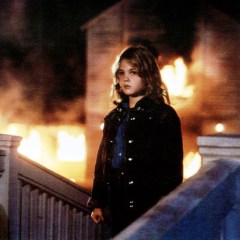
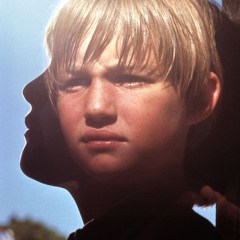
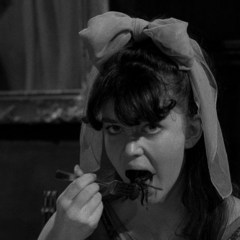
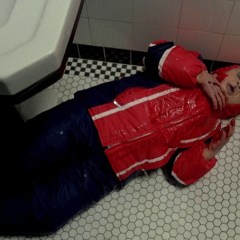
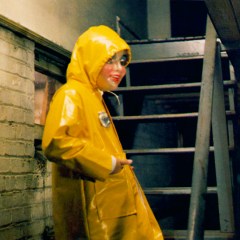

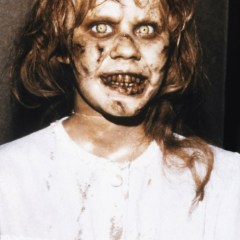
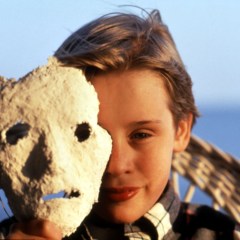
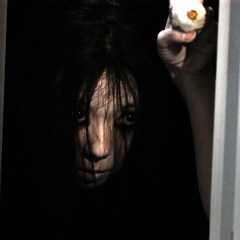
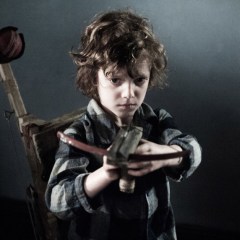
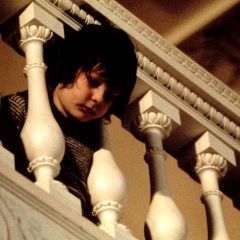
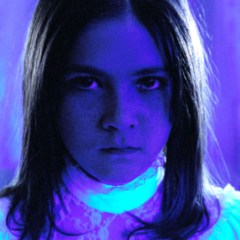

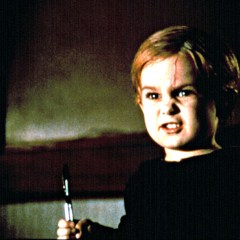
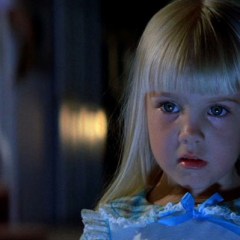
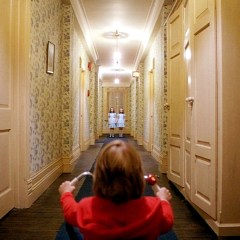
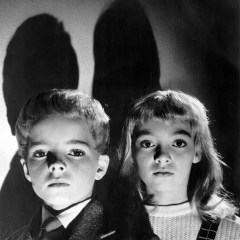

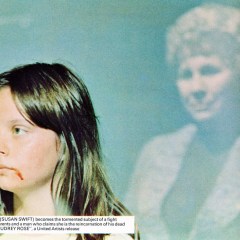
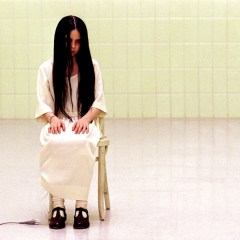

(Photo by © Universal, © Warner Bros., © Paramount, © Dimension Films)
Those who saw John Krasinski‘s A Quiet Place earlier this year surprised to hear that the director and his co-star and wife, Emily Blunt, recently told Rotten Tomatoes that Jaws is their favorite movie. Their new creature feature opens with a scene that shocks audiences in ways that echo the Spielberg film’s famous first scene, and even goes one step further, breaking one of the biggest rules of horror (and nope, we’re not saying which).
The scene was not in the original screenplay, say co-writers Scott Beck and Bryan Woods; it was something Krasinski added himself in the rewrite phase. “I’ve got to give props to John for just being a crazy person,” says Beck. “I think he just really wanted, like, the opening of Jaws — let’s establish this monster right out the gate, and get really, really dark.” Woods adds: “You pull that on an audience and you instill this instinctual fear: These characters are fair game, so watch around every corner.”
Is it one of the scariest openings, ever, though? Time will tell — we need a few years and a lot of perspective to make those kinds of calls. For now, we at Rotten Tomatoes have voted on our favorite scary opening scenes up to now, and ranked them according to just how pinned-back-in-our seats we were the first time we saw them.

(Photo by © Paramount)
This is Quentin Tarantino’s favorite slasher flick and it’s not hard to see why: It’s gruesome as hell. It’s set in a mining town, and the slasher wears a mining get-up and uses mining tools, which means a lot of inventive swinging pickaxes and nail-gun use (so much so that the MPAA had the filmmakers slice out 9 minutes of gore from the original cut). The opening is basic, over in barely two minutes, and may have suffered a touch because of those cuts. But its simplicity and directness is kind of the point: This film isn’t wasting any time, and it didn’t come to play.
How did director Wes Craven and writer Kevin Williamson choose to up the ante on awesome openings in this sequel, which is actually slightly higher on the Tomatometer than the original? They showed us that original opening again, this time as a movie-within-the-movie (Stab!), starring Heather Graham as Casey Becker, who had been played in the original by Drew Barrymore. Confused? So is Jada Pinkett Smith’s Maureen, the actual victim of this super-meta opening. She just came out to see a dumb scary movie, and has no idea why her boyfriend has just stabbed her and the audience is doing absolutely nothing about it. Seriously, worst movie theater audience ever.

(Photo by (c) New Line)
Movie rule #96: When a flight steward says it’s going to be fine, you can bet that it really, really isn’t. This opening set the standard for the rest of the Final Destination franchise, and was believed at the time to be inspired by the explosion of TWA Flight 800 in 1996. Like the flight shown in the movie, that real-life 747 was on its way to Paris and carrying high school kids when it blew up shortly after takeoff.

(Photo by (c) New Line)
It’s hard to pick the best of the Final Destination openings — replace plane with car with roller coaster and so on and they’re essentially the same — but the Rotten Tomatoes staff votes have the third installment, starring Mary Elizabeth Winstead, nudging out the others. This time we’re at an amusement park, and the latest set of unlucky teenagers is killed (or not) on a roller coaster. It’s brilliantly staged, zeroing in on virtually every “could it happen?” thought that runs through your mind when strapping into a fast-moving ride: Will the wheels come loose? What if my seat lock comes undone? The film’s Devil’s Flight roller coaster was actually a ride called the Corkscrew in Playland in Vancouver, which was made to look higher — and much deadlier — in post-production.
Nothing really happens in the opening few minutes of Tobe Hooper’s infamous low-budget 1974 horror flick, and yet rarely has a movie evoked so much dread so quickly. There’s that (rather long) text scroll, laying out the movie’s “maybe-based-on-a-true-story” credentials, and then those camera flashes, shocking us to life with grisly images of decomposing eyes and other bits and bobs. Finally, Hooper pans out to reveal a ghastly, barely-human sculpture sat upon a grave marker. Fun fact: The Narrator is none other than John Larroquette, who has said he was paid for his efforts with a marijuana joint.
While 28 Days Later opens in an empty London, its sequel begins in a packed house somewhere in the countryside. We’re quickly introduced to the occupants, a sweet-seeming family and a Walking Dead-style crew of likable survivors. And then all hell breaks loose. It’s not just that director Juan Carlos Fresnadillo throws everything at the scene — “name” actors bite it, Scream-style, and kids are in no way off limits — that makes it such a gut punch. It’s the way the filmmakers upend expectations, particularly when it comes to our “hero”, played by Robert Carlyle. With each choice he makes, he reveals himself to be anything but a Rick Grimes. And frankly, when the dust settles, we’re leaning #TeamZombie.
Did you know Victor Salva’s monster flick is based on a true story? Well, the opening scene, in which the Creeper gets into his truck to tail two kids who catch him dumping a victim, was inspired by one. In 1990, Ray and Marie Thornton were driving on a Michigan road when they spotted Dennis DePue dumping what looked like a body behind an abandoned schoolhouse (it turned out to be his wife). In their court testimony, the Thorntons said that DePue proceeded to follow them in his van for miles.

(Photo by (c)Warner Bros.)
Scream and When A Stranger Calls may have horror-dom’s most famous problem callers, but Black Christmas’s pervy “moaner” is a close runner-up. The film’s opening sequence meanders a little, lurching from one cliché (stalker cam!) to another (hiding in the closet!), with detours into calls with mom and a bit of bathroom boozing. But when the sorority sisters circle around the phone to listen to the stalker — who goes from static-y groans to screechy vulgarities that we won’t repeat here — it’s as transfixing as it is disturbing.

(Photo by ©New Century Vista Film)
Sometimes seeing the aftermath of a horrible act can be even more terrifying than witnessing the act itself. The opening sequence of The Stepfather is a case in point. With each shot we’re given an awful little breadcrumb clue to what has just happened in this bland-looking suburban home. There’s the blood on Terry O’Quinn’s face. An out-of-place toy boat. A dial tone. And then… We won’t give it away. Director Joseph Ruben would go on to make more chillers in this vein — including Sleeping with the Enemy and The Good Son — but none would come close to creating moments as chilling as The Stepfather’s (very) cold open.

(Photo by ©New Century Vista Film)
A couple decides to go skinny dipping at night and it ends badly thanks to something bite-y in the water. Sound familiar? There is a lot that sounds and looks familiar about this Roger Corman-produced answer to Spielberg’s Jaws. But that doesn’t mean it isn’t fun in its own right — and memorable. A bunch of the Rotten Tomatoes staff saw this one when they were kids, and the opening scene left a mark.

(Photo by (c) Warner Bros.)
What’s worse than an iceberg — right ahead? A wire, right onboard. In the best part of this pretty mediocre movie, almost an entire ship’s worth of passengers is wiped out in one fell swoop when a wire snaps and slices across a dance floor packed with revelers. It takes the well-dressed folk a few seconds to realize they’ve all been cut in halves and quarters and thirds (depending on height), and when they do, the makeup department goes to work. Side note: The little girl who survives (she was just short enough to escape) is Emily Browning.
Robert Eggers’ unnerving opening plays on every parent’s — or babysitter’s — greatest fear: A child that vanishes the second you look away. Here, a game of peak-a-boo takes a dark turn when Thomasin’s (Anya Taylor-Joy) baby brother disappears and is then seen in the clutches of a witch. Said witch is then doing something to the baby that we can’t quite make out until… wait, is that a knife?
How exactly did Danny Boyle film in a completely empty — and completely eerie — central London? He had some help from his then teenage daughter, it turns out. Boyle has explained that in lieu of traffic marshals and police, which he couldn’t afford, his daughter and her friends tried to hold back traffic during the seven early mornings over which they shot the sequence.
High school is terrifying, and rarely has it been as terrifying as in the opening sequence of Brian De Palma’s Carrie. The film is no conventional horror flick, and the scene is no conventional horror opening, but its mark is indelible: Just try to wipe the image of a screaming Sissy Spacek begging for help from your memory.
Online snarks have said that Dawn of the Dead’s opening seven minutes were the peak of director Zack Snyder’s career. Frankly, they’d be the peak of most directors’ careers as far as we’re concerned. In the absolutely brutal sequence, Sarah Polley’s Ana wakes to discover her neighbor’s daughter is a ravenous zombie (the fast-moving 28 Days Later kind) who isn’t making any sort of distinctions between family and food. Eyes out for the “Here’s Johnny!” nod and ears out for the excellent use of Johnny Cash’s “When the Man Comes Around” over the killer credit sequence. [Editor’s note: This story originally said that Ana woke to find her own daughter was a zombie — we have corrected, and regret, the error.]
It Follows opens with an almost two-minute tracking shot that coldly observes a young girl running for her life on an idyllic suburban street. We eventually join her as she gets in her car and later find her next alone on a beach. Cut to… well, just watch it. There are no big scares or jumps or monsters in these few minutes. The key horror here is mystery: Why is she running? What is she running from? And what the hell did that to her?

(Photo by © Compass International Pictures)
John Carpenter told Rotten Tomatoes recently that you have two options for opening a horror film: “You can slow things down, lull people into a false sense of security, and then smack them in the face with it,” or “kick it into gear straight away — let’s go!” For 1978’s Halloween, he went with the latter approach, opening with a stalker-cam single shot that took him and his crew some eight hours to execute. Carpenter says he was inspired by long tracking shots in films like Orson Welles’ Touch of Evil.
Director Tommy Lee Wallace’s 1990 miniseries adaptation of Stephen King’s It doesn’t open with Georgie and Pennywise’s drain-side chat — it begins instead with the disappearance of a little girl and a memorably abandoned tricycle — but it does get to the scene eventually. When the moment does come, Wallace plays it TV safe: We see Tim Curry’s clown bearing his teeth and advancing on his victim before we cut to the next scene. Andy Muschietti takes the road less traveled in his treatment of the scene, which opens 2017’s It, showing Pennywise’s attack on poor Georgie in all of its gory glory. Yes, that’s a child getting his arm chomped off — and Muschietti isn’t letting us look away.
Wes Craven’s big comeback film kicked off a slasher revival and gave the horror genre one of its most famous lines (“What’s your favorite scary movie?”). Most of that was thanks to the opening scene, penned by horror fanatic Kevin Williamson, which plays out like a mashup of Jeopardy and the last half hour of Halloween. It was always going to be a nerve-shattering ten minutes; what made it more than that was the casting of Ghostface’s first big target, Casey Becker. Craven said he wanted to have the film’s biggest star die straight out the gate, and had considered offering the role to Alicia Silverstone. But when Drew Barrymore, who was set to take the lead role, said she wanted to do the opening scene, the plan changed and Craven had his “No they didn’t!” moment.
It took a lot of innovating to pull what is arguably cinema’s most famous opening together: Actress and stuntwoman Susan Blacklinie had hooks attached to her Levi’s so that drivers could pull her to and fro to get that jerked-by-a-Great-White effect; Spielberg employed a devastatingly effective predator’s-eye view to put us inside the hungry mind of the shark; and John Williams’ score did the rest of the work. The scene was a direct lift from the opening pages of Peter Benchley’s bestselling book. In those pages, the reader — like Spielberg’s camera — mostly inhabits the perspective of the beast (the opening line reads, “The great fish moves silently through the night.”). On page, the opening scene is as brutal and mysterious an attack as on screen. “At first, the woman thought she had snagged her leg on a rock or a piece of floating wood,” writes Benchley. “There was no initial pain, only one violent tug on her right leg. She reached down to touch her foot, treading water with her left leg to keep her head up, feeling in the blackness with her left hand.” Then comes the kicker: “She could not find her foot.”
Which scary opening scene is your favorite? Don’t see it on the list? Are you about to write us an angry letter asking how in Samara’s name we could leave out The Ring? Save the postage, and let us know what you think in the comments.
Movie remakes tend to get an automatic bad rap, but this time we’re putting some numbers behind it. Take the original’s Tomatometer rating, subtract by the remake’s number, and voila: the 24 worst movie remakes by Tomatometer!
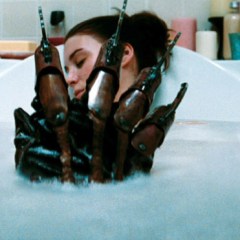
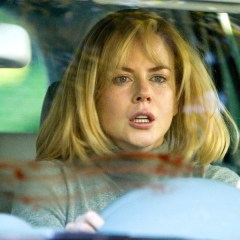
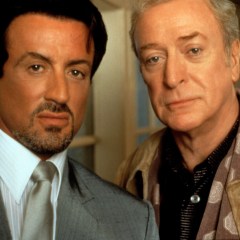
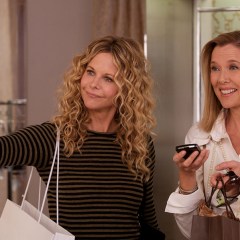

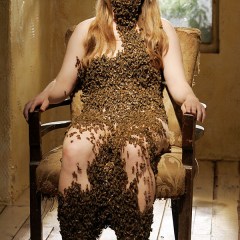

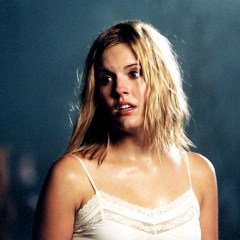

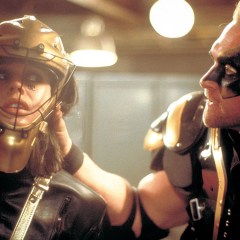
2018 is finally here, and the first big release of the year is the latest (and presumably final) chapter in the Insidious franchise. It’s a PG-13 horror flick, but if you don’t think your kids could handle it — or if you don’t think they’ll particularly care for it — then we’ve got a few alternatives in mind. Read on for Christy’s take on Insidious: The Last Key and three recommendations you can watch at home instead.
THE MOVIE
Rating: PG-13, for disturbing thematic content, violence and terror and brief strong language.
The fourth and presumably last movie in the Insidious franchise (if the title is providing any clues) is better than you might expect from a January horror movie. But it’s also quite scary, with several startling jump scares and disturbing imagery throughout. If you already had reservations about going down into the basement, the latest Insidious movie will do nothing to reassure you. The great character actress Lin Shaye returns to the central role of parapsychologist Elise, who helps families purge their houses of the demons that are haunting them. But this time, she gets a call from a man living in her childhood home in small-town New Mexico, which forces her to relive the horrors she endured there from her cruel father. The physical and psychological abuse thrust upon Elise as a girl decades earlier is actually harder to watch than any spiritual frights – but those will freak you out, too. Insidious: The Last Key can be a joltingly noisy movie, but director Adam Robitel also puts you on edge through the use of silence in this dark, creepy house. Fine for viewers around 13 and older… if they dare.
THE RECOMMENDATIONS
If the latest Insidious is too intense for your kids (and it probably will be), here are some other haunted house movies for various ages that you and your family will enjoy:
Rating: PG, for scary images and sequences, thematic elements, some crude humor and brief language.
An animated delight from producers Steven Spielberg and Robert Zemeckis, Monster House is about a house that is literally a monster. Three teenagers (voiced by Mitchell Musso, Sam Lerner, and Spencer Locke) discover that the house across the street isn’t merely creepy and dilapidated, as it looks from the outside. It’s a living, breathing entity that chews up people and things and sometimes spits them back out again. Windows serve as eyes and a long, red carpet lashes out like a tongue. It’s possessed by a soul seeking revenge from beyond the grave, and it thrives on the energy of humans. That may sound pretty scary, and it may be too intense for very little kids. Along those lines, the stop-motion animated characters may look a tad off-kilter, given how much technology has improved over the past decade. But most younger viewers will find Monster House to be a clever and amusing adventure. The teen characters here are in constant danger but they’re resourceful and (eventually) brave, and they work together as a team. Fine for viewers around 7 and older – and perhaps a great, first scary movie to show your kids.
Rating: PG, for adult situations/language and violence.
One of Tim Burton’s earliest and best films – it’s only his second feature after Pee-wee’s Big Adventure – this oozes his signature mix of playful and macabre, colorful and dark. Michael Keaton gives one of the greatest comic performances of his long and varied career as the title character: a raunchy and profane spirit-for-hire who helps a recently deceased couple (Alec Baldwin and Geena Davis) scare the new owners out of their home. Perfect for the conspicuous consumption of the era, the new husband and wife are obnoxious yuppies (Catherine O’Hara and Jeffrey Jones) who throw lavish parties for their horrible friends. Only the couple’s sullen teenage daughter (Winona Ryder in one of her key roles) can see and sympathize with the dead couple. Beetlejuice is lively and ton of fun, with the wildly detailed costumes and production design we’ve come to expect over the years from Burton’s films. Some of the humor is rather adult – especially from the hard-partying Beetlejuice himself, who visits a brothel at one point. There’s some scattered, strong language. And fundamentally, the film is about a couple coming to grips with the fact that they’re no longer alive, which may be disturbing for younger viewers. But the racier material will probably go over a lot of kids’ heads. Fine for around ages 10 and up.
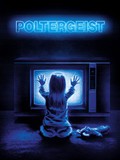
Rating: PG, for adult situations/language and violence.
One of the greatest horror movies, period, but also one of the greatest haunted-house movies. Poltergeist kept me awake many a night when I was a little girl; in retrospect, I was probably too young to see it, but hey – I had permissive parents. (You guys will show better judgment, I’m sure.) But Tobe Hooper’s film, which Spielberg produced and co-wrote, is a must-see (or re-see) as a thrilling exploration of the dark side of suburbia. It features so many iconic lines and images; you’ve probably never looked at a snowy television screen the same way since. And Lin Shaye’s character in the Insidious movies definitely calls to mind the late, great Zelda Rubenstein as the brilliant and eccentric medium who famously “cleaned” the haunted house of Poltergeist. Craig T. Nelson, JoBeth Williams, and Beatrice Straight lead the excellent cast. A family enjoying the supposed security of Southern California tract-housing bliss finds everything upended when their youngest child, Carol Ann (the late, deeply creepy Heather O’Rourke), hears voices, then gets sucked into another dimension by a host of restless spirits. Poltergeist vividly explores childhood fears; from the toys to the closets to even the wind in the trees, nothing is safe. And the climax that reveals why the angry souls are stirring things up is truly nightmarish. A great choice for tweens and older who can handle inspired, real-world scares.
As much as we all love the movies around here, there’s nothing quite like binge-watching a fresh batch of well-made serial entertainment, and this weekend, Netflix is serving up one of the year’s most highly anticipated new seasons. We’re talking, of course, about Stranger Things — and in honor of its return, we decided to dedicate this feature to a look at some of the many films that helped inspire the streaming service’s ’80s-set horror hit. Toast up some Eggos, because it’s time for Total Recall, Stranger Things style!

(Photo by 20th Century Fox Film Corp.)
Stranger Things‘ setting of Hawkins, Indiana is clearly quite different from the reaches of deep space where we meet the crew of the Nostromo in Alien. Still, it’s easy to see how the Duffer brothers took inspiration from Ridley Scott’s sci-fi/horror classic — most obviously in the way those imprisoned in the Upside Down are forcibly used as incubators for the offspring of its monstrous denizens, and in the way the Demogorgon’s nightmarish face opens like the world’s worst flower (or a xenomorph’s egg). Given the way poor Will yarfed up a nasty remnant of his time in captivity, we’re guessing we’ve seen far from the last instance of Alien‘s body horror influence on the show.

(Photo by Warner Bros. courtesy Everett Collection)
The first time Eleven is plunged into her sensory deprivation tank in order to access the Upside Down, film buffs saw a clear parallel to this 1980 cult classic, in which William Hurt plays a psychologist who uses a similar apparatus to explore the theory that human consciousness is far more vast and complex than we’re able to understand in our waking hours. Using a combination of drugs and sensory deprivation, he undergoes a series of progressively more profound transformations, until — like Eleven — crossing the line between realities threatens to consume him altogether. Stranger Things hasn’t given us primitive man or a many-eyed goat yet, but as the second-season teasers have shown us, there’s still a lot we don’t know about the Upside Down.

Steven Spielberg’s classic 1982 hit is a lot of things, but underneath everything, it’s the story of a group of kids banding together to protect their powerful yet vulnerable — and decidedly unusual — new friend from an encroaching adult menace. It’s a fight that comes with no small amount of peril, and one that’s destined to demand some heartbreaking sacrifice before it’s over, but our brave protagonists still insist on standing up for what’s right, and doing it largely without (deliberate) assistance from the unwitting adult authority figures in their lives. And okay, so Eleven (Millie Bobby Brown) never made a bike fly across the night sky, but she did flip a freakin’ van with the power of her mind — and just like E.T. loved his Reese’s Pieces, she can’t get enough Eggo waffles.

This is a little bit of a cheat, because although the Duffer brothers were clearly influenced by Firestarter — along with an assortment of other Stephen King stories, including IT — they took their inspiration from the bestselling horror master’s books rather than their film adaptations. Still, we’d be remiss if we didn’t mention the story of young Charlie McGee (Drew Barrymore), a young girl whose growing pyrokinetic powers are the inherited result of a shadowy government program… and very much desired by the men in pursuit of Charlie and her dad, who’ve fled their captors’ grasp and are determined to live in freedom rather than be forced to use their gifts for potentially nefarious purposes. Eleven did a pretty bang-up job of evading Dr. Brenner during Stranger Things‘ first season, but if she ends up back on the run in season two, Charlie’s adventures might offer a few tips for staying a step ahead of special agents.

(Photo by New Century Vista Film courtesy Everett Collection)
You never know what’ll be waiting when you open a portal to another dimension, but it’s always a pretty safe bet that at least one nasty surprise will be waiting on the other side. We’ve seen it happen in sci-fi over and over again for years, and 1987’s The Gate offers a perfect (and perfectly ’80s) example of those dangers in action. Like the foolhardy crew at Hawkins National Laboratory who coerce poor Eleven into mucking around with the Upside Down, the boys in The Gate (played by Stephen Dorff and Louis Tripp) end up getting more than they bargained for when they poke a hole in the barrier between worlds — heck, we even see the old “stretching wall” trick in action.

(Photo by Warner Bros. courtesy Everett Collection)
Long before Stranger Things rounded up a gang of junior misfits to tell a tale of adventure with horror overtones, dozens of directors made memorable use of that familiar dynamic for films that thrilled audiences while making them nostalgic for their misspent youth (or, for younger filmgoers, sent them home with dreams of doing anything half as cool as the stuff they’d just seen). But given the Duffer brothers’ fondness for all things ’80s, we’re inclined to point to The Goonies and The Monster Squad as two of the show’s more obvious sources of inspiration. Like the Goonies, our Hawkins heroes aren’t the coolest kids in school — and like the Monster Squad, they’ve experienced stuff that would send many of the adults in their lives straight into therapy. Strength in numbers always counts for a lot, but it’s even more meaningful during the years before you get your driver’s license.

(Photo by 20th Century Fox Film Corp.)
The post-Watergate years were great for paranoid, politically tinged thrillers — particularly in the early ’80s, when rapidly advancing technology mingled with Cold War fears to produce cinema that imagined computer-driven conspiracies lurking behind even the most innocuous-seeming suburban landscapes. That paranoia fueled 1986’s The Manhattan Project, in which a government scientist’s top-secret lab is disguised as a medical company in upstate New York… and a particularly smart kid ends up bogarting plutonium from the facility so he can build a bomb for his big science fair project. The kids in Stranger Things haven’t had to defuse a warhead yet, but the secret misdeeds going on inside the Hawkins National Laboratory could end up being far more explosive.

(Photo by New Line Cinema)
The Demogorgon doesn’t have a razor-clawed glove, a fedora, or a ratty striped sweater. Still, there are some clear parallels between A Nightmare on Elm Street‘s Freddy Krueger and Stranger Things‘ big bad from the Upside Down — first spotted in the second episode of the first season (titled “The Weirdo on Maple Street”), during which the wall of Will Byers’ room is seen stretching with the strain of something trying to get in, Krueger style. In the season climax, Jonathan and Nancy decide to do battle against the Demogorgon by outfitting the Byers home with booby traps and luring the monster in — much the same way Freddy met his (first) demise in the original Nightmare.

(Photo by MGM)
After poor Will Byers (Noah Schnapp) gets trapped in the Upside Down, and his mom Joyce (Winona Ryder) struggles to communicate with him — first via freaky phone connection, then through messages sent by Christmas lights — it is, like much of Stranger Things, both scary and poignant. But it’s also kind of familiar, at least to anyone who’s ever watched Poltergeist: poor Carol Anne Freeling (Heather O’Rourke) spends much of the movie separated from her desperate parents, held captive by a supernatural evil and only able to reach out through the static on the family TV. And like Carol Anne, Will is ultimately drawn back to life by the power of his mother’s love — although it isn’t enough to prevent lingering traces of the other side from coming with him.

To see the influences exerted by some of the movies on this list, you need to have a fairly observant eye. Not so David Cronenberg’s 1981 sci-fi horror classic Scanners, which — like Stranger Things — involves a shadowy group of powerful people determined to maintain control over a powerful telepath. Stranger Things has included a lot less head-exploding action thus far, but hey — we’re only up to the second season so far. You never know what might happen next.

(Photo by Columbia Pictures courtesy Everett Collection)
It would be easy enough to draw parallels between Stranger Things and any classic movie about kids on a potentially life-threatening adventure. Still, Stand by Me stands out as one of the more obvious points of reference — not least because it was adapted from a Stephen King story. And while there may not be a straight line between Stranger Things and King’s tale of four friends braving local bullies to catch a glimpse of a dead body, there are a number of visual references, and there’s still plenty of overlap; both are period pieces, albeit set in different eras, and both delve into the darker elements of that fraught area between childhood and the adult world. (Also, they both boast a killer soundtrack.)
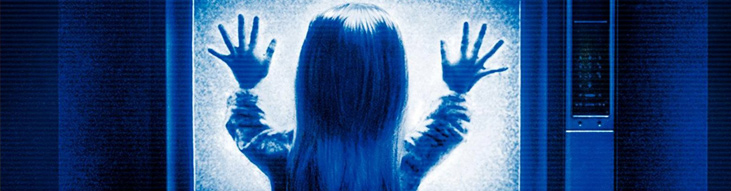
Look, we know that it’s the time of year when everyone and their sister has a list of the best horror movies of all time. This time out, we at Rotten Tomatoes decided to take a slightly different tack. Using our weighted formula, we compiled a list of the best-reviewed fright fests from each year since 1920 — the year The Cabinet of Dr. Caligari, which created the template for horror cinema, was released. This wasn’t an easy assignment — there were several years, like 1932 and 1960, that boasted a slate of classic films (and a few others, like 1937 and 1938, in which we had trouble finding any solid contenders). What was the best horror flick the year you were born? Check out our list — if you dare.
 96%
96%
 100%
100%
 97%
97%
 93%
93%
 91%
91%
 90%
90%
 91%
91%
 94%
94%
 100%
100%
 93%
93%
 67%
67%
 94%
94%
 98%
97%
98%
97%
 89%
89%
 98%
79%
98%
79%
 95%
95%
 79%
79%
 91%
91%
 92%
92%
 85%
85%
 100%
100%
 96%
96%
 95%
63%
95%
63%
 90%
90%
 96%
96%
 60%
60%
 87%
100%
87%
100%
 93%
93%
 93%
93%
 93%
93%
 97%
97%
 83%
83%
 95%
95%
 80%
80%
 97%
97%
 95%
95%
 97%
95%
97%
95%
 91%
91%
 96%
96%
 81%
81%
 100%
100%
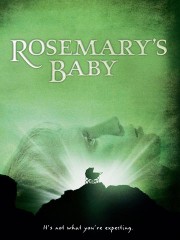 97%
97%
 86%
86%
 81%
81%
 88%
88%
 64%
64%
 93%
84%
93%
84%
 97%
97%
 94%
94%
 94%
94%
 93%
93%
 93%
84%
85%
93%
84%
85%
 88%
88%
 89%
89%
 94%
94%
 90%
90%
 94%
88%
94%
88%
 96%
96%
 88%
88%
 91%
91%
 95%
95%
 69%
89%
69%
89%
 88%
88%
 85%
85%
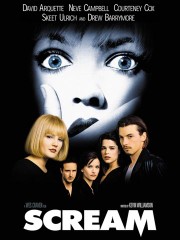 78%
78%
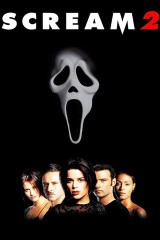 83%
98%
83%
98%
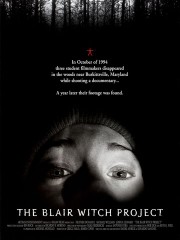 86%
86%
 82%
82%
 93%
72%
93%
72%
 87%
92%
87%
92%
 75%
87%
93%
75%
87%
93%
 98%
98%
 92%
89%
92%
89%
 91%
92%
91%
92%
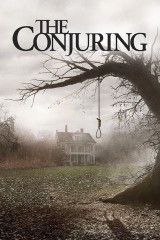 86%
98%
95%
91%
86%
98%
95%
91%
 98%
96%
98%
96%

Tobe Hooper, who shaped the face of modern horror with Texas Chainsaw Massacre and exploited bad TV signal feed in Poltergeist, has passed away at 74.
Hooper broke into the industry working on documentaries in the ’60s after upbringing and education in Austin, Texas. Cinema verite filmmaking was in style during the ’70s after William Friedkin won Best Picture for procedural The French Connection, so Hooper joined in the fun, using his documentary background to maximum effect with The Texas Chainsaw Massacre. Released in 1974 on a $300,000 budget, Chainsaw would become among the most profitable movies ever, as theaters – grindhouse, drive-ins, and mainstream alike – booked it to shock audiences with Hooper’s cool detached imagery that ratcheted up demented plausibility, pervasive tension, and implied violence.
Hooper was among the filmmakers of the 1970s ‘New Hollywood’ stable to take studio shelter after Heaven’s Gate marked the end of the era. Here Steven Spielberg got Hooper his biggest gig: directing 1982 face-peeler Poltergeist, a dark riposte to E.T.‘s bright vision of suburban life. Poltergeist penetrated pop culture (“They’re heeeeere”), but only after a famously curious production, with persistent evidence of Spielberg taking over much of directing. Both he and Hooper were highly diplomatic in addressing the topic, and the two would regardless work together again on Spielberg’s early 2000s TV series, Taken.
One to never stray far from the horror genre, Hooper toiled attempting the same kind of cultural impact in the shadow of Chainsaw and Poltergeist. He followed the latter with cosmic sex vampire romp Lifeforce, before softening up with a kid-oriented remake of Invaders From Mars, and returning for Texas Chainsaw Massacre 2, re-purposing the series as satire. And he found some success adapting Stephen King, most notably the Salem’s Lot miniseries in 1979. Post-1980s and inbetween movies, Hooper directed horror anthology episodes in shows like Tales From the Crypt, Night Visions, and Masters of Horror. His final release was 2013’s Djinn.
Hooper’s Fresh movies are Poltergeist, The Texas Chainsaw Massacre, Salem’s Lot, Body Bags, Lifeforce, and The Funhouse.
As the new IT trailer has been opening up new dimensions in clown terror across the Internet, we’re celebrating (?) the occasion with 17 more terrifying clowns from movie and TV history!
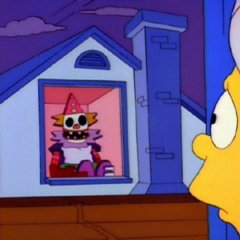
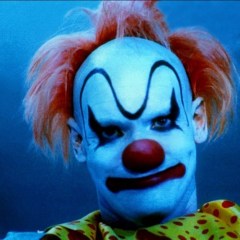
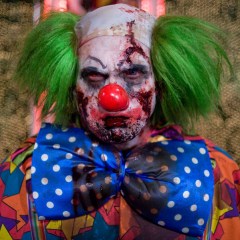
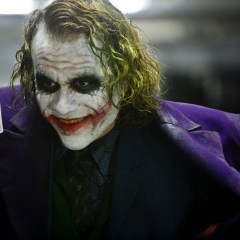
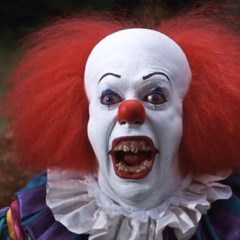
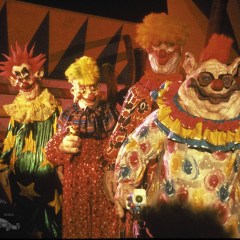
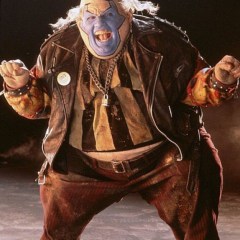
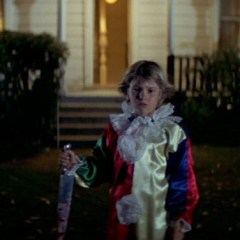
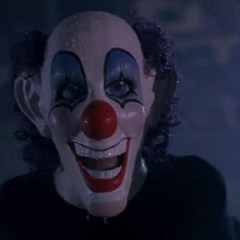
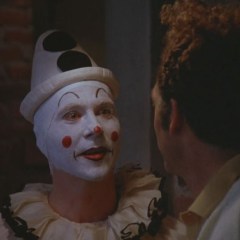
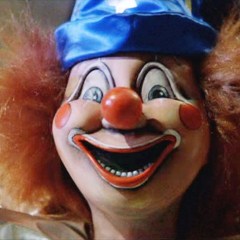
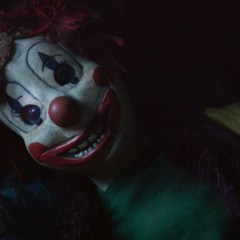
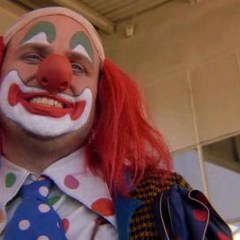
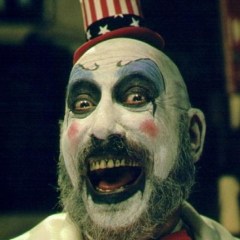
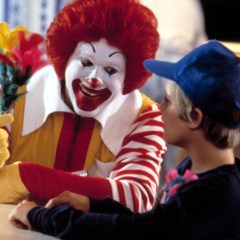
Rings is out in theaters this week, continuing the ghostly VHS story started by the first American Ring 15 years ago. Not a bad length for a horror franchise that started this century, but in this week’s gallery we look at 24 series that have been taking a stab at audiences for over two decades. Remember: If your franchise has gone over four movies without a Fresh rating, consult a script doctor.
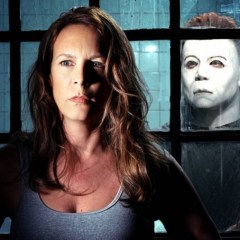

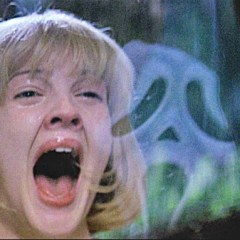
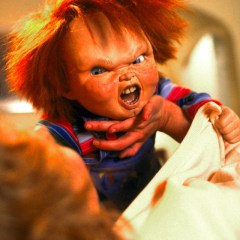
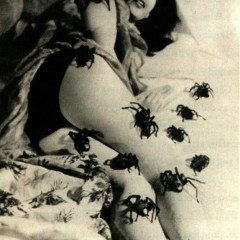
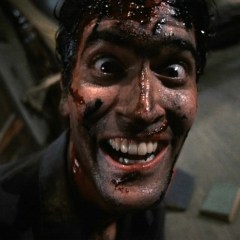
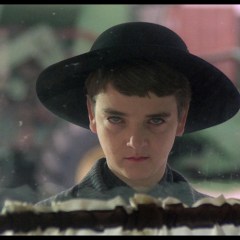
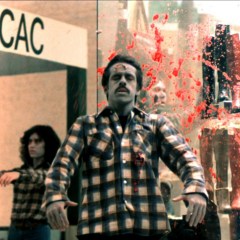
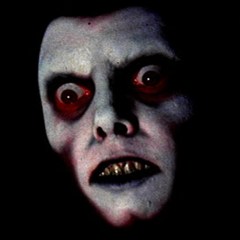
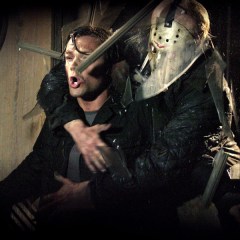
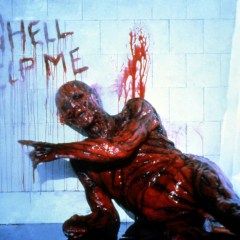
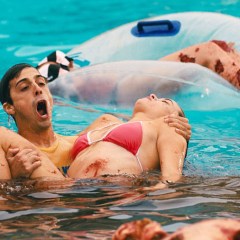
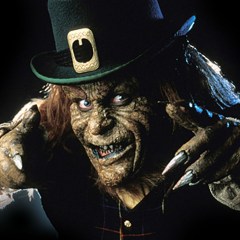
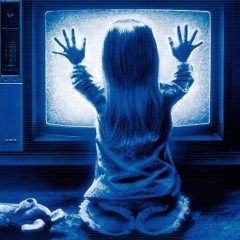
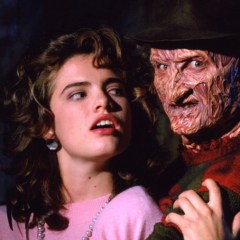
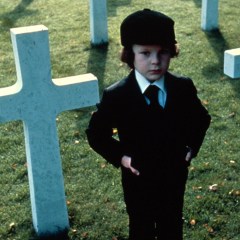
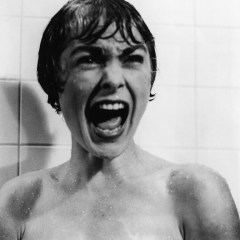
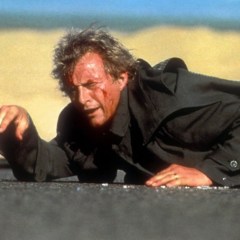

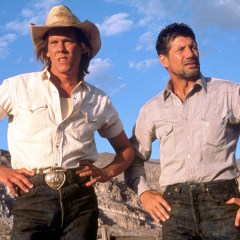
The 75 Best Horror Movies of All Time: So many movies, so many corpses and cups of red corn syrup… If you got the stomach for it, take a stroll down dismemberment lane with 24 iconic moments from horror history!
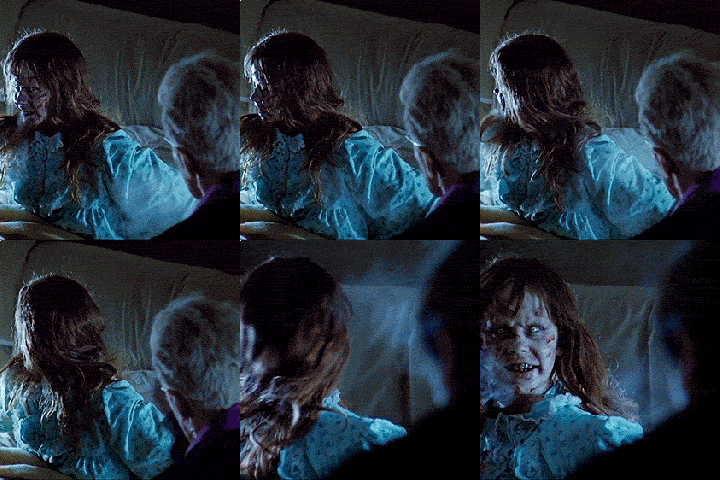
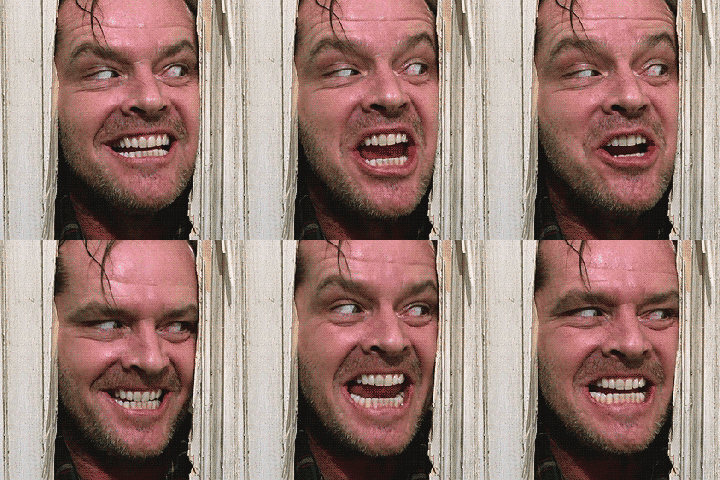

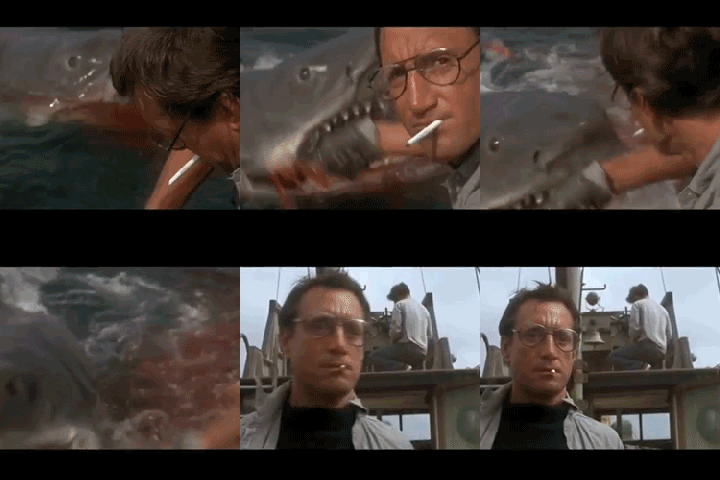

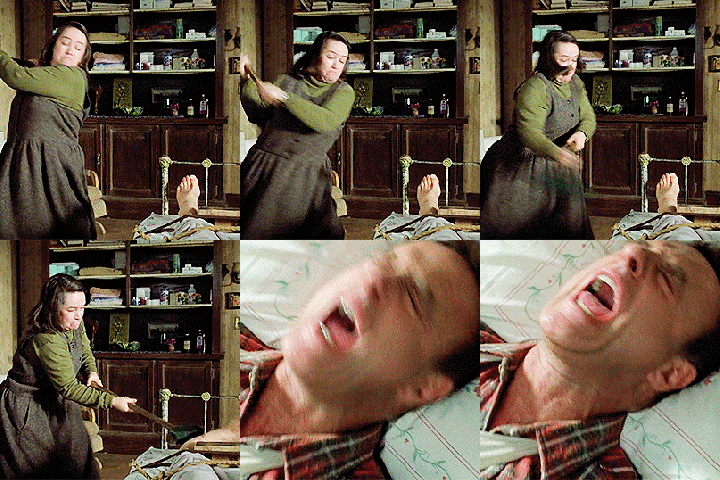
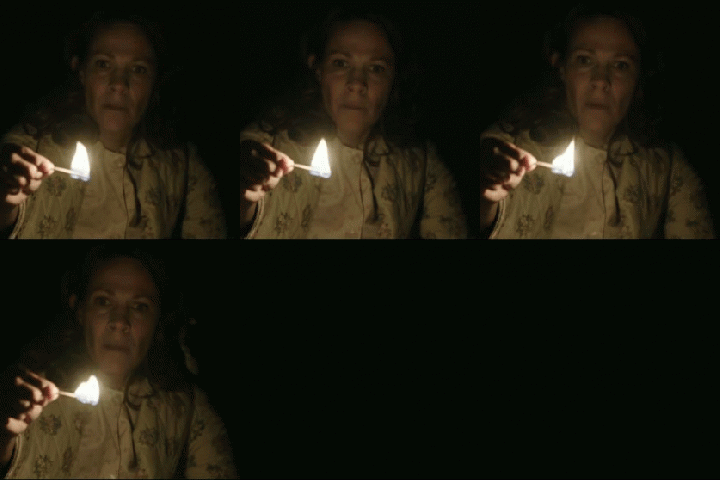
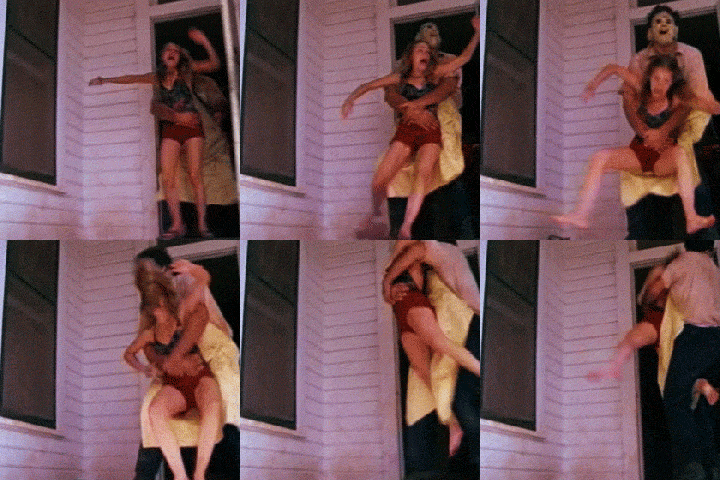
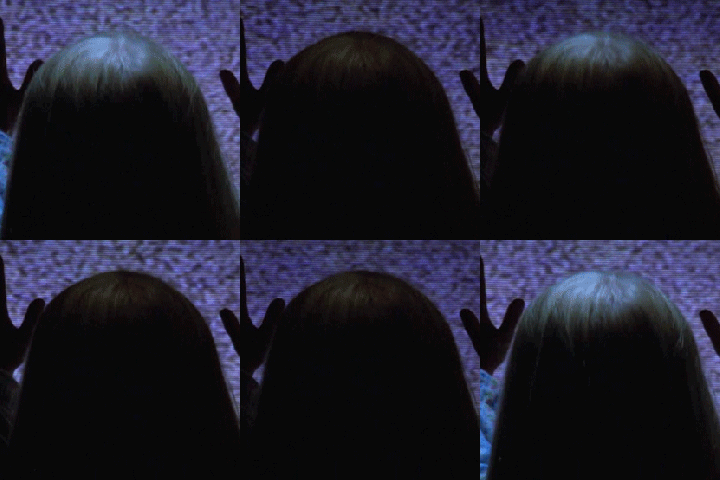
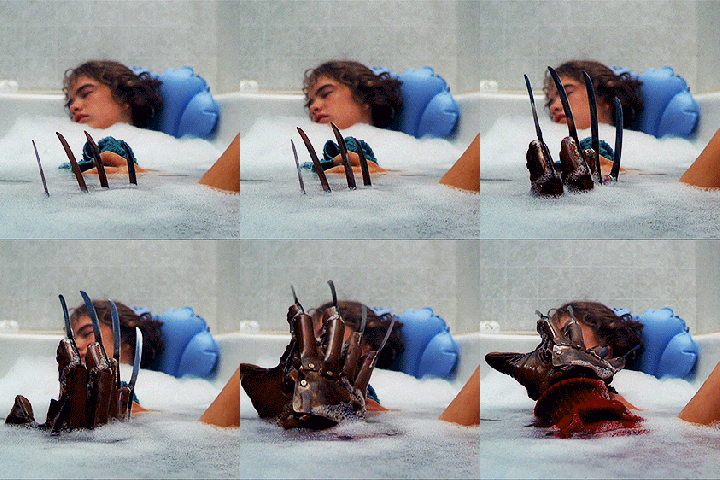
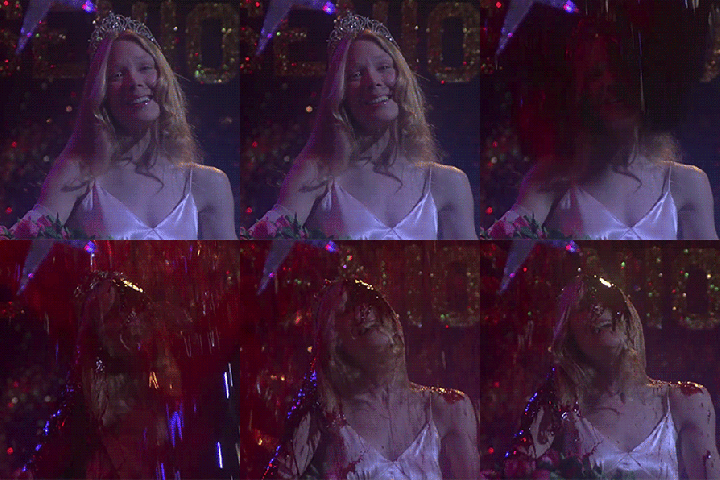
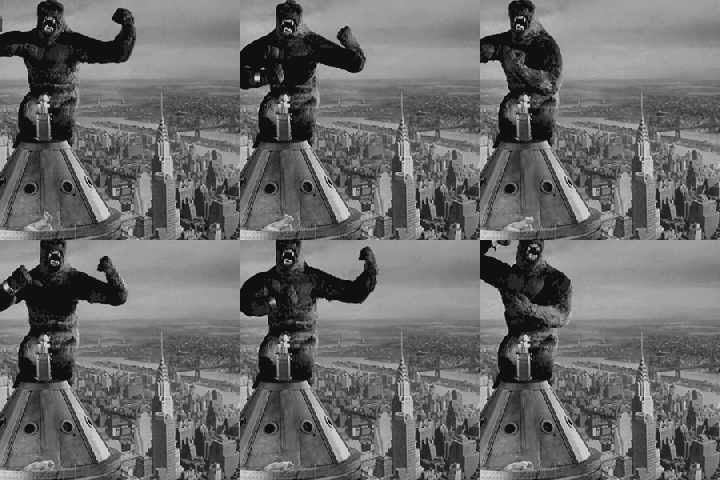
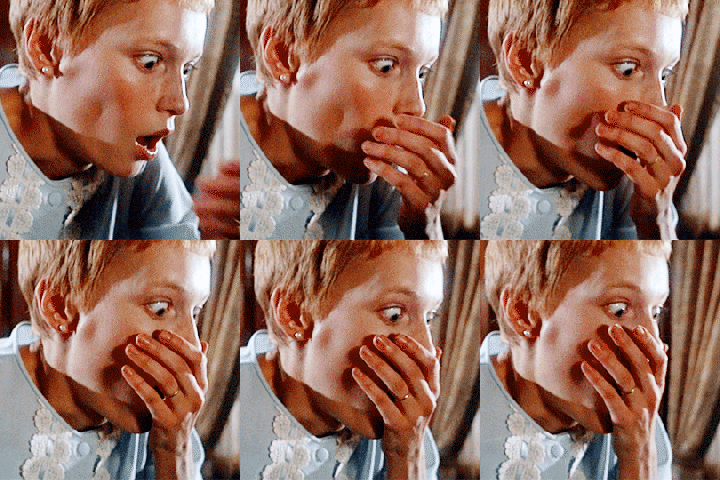
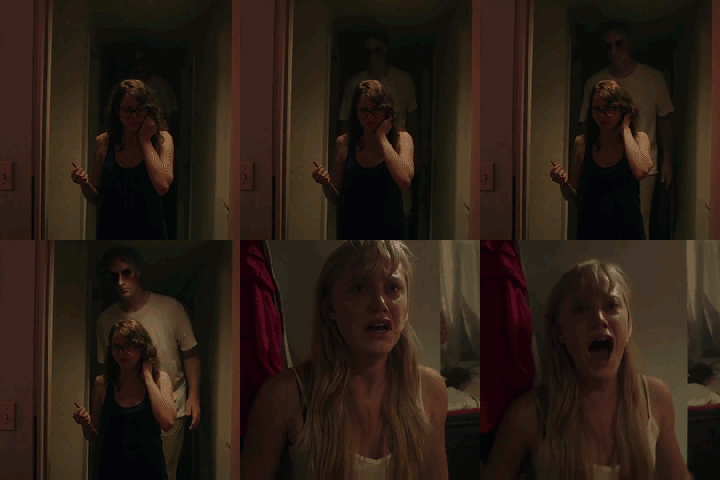
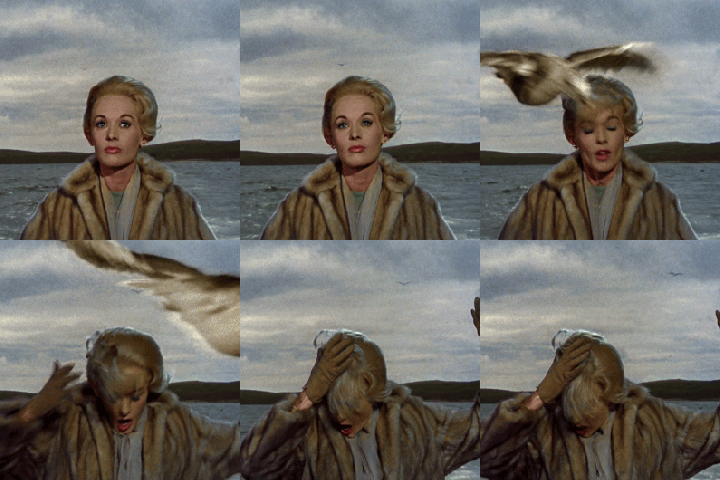

We here at RT went deep into the vault of horror franchises to tally up the victims of some of film and TV’s most deadly psycho killers. Take a peek at the results — if you dare!

Haunting Grounds: Bates Motel
Estimated Body Count: 20
Has there ever been a cinematic slasher more pitiable than Norman Bates? The poor guy is practically at war with himself, and his mom nags him from beyond the grave. Heck, every time he makes friends, they seem to end up dead. If Psycho exerted a profound influence on the slasher genre (and onscreen violence in general), it wasn’t because Norman was a particularly prolific killer. Alfred Hitchcock’s original (and the sequels) depicted a man in the clutches of inner torment and madness that was so gripping and scary that it didn’t need buckets of blood (or, in one memorable case, chocolate syrup) to be deeply unsettling. Nine deaths are attributed to Norman Bates (Freddie Highmore) on the five-season AMC prequel TV series Bates Motel. But, really, who can say for sure?

Haunting Grounds: The Jeepers Creepers series
Estimated Body Count: 20
When Harry Warren and Johnny Mercer wrote “Jeepers Creepers” in the late 1930s, they surely never guessed their snappy little pop ditty would go on to provide the theme song for a murderous winged creature who possesses a bee- and dog-like ability to smell fear, and who can regenerate body parts by ingesting those of his victims. And that’s not all — the Creeper can also overcome overwhelmingly negative reviews, too! Although critics kept 2001’s Jeepers Creepers from a Fresh certification, the Creeper was back just two years later with a sequel, and there was even talk of a third installment. Not bad for a bad guy who’s limited to a single 23-day feeding frenzy every 23 years, right?

Haunting Grounds: The Thing from Another World, The Thing, The Thing
Estimated Body Count: 20
Human beings have long wondered what otherworldy monstrosities might be lurking out in the far reaches of space, which helps to explain the enduring appeal of John W. Campbell’s 1938 short story, Who Goes There? It’s the tale of an Antarctic research team that unwittingly rescues a malevolent alien from an icy grave. The creature repays the favor by forcibly (and messily) assimilating every living being within reach, including 20 unlucky scientists and a handful of dogs. Campbell’s monster — referred to as the Thing — has provided rich fodder for filmmakers over the decades, inspiring 1951’s The Thing from Another World, John Carpenter’s 1982 cult classic The Thing, and, most recently, the 2011 prequel/reboot of the same name.

Haunting Grounds: The Jaws series
Estimated Body Count: ~21, if you count the whale in Jaws 2
Most of the slashers on our list are bona fide film icons, but few of them can boast of having changed the entire industry the way Peter Benchley’s great white shark did: Before Jaws‘ 1975 debut, studios actually held their big films out of the summer market, believing the vacation months to be a commercial graveyard. Almost $500 million (and lots of bloody ocean water) later, a franchise was born — and although the third and fourth installments aren’t good for much besides unintentional humor, the original remains a certified classic with a 98 percent Tomatometer rating. Granted, the kill count here takes into consideration the havoc wreaked by multiple great whites over the course of the franchise, but it merely illustrates what Benchley already knew: the ocean is scary enough even without a gigantic bloodthirsty shark chasing you around, so tossing one in the mix just ups the ante.

Haunting Grounds: The Texas Chainsaw Massacre series
Estimated Body Count: 30
The twisted true-life tale of grave robber Ed Gein has inspired many notable cinematic grotesques, from Norman Bates in Psycho to Buffalo Bill in The Silence of the Lambs. However, Tobe Hooper may have done the most to immortalize Gein in the annals of perverse pop culture by emphasizing his habit of making clothing out of human flesh. The Texas Chain Saw Massacre introduced Leatherface, a developmentally disabled fellow under the control of his cannibalistic family. Though he started out as a pretty timid guy who was as afraid of visitors as they were of him, Leatherface came out of his shell in the sequels and reboots, making up for lost time in liberally employing his Poulan 306A.
 Haunting Grounds: The Hellraiser series
Estimated Body Count: 35
By the late 1980s, the slasher genre was starting to feel a little stale — and then along came Pinhead, the sadomasochistic leader of the extradimensional pack of hooligans known as the Cenobites. The spike-headed hook fetishist wasn’t featured heavily in 1987’s Hellraiser, but Pinhead’s combination of creepy appearance, selective taste for victims, and clear fondness for gruesome torture stole the movie; throughout the eight-film series (four of which were released straight to DVD), Pinhead has remained the only constant, and for good reason: although his body count may be relatively low, no one else can match his prowess with a sharp, well-placed hook.
 Haunting Grounds: The Child’s Play series
Estimated Body Count: ~38
Chucky may have devolved into a pint-sized Tony Clifton at this point, but the original Child’s Play was a superior genre piece — creepy, suspenseful, and blessed with an insidious sense of humor. Child’s Play riffed on the idea of innocence gone horribly wrong, with a quasi-Cabbage Patch Kid embodied by a vicious serial killer thanks to a voodoo ritual. Subsequent sequels — the most recent of which, Curse of Chucky, just recently made its way onto home video — have delivered more camp than scares, but Chucky’s left a trail of more than 35 corpses in his wake — and probably didn’t enamor himself to Teddy Ruxpin.
 Haunting Grounds: The Nightmare on Elm Street series
Estimated Body Count: ~39
Arguably the most recognizable movie monster of the 1980s, Freddy Krueger may not be able to compete with other horror icons when it comes to killing in bulk. But the dermatologically-challenged Elm Street resident certainly wins points for style; in addition to his expert use of claw-tipped leather gloves, Freddy is adept at shape-shifting, strangulation, and generating geysers of blood from the bodies of future heartthrobs. Even accounting for the various forms Freddy has taken over the years in his efforts to turn the sweetest dreams dark and bloody, we’ve got his kill count somewhere in the vicinity of 39. That might be fewer than one might expect, but Mr. Krueger is an artiste who chooses his victims very specifically.
 Haunting Grounds: The Final Destination series
Estimated Body Count: 39
Remember the old margarine commercials that said you can’t fool Mother Nature? Well, according to the Final Destination series, you can’t cheat Fate, either. It’s often said that revenge is a dish best served cold — but for the unseen hand of Fate, it tastes even better when garnished with a series of incredibly brutal (and, it must be said, very morbidly entertaining) booby traps. The series’ unseen antagonist has dispatched 39 victims, using everything from the mundane (death by falling brick) to the cleverly rewind-worthy (shower cord strangulation, ladder through the eye, death by falling cherry picker). By the time we surpassed The Final Destination and got Final Destination 5, the series was clearly aware of its silly appeal, and each creatively choreographed death was equally as hilarious as it was cringeworthy.
 Haunting Grounds: The Scream franchise, Scream (TV series)
Estimated Body Count: 49
One of the rare slasher antagonists who’s a killer by committee, the Scream series’ Ghostface is played by a revolving door of mask-donning, knife-wielding psychopaths. Their motives are different (peer pressure, revenge, etc.), but the results are the same, no matter who wears the Edward Munch-inspired getup: teenagers will turn up dead, following the conventions of horror movies. And, as with other horror franchises, the body count increases with each sequel. Adding to the mayhem was the first season of MTV’s Scream, which aired this summer. All in all, this council of killers is responsible for at least 49 slayings.
 Haunting Grounds: The Leprechaun series
Estimated Body Count: 50
The Leprechaun series is the embodiment of the finest that Irish culture and letters has to offer, easily surpassing the works of James Joyce and Oscar Wilde. The titular antihero is murderously committed to acquiring a pot o’ gold, an undertaking that prompts travel to such exotic locales as Las Vegas, Compton, and outer space. Despite his diminutive stature, the Leprechaun’s super-sharp claws and teeth have helped him tally 50 onscreen fatalities, including a very young Jennifer Aniston, who made her big screen debut in the first film.
 Haunting Grounds: The Saw series
Estimated Body Count: 60
John Kramer was first christened “Jigsaw” by detectives who discovered the serial killer’s calling card was a puzzle piece-shaped hunk of flesh carved from the corpses of his victims. The name stuck as the cops closed in on Kramer and realized his elaborate, irony-laden traps were designed to punish those he deemed guilty of criminal acts or taking life for granted (he must have been a fan of Se7en). More characters and plot twists (Jigsaw doesn’t work alone! Something about cancer!) were introduced as the series wore on, and Saw evolved into a labyrinthine annual soap opera drenched in blood and agony. A Grand Guignol for our times.

Haunting Grounds: Manhunter, The Silence of the Lambs, Red Dragon, Hannibal, Hannibal Rising, Hannibal (TV)
Estimated Body Count: 98
Before 1991, you may not have even known what fava beans were — but after Anthony Hopkins’ first appearance as Doctor Hannibal “The Cannibal” Lecter in The Silence of the Lambs, nobody ever thought of them the same way again. Like Jason Voorhees, Lecter doesn’t appear in much of the famous reboot — he’s only in a little over 15 minutes of Lambs — but it was the first time we actually witnessed the good doctor rack up a few kills on screen (both Manhunter and its remake Red Dragon only imply Lecter’s murdered some folks), and audiences had a clear, um, appetite for the flesh-craving serial killer’s brand of mayhem: he’s gone on to appear in a number of other books and movies. Although we just saw the end of Hannibal‘s three-season run on NBC, series creator Bryan Fuller insists we haven’t seen the last of Lecter just yet.

Haunting Grounds: The Halloween series, minus Season of the Witch
Estimated Body Count: ~107
The best-known escapee of Smith’s Grove Sanitarium, Michael Myers has never been a big fan of babysitters, nor is he particularly fleet of foot. He digs Blue Oyster Cult, and makes special use of Star Trek paraphernalia and kitchen cutlery. Since the release of John Carpenter’s landmark Halloween, Myers’ legend has been told in a number of sequels, and if his reasons for killing are obscure, he’s still coldly efficient at the task; he’s racked up a whopping 100-plus notches on his belt.

Haunting Grounds: The Invisible Man (1933)
Estimated Body Count: 123
We were shocked (shocked!) to discover that killers with high body counts could even be found in Old Hollywood fare. Based on the H.G. Wells 1897 novel, James Whale’s pre-code horror film featured Claude Rains (Casablanca) in his American film debut as the titular villain, also known as Dr. Jack Griffin. Hiding away in a snowy village, Griffin experiments on himself while working on a drug called “monocane,” which he believes is the secret to invisibility. Although he does succeed in turning himself invisible, he also becomes a crazed murderer. Killing those who get in his way, and a train full of people just for kicks, Griffin eventually causes the death of 123 people – including himself.
 Haunting Grounds: The Friday the 13th series
Estimated Body Count: 146
Rocking facial protection that would do Jacques Plante proud, Jason Voorhees terrorized Camp Crystal Lake with cold precision (and an ability to cheat death that Rasputin would envy) in Friday the 13th. Occasionally, he breaks out of the bucolic confines of the countryside to wreak havoc in the big city (Part VIII: Jason Takes Manhattan), Hades (Jason Goes to Hell: The Final Friday), and the future (Jason X). According to our research, Jason has put a whopping 146 unfortunate souls on ice. Pretty impressive for a cat who drowned in 1958.
En español: Read this article in Spanish at Tomatazos.com.
Human sacrifice, dogs and cats living together, girls in tan speedsuits! Mass hysteria has gripped the nation since the hyperventilating presence of a femme Ghostbusters swooped in with a trailer, becoming the most disliked in YouTube history. Would a Mannequin remake cause the same tribulation? Only time will tell.
For now, as the Ghostbusters franchise crosses the mainstream once again, we look at 24 more ’80s movie remakes, ranked worst to best by Tomatometer! (Only original properties included — no Annie or Conan — while movies like 2011’s The Thing, which explicitly extend the original plot, are excluded.)
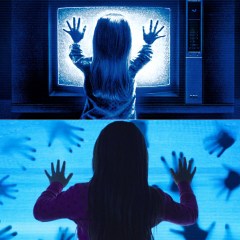
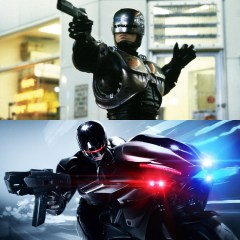
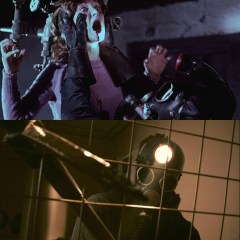
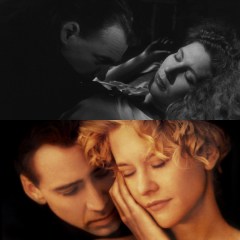
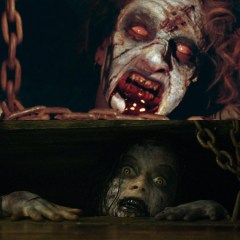
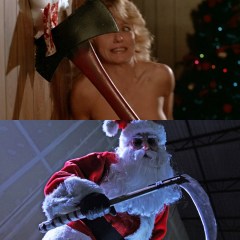

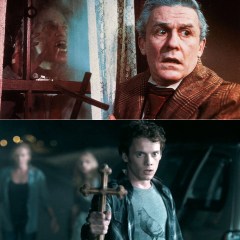
Why did they make God’s Not Dead 2? The divine hand of the free market christened the original God’s Not Dead with a $60 million box office tally, and against its $2 million budget, that makes it one of the most profitable movies ever in these United States. So, sweet Jesus, of course they would make a sequel! And that inspires this week’s gallery: the 24 most profitable low-budget (under $5 million) movies ever (in America)!