(Photo by Warner Bros. /Courtesy Everett Collection)
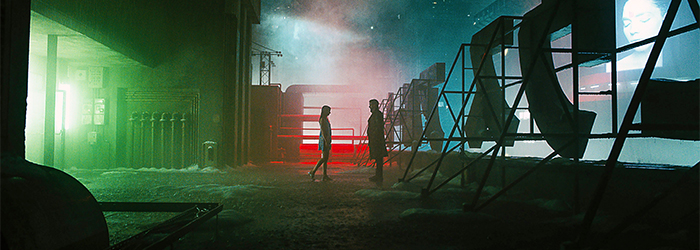
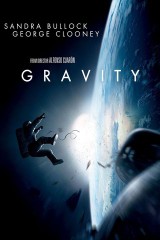
Movies are first and foremost a visual medium, and on-set cinematographers are responsible for setting up the angles, the lighting, and the look of what’s being captured on camera. In other words, cinematography is about how we see movies. Take a look at the movies and filmmakers that have won the Academy Award for Best Cinematography over the past 25 years and big scenes and moments immediately fill the mind’s eye: Saving Private Ryan’s desaturated, dirt-and-blood-on-the-lenses look put you in the middle of the chaos on Omaha Beach. Andrew Lesine brought the high fantasy of Tolkien to earthy life in The Fellowship of the Ring. You can’t separate the overwhelming rain-drenched appearance in Road to Perdition from the movie’s plot, thanks to Conrad Hall, who won the Oscar posthumously. Like a magician, Emmanuel Lubezki won three in a row for pulling off three wildly different assignments: Gravity, Birdman, and The Revenant. Roger Deakins was nominated 13 times before finally winning one for Blade Runner 2049′s sci-fi vistas and memorable triple-layered love scene, and then winning again for matching all the complicated sequences in 1917 to help achieve the appearance of one continuous shot.
The Best Cinematography award has been a thing for as long as the Oscars have been around, with Sunrise taking home inaugural gold in 1927. By 1940, the award had permanently split in two: One for Black-and-White, and the other for films in Color, with Gone with the Wind being the first to win the latter. 1966 was the final time the Academy made that distinction, though black-and-white movies have won since, like Schindler’s List in 1994, Roma in 2019, and Mank in 2021.
And now, we’re ranking all Best Cinematography Oscar-winning movie by Tomatometer! —Alex Vo
 100%
100%
 100%
100%
 100%
100%
 100%
100%
 100%
100%
 100%
100%
 100%
100%
 100%
100%
 99%
99%
 98%
99%
98%
98%
99%
98%
 91%
91%
 98%
98%
 98%
98%
 97%
96%
97%
96%
 96%
96%
 96%
96%
 95%
95%
 94%
94%
 96%
96%
 95%
95%
 93%
93%
 96%
96%
 95%
95%
 95%
93%
95%
93%
 94%
91%
94%
91%
 93%
93%
 96%
96%
 92%
92%
 88%
88%
 93%
94%
92%
93%
94%
92%
 93%
93%
 95%
95%
 92%
92%
 91%
91%
 92%
92%
 94%
94%
 94%
94%
 90%
90%
 92%
92%
 92%
91%
92%
91%
 92%
92%
 91%
91%
 91%
91%
 92%
90%
92%
90%
 90%
90%
 82%
82%
 86%
86%
 89%
89%
 93%
93%
 89%
88%
88%
89%
88%
88%
 88%
88%
 78%
78%
 91%
91%
 87%
87%
 89%
89%
 87%
88%
87%
87%
88%
87%
 90%
90%
 83%
83%
 86%
86%
 86%
86%
 86%
86%
 87%
87%
 85%
85%
 85%
85%
 89%
89%
 86%
83%
86%
83%
 82%
82%
 89%
89%
 79%
79%
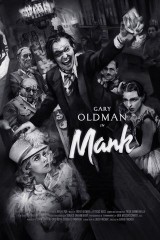 83%
83%
 87%
87%
 81%
81%
 86%
86%
 81%
81%
 86%
86%
 83%
81%
83%
81%
 83%
83%
 82%
82%
 85%
85%
 81%
81%
 80%
80%
 81%
81%
 80%
80%
 78%
78%
 76%
76%
 81%
81%
 79%
79%
 78%
78%
 63%
63%
 72%
72%
 69%
69%
 63%
63%
 67%
67%
 67%
67%
 62%
62%
 56%
56%
 60%
60%
 61%
61%
 47%
47%
 36%
36%
 35%
35%
 18%
18%
 - -
- -
 - -
- -
 - -
- -
 - -
- -

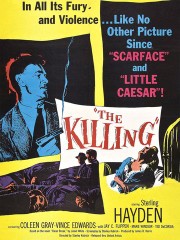
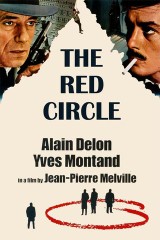
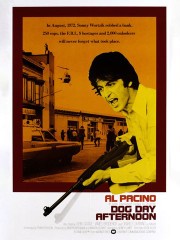
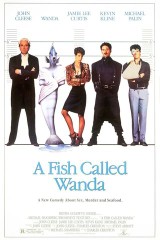
Crooks. Thieves. Liars. And these are the ones we’re rooting for. In the heist and caper films, we see the hero hatching a plan, putting together a crew, and then pulling off the job, usually in order to turn the screws against an institution or person that’s wronged them — or maybe just for the thrill of sticking up banks. Either way, we put together a list of the 78 best-reviewed heist movies of all time for you to look over, each with at least 20 reviews and sorted by ranking formula, which factors how long ago a movie was released and how many critics reviews it got overall. Just don’t get caught! —Alex Vo
59%
 64%
64%
 64%
64%
 65%
65%
 64%
67%
64%
67%
 66%
66%
66%
66%
 67%
68%
68%
67%
67%
68%
68%
67%
 67%
67%
 68%
68%
 68%
68%
68%
68%
 69%
69%
 70%
69%
70%
69%
 71%
71%
 69%
71%
73%
69%
71%
73%
 70%
70%
 79%
79%
 74%
74%
 72%
79%
72%
79%
 74%
74%
 75%
76%
75%
76%
 77%
77%
 77%
77%
 79%
79%
 80%
80%
 79%
79%
 82%
82%
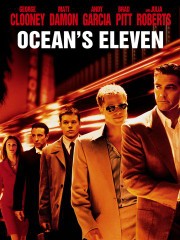 83%
83%
84%
83%
83%
84%
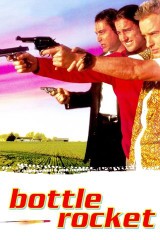 86%
86%
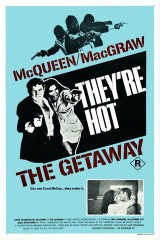 84%
86%
84%
86%
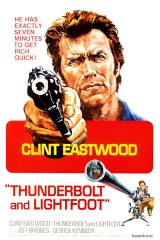 89%
84%
89%
84%
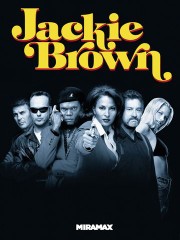 88%
88%
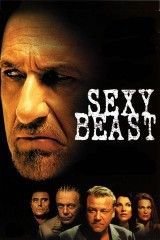 87%
87%
 87%
87%
91%
87%
87%
91%
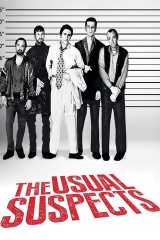 87%
88%
87%
88%
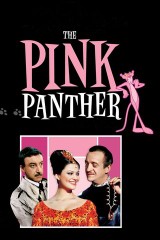 89%
89%
89%
89%
 89%
89%
 95%
95%
 91%
90%
91%
90%
 91%
91%
91%
91%
 92%
92%
 92%
92%
 90%
90%
 92%
92%
92%
92%
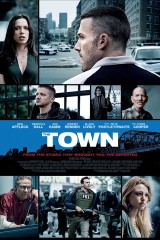 92%
92%
92%
94%
93%
93%
92%
92%
92%
94%
93%
93%
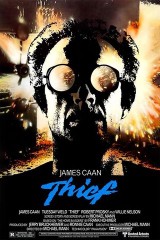 80%
94%
93%
80%
94%
93%
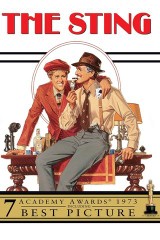 93%
93%
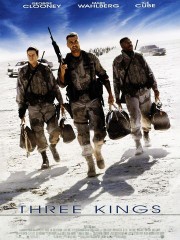 94%
94%
94%
94%
 96%
96%
 96%
96%
 96%
96%
 96%
97%
96%
97%
 97%
97%
 98%
98%
 98%
98%
 100%
100%
 100%
100%
 98%
98%

Welcome to Rotten Tomatoes’ list of the 100 best-reviewed Western movies of all time, sorted by Adjusted Tomatometer with at least 20 reviews for each selection. Additionally, we picked only classical period films, so you get outta here with that Best Picture-winning neo-Western nonsense! Now, it’s time to put on your best pa-avenging chaps, slide a bad hombre down the saloon bar top, and ride on to see how the West was Fresh! —Alex Vo
 69%
69%
 72%
72%
 75%
64%
75%
64%
 69%
69%
 75%
75%
 73%
73%
 76%
78%
76%
78%
 78%
79%
78%
79%
 79%
79%
 79%
71%
79%
71%
 77%
77%
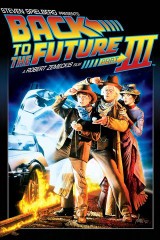 79%
76%
82%
81%
79%
76%
82%
81%
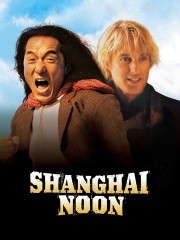 80%
80%
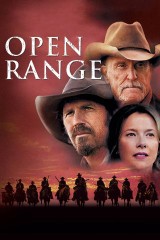 79%
79%
 80%
80%
 80%
80%
86%
80%
80%
86%
 81%
81%
 60%
60%
 74%
74%
 88%
87%
88%
87%
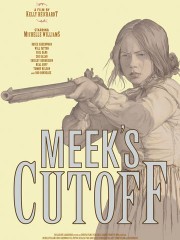 86%
86%
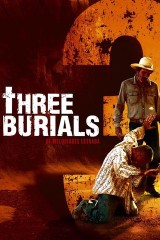 84%
84%
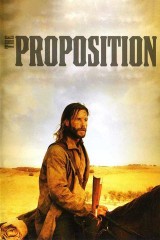 86%
86%
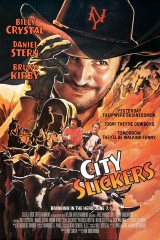 87%
86%
87%
86%
 84%
84%
 81%
81%
 83%
83%
 85%
85%
 91%
91%
 89%
78%
92%
89%
78%
92%
 91%
91%
 91%
91%
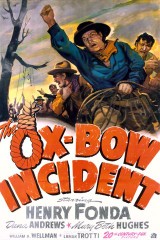 92%
92%
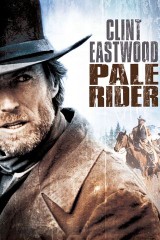 94%
94%
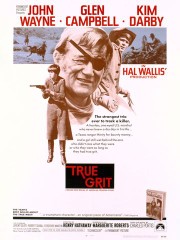 87%
87%
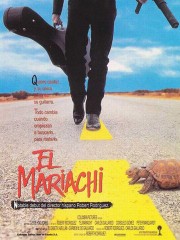 91%
91%
 90%
90%
 88%
88%
 92%
89%
87%
92%
89%
87%
 91%
89%
91%
89%
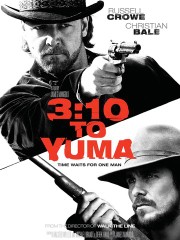 89%
92%
93%
89%
92%
93%
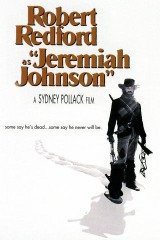 91%
93%
91%
93%
 95%
95%
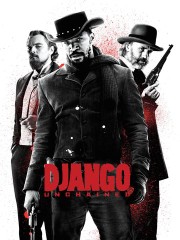 87%
92%
87%
92%
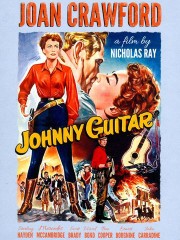 94%
94%
 94%
87%
94%
87%
 98%
98%
 96%
96%
 91%
96%
91%
96%
 94%
94%
 97%
91%
89%
97%
91%
89%
 97%
97%
 86%
86%
 97%
97%
 100%
97%
100%
97%
 96%
96%
 96%
96%
 100%
100%
 100%
97%
100%
97%
 98%
98%
 93%
93%
 100%
100%
 100%
100%
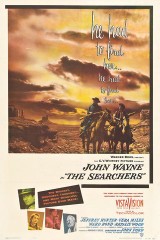 87%
87%
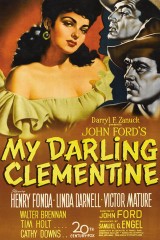 100%
100%
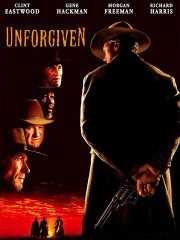 96%
96%
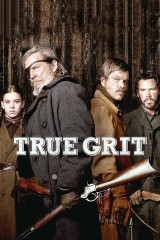 95%
97%
95%
97%
 96%
96%
 100%
100%
 94%
94%
 100%
100%
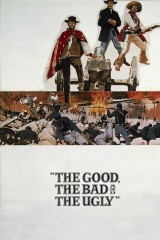 97%
97%
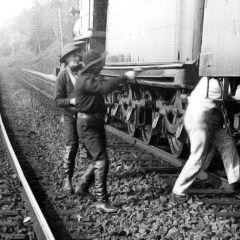
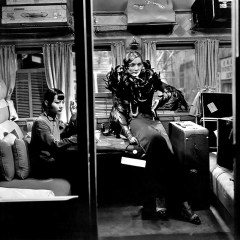
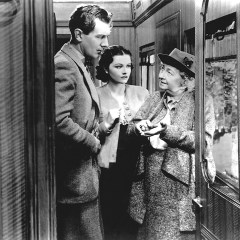
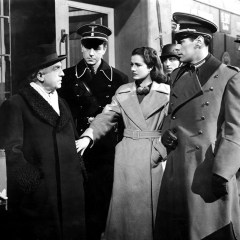
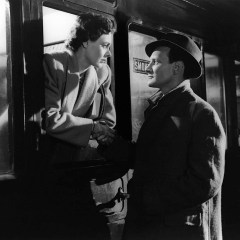
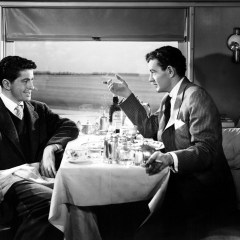
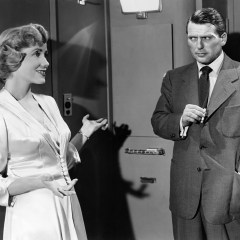
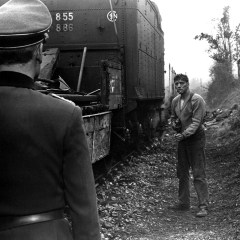
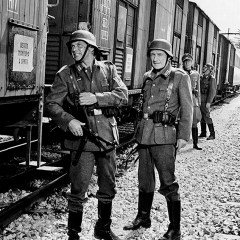
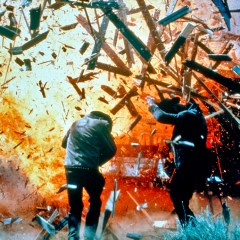
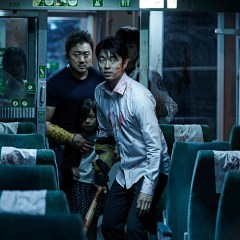
This week, Kenneth Branagh brings his interpretation of Agatha Christie’s distinguished detective Hercule Poirot to theaters in Murder on the Orient Express, a stylish period mystery set aboard a passenger train. But Hollywood has a rich history of telling stories on and about trains, almost from the very beginning, so we thought it would make sense to take a look back at the best train movies to grace the silver screen.

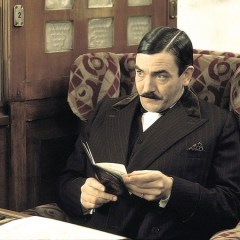
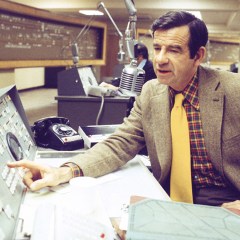
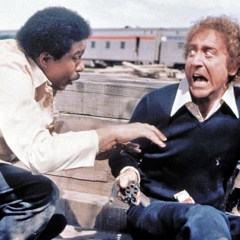
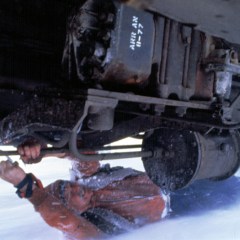


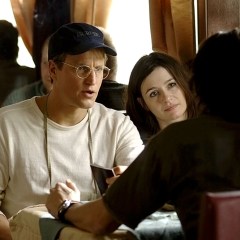

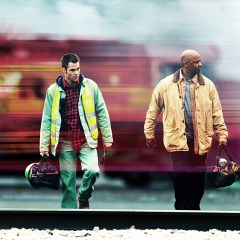
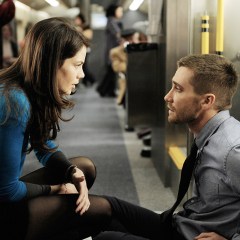
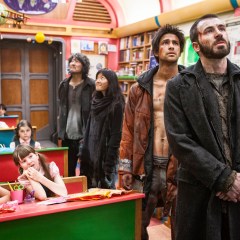
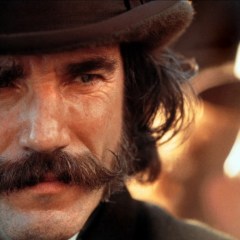
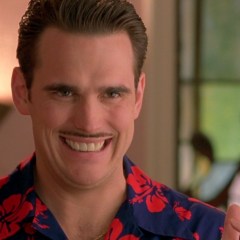
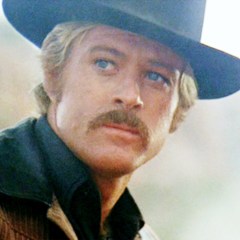
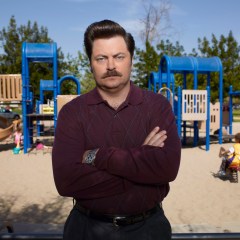
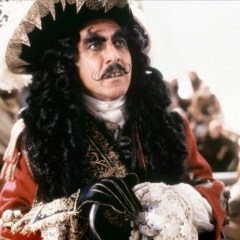
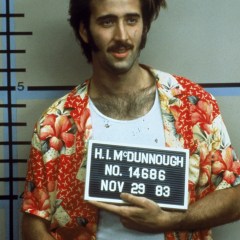
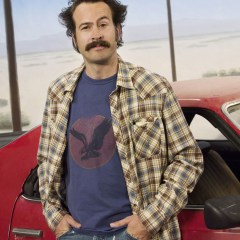
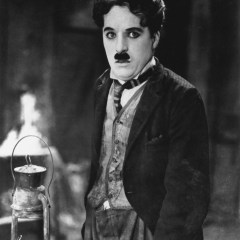
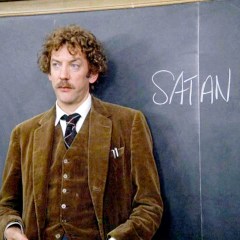
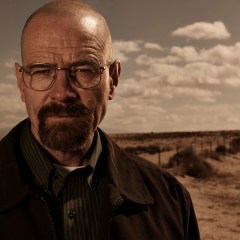
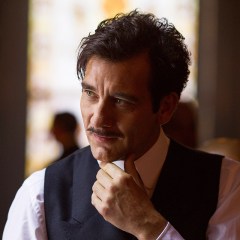
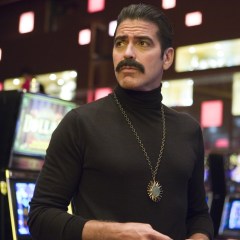
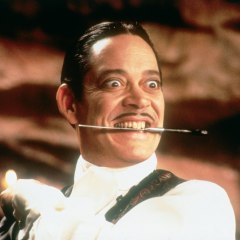
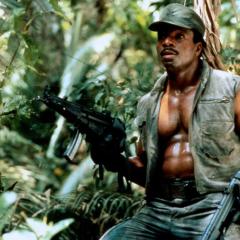
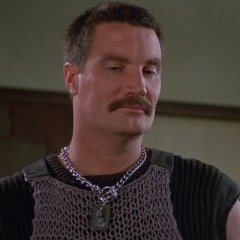
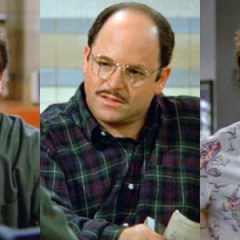
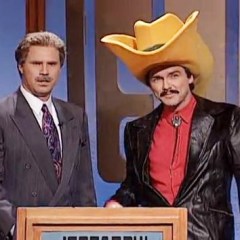
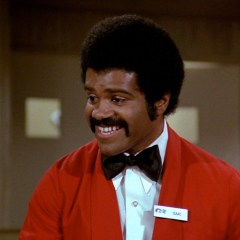
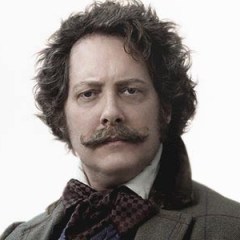
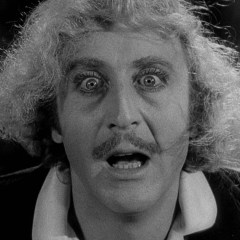
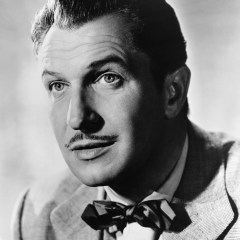
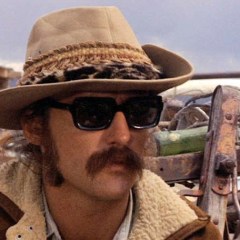
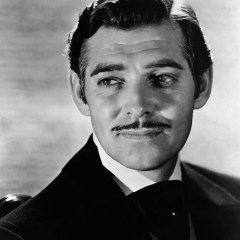
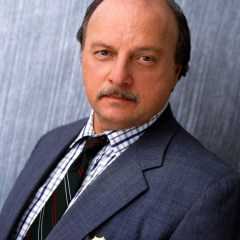
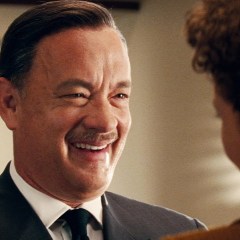
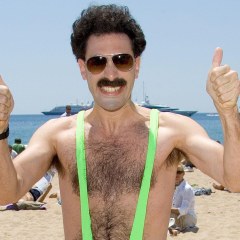
For the entire month of November, dudes everywhere get a free “get out of social jail” card to grow mustaches however they please. We call it “Movember.” So guys, let your upper lip hair prickle forth in order to raise awareness of men’s health issues and… stick it to shaving cream lobbyists in Washington? Anyways, here’s our photo gallery of at least 30 mustaches for 30 days of Movember 2016.





(Photo by Getty Images / Grant Lamos IV / Stringer)
Chris Columbus‘ 1980s output helped shape a generation of young film fans with hits like Gremlins, The Goonies, and Adventures in Babysitting — and he’s further solidified his legacy in the decades since, directing more massive hits (including Home Alone, Mrs. Doubtfire, and films in the Harry Potter franchise) while building an impressive production portfolio with releases like The Help, Night at the Museum, The Witch, and this weekend’s The Young Messiah.
Columbus took time out of his busy schedule to talk with Rotten Tomatoes about the movies that have defined his personal love affair with cinema and informed his own ever-expanding filmography. Check it out here — and leave a little room for The Godfather, which he purposely didn’t mention because it’s such a widespread favorite.
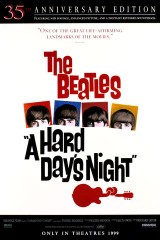
These are all films vying for my favorite film. The thing I love about all the films I chose for the list is that they still feel extraordinarily fresh, as if they were made yesterday. There’s a timeless quality to them and a vibrancy and an energy to all of them, but particularly A Hard Day’s Night really struck me, being a huge fan of rock and roll. It’s a film that really defies any sort of — it’s difficult to put it into a specific genre — it’s a rock and roll film, right? It’s also sort of like a documentary of the early years of Beatlemania, and it’s also comedically like a Marx Brothers film. I just love the combination of all of those things, which give it an intense vibrancy and charm. Also these are five films that I watch at least once a year. I always come back to them and the Criterion collection just restored [Hard Day’s Night]. It was a marvel to see it restored and how beautiful a movie it is.
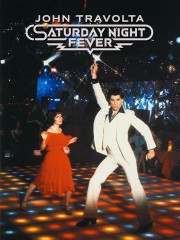
Moving to New York from Ohio in 1976, it was an opportunity for me to just basically gorge myself on films that I had never had an opportunity to see before. There were so many theaters, so many repertory theaters showing films. You could see three films for a dollar, you could see prints of these movies, and I was watching a lot of films. In 1977, Saturday Night Fever came out, and it was the first time I remember seeing a film twice. Sitting there and watching it once and sitting there and watching it again. Another musical choice, but different than A Hard Day’s Night because it felt like it really captured what was going on — at least what I felt was going on in New York at that particular time. Travolta’s performance in that film is one of the top ten performances I think I’ve seen in film in my entire life: very real portrayal of a character, the relationships all feel very authentic and real, and it’s got an energy and an emotional intensity that really stuck with me. Sticks with me all these years later. I always wanted to see someone do a sequel to it — not the sequel that exists, not Staying Alive, but the sequel that felt like — it would be interesting if someone would go back to do a Creed sort of version of where those characters are now.
I actually own a print of this. It’s one of those movies that was pivotal [for] me. I remember it screened in 16mm at my high school. The emotional power of that movie — it’s the first time I ever felt such intense emotion watching a film. I wasn’t that well-versed in film in high school, but I knew I was being hit by something incredibly powerful. What really struck me was Marlon Brando’s performance. And I know that’s easy to say, but that’s why I never get tired of watching the film, and why I really wanted to own a print because there’s a level of acting there that went beyond anything I had seen before. And it still ranks as maybe the best performance I’ve ever seen on film. I find it fascinating every time I watch it. Plus he’s surrounded by a brilliant cast and also the location — the way the film was shot on location — at that time, it had never been done before. All of that adds to the fact that I have a pretty lousy print of the movie but that’s what’s fun about it — it even feels more real. And then Criterion — to be completely geeked out — released it again last year, and I didn’t know it was shot in three different formats. Television was becoming popular at the time so they didn’t know if they would go widescreen with it, 1:85, or the typical way I think it was released, which I think is 1:66, but it’s fascinating to look at those versions as well. This is one of the greats.
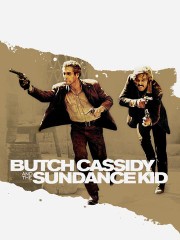
Godfather and Blazing Saddles got me into falling in love with film, but this is a pivotal movie that was probably — I think it was 1969 — prior to that I had been to the movies a few times and seen some hideous movies like Santa Claus Conquers the Martians and that sort of thing, and The Jungle Book. I went with my cousin to see Butch Cassidy. It was an amazing mixture of what I thought was sort of a poignant character study and a comedy. What’s amazing about the movie — and the reason I watch it time and time again — I had never seen such chemistry between two actors. Newman and Redford were just incredible together, and those sequences in the movie were some of the funniest sequences I’ve ever seen. So they taught me how to stage comedy a little bit, yet at the same time, it had serious undertones. It was beautifully directed and shot, and you watch it today, and it feels like it was made last week.
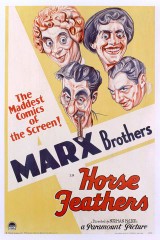
I watch this with my family a lot. All of the Marx Brothers movies have been very popular in the Columbus household for the last 20 years or so. I was a bit of a dictator making my kids watch these movies. They grew up with them because kids are really reluctant to watch black-and-white films. Our family loved the Marx Brothers films, and for some reason the one that we always went back to, and the one that we were obsessed with, was Horse Feathers. It’s 1932, so that’s going back a long way. Yet at the same time I would show that movie to my kids who were seven and five and three, and they were mesmerized. I learned a lot about comedy and breaking the rules in that movie — in terms of comedy — which extended to seeing movies like Blazing Saddles and Young Frankenstein and Annie Hall to a certain extent. The Marx Brothers started it all, and it’s smart comedy. The funny thing about the movie is, there are scenes that, still for me and my family, are falling down funny. So they can watch that movie and take away from it — maybe laugh a little harder than they do at some of the more modern comedies. That movie — and there’s like five or six Marx Brothers movies — is just a wonderful sort of family experience and that’s why it’s on the list.
The Young Messiah is now open in wide release.

(Photo by Getty Images / Valerie Macon)
Cloris Leachman has been a household name since she won the Best Supporting Actress Oscar for The Last Picture Show in 1971. Between that film and her latest, This is Happening (now available on VOD), Leachman has entertained us with some of our favorite comedy performances of all time in movies (some of which are discussed below) and TV shows like The Mary Tyler Moore Show, its spinoff Phyllis, and The Facts of Life.
With such a variety of illustrious films in her pocket, here at Rotten Tomatoes, we got to ask her about some of her favorite film experiences throughout her career. Here is the list, with some very funny anecdotes to boot!
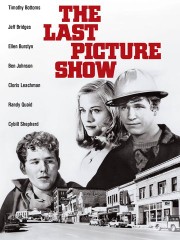
It was just the oddest time of my life. We were in Texas in some godforsaken little city, little town. We never stopped using the accent no matter what we said. We were just wrapped up in it. Ellen Burstyn and I would hang out together. We’d talk about our horrible situations, relationships, our marriages. We were both going through divorce. We never stopped talking in the accent.
RT: Even while you were talking about the personal stuff?
Yeah. And the last scene that we did. That was almost taken out of the film. We were [running] long and had to cut about five minutes and the producer suggested that we cut my scene, the last scene. [The director] said no and he kept it in. That’s all we know.
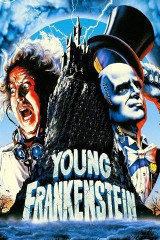
Oh, Gene [Wilder]. Gene would laugh every time I said anything. He was just helpless [laughing].
RT: It must have been a lot of fun on that set.
It was serious though. Except for Gene [laughing]. The minute I would say my line, I know he was laughing. I could just feel it. I’d look back and his face was in two pieces. We had plenty of takes for that.
RT: Did that make you laugh as well?
Make me laugh? Well by the 15th take, I was getting pretty frustrated [laughing].
RT: It’s hard to be that funny, that brilliant, right?
Mel [Brooks] gave me one line reading in the whole script and that was the first time that Gene had started laughing. We had just met outside. We were coming up the stairs now inside, and I said, “[in German accent] Stay close to ze candles; ze staircase can be treacherous.” That’s how I did it, but Gene would laugh no matter what I did. And Mel said — by the 15th take, he came up to me and said, “Stay close to ze candles; ze staircase caaan be treacherous.” It makes me laugh. Very serious, though, all of this, except [Gene] laughing. We were making a picture, we had to get things done, you know?
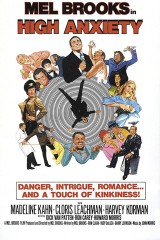
When Harvey Korman’s coming downstairs, before the line [about fruit cups], he shifts his cuffs and he’s very, you know, breezy — very on top of his game, whatever you want to say — he was sure he was gonna have that fruit cup.
[Regarding how she got the mustache in High Anxiety:] I had been made up and I was sitting in my trailer waiting to be called and just doing nothing so I had a little black pencil. Just not even thinking about it, I put on a mustache, and all of a sudden, I got a knock on the door: “Okay, time. Come to set.” So I tore down there and Mel was there and I said, “How do you want me to play this part?” He said, “I’ll leave it to you.” I said, “Well, I did this already in Young Frankenstein.” He said, “Oh well, what do you want to do?” I said, “Well, I don’t know. I feel like in High Anxiety that I don’t want anyone to know me so I thought I’d just talk funny.” We went to the wardrobe department and they put this costume on that fit perfectly and was beautifully made. I said well let’s make the shoulders a little bit broader maybe. That didn’t work, and I had this big chest if you remember in High Anxiety. You remember that? So I thought we should put a back on to match the front, to balance it at least. That worked, that was good, but this thing about broader shoulders didn’t work. The costume didn’t look like it was mine, so by that doing that it really helped, it was very good. Then I wanted to raise the whole costume. I looked like a baby ostrich in it. My head was sticking out so I thought we should raise the dress. They just pulled the dress and everything way up. That’s what I looked like with a mustache and raised [dress].
We worked at 4 o’clock in the morning and whoever was going to play my part — they couldn’t find the list when they came back from location. So they just — as they said — got their favorites. It was Henry [Jones] and me. So I played the girl of the evening that he picked out. I decided that he loved my long beautiful blonde hair so I went to the hair department and found a beautiful wig with hair down to my knees, and the only way to show it of course would be to be on my stomach and the hair on top. Then I thought, “Wouldn’t it be nice to sing a song for Paul Newman’s fans?” I thought “The Sweetest Little Fellow” [from the song “Mighty Like a Rose” by Paul Robeson] would serve the purpose: “with eyes of shiny blue, makes you think of heaven — da-da-da-da-da.” So the producers said I could sing it and then when when I heard it, it sounded like a cat mewing. We didn’t have time to fix it [laughing].
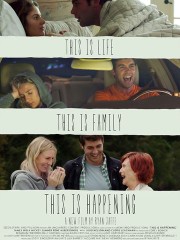
It’s a lovely film with Mickey Sumner, who’s Sting’s daughter.
RT: You’re a fugitive grandma.
Yeah, and my little dead dog.
RT: That you carry around with you.
Yeah. Well here’s another fact: He is in a suitcase, in my living room. [Laughing] And the dumb stuffed one that they had was ridiculous. It didn’t look dead or alive, or it didn’t look like it had ever been a dog. So I was very proud to bring Jo up. Jo’s a girl, a Shih Tzu. [Jo was Leachman’s favorite dog who died right around the time of shooting the film, while visiting Palm Springs; instead of burying her in the city that wasn’t her home, Leachman and her daughter decided to mail her — via the post office — to get stuffed and she became a star in the film.]
This is Happening is open in limited release and is now available on VOD.
As one half of the Farrelly brothers, writer-director Bobby Farrelly has been one of the filmmakers instrumental in shaping modern American movie comedy. Before the Apatow era, the Farrellys redefined the idea of raunchiness on screen, delivering multiple hits like Dumb and Dumber and There’s Something About Mary while helping elevate performers like Jim Carrey and Ben Stiller to superstar status in the process. (Their unlikely influence on the mumblecore genre is also, apparently, not to be overlooked.)
This week, the duo’s latest — their take on the classic slapstick The Three Stooges — arrives on DVD and Blu-ray, which gave us the chance to talk with Farrelly about his all-time favorite films (and get an update on the Dumb and Dumber sequel).
Jaws (Steven Spielberg, 1975; 100% Tomatometer)
I’ll never forget when I saw Jaws in the theater, the impact it had on me — so much that I wouldn’t swim in a swimming pool for the rest of the summer. [Laughs] And I enjoyed so much hearing later how Spielberg had had a hard time working with the shark, so they had decided to not show the shark, and instead use the music, you know. The way they did that was just incredible; the way they would shoot so that you’d see just the shark’s point of view instead of seeing the shark itself. It taught me, as a feature filmmaker, how important music is and involving all your senses and all that. So that’s my all-time favorite movie — Jaws.
It really was a stroke of luck that things didn’t go right on that film.
[Laughs.] Right. It really was. And I’m reminded too, as a filmmaker, that stuff happens when you’re making a movie — so you’d better be thinking quick, and sometimes you can turn it to your advantage. The filmmaking process is never gonna go as easily as you hope, so you’d better be ready for some curveballs.
Did you ever experience a happy accident like that on one of your movies?
We’ve had a lot of happy accidents over the years. I remember when we were making our very first movie, Dumb and Dumber, just because when we started, we started in May, and the story calls for winter. It was a particularly warm spring, and we thought, “Oh my god, it’s not gonna look too wintery.” So we went to the highest mountain we could find, which was Estes Park in Colorado, and the night before we planned to shoot we had a foot and a half of snow — and it was everything that we needed. So we got lucky that time. That was a big break for us.
That is one of my favorite comedies of all time, I have to tell you.
Oh thanks. We’re right now working on the sequel, which is 20 years later with the same guys, Jim Carrey and Jeff Daniels. We’re hoping to be shooting it this fall. It hasn’t been easy to get off the ground, but we’re still hoping to be shooting in the fall.
I heard you guys had hit a glitch with the studio, yeah; but everyone wants to do it — both Jim and Jeff?
Yeah. Yeah. Jeff’s at a point in his career where he’s got a lot of stuff going on where he’s got that new show and, you know, he’s really at the top of his game right now. So we would love to get those two guys back together. And it’ll be almost 20 years later, so with those two characters that seems like about the right time for a sequel. I’m glad we didn’t do one the next year or two years later or something like that. Twenty years later we can have a lot of fun with we’re they’re at.
Will they have changed at all? I hope not…
Very little personal growth. [Laughs.] Very little. That’s who they are. [Laughs.] They don’t have a lot of character arc in their story or in their lives. You know who they are, and they’re pretty consistent.
The Sixth Sense. I don’t know if you’d call it a horror movie — the genre’s not really my cup of tea, but I heard people say “You gotta go see this movie The Sixth Sense.” I was blown away, ’cause I took it hook, line and sinker. I never saw that ending coming. I was one of those guys. M. Night had the hook in my mouth. He shot it in a way that, when I go back and look at it and knowing what you didn’t know the first time, I just think he did a masterful job with that movie.
I tend to agree. I’d heard nothing about it, and the ending got me.
Yeah. I’m so glad I didn’t know. I went with some friends in Texas, where I live and — [laughs] — on the way home in the ride, one of them still didn’t get it, and we had to explain it. [Laughs.] And this was an intelligent person. But it was just so well crafted, you know; it really was well done. And I think a lot of people have tried to imitate that storytelling, but it’s hard to do as well as he did it in that movie.
I think I gotta go with that old stand-by, Butch Cassidy and the Sundance Kid. Love Butch Cassidy and the Sundance Kid. Love the — you know, it’s the two guys. It’s what me and my brother specialize in, the two guys. Well, in the Three Stooges‘ case it’s three. But the relationship between two guys like that, I don’t think it’s been done any better than with Butch and Sundance; particularly with Robert Redford and Paul Newman. The way they worked in so many different things, from comedy to romance to action and the way it’s so beautifully shot and, you know, a great story. And they didn’t pull the punches at the end. If you made that movie today, I’m sure that you’d do the test screenings and somebody would raise their hands and say, “We want them to get away at the end!” But they didn’t get away at the end. Today you’d have to re-shoot the ending where the guys go off on some secret beach somewhere and live happily forever — ’cause that’s the way audiences kind of demand it. But with Butch Cassidy and the Sundance Kid, of course, they met their demise at the end of the movie, and they had it coming ’cause that’s who they were. I just think it was a beautiful movie.
I love that era of downbeat endings in the late ’60s and early ’70s. Directors were getting away with all kinds of stuff.
Yeah, it was a good time for filmmakers. But again, they didn’t have the test screenings. In today’s day and age, you kind of have to give the audience what they want. They demand it, and so there’re an awful lot of endings that fall right into a particular category. They want a happy ending, so people walk out and they’re happy — but not all stories in the world have happy endings, and that’s why I love some of the ones that leave you, you know, without the traditional ending.
[Laughs.] They’re classic, I know — I’m not really picking ’em deep from my quiver — but I’ll go with The Godfather. I can watch it any day, any time. The original Godfather. The sequels were good, but the original Godfather was masterfully done. All those characters who you come to know; 30 years later you still talk about Sonny Corleone. It really sticks with you. It just felt so real. I’d read the book before I saw the movie, and usually when you read a book and then see the movie you say, “Eh, the movie didn’t live up to it,” but on that one I really think that [Coppola] captured it. Just a powerful, powerful story. And it felt real. I’m not really a fan of violence, but in that movie it didn’t bother me in the least — because none of it felt gratuitous, like they were just doing it for effect. I really believed it was the lives that those guys lived. I really thought it was just a beautiful movie. All those tremendous actors in it, too — years later, you realize he did a pretty nice job of casting it.
Especially when you think about who the studio had wanted, too — Robert Redford as Michael Corleone was one suggestion, I think.
Yeah I know. [Laughs.] I bet they were. Sometimes you gotta go to the man on some of these things — and the studio does have their reasons for wanting to cast people. Generally they want the guys that are seemingly the hot ones at the time. But I can’t imagine recasting that movie and making too many changes. They certainly got the characters right.
I gotta get a really good comedy in there, and I don’t know if there’s ever been a better comedy — for my funny bones — than Animal House. All the laughs they crammed into that movie — I don’t know that it’s been beat. All the different characters; the way you basically, again, you like the anti-heroes — you like the guys who were in college and they were the slackers and all that. Just so many laughs in that movie. For me, if I’m flipping through the channels and I see Animal House on, I could sit down and watch that movie at any time, any day.
Does that movie describe yours and Peter’s college life?
Well, we were closer to those guys. [Laughs.] Closer to those guys than the guys in the good frat. [Laughs. ] We were not particularly good students. We certainly, you know, tried to have a good time when we were at college — and we both succeeded. [Laughs.] We weren’t “frat” guys, but if we were to join one, we probably would have been in the Delta House.
The Farrelly brothers’ latest, The Three Stooges, is out now on DVD and Blu-ray.
History is littered with the corpses of sports champs whose bids for movie immortality have been dubious at best; for every Hong Kong martial arts superstar and Austrian bodybuilder there are scores of straight-to-video beefcakes lacking the onscreen charisma to match their real-life skills. Rarer still is the successful female action hero crossover, but this week — with the somewhat unlikely help of genre-shifting filmmaker Steven Soderbergh — a new one arrives in the shape of Gina Carano, former Mixed Martial Arts fighter and now star of her very own spy thriller, Haywire.
The story goes that Soderbergh caught one of Carano’s fights on TV one evening and couldn’t believe the talented — and visually striking — fighter wasn’t headlining her own movie. So, with the help of screenwriter Lem Dobbs (The Limey) and a supporting cast of thespian eye-candy that includes Ewan McGregor, Michael Fassbender, Antonio Banderas, Channing Tatum and Michael Douglas, he set about putting together an action vehicle for Carano, in which the fledgling actress plays a CIA-trained assassin on the loose and out to avenge those who double-crossed her. With its minimalist plot, punishing (yet expertly-staged) fight choreography and throwback thriller cool, Haywire is the kind of film that seems almost too good to be true in the movie release graveyard of January — and, if fate smiles upon it, should make a new action hero of its leading lady. We had the chance to chat with Carano about the movie recently; but first, she ran through five of her all-time favorite films.
True Romance (Tony Scott, 1993; 91% Tomatometer)
True Romance would definitely be in my top five. I particularly loved Patricia Arquette in True Romance. I loved how delicate she is but also how down she is in the fight scene in that film — it’s by far one of my favorite fight scenes ever. It’s just so real. I loved that hotel fight scene. And of course I loved the dialogue. I loved how you could just get so attached to the characters. That’s kind of like a fairytale for me: to think that two people could meet like that and be completely, you know — just 100 per cent have each other’s back, instead of all the bullshit we go through in everyday life. Two people that just fell in love, and their dedication to each other — that really comes through in the film. And I think the whole story, and the dialogue, is just really cool.
Another one of mine is Braveheart. I just loved the whole — I mean, I love anything that you can really feel. That was such a beautiful story, and the way it was filmed, and just the heart — it just grabs your attention and you can’t stop watching it. The tragedy in it. It’s epic. It’s one of those movies you can only dream about being in. I think I watched that movie before every fight. And I cry at the end of that movie. I must have seen it millions of times. I’m like that: I like to watch movies over and over and over, and so I’ve done that with Braveheart.
That ending gets you ready to fight?
Yeah! I just walk away from that feeling very good and free and ready to take on the world for some reason. [Laughs]
You know the movie Let Me In? The new one — I haven’t seen the original. I really liked that movie. I don’t know why. It’s just one of those movies that I loved the relationship, and the dark story behind it all. I loved those two young characters, and how wonderful actors and actresses they were. I really enjoyed that movie.
I have to say — there’s gotta be a movie with Johnny Depp in it, because he’s one of my utmost favorite actors. I’ll tell you one of my old school favorites, and that’s Cry-Baby. That’s gotta be the comedy part of me coming out.
Oh, I love Cry-Baby.
You do?! Oh my gosh, that’s so funny. ‘Cause sometimes people look at me like I’m crazy when I say that. But I really do love that movie. It just made me laugh. And the characters in it… At the time [I saw it] I was in high school. I could probably quote that whole movie without even watching it. It puts a huge smile on my face. And [Depp’s] just so phenomenal in it; and it’s a musical as well. I still love Hatchet Face: “There’s nothin’ the matter with my face!” [Laughs]
I liked Butch Cassidy and the Sundance Kid. I really enjoyed that movie. And I kind of fell in love with Paul Newman for a phase. [Laughs] I really kind of fell in love with him and started watching all of his movies.
He was a pretty handsome guy.
Yeah, and I hear that he was pretty short also, which is unfortunate for me — ’cause I’m 5’8″. So there would have been no me stalking him.
Next, Carano chats about working with Steven Soderbergh and dueling with her co-stars.
Steven Soderbergh really threw you in the deep end here, headlining your first major film against some serious acting talent. Were you daunted by the challenge?
Gina Carano: Yeah he threw me in the deep end, but he threw himself in with me, you know. It wasn’t like I was by myself — and he knows how to swim like an Olympic champion. He was right along with me and he knew exactly what he wanted. It was really refreshing to meet a man with a vision who knows exactly what he wants to do, and he doesn’t — he doesn’t panic, and never gives up. And I really saw that in him. The people that he surrounded me with — not only on-screen, but off-screen — made me very comfortable. I felt like the whole reason I got the job was because of my physicality, and so I felt more confident than I ever have in bringing fighting to the big screen.
Working alongside people like Ewan McGregor, Michael Fassbender, Michael Douglas and Antonio Banderas — that must have been some crash course in acting for a first-timer.
Well, the first person I started off with was Fassbender, and whether any of them knew it or not I was 100 per cent observing and learning as much as I could from them. And what I realized was they really go with their gut instinct on certain things, and they really put their heart into what they do, and their opinion into the characters that they choose.
Even Steven said, It’s gonna be really interesting to see who takes these roles, because the guys that take these roles are gonna have to be okay with being physical with a female and/or possibly getting beat up by a female — so we’re really gonna find out who’s an actor by the guys that take these roles. And they were all so genuine. There were no egos involved. It was all about creating the best possible scenario, instead of, you know, “Well my character needs more of this or more of this.” It wasn’t about that. It was about creating something beautiful, regardless of how they looked after. So I thought that was really cool.
How did the other actors take to the physicality of the action in the film?
I think that, you know, being physical in those situations is acting. With physicality, even if there’s no lines in a movie, just walking around you still have a camera on you — so I really realized how genius these guys are. Because they didn’t have the last nine years I had to get good at technique; they only had a certain amount of time in their schedules to learn these fight scenes, so it was really fascinating to see how quickly they all picked it up, and how much they threw themselves into it. Every single one of them — Channing, Michael, Ewan — nobody wanted a body double, nobody said, “Oh, that’s too tough for me,” you know; they all wanted to do more.
Once they all realized they could throw me around, you know, and be as completely physical with me as they would a man — except that there’s no ego there — then it was so much fun for us to walk away with bruises. It was really one of the most poetic feelings in the world; especially because my purpose in the fight isn’t to hurt them as much as take care of them. So it was kind of like this cool, weird thing where you could be physically violent with each other but at the same time take care of each other. That was very interesting to see that they just threw themselves completely into it.
Haywire opens in theaters across the US and UK week.

“He won’t do it,” says Ricky Gervais, striding over to RT. He’s referring to his round-headed friend Karl Pilkington. Last time we sat down with Gervais he’d suggested Pilkington – co-star of his phenomenally successful podcast series with Stephen Merchant – as a film reviewer for the Tomatometer. “I said, ‘They’ll pay you £50.’ He wasn’t interested. I said, ‘We’ll dress you up as a giant tomato.’ He went, ‘Oh, this is getting better and better.'”
But while Gervais has failed in that particular recruiting mission, he and Merchant are on fine form today. It’s late July and RT has come to the Shepperton Studios set of Cemetery Junction, their first feature film together after success on the small screen with The Office and Extras. The atmosphere is light, the cast and crew seem to be enjoying themselves and Gervais’ trademark cackle rings regularly through the air.
Taking its name from a road junction in Gervais’ hometown of Reading, the film stars Ralph Fiennes, Emily Watson and Matthew Goode. Relative newcomers Christian Cooke, Tom Hughes, Jack Doolan and Felicity Jones, play its young leads. “It’s a film about escaping your roots and that small-town mentality,” explains Gervais. “There’s a line in it which my mum said to me when I was 18. I told her I was going to France and she said, ‘What do you want to go there for? There’s parts of Reading you haven’t seen.'”
“It’s about a group of working-class lads in the 70s, one of whom aspires to be better than his dad – played by Ricky – and not go to work in a factory,” continues Merchant. “Instead, he goes to work for Ralph Fiennes’ character; a sort-of white-collar job. He finds a role-model in him but in doing that he starts to drift away from his friends who are still in that world. It’s the story of them, really, and whether that friendship will last.”
Gervais and Merchant on set, rocking the Miami Vice look.
Like all of their work to date, there’s a sense that this is a comic take on a delicately-observed slice of real life, but it’s not just the hometown location that makes the project feel all the more autobiographical than The Office and Extras. “The coolest kids in school when I was growing up,” says Gervais, “the best footballers, the best fighters, the ones who got a girlfriend first — now they’re bald and stacking shelves. The Office was that feeling of, you’ve already wasted some of your life and you don’t want to wake up and go, ‘That was it.’ With these kids we’ve condensed that pounding feeling that there must be something out there. They’re 23, not 33.”
It seems, too, as though the comedy in Cemetery Junction will come from a slightly different and perhaps unexpected place. “We’ve lost that level of irony,” Gervais tells us. “We’ve lost that level of, isn’t it funny that they’re bad? Isn’t it funny that they’re stupid or they’re saying the wrong things? With this we wanted to give them a rip-roaring adventure — we want you to like these guys. They do get into fights and they do drink too much and chase girls, but it’s to be celebrated.”
And that’s the key point for Gervais and Merchant — this isn’t your average British film. While much of the British industry seems to wallow in gritty realism, get lost in romantic fantasy or strap on a bonnet and put on a posh accent, Gervais and Merchant hope that Cemetery Junction will strike away from pack and, perhaps, present a slightly less blinkered view of life in Britain. “We liked the idea of making it very contained in this small town in the 70s, but with that sort of swagger that you get in Butch Cassidy,” explains Merchant. “It’s a much smaller story about tiny lives, but in their heads it’s epic. No-one lives their lives going, ‘I’m a nobody and I’m pathetic.'”
Gervais continues: “Their world is as big to them as it is to us; it’s just that they sometimes don’t go outside of their square patch of it. Even in the kitchen we’ve tried to make it cinematic. We’ve used the widescreen this time; we’re not shooting for telly. And we’ve got our soap-opera radar — anything that looks slightly cheap is out. We were very conscious that we didn’t want this to look drab and dingy, and curtains drawn and kitchen sink. We want this to look like Hollywood doing early-70s England. And we have taken liberties, you know; it’s sunny every day in Cemetery Junction for that summer.”
Casting the central roles was the biggest challenge — finding actors in Britain who had the screen presence to strike that epic quality. “In the States, I think one of the reasons there are perennial heroes like Steve McQueen is because they’re classless,” says Merchant. “I think it’s one of the things that are tricky in making British films, because class always comes into it. It’s quite tricky to find something that feels neutral and allows you to think about the story and not the class of the characters.”
“[Our actors] just had that,” says Gervais. “They walked into a room and suddenly they were film stars. They weren’t phoning their agent saying, ‘I’ve got The Bill tomorrow and I’ve got a small part in Holby and I might do a play.’ They were going, ‘I want to be a film star,’ and they got it straight away. Plus they were cheap, and we’ve signed up for 50% of their earnings until they’re 68!”
If that’s not strictly true, as we suspect it may not be, Gervais told RT last year that the plan was to extend the world into a TV series so the pair could further explore these characters, so this may not be the last time they work with the young cast. The spin-off is still on the cards, they said, but nothing was certain. “It’s an option, but we never hold ourselves to anything like that. I’d like to, but anything could happen. We might think it ruins the legacy of the film, and that’s important to us, and we’ll turn it down. We might love it; we might do five series this time instead of two. I think the likelihood is that we’ll probably write it, at least, because that’s the real joy for us, the writing.”
L to R: Felicity Jones as Julie, Christian Cooke as Freddie, Tom Hughes as Bruce, Jack Doolan as Snork.
“It’s all speculative,” agrees Merchant. “We’ve been totally focussed on this script. But we like the characters, and we’ll be doing a scene with Ricky and we’ll go, ‘Wouldn’t it be funny if…'”
“What we’d lose is the one big story,” adds Gervais. “But we’d have more fun with the smaller characters. My character, for example – it could become about the family unit, so it’s more of a sitcom.”
For now though, the focus is on delivering the film amidst the pair’s other commitments. In addition to their work together, Gervais, also has a stand-up tour to do (he’d probably be keen on us mentioning that it’s sold out, as his last tour was) and his first American directorial feature, The Invention of Lying, to promote.
So with all the work on their plates have there been any tensions between them? “We see eye-to-eye on 98% of stuff,” says Gervais. “And when we don’t see eye-to-eye, we’ve got one rule: one veto and then it’s out, or let’s do them both and we’ll see in the edit. There doesn’t need to be arguments, really. And we work so fast, and it’s such a joy. It’s so much fun. The only thing I don’t like is getting up early.”
“Or doing the work,” adds Merchant.
“Or doing anything.”
“Anything that takes you away from the sofa.”
Gervais unleashes that cackle again. “Yeah, so all my scenes were on the sofa. At one point Steve went, ‘Ricky, are you actually asleep?'”
Cemetery Junction is released next year. Ricky Gervais’ home on the web is rickygervais.com, where you can fail to buy tickets for his sold-out stand-up tour.
Ten years ago the AFI gave us a list of the Top 100 American Films Ever Made — and when that was done they churned out 15 other lists every few years. And then last night they updated the Top 100 … I guess because they ran out of lists.
Frankly I think all of these lists are a little silly, but they do spark a lot of movie discussion and therefore I’m all for ’em. Seems a bit unnecessary to update a list that’s barely ten years old, but hey, you do what you have to do to get the viewers interested. I’ll post the new list below, but if you’d like to compare it to the original Top 100, you can check our source below.
And definitely feel free to share your thoughts, opinions and outrage regarding the big list. There’s a lot of movies out there, so please do toss your lists out, too. (The one below came from a list of 1,500 filmmakers, writers, actors, critics, and "others.")
At the very least, this list should give you a good idea of how to fill up your Netflix queue.
1. "Citizen Kane," 1941.
2. "The Godfather," 1972.
3. "Casablanca," 1942.
4. "Raging Bull," 1980.
5. "Singin’ in the Rain," 1952.
6. "Gone With the Wind," 1939.
7. "Lawrence of Arabia," 1962.
8. "Schindler’s List," 1993.
9. "Vertigo," 1958.
10. "The Wizard of Oz," 1939.
11. "City Lights," 1931.
12. "The Searchers," 1956.
13. "Star Wars," 1977.
14. "Psycho," 1960.
15. "2001: A Space Odyssey," 1968.
16. "Sunset Blvd.", 1950.
17. "The Graduate," 1967.
18. "The General," 1927.
19. "On the Waterfront," 1954.
20. "It’s a Wonderful Life," 1946.
21. "Chinatown," 1974.
22. "Some Like It Hot," 1959.
23. "The Grapes of Wrath," 1940.
24. "E.T. the Extra-Terrestrial," 1982.
25. "To Kill a Mockingbird," 1962.
26. "Mr. Smith Goes to Washington," 1939.
27. "High Noon," 1952.
28. "All About Eve," 1950.
29. "Double Indemnity," 1944.
30. "Apocalypse Now," 1979.
31. "The Maltese Falcon," 1941.
32. "The Godfather Part II," 1974.
33. "One Flew Over the Cuckoo’s Nest," 1975.
34. "Snow White and the Seven Dwarfs," 1937.
35. "Annie Hall," 1977.
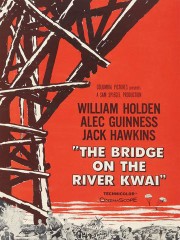
36. "The Bridge on the River Kwai," 1957.
37. "The Best Years of Our Lives," 1946.
38. "The Treasure of the Sierra Madre," 1948.
39. "Dr. Strangelove," 1964.
40. "The Sound of Music," 1965.
41. "King Kong," 1933.
42. "Bonnie and Clyde," 1967.
43. "Midnight Cowboy," 1969.
44. "The Philadelphia Story," 1940.
45. "Shane," 1953.
46. "It Happened One Night," 1934.
47. "A Streetcar Named Desire," 1951.
48. "Rear Window," 1954.
49. "Intolerance," 1916.
50. "The Lord of the Rings: The Fellowship of the Ring," 2001.
51. "West Side Story," 1961.
52. "Taxi Driver," 1976.
53. "The Deer Hunter," 1978.
54. "M*A*S*H," 1970.
55. "North by Northwest," 1959.
56. "Jaws," 1975.
57. "Rocky," 1976.
58. "The Gold Rush," 1925.
59. "Nashville," 1975.
60. "Duck Soup," 1933.
61. "Sullivan’s Travels," 1941.
62. "American Graffiti," 1973.
63. "Cabaret," 1972.
64. "Network," 1976.
65. "The African Queen," 1951.
66. "Raiders of the Lost Ark," 1981.
67. "Who’s Afraid of Virginia Woolf?", 1966.
68. "Unforgiven," 1992.
69. "Tootsie," 1982.
70. "A Clockwork Orange," 1971.
71. "Saving Private Ryan," 1998.
72. "The Shawshank Redemption," 1994.
73. "Butch Cassidy and the Sundance Kid," 1969.
74. "The Silence of the Lambs," 1991.
75. "In the Heat of the Night," 1967.
76. "Forrest Gump," 1994.
77. "All the President’s Men," 1976.
78. "Modern Times," 1936.
79. "The Wild Bunch," 1969.
80. "The Apartment, 1960.
81. "Spartacus," 1960.
82. "Sunrise," 1927.
83. "Titanic," 1997.
84. "Easy Rider," 1969.
85. "A Night at the Opera," 1935.
86. "Platoon," 1986.
87. "12 Angry Men," 1957.
88. "Bringing Up Baby," 1938.
89. "The Sixth Sense," 1999.
90. "Swing Time," 1936.
91. "Sophie’s Choice," 1982.
92. "Goodfellas," 1990.
93. "The French Connection," 1971.
94. "Pulp Fiction," 1994.
95. "The Last Picture Show," 1971.
96. "Do the Right Thing," 1989.
97. "Blade Runner," 1982.
98. "Yankee Doodle Dandy," 1942.
99. "Toy Story," 1995.
100. "Ben-Hur," 1959.
Grr. I’m annoyed that neither of my all-time favorites (those would be "Alien" and "Young Frankenstein") made the list. Oh well.
Be honest: How many of ’em have you seen?
Source: SeattlePI.com
"Casino Royale," the forthcoming James Bond flick (number 21, if you’re counting), has generated quite the buzz among die-hard Bond fans irate over the casting of "Layer Cake" star Daniel Craig as the suave secret agent.
The vitriol is not held back at Craignotbond.com, the online headquarters for a grassroots movement to boycott "Casino Royale" on the sole basis that Daniel Craig is too short, too "rough faced," and too blond to play the beloved lethal lothario.
Fans supporting the boycott are also upset with the filmmakers for deciding the franchise needed a "reboot;" according to reports, "Casino Royale" will not carry on the chronology of the previous Bond films but will be a sort of prequel/origin story to restart the entire franchise. Thus, while Dame Judi Dench is onboard once again as Bond’s boss, "M," character actor Jeffrey Wright will portray CIA agent Felix Leiter — a recurring character previously played by numerous actors, who was killed off in 1989’s "License to Kill."
But back to the Craig debate. On their comprehensive website, boycotters seem consumed first and foremost with the physicality of their new Bond; at 5’11" Craig stands inches shy of his predecessors Sean Connery (6’2"), George Lazenby (6’2 1/2"), Roger Moore (6’1"), Timothy Dalton (6’2"), and Pierce Brosnan (6’1"). He’s got blond hair and blue eyes. According to the website, only "people who think that men like Mick Jagger, Lee Marvin and Ernest Borgnine are handsome" will find Craig attractive. To illustrate, the site juxtaposes Craig with pictures of Bill Murray, Bob Denver, and Cleveland Cavalier Zydrunas Ilgauskas.
And yet, that’s not all the latest news for the "Casino Royale" production and poor Daniel Craig. Days after the casting of Eva Green as Bond girl Vesper Lynd was confirmed (yay!), Craig got two of his teeth knocked out while filming his very first fight scene in Prague (aww). Add to that rumors that Craig couldn’t drive Bond’ signature Aston Martin with it’s manual stick shift, and this Bond’s got quite the mission: impossible ahead.
"Casino Royale" is set for release on November 17, 2006. The confirmed cast so far includes international thesps Daniel Craig, Judi Dench, Eva Green, Jeffrey Wright, Mads Mikkelsen, Simon Abkerian, and Caterina Murino.
One of the most talked-about and eagerly-anticipated film festivals of the year runs every January in a tiny little Utah ski town called Park City. The festival, of course, is Robert Redford’s Sundance, and it’s at about this time every year that the fest’s lineup hits the streets. Read on for the festival announcement and several of the most noteworthy titles.
Courtesy of The Hollywood Reporter: "In unveiling the lineup for the independent feature film and world cinema competitions for next year’s Sundance Film Festival on Monday, programmers characterized the upcoming fest as a return to its roots in independent programming. The key to what they consider the core of Sundance, the four competition sections, is the discovery of new faces before and behind the camera. "I don’t know how broadly these films will play," festival director Geoffrey Gilmore said. "What I’m not worried about, though, is the quality of the films or the excitement this return to our roots will produce. I want people to take a step back when it’s over and say, ‘God, what a great class of directors this is.’ " Said director of programming John Cooper: "Usually, we get our information from normal sources — producers, sales reps and agents. But a lot of this festival’s lineup will be unknown even to them." The competition screenings will take place Jan. 19-29 in Park City, with additional screenings occurring in other Utah locations, including Salt Lake City."
Dramatic Competition
"A Guide to Recognizing Your Saints" (Director, screenwriter: Dito Montiel) — A writer recounts his teenage experiences in tough 1980s Astoria, N.Y. — where all his friends ended up dead, as junkies, or in prison — exploring how he managed to emerge unscathed. World premiere.
"Come Early Morning" (Director, screenwriter: Joey Lauren Adams) — The story of a Southern woman trying to escape her addictions and self-destructive behavior to find true love. World premiere.
"Flannel Pajamas" (Director, screenwriter: Jeff Lipsky) — A magical evening in a local diner sparks an intense courtship and an emotionally mercurial marriage that challenges two New Yorkers to the core. World premiere.
"Forgiven" (Director, screenwriter: Paul Fitzgerald) — On the eve of his campaign launch for a seat in the U.S. Senate, a small town D.A. receives word that the governor has exonerated a death row inmate whom he had prosecuted five years earlier. World premiere.
"Half Nelson" (Director: Ryan Fleck; Screenwriters: Anna Boden, Ryan Fleck) — An inner-city junior high school teacher with a drug habit forms an unlikely friendship with one of his students after she discovers his secret. World premiere.
"Hawk Is Dying" (Director: Julian Goldberger; Screenwriters: Harry Crews (novel), Julian Goldberger) — A Gainesville, Fla., auto upholsterer attempts to subvert his mundane life by training a wild, red-tailed hawk. World premiere.
"In Between Days" (Director: So Yong Kim; Screenwriters: So Yong Kim, Bradley Rust Gray) — When a recent Korean immigrant falls in love with her best and only friend, their misunderstood affection for each other creates a delicate relationship that is challenged by the demands of living in a new country. World premiere.
"Puccini for Beginners" (Director, screenwriter: Maria Maggenti) — On the rebound from her latest lesbian relationship, a New York writer finds herself in two surprising and complicated love affairs in this only-in-New York screwball comedy. World premiere.
"Quinceanera" (Directors, screenwriters: Richard Glatzer, Wash Westmoreland) — Disaffected Latino teenagers come of age in a gentrifying community in Echo Park district of Los Angeles. World premiere.
"Right At Your Door" (Director, screenwriter: Chris Gorak) — Multiple dirty bombs are detonated and spread deadly toxic ash and mass panic throughout Los Angeles. With limited information, time and supplies, and in the midst of citywide chaos, a married couple struggles to survive. World premiere.
"Sherrybaby" (Director, screenwriter: Laurie Collyer) — After serving a three-year prison sentence, a young woman quickly discovers that coming back to the world she left behind is far more difficult than she planned. World premiere.
"Somebodies" (Director, screenwriter: Hadjii) — Surrounded by eccentric relatives, prankster classmates, and more or less rehabilitated ex-cons, a black college student stumbles along the path to responsible adulthood. World premiere.
"Stay" (Director, screenwriter: Bob Goldthwait) — A youthful, impulsive sexual encounter opens the door to a dark comedy about the complexities of honesty. World premiere.
"Steel City" (Director, screenwriter: Brian Jun) — In a small Midwest town, two irresponsible brothers must come to terms with the lives they live after their father is incarcerated for killing a woman. World premiere.
"Stephanie Daley" (Director, screenwriter: Hilary Brougher) — A forensic psychologist, seven months pregnant, is hired to learn the truth behind a teenager’s denial of accusations that she concealed her pregnancy and committed infanticide. World premiere.
"Wristcutters — A Love Story" (Director: Goran Dukic; Screenwriters: Goran Dukic, Etgar Kerett) — An offbeat comedy, a love story, a road movie — but everybody is dead! World premiere.
World Cinema Dramatic Competition
"13 Tzameti"/ France (Director, screenwriter: Gela Babluani) — Sebastien has decided to follow instructions intended for someone else. When he reaches his destination, he falls into a degenerate, clandestine world of mental chaos. North American premiere.
"Allegro"/Denmark (Director: Christoffer Boe; Screenwriters: Christoffer Boe, Mikael Wulff) — After a long absence, a famous amnesiac pianist returns to his native Copenhagen where he is contacted by a mysterious messenger who leads him back into his forgotten past. North American premiere.
"The Aura"/Argentina (Director, screenwriter: Fabian Bielinsky) — Espinoza is an introverted taxidermist who secretly dreams of executing the perfect robbery. On his first-ever hunting trip, in the calm of the Patagonian forest, his dreams unexpectedly are made reality with one squeeze of the trigger. North American premiere.
"The Blossoming of Maximo Oliveros"/Philippines (Director: Auraeus Solito; Screenwriter: Michiko Yamamoto) — Young Maxi’s unquestioned devotion to his family of small-time criminals in a Manila slum is undermined when he is befriended by a principled young policeman. U.S. premiere.
"Eve & The Fire Horse"/Canada (Director, screenwriter: Julia Kwan) — Eve is a precocious 9-yea-old growing up in a Vancouver-Chinese immigrant family where Confucian doctrines, superstitious obsessions and divine visions abound. When Buddhism and Catholicism are thrown into the mix, life for Eve and her prim authoritative sister, Karena, escalates into a fantasia of catastrophe, sainthood and cultural confusion. U.S. premiere.
"Grbavica"/Bosnia-Herzegovina (Director, screenwriter: Jasmila Zbanic) — A chilling story of a woman and her daughter as they fight to survive in the painful aftermath of the recent Balkan war. World premiere.
"The House of Sand"/Brazil (Director: Andrucha Waddington; Screenwriter: Elena Soarez) — The story of a woman across three generations. In the remote dunes of Brazil, Maria spends her life while an entire century passes by her, her house and sand. U.S. premiere.
"Kiss Me Not on the Eyes"/Lebanon (Director, screenwriter: Jocelyne Saab) — An educated young Egyptian woman defends her artistic integrity as a dancer and her social independence in the midst of modern Cairo’s culture wars. World premiere.
"Little Red Flowers"/China (Director: Zhang Yuan; Screenwriters: Ning Dai, Zhang Yuan) — A parable about the nature and complexities of being compelled to "fit in" to a regimented society set in a post-revolutionary Chinese orphanage. World premiere.
"Madeinusa"/Peru (Director, screenwriter: Claudia Llosa) — Madeinusa is a sweet girl who lives in an isolated, religiously zealous village in mountainous Peru. Everything changes when a geologist from Lima arrives and unknowingly reshapes Madeinusa’s destiny. World premiere.
"No. 2"/New Zealand (Director, screenwriter: Toa Fraser) — Nanna Maria’s family has forgotten how to party. She’s going to change all that and make them come alive with the heat and passion of the South Pacific. World premiere.
"One Last Dance"/Singapore (Director, screenwriter: Max Makowski) — An assassin is hired to kill the men responsible for kidnapping an important man’s son. With every death, the killer gets closer to the last kidnapper’s name … his own. World premiere.
"The Peter Pan Formula"/South Korea (Director, screenwriter: Cho Chan-Ho) — An adolescent boy confronts premature independence as his mother lies in a coma and he experiences the first tugs of sexual desires with an older woman. North American premiere.
"Princesas"/Spain (Director, screenwriter: Fernando Leon de Aranoa) — The story of two women who form an unbreakable friendship despite their differences as they fight to make ends meet in the big city. U.S. premiere.
"Solo Dios Sabe"/Brazil/Mexico (Director: Carlos Bolado; Screenwriters: Carlos Bolado, Diane Weipert) — On a lark in Tijuana, a young Brazilian art student crosses paths with a roguish Mexican journalist, sparking a cascade of events across both Mexico and Brazil. World premiere.
"Son of Man"/South Africa (Director: Mark Dornford-May; Screenwriters: Mark Dornford-May, Andiswa Kedama, Pauline Malefane) — A gripping journey of love, deception and betrayal, the film translates Jesus’ life to modern-day South Africa, where a new politics of compassion incites revolution during a military dictatorship. World premiere.
Documentary Competition
"A Lion in the House" (Directors: Steven Bogner, Julia Reichert) — Five diverse families — each with a child fighting cancer –navigate the ups and downs of treatment over six years, while maintaining hope in this complex portrait of human resilience. World premiere.
"American Blackout" (Director: Ian Inaba) — A stylish hard-hitting documentary that recounts the fascinating career of Rep. Cynthia McKinney, D-Ga., and the suppression of the black vote historically and during the recent presidential elections in Florida and Ohio. World premiere.
"An Unreasonable Man" (Directors: Henriette Mantel and Stephen Skrovan) — Using rarely seen archival footage and more than 40 recently conducted on-camera interviews, this documentary traces the career of Ralph Nader from quixotic consumer advocate to upstart presidential candidate to public pariah. World premiere.
"Crossing Arizona" (Director: Joseph Mathew) — A balanced, far-reaching look at a range of human stories unfolding in the midst of Arizona’s illegal immigration crisis. World premiere.
"God Grew Tired of Us" (Director: Christopher Quinn) — Four boys from Sudan embark on a journey to America after years of wandering Sub-Saharan Africa in search of safety. World premiere.
"Ground Truth: After the Killing Ends" (Director: Patricia Foulkrod) — Reveals how the military trains our soldiers for war, the reality of combat in Iraq and the effects of the war on our soldiers coming home. World premiere.
"Iraq in Fragments" (Director: James Longley) — Contemporary Iraq is illuminated in three chapters that follow the diverse stories of Iraqis against a backdrop of war, occupation and ethnic tension. World premiere.
"Small Town Gay Bar" (Director: Malcom Ingram) — A voyage to the deep South to tell a tale of the struggle for community and expression in the face of ignorance, hypocrisy and oppression. World premiere.
"So Much So Fast" (Directors: Steven Ascher, Jeanne Jordan) — A black-humored cliffhanger of romance, guerrilla science and the redefinition of time. When Stephen Heywood finds out he has ALS (Lou Gehrig’s disease), his brother Jamie becomes obsessed with finding a cure and the woman who is falling in love with Stephen has a decision to make. World premiere.
"Thin" (Director: Lauren Greenfield) — With unprecedented access and an unflinching eye, the film documents four women struggling with anorexia and bulimia at a residential facility for the treatment of eating disorders in South Florida. World premiere.
" ‘Tis Autumn — The Search for Jackie Paris" (Director: Raymond De Felitta) — Explores legendary jazz vocalist Jackie Paris’ meteoric rise, enigmatic career and mysterious life while probing the question of how much we need to know of an artist’s personal story to appreciate their art. World premiere.
"The Trials of Darryl Hunt" (Directors: Ricki Stern, Annie Sundberg) — The wrongful conviction of a black man for a white woman’s rape and murder offers a provocative, haunting examination of a fear-based, racially biased community and criminal justice system. World premiere.
"TV Junkie" (Director: Michael Cain) — From the time he was born Rick knew he had a special purpose. If he could only record it he might be able to figure out what it is. Forty-six years, 5,000 hours of video and more than 3,000 photos later he might have figured it out. World premiere.
"Wide Awake" (Director: Alan Berliner) — A first-person account of filmmaker Alan Berliner’s struggle with sleeplessness, as both a blessing and a curse. Portrait of an artist as an insomniac. World premiere.
"Wordplay" (Director: Patrick Creadon) — An in-depth look at the New York Times crossword puzzle and its editor Will Shortz, and the wonderfully unique and loyal fan base he has built and nurtured during his 12-year tenure at the paper. World premiere.
"The World According to Sesame Street" (Directors: Linda Goldstein Knowlton, Linda Hawkins Costigan) — A behind-the-scenes look at the unexpected dynamics of adapting the most-watched children’s television show for audiences in some of the world’s political hot-spots and incorporating locally relevant themes. World premiere.
World Cinema Documentary Competition
"5 Days"/Israel (Director: Yoav Shamir) — On Aug. 15, Israel began to evacuate 8,000 Jewish settlers from the Gaza Strip. In a unilateral move by the Israeli government, they were removed from their homes to make way for 250,000 Palestinians. With exclusive access to the Israeli defense forces and the general in charge, seven film crews simultaneously follow key characters during this historic five-day event. North American premiere.
"Angry Monk — Reflections on Tibet"/Switzerland (Director: Luc Schaedler) — A portrait of the rebellious Tibetan monk Gendun Choephel, this film reveals a face of old and present-day Tibet that runs against popular cliches. North American premiere.
"Black Gold"/U.K. (Director: Marc Francis, Nick Francis ) — A cinematic journey that uncovers the world of coffee and trade from the struggling Ethiopian bean grower to your coffee cup. World premiere.
"By the Ways, a Journey With William Eggleston"/France (Directors: Cedric Laty, Vincent Gerard) — A journey through the southern U.S. home of William Eggleston considered "the father of color photography." Eggleston’s persistent silence defies each truth revealed about his character. North American premiere.
"Dear Pyongyang"/Japan (Director: Yang Yonghi) — A Korean-Japanese daughter explores her father’s fierce political loyalty to North Korea — costly to the point of breaking up his family. North American premiere.
"The Giant Buddhas"/Switzerland (Director: Christian Frei) — A film about the destruction of the famous Buddha statues in Afghanistan. An essay on fanaticism and faith, terror and tolerance, ignorance and identity. U.S. premiere.
"Glastonbury"/U.K. (Director: Julian Temple) — A staggering range of music presented at England’s annual Glastonbury Festival; captures the spirit of important social changes during the past 30 years. World premiere.
"I is for India"/England/Germany/Italy (Director: Sandhya Suri) — A tale of migration and belonging, told primarily through Super 8 films and audio letters sent between India and England during a period of 40 years. World premiere.
"In the Pit"/Mexico (Director: Juan Carlos Rulfo) — According to Mexican legend, whenever a bridge is built the devil asks for one soul, in exchange for keeping the bridge standing. This film chronicles the daily lives of the workers building a second deck to Mexico City’s Periferico freeway — their hopes, dreams and struggle for survival. World premiere.
"Into Great Silence"/Germany (Director: Philip Groening) — The first film ever to examine life inside the Grande Chartreuse, the mother house of the legendary Carthusian Order. An austere, next to silent meditation on monastic life in a very pure form. U.S. premiere.
"Kz"/U.K. (Director: Rex Bloomstein) — A look at the way the town of Mauthausen, previously the site of a German concentration camp, faces the ultimate demons of its dark past. North American premiere.
"No One"/Mexico (Director: Tin Dirdamal) — The story of Maria, a Central American immigrant forced to leave her family in search of a better life. On her way to the U.S., she crosses Mexico where she encounters a nightmare. U.S. premiere.
"The Short Life of Jose Antonio Gutierrez"/Germany (Director: Heidi Specogna) — Behind the heroic tale of the first U.S. soldier to die in the war in Iraq, there unfolds the story of a Guatemalan street child drawn into war by the promise of a green card in a foreign country. World premiere.
"Songbirds"/U.K. (Director: Brian Hill) — Downview Prison in England is host to 250 women who have committed crimes ranging from drug trafficking to manslaughter, but these women also are mothers and caretakers. In a musical set in the prison, the women sing about their lives and the crimes that led to their imprisonment. North American premiere.
"Unfolding Florence: The Many Lives of Florence Broadhurst"/Australia (Director: Gillian Armstrong) — Flamboyant design pioneer Florence Broadhurst lived a colorful life, but it is only now that her time has truly come, with her bold, exotic wallpaper prints in huge demand internationally. World premiere.
"Viva Zapatero"/Italy (Director: Sabina Guzzanti) — A critical and playful look at censorship in Italy under Berlusconi contrasted with other European nations. North American premiere.