(Photo by Lucasfilm/Everett Collection)
Star Wars, Lord of the Rings, James Bond, Dracula, Frankenstein: Only one man made his towering presence felt in each storied franchise. Across an eight-decade career, Christopher Lee shepherded Star Wars into a new millennium as lasting villain Count Dooku, gave a human face to fantasy evil as Saruman, thwarted solar tech as 007 fiend Scaramanga, and defined British horror with his legendary run in Hammer films. Along with Vincent Price, with whom he shares a birthday, Lee was simply among cinema’s greatest lords of darkness. (Though he had his turns to the light side, like in The Devil Rides Out.) Discover all his most-beloved roles as we present this guide to the Fresh movies of Christopher Lee. —Alex Vo
 100%
100%
 100%
100%
 95%
95%
 96%
96%
 95%
95%
 93%
93%
 87%
87%
 92%
92%
 87%
87%
 89%
91%
89%
91%
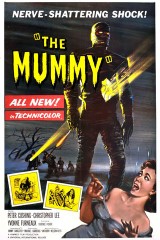 92%
92%
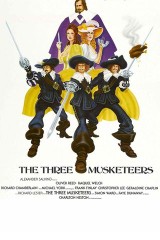 90%
90%
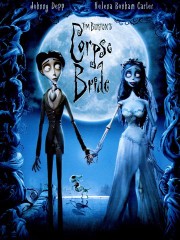 85%
85%
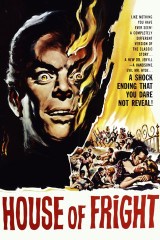 83%
83%
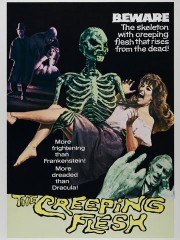 83%
83%
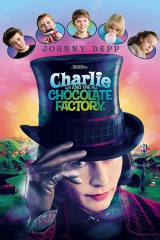 83%
83%
 82%
82%
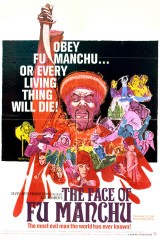 80%
80%
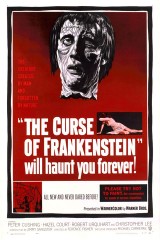 85%
79%
85%
79%
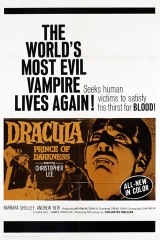 81%
81%
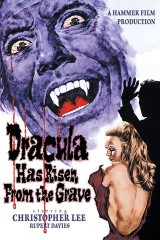 81%
81%
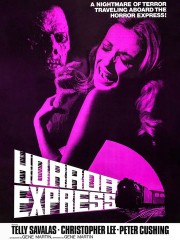 80%
75%
80%
75%
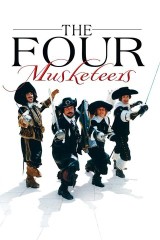 75%
75%
 78%
78%
 74%
74%
 75%
75%
 75%
72%
75%
72%
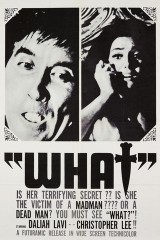 78%
78%
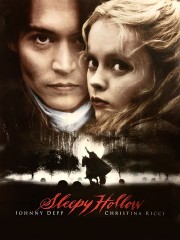 71%
71%
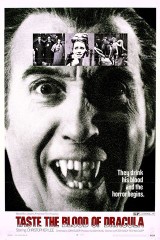
 54%
62%
54%
62%
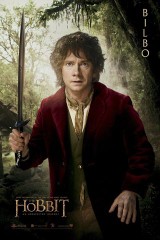 64%
64%
 67%
67%
 65%
65%
 60%
60%
 67%
67%
There’s all manner of method to the madness in our selections of the scariest movie scenes ever. Some use high amounts of gore. Others deliver unnerving calm and quiet before shattering the senses. A few feature amazing monster makeup and effects. The one common thread between them all: They work. And work not just at producing a moment of fear, but sustaining that fear, sometimes for minutes on end, to drill deep into our psyche and staying there for decades. These are the stuff of nightmares, what we see when we close our eyes at night. These are the 25 scariest movie scenes of all time. Warning: spoilers abound!
What’s the scariest movie scene you’ve ever seen? Tell us in the comments.

(Photo by 20th Century Fox Film Corp. All rights reserved. Courtesy: Everett Collection.)
The scene: The chest burst
One of the things that sets Ridley Scott’s sci-fi nightmare apart from the other horror fare of its era is its relatively slow burn, playing on the claustrophobia of space and the fear of the unknown. So it comes as a shock to the system when a “facehugger” hurtles out of an egg and attaches itself to John Hurt’s Kane, puncturing the atmospheric dread with a visceral jump scare. But the moment that became indelibly stamped in pop culture history comes just a few scenes later, after the facehugger has detached itself and Kane is recovering from the incident. As the crew enjoys a meal together, Kane suddenly begins to choke and convulse on the table, and a small, lizard-like creature bursts through his chest and scrambles away, effectively birthing a horror villain that would terrorize space crews for decades to come.

(Photo by IFC Midnight/Courtesy Everett Collection)
The scene: Baba breaches bedroom
A lot has been written about The Babadook: It’s a story about grief, and it’s a story about feminism; it’s less a horror film than a domestic drama; and somehow through it all its central bogeyman has emerged a wonderfully camp gay icon. We’re all for it. But in the midst of the think pieces and the movie’s surprising afterlife, one thing often goes overlooked: The Babadook is just a really, really scary horror traditional horror flick, too. Take the scene in which the Babadook (dook, dook) taunts Amelia (Essie Davis) in her bedroom. On paper, it’s nothing we haven’t seen in any Conjuring or Insidious flick, but as executed by director Jennifer Kent and acted by Davis (robbed of an Oscar nom, and yes we’re still sore) it’s almost unwatchably tense. Sound and darkness work overtime to drum up the suspense before the Babadook himself appears, jerkily terrorizing the woman on the edge of a breakdown.

(Photo by Artisan Entertainment/courtesy Everett Collection)
The scene: Putting babies in the corner
Anyone who tells you this super-low-budget 1999 phenom isn’t actually scary just hasn’t watched it all the way to the end. Because if you can sit through the moment Heather discovers Mike standing in the corner of that abandoned house and not tear the leather off your La-Z-Boy’s arms then you’re a much tougher horror-watcher than we are. The traumatizing screams and image of Mike standing ultra-still in the corner are scary enough – add in the fact that none of it is explained and this is a fright-filled finale for the ages.

(Photo by New Line Cinema / courtesy Everett Collection)
The scene: The nun comes to life
Taken on its own merits, The Conjuring 2 was a solid movie, even if it didn’t quite reach the heights of its predecessor. But it’s somewhat telling that its most memorable scare came courtesy of an entity who spends much of the film on the fringes of the primary story and whose presence was so immediately chilling that it spawned its own spin-off movie. The scene in question takes place inside the Warrens’ (Patrick Wilson and Vera Farmiga) own home, when Lorraine experiences a vision in which she is trapped and attacked by the demon nun Valak. Director James Wan milks the tension for all its worth, as a dark shadow moves across the walls and positions itself behind the painting of the nun’s face before it lunges at Lorraine with a shriek. We all checked our pants after that.

(Photo by Lions Gate/courtesy Everett Collection)
The scene: Monsters revealed
Neil Marshall’s The Descent is considered by some the scariest movie of the past 20 years, and for good reason. The movie hooks us in with its claustrophobic setting – a tiny and very unstable cave system somewhere in Appalachia – and its dynamic group of women with their complicated pasts and relationships. Then, when it has us right where it wants us… MONSTERS. And f—king scary ones at that. The movie’s most intense scene is also the first time we see these humanoid beasties, and Marshall masterfully mixes slow-building dread, dramatic distraction, and a helluva jump scare for the big reveal. We’re so caught up in the drama over Juno getting the group lost that we almost don’t notice that thing standing RIGHT THERE.

(Photo by British Lion Films)
The scene: The ending
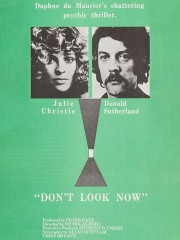
Up until the very end, you don’t know what the exact nature of the threat is in Don’t Look Now. You’re only aware that something sinister creeps on the fringes, vaguely menacing Donald Sutherland’s character as he wanders Venice with his wife after the accidental drowning of their young daughter in America. It’s the uncomfortable way people talk to him. Or is that just how it always feels in a foreign country? It’s in the way light reflects onto the camera. Or isn’t that how light always bounces around? It’s in Sutherland’s unsettling visions of his wife and daughter. Or is he just processing grief? But it all snaps into place for Don’t Look Now‘s vein-icing final sequence, giving terrible logic and clarity to the preceding 100 minutes.

(Photo by Warner Bros./ Courtesy: Everett Collection.)
The scene: Spinning heads
William Friedkin’s controversial film, based on a novel that fictionalized purportedly true events, is famous for the raucous reactions it inspired from terrified audiences who nevertheless flocked to see it in droves. It managed to entertain just as effectively as it scared the pants off of everyone, and perhaps no scene captures that special magic as well as the moment when Linda Blair’s possessed Regan – after having performed a rather sacrilegious act with a crucifix – spins her head 180 degrees to face her frightened mother (Ellen Burstyn). Regan does spin her head again later, during the climax of the film, but this first scene is so vulgar, violent, utterly shocking, and ultimately horrifying that it’s impossible to pull your gaze away from the screen.

(Photo by Lux Compagnie Cinématographique de France)
The scene: Face/off
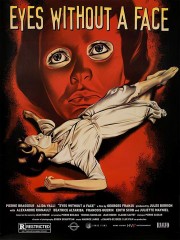
Director Georges Franju started his career as a documentary filmmaker, an invaluable skill set for his second narrative feature Eyes Without a Face. It’s the story of a desperate father who, after disfiguring his daughter in a car accident, spends his night killing women, slicing off their faces, and attempting to attach them to his daughter’s. The concept is gross enough, but the way Franju uses his calm and deliberate camera (indeed, like shooting a documentary) during the film’s infamous central surgery scene gives the fictional proceedings the sheen of reality.

(Photo by A24 /Courtesy Everett Collection)
The scene: An allergic reaction
Like Alex Wolff’s Peter in the movie, we were left completely speechless and frozen the first time we saw THAT MOMENT in Hereditary. We’re being vague for now, because it’s such a recent film and the moment is such a spoiler, so if you haven’t seen the movie stop reading now…. OK, if you’re still with us, you know what we’re talking about: Charlie (Milly Shapiro), struggling for breath in the back seat, pushes her head out of the car window and connects with a passing telegraph pole. The whole sequence, from the chocolate cake at the party to the wheezing in the car to the moment of impact, is brilliantly choreographed, but this is one of those scares that was also heavily aided by the film’s publicity. Charlie was at the center of the marketing campaign, leaving viewers to think she would be a central figure right through to the end; when she gets it about a third of the way in, we suddenly know that anything can happen in Hereditary. If Psycho broke the “don’t kill your main character” rule, and Scream stepped all over the “don’t kill your biggest star” rule, Hereditary went one further: Don’t kill the kid.

(Photo by Universal)
The scene: The opening scene
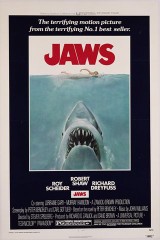
Much has been made of Spielberg’s expert use of the unknown and unseen in Jaws, and nowhere is it more apparent than in the movie’s opening scene in which a woman is jerked to and fro by something moving beneath her in the black abyss. (Stuntwoman Susan Blacklinie had hooks attached to her Levi’s and was being pulled by divers.) The scene is also the first time the world got to hear that iconic John Williams score, its pulsing slow-build instantly becoming a mood-building classic. We eventually went back in the water after seeing Jaws, but never at night.

(Photo by Weinstein Company/Courtesy Everett Collection)
The scene: A transcendental experience
Martyrs was part of the New French Extremity movement, where a wave of filmmakers put out horror films hit harder than ever before. Part home invasion, part torture porn, all blood and gristle, Martyrs details a cult-like group who torture young, beautiful women to the brink of death to uncover insights into the afterlife. It all comes to a head with the final sequence, where one of the main characters is flayed alive. Worse: She survives. Even worser: The experiment actually works, as the character enters a transcendental state. The knowledge she gleans about the afterlife and passes on, however, proves too much for the living.

(Photo by Columbia/courtesy Everett Collection)
The scene: Annie breaks Paul’s legs
When it comes to visceral gross-out scares, the Saw films may win for degree of difficulty and Hostel (remember that one?) may be the king of holy-f—k gore. But for impact, nothing beats Rob Reiner’s Misery, in which barely a drop of blood is spilled and not a single eyeball plucked. We’re cringing just remembering the moment Kathy Bates’ Annie Wilkes’ places a block of wood between a tied-down Paul Sheldon’s (James Caan) feet and breaks his ankles with the swoop of a giant sledgehammer. The crunch! The unnatural bend of the ankle! The slow and methodical description of “hobbling” that Wilkes gives before she takes her epic swing! Jigsaw ain’t got nothing.

(Photo by Paramount Pictures/courtesy Everett Collection)
The scene: The 21st night
Oren Peli’s game-changing found-footage film did for the bedroom what Blair Witch did for the woods. The fast-forwarded footage of Katie (Katie Featherstone) standing by her bed and watching Micah sleep was the reason some of us got separate bedrooms – with locks – from our loved ones for months after the hit film’s release. But the movie saved its best shock for last: On night 21, a now fully possessed Katie leaves the bedroom, lures Micah out with a torrent of screams, and then – after a seemingly endless silence – throws him at the screen and proceeds to eat him. Well, at least we think that’s what might happen. Like Blair Witch’s unexplained finale, this one leaves us with lots of theories to chew on.

(Photo by Universal Pictures)
The scene: The shower kill
Hitchcock didn’t invent the slasher, but we’ll be damned if he didn’t perfect it with Psycho and its seminal scene: Marion Crane’s iconic shower death. Even after you analyze the hell out of it – the Hershey’s chocolate syrup in place of blood; the edits that never once show knife penetrating skin – the moment loses none of its ability to shock. The key is the build-up, that wonderful shadow of Norman behind the curtain, and then the brutality: those quick-cut thrusts matched by that iconic burst of Bernard Herrmann’s score.

(Photo by Filmax/Courtesy Everett Collection)
The scene: Dragged into darkness
This is a found footage nightmare set in a quarantined building in Barcelona where a zombie virus infection is breaking out. Our protaganist Angela is a newscaster who at first merely wants to report on the mysterious closure of the building, and then becomes the news herself when she ges swept into the quarantine. [REC] is a roller coaster of a film, culminating in its final scene, presented in eerie quiet and night vision, as Angela, seeming like she just might make it out, is dragged into the darkness while the dropped camera rolls on. It’s such an effective moment, it was of course spoiled on the theatrical for the American remake Quarantine.

(Photo by DreamWorks/courtesy Everett Collection)
The scene: The cursed video
It took us far longer than seven days to wipe the images from this bizarro piece of video art from our minds. Gore Verbinski’s U.S. remake of The Ring is full of excellent creepouts – Samara emerging from the TV; the distorted victims’ faces – but the ace up its sleeve is the video at its center. This unnerving mish-mash of static, random ominous imagery (a tree aflame, a woman brushing her hair), and insistent screeching is truly dread-inducing. Even after it’s been aped by the opening sequence of nearly every season of American Horror Story, the Ring video still makes an impact.

(Photo by Paramount)
The scene: Mother and child
The tension rises and falls throughout Rosemary’s Baby, never allowing the viewer to quite settle in and fully process what’s happening. A demonic rape her, some weird juice there, just to keep the viewer discombobulated. It all reaches a boiling point in the dream-like coda, when Rosemary wakes up after giving birth, in her empty apartment. She finds a hidden room where her husband and neighobrs have gathered, all in on the conspiracy for her to deliver Satan’s child, and welcome her in. You never see the baby, but Rosemary’s line says it all: “What have you done to him? What have you done to his eyes?!”

(Photo by Dimension Films)
The scene: ‘Do you like scary movies?’
Wes Craven and Kevin Williamson’s genre-reinvigorating classic kicks off with what many consider the greatest opening scene in horror history. Plot-wise, it’s basically When A Stranger Calls, ’90s-style – girl is alone in the house, receives stalk-y phone call, happens to have encyclopedia knowledge of the film genre in which she suddenly finds herself – but Craven brings so much smart and bravura skill to the direction of it that it kicks complete ass even decades later, after we’ve seen the countless imitators that followed and the shock of having a big-star snuffed out in the first 10 minutes has worn off. Credit too to Ghostface voice Roger L. Jackson, that perfectly placed pan of Jiffy Pop, and to Williamson’s script, a step-by-step screenwriting masterclass in how to ratchet up tension. “The question who am I, the question is where am I?”: Chills to this day.

(Photo by Warner Bros)
The scene: Jack on the attack
Kubrick stuffed his adaptation of Stephen King’s novel with so many scary moments and images, trying to pick just one could drive you to Jack Torrance levels of craziness. But we’re doing it anyway. While the Grady twins in the hallway are spooky as hell, and we still can’t erase the image of the bathtub woman from our minds, we had to go with the movie’s most iconic moment: Wendy trapped in a bathroom as Jack hammers at the door. Kubrick’s swinging camera, Jack Nicholson’s mania, and Shelley Duvall’s totally convincing fear combine to make this the most terrifying scene in one of cinema’s most terrifying movies.

(Photo by United Film Distribution Company /courtesy Everett Collection)
The scene: The big reveal
For much of its runtime, Sleepaway Camp plays like any other teen slasher of the 1980s, with a bunch of kids who are summarily executed one-by-one by a mysterious killer. If some of the kills are overly creative — death by a thousand bee stings? a curling iron in the hoo-ha? — none of them compares to the twist at the end of the film, which comes from way out of left field. The quiet, young, bullied girl at the center of the movie, Felissa Rose’s Angela, is not only revealed to be the killer, she’s also outed as a man, dressed up as the opposite gender by his demented aunt.

(Photo by Bryanston Distributing Company)
The scene: Leatherface appears
The Texas Chain Saw Massacare is considered one of the most punishing, sickly transformative experiences in horror. And it’s not even 90 minutes long. And nothing happens for like the first 30 minutes. But once Leatherface appears, the movie never lets up afterwards. His grand debut happens inside his house, when a stupidly intrepid young adult enters looking for fuel for his car. Leathface pops out from a hallway and hits the dude in the hammer, the body crumpling and then twitching on the ground. Leatherface drags the body into the butcher room, and slams the door. There’s plenty of more scares to come, but this opening salvo is as disturbing as they come.

(Photo by Universal/courtesy Everett Collection)
The scene: Getting something off your chest
John Carpenter was well into his groove by the time he made The Thing, and he put all of his talents on display to contribute one of the most influential entries in the “body horror” genre not directed by David Cronenberg. We get our first glimpse of the “thing” fairly early in the movie when it absorbs a pack of huskies, and we see it again when it attempts to assimilate Peter Maloney’s Bennings. But the big scare comes when Charles Hallahan’s Norris appears to have a heart attack, and Dr. Copper (Richard Dysart) attempts to revive him with a defibrillator. Norris’ chest opens up like a giant mouth, complete with teeth, and rips Copper’s arms off before Kurt Russell’s MacReady blasts it with a flamethrower. Thanks to some top-notch practical effects and the judicious use of a jump-scare, the scene remains the most memorable and viscerally disturbing in the movie.

(Photo by Argos Films)
The scene: The truth
Forget everything you know about The Vanishing. Oh, that was fast — as if you’ve never seen the Jeff Bridges/Sandra Bullock kidnap thriller before. It was a lousy movie with the distinction of being a remake…with the same director. George Sluzier was brought to Hollywood to direct the remake, and it’s easy to see why: the 1988 Dutch original is a chilling, methodical examination about the mundane face of pure evil. Naturally, the American version has none of that. It also doesn’t have the original’s ending: When the hero finally confronts his girlfriend’s kidnapper, who offers him the opportunity to find out what happened to her. The answer is one of the most terrifying scenes in movie history.

(Photo by Columbia Pictures)
The scene: The phone calls
Pop in When a Stranger Calls and for the first 20 minutes, you’ll think you’re watching the scariest movie ever made. Carol Kane plays the babysitter, and she keeps on getting increasingly menacing calls to check on the kids upstairs. When she gets the call traced, naturally it’s coming from inside the house! Think this scene won’t work anymore because it’s been parodied and referenced to death since? Think again. It remains a masterclass in editing and suspense. The rest of the movie is pretty lousy, but that opening act can still dial up the tension decades later.

(Photo by British Lion Films)
The scene: The burning
Not quite a masterpiece these days but definitely a classic, The Wicker Man follows a prudish police officer as he investigates the disappearance of a young girl on a remote English island populated by pagans. As he follows the clues and contradicting statements of the village people, he edges ever closer to the titular wicker man, a sacrificial vessel to be burned at dusk. Even if you can get who gets put inside it, the sheer intensity and terror of the scene is still something to be witnessed.
Director Ari Aster unleashes Midsommar this week, his follow-up to breakout debut Hereditary, the family shocker made very much in the horror tradition of dark corners, black nights, and creeping shadows to conjure up scares. Midsommar, set in remote Sweden during a flower-dressed festival, is designed as an anomaly: A gruesome horror movie that allows all its gore and brutality to curdle in open, bright daylight. There’s no hiding away in this one, folks, inspiring us to offer up our own selection of the 11 scariest scenes where the blood shines bright as the sun.

(Photo by Fox Searchlight. All rights reserved/Courtesy Everett Collection)
Here’s a movie that turns up the heat — literally — as a space crew treks with a nuclear payload to reignite our dying sun. A monumental task for those onboard the Icarus II, but the real danger takes on a more human face when they encounter the derelict Icarus I, which disappeared on the same mission seven years earlier. Sunshine morphs into a sun-bright slasher in its third act, a contrast to the earlier somber psychological tone, but director Danny Boyle tackles the shift with zest, challenging himself to pull the knife out of shadows and into retina-searing white light.

A condemned asylum. Inside: clattering chains, disturbed wheelchairs, and crumbling wards. A group of people enter to clean up the place, some who harbor dark histories. Sound like a set up for classic dark and stormy Gothic tale? Not so with Session 9. What kind of clean up crew would work at night? Come on, this is a horror movie: Logic is king here. A slow atmospheric burn with minimal gore until its final minutes, but even when things go to hell, the blood is bathed in New England sun.

Midsommar owes a blood debt to this provincial classic: the unsettling tale of an uptight Christian cop investigating a young girl’s disappearance on an island of decadent mystic pagans has thematic and visual parallels to Aster’s film. Likewise, nearly the entire movie is set during the day among verdant nature and maypole celebrations and foreshadowing musical rhymes that seem to follow the officer everywhere he goes. It’s far too late when he realizes the true nature of his work, leading to a fiery climax in the friscalating dusk light.
Some of the best horror wedges its way into the normal, degrading the routine and humdrum into a morass of paranoia and fear. Final Destination 2 does that with the daily morning commute, because what could be more humdrum than getting in our 1,000 lb. metal husks every day, navigating them manually down the road as cars careen towards us in the opposite direction separated only by capriciously painted lines on the ground? Suddenly, something as innocent as a flatbed of loose tree logs becomes a rolling thunder revue of broken windshield, splattered heads, and Michael Bay–style auto explosions.
28 Days Later‘s famous opening features calm shots of the hero wandering an empty London metropolis depopulated by zombies — moments we would consider eerie, almost beautiful, but not scary. 28 Weeks Later takes the opposite approach. It’s set in the countryside, as a band of infected descend upon defenseless survivors. The camera is in your face, the footage choppy and frantically (but not confusingly) edited, save for a gliding crane shot as our new “hero” flees across the field and towards a waiting river boat. The fact that he just abandoned his wife to the zombies moments earlier contribute to the gut-punching bleakness of the situation. Now that we consider scary.

Like a rusty chainsaw, Tobe Hooper’s horror masterpiece takes a moment to rev up. But once it gets going, the movie is relentless, grinding down the viewer’s endurance up until the famous ending of Leatherface cutting the rising sun light in boiling anger. It’s a great final appearance, but his first introduction is even better. Hapless travelers, in search of gas for their thirsty boogie van, approach a piquant homestead, oblivious that its inhabitants are cannibal freaks who have no qualms doing their dirty deeds in daylight. Leatherface suddenly appears from out of a hallway, smashes his victim’s head in with a hammer as the body crumples and twitches on the ground, and then slides the slaughterhouse door shut. Looks like meat’s back on the menu, boys!
The Curse of La Llorona hits theaters this week, giving us our first major studio adaptation of the eponymous Mexican folktale also known as “the weeping woman.” Horror master Guillermo del Toro borrowed heavily from the Mexican legend for his 2013 film Mama, but this James Wan-produced scare-fest centers solely on the spirit who, it is said, tragically killed her children, committed suicide, and vowed to terrorize mothers as her eternal retribution.
The movie joins a long list of horror films based on legends (among them, one literally called Urban Legends… don’t pretend you don’t remember it). If you like your horror based on a kinda-maybe-sort-coulda-been true story – or at least the story your buddies and grandma used to scare you with – look no further than these wicked legend-based horror movies that came before La Llorona.
Origin: Pagan Mythology
Adaptations: The Wicker Man (1973), The Wicker Man (2006)
Which Wicker Man should you watch? The original 1973 film starring the late Christopher Lee – that treasure trove of haunting imagery with its dagger-to-your-heart ending? Or the Nicolas Cage “not the bees!” version? Either or, depending on whether you’ve got a hunger for shivers or… for munchies. Both films relied heavily on the Druid (Celtic Pagan) practice of burning a Wicker statue in effigy – which might not have actually been a practice at all. The idea of making a sacrifice by burning a giant effigy was first documented in a single sentence by Julius Caesar circa 50 BC, but modern scholars have become increasingly skeptical. Still, the image remains scary AF.
Origin: Irish Folklore
Memorable Adaptations: The Leprechaun Franchise
The 20th-century leprechaun, as seen on a box of Lucky Charms, is a far cry from the devilish and sometimes benevolent creature you will find in Irish folklore. Tricksters and hoarders of jewels, leprechauns are the supposed offspring of demon (evil spirit) and fairy (angelic spirit) couplings. Because of their equal capacity for good and evil, Celtic mythology is littered with examples of both just and wicked deeds committed by the magical creatures. Warwick Davis originated the role in the legendary B-movie Leprechaun series and continued with it until the franchise rebooted in 2014. According to Davis, the In the Hood installments were the most successful of the direct-to-video efforts. If you’ve witnessed Davis rapping in the finale of Leprechaun in the Hood, you will understand why.
Origin: Mexican Folklore
Memorable Adaptations: Mama, The Curse of La Llorona
At some point in every mythology, there’s a tale of female, particularly maternal, vengeance — think Dionysus or Medea (the Greek myth, not the Tyler Perry version). Even the original Friday the 13th can be traced back to a mother scorned. In The Curse of La Llorona, a mother drowns her children in a jealous rage to seek revenge on her cheating husband. Reckoning with what she did, she commits suicide, only to be denied entry to the afterlife, cursed to roam the earth weeping, drowning children, and tormenting mothers for all her days. It’s a true word-of-mouth legend, unable to be traced back to any known story or event, and director Michael Chaves told us, “It can be difficult to manage the nuances of it being an oral tradition. It’s hard to pin down what is the right version. So you [go] through all of it to find [the] core experience that so many people grew up on, [what was] told to them as kids. That’s what we wanted to bring on screen.”
Origin: Southern American Folklore
Memorable Adaptations: The Blair Witch Project, Book of Shadows – Blair Witch 2, Blair Witch
As the legend goes, the Bell family was visited by a spirit in early 1817, bringing reports of spooky black dogs and shadowy figures. If the strangeness stopped there, we might not have included it on our list, but after the first Bell Witch hauntings, there have been countless reported reappearances with similar details often coming from unrelated parties miles apart. What to do with such a creepy story? Make a movie, of course – and cheaply. The makers of The Blair Witch Project used the spooky lore, low-budget scares, and perhaps the savviest early internet marketing campaign to create one of the most lucrative movies ever.
Origin: American folklore
Memorable Adaptations: The Amityville Horror Franchise
Amityville lies somewhere between folklore and urban legend, but the inexplicable twists and turns surrounding the early ’70s supernatural events that inspired the Amityville movies have cemented them as the granddaddy of lore-based horror cinema. Spanning 23 films over 40 years, The Amityville Horror series chronicles the 1974 haunting first investigated by famed paranormal investigators Ed and Lorraine Warren, though many debate the accuracy of the Warrens’ story. As the original story goes, Ronald DeFeo Jr. shot and killed six members of his family at home in Amityville, New York, and since then, strange occurrences – mostly focused around the Lutz family that hired the Warrens – have plagued the house where it all went down.
Origin: Creepy-pasta/American folklore
Memorable Adaptations: Beware the Slenderman, Slender Man
This one might be a stretch (forgive us), but Slender Man has morphed into modern-day folklore. The Slender Man is a work of pure fiction about a tall and, well, slender spirit that calls others to murder in his name. One of the first documented instances of digital folklore, originating in online message boards, the Slender Man was blamed for directing teenagers to commit suicide, murder, and commit assault on each other indiscriminately. The most notorious incident was the Waukesha, Wisconsin stabbing, in which a pair of 12-year-olds meticulously planned the murder of a friend by stabbing; the victim did thankfully survive, but the incident made national headlines. Of all the tales on our list, the legend of Slender Man is the only one accused in court of turning pre-teens into murderers.
The Curse of La Llorona is in theaters April 22.
Movie remakes tend to get an automatic bad rap, but this time we’re putting some numbers behind it. Take the original’s Tomatometer rating, subtract by the remake’s number, and voila: the 24 worst movie remakes by Tomatometer!
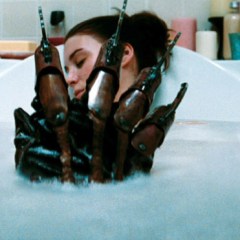
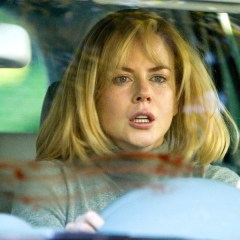
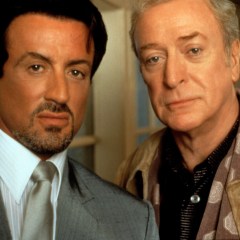
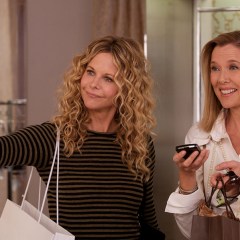



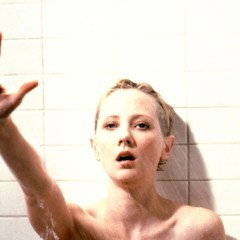
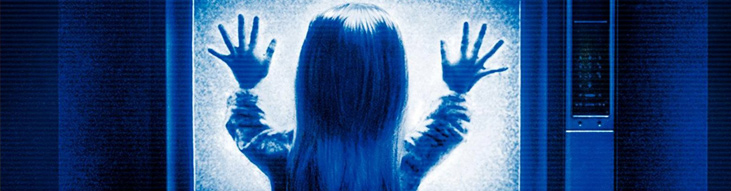
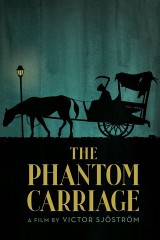
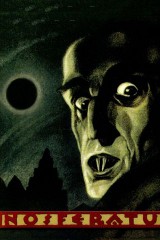
Look, we know that it’s the time of year when everyone and their sister has a list of the best horror movies of all time. This time out, we at Rotten Tomatoes decided to take a slightly different tack. Using our weighted formula, we compiled a list of the best-reviewed fright fests from each year since 1920 — the year The Cabinet of Dr. Caligari, which created the template for horror cinema, was released. This wasn’t an easy assignment — there were several years, like 1932 and 1960, that boasted a slate of classic films (and a few others, like 1937 and 1938, in which we had trouble finding any solid contenders). What was the best horror flick the year you were born? Check out our list — if you dare.
 96%
96%
 100%
100%
 97%
97%
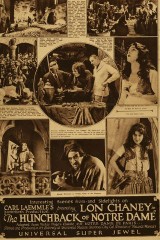 93%
93%
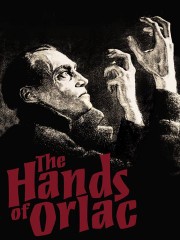 91%
91%
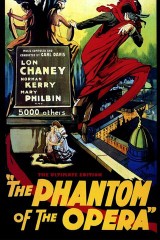 90%
90%
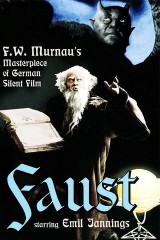 91%
91%
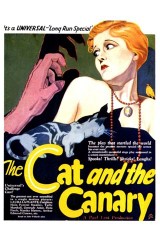 94%
94%
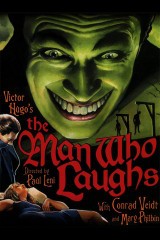 100%
100%
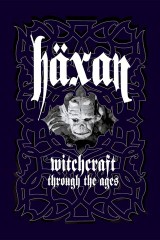 93%
93%
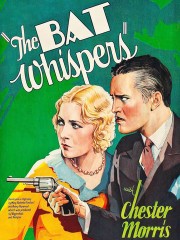 67%
67%
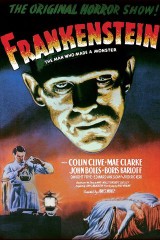 94%
94%
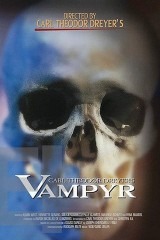 98%
97%
98%
97%
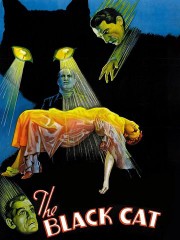 89%
89%
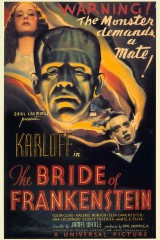 98%
79%
98%
79%
 95%
95%
 79%
79%
 91%
91%
 92%
92%
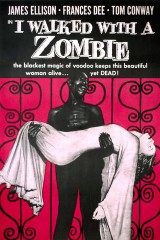 85%
85%
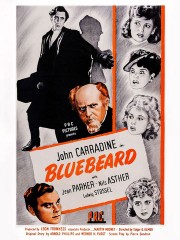 100%
100%
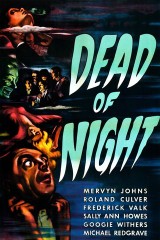 96%
96%
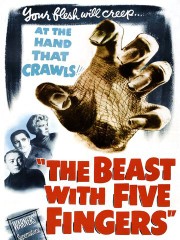 95%
63%
95%
63%
 90%
90%
 96%
96%
 60%
60%
 87%
100%
87%
100%
 93%
93%
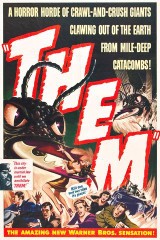 93%
93%
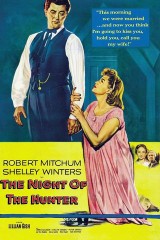 93%
93%
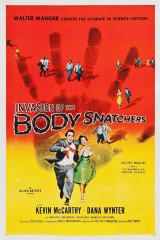 97%
97%
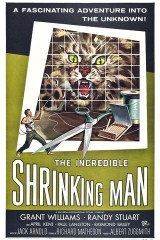 83%
83%
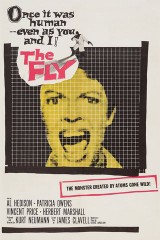 95%
95%
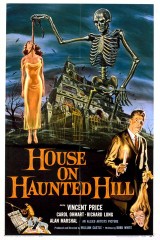 80%
80%
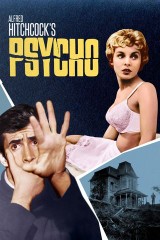 97%
97%
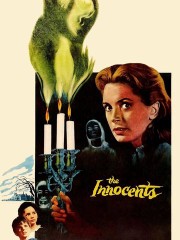 95%
95%
 97%
95%
97%
95%
 91%
91%
 96%
81%
96%
81%
 100%
100%
 97%
97%
 86%
86%
 81%
81%
 88%
88%
 64%
64%
 93%
84%
93%
84%
 97%
97%
 94%
94%
 94%
94%
 93%
93%
 93%
84%
85%
93%
84%
85%
 88%
88%
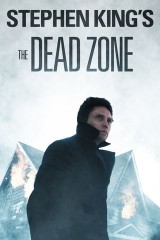 89%
89%
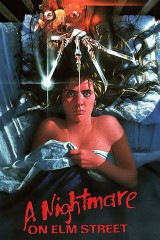 94%
94%
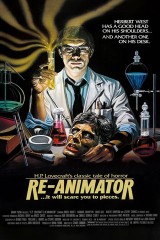 90%
90%
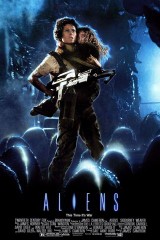 94%
88%
94%
88%
 96%
96%
 88%
88%
 91%
91%
 95%
95%
 69%
89%
69%
89%
 88%
88%
 85%
85%
 78%
78%
 83%
98%
83%
98%
 86%
86%
 82%
82%
 93%
72%
93%
72%
 87%
92%
87%
92%
 75%
87%
93%
75%
87%
93%
 98%
98%
 92%
89%
92%
89%
 91%
92%
91%
92%
 86%
98%
95%
91%
86%
98%
95%
91%
 98%
96%
98%
96%
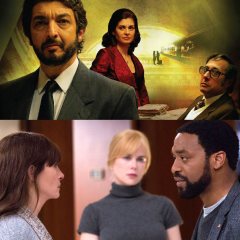
The 2010 Best Foreign Language Film winner The Secret in Their Eyes is being remade…as Secret in Their Eyes, a murder mystery starring Nicole Kidman, Julia Roberts, and Chiwetel Ejiofor. As Americans, we don’t need definite articles in our movie titles, but we do occasionally need help thinking up stories to shoot, prompting this week’s 24 Frames gallery of foreign thrillers versus their Hollywood counterparts.
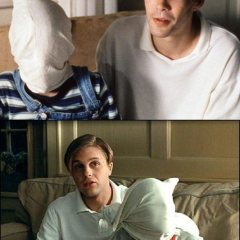
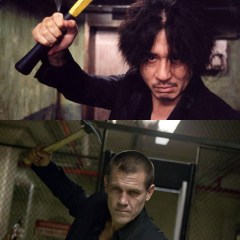
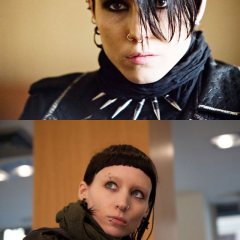
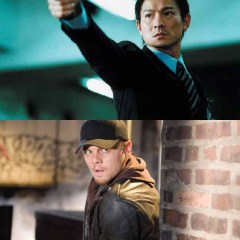
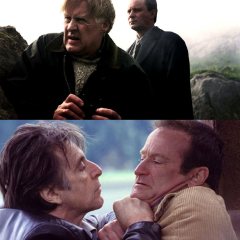
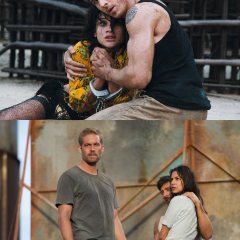
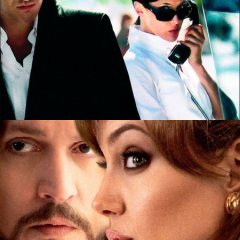
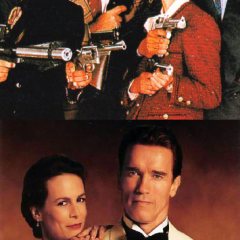
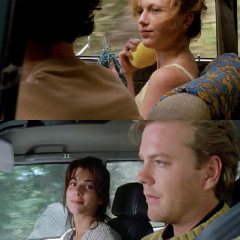
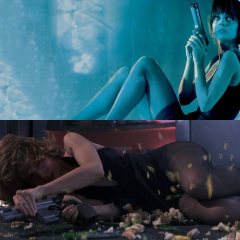

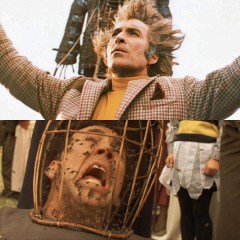
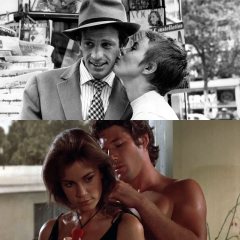

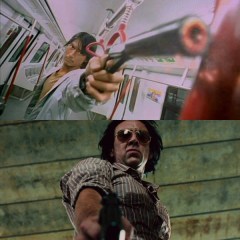


There have been so many horror remakes that there’s no way we could cover them all at once. We did, however, decide to collect a sampling list, making room for some of the best, worst, and most puzzlingly misguided examples from the genre. Let’s get started, shall we?

Like many of the movies on this week’s list, the latter-day Amityville Horror was produced by Michael Bay’s Platinum Dunes — and like more than a few of them, it suffered in comparison to the original. Which is a shame, because Amityville‘s central story — about a young family moving into a horrifically haunted house — is both devilishly simple and allegedly fact-based, which has helped the franchise retain its aura even through a series of sometimes-silly sequels and spinoffs. Unfortunately, despite a talented cast that included Ryan Reynolds, Melissa George, and a young(er) Chloe Grace Moretz, this Horror was mainly scary for the studio execs who had to account for its $64 million domestic gross, which sentenced the franchise to years of direct-to-DVD purgatory.

Inspired by the way David Cronenberg used modern special effects and less-campy storytelling to amp up the horror in The Fly, Hollywood spent a portion of the late 1980s rushing to the vaults and searching for other long-dormant properties that might benefit from the remake treatment. Hence 1988’s The Blob, in which an alien goo plops down in a small town and starts gorging on its unsuspecting residents. It was just as fantastically cheesy a premise as it had been in 1958, when Steve McQueen starred in the original — but thanks to a solid screenplay from future Shawshank Redemption director/adapter Frank Darabont, as well as a (slightly) more believable Blob, it managed to just about reach the rather low bar set by its predecessor, which is about all one can hope for when making a film about hungry interstellar plasma.

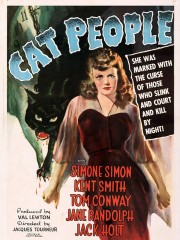
The original Cat People, produced on the cheap by Val Lewton in 1942, emphasized suggestion over explicit horror; four decades later, director Paul Schrader used the movie’s central idea — about people whose sexual desires trigger a sometimes-deadly feline transformation — as the basis for a steamy softcore flick that made up for its lack of genuine scares with an abundance of Natassja Kinski and a cool soundtrack featuring David Bowie and Giorgio Moroder. While it may not be the most terrifying movie on this list, it’s probably one of the hardest to turn away from if you happen across it on the cable dial during a bout of late-night viewing.

“WHY ARE THE GOOD PEOPLE DYING?” screamed the poster for George A. Romero’s paranoid The Crazies about the side effects of a military accident that resulted in a small American town being poisoned with a biological weapon that turns people into violent lunatics. Sadly, the tagline for Romero’s 1973 effort might as well have been “WHY WON’T MOST THEATERS SHOW THE CRAZIES?,” because the picture died with a whimper at the box office — but a good idea always turns up again in the horror genre, and in 2010, director Breck Eisner repurposed Romero’s original to create a sleek, gleefully nasty update that managed a surprisingly robust 71 percent on the Tomatometer. Alas, while Eisner’s Crazies at least made it to wide release, they didn’t fare a whole lot better at the box office, managing to slash together ony $54 million worldwide. The result of a military-industrial conspiracy, perhaps?

Did George Romero’s Dawn of the Dead really need a remake? Perhaps not. But if we were going to get one, it might as well have been one that blended the the visual wizardry of director Zack Snyder with a screenplay from future Guardians of the Galaxy mastermind James Gunn, and that’s just what we got with this 2004 “re-envisioning” of the zombie classic. Using the original’s basic framework as an effective delivery mechanism for a fresh round of gruesome gore and heart-pumping action, the new Dawn proved surprisingly bright for most critics, including Aisle Seat’s Mike McGranaghan, who wrote, “Dawn of the Dead is ultra-violent, excessively bloody, and extremely gory — all in a good way. I left the theater feeling pumped full of adrenaline.”

It might seem a little odd to base a horror remake on a TV movie from the 1970s, but the original Don’t Be Afraid of the Dark — starring Kim Darby as a housewife whose new home comes with some nasty little tenants lurking in the basement — is a cult classic for aficionados of the genre, so a theatrical version was probably inevitable. Given that the 2011 edition was co-written and produced by Guillermo del Toro, fans had reason to be hopeful that the remade Dark would be even scarier than the first; alas, after being trapped in studio limbo for months due to Miramax’s shuttering, director Troy Nixey’s update on the story — which focused on an eight-year-old (Bailee Madison) and her father’s girlfriend (Katie Holmes) — was greeted with lukewarm indifference by audiences and critics alike. Perhaps some things are just more frightening on the boob tube.

How in the world do you put together a remake of one of the most beloved horror-comedy cult classics of the last 40 years? If you’re director Fede Alvarez, you film a new version of Evil Dead with production input from creator Sam Raimi and original star Bruce Campbell, a much bigger budget, and a far more serious take on the story of young campers who unwittingly unleash a demon plague while goofing around with the Book of the Dead. The amped-up gore in Alvarez’s Evil Dead certainly wasn’t for everyone, but it arguably made more sense, given the film’s narrative outline — and the resultant uptick in attention to the franchise helped lead to the subsequent TV series Ash vs. Evil Dead.

The original version of The Fly, released in 1958, was a Vincent Price classic that didn’t really need to be remade, but that didn’t stop producer Stuart Cornfield (working with an uncredited Mel Brooks) from getting the ball rolling on a new version. After several years in development, plenty of studio struggle, and some turnover at the screenwriter and director positions, Cornfield had his movie: David Cronenberg’s gorier, more suspenseful take on The Fly, which went back to George Langelaan’s 1957 short story and emerged with one of the more delightfully suspenseful horror/sci-fi movies of the 1980s. Unfortunately, Cronenberg’s Fly — starring Jeff Goldblum as the ill-fated scientist whose experiments leave his DNA accidentally intertwined with the titular pest, and Geena Davis as the woman who loves him — was too successful to prevent a sequel: 1989’s rather uninspired The Fly II. Rumors of another remake (and a quasi-sequel penned by Cronenberg) have popped up over the years, but it’s all been for naught. So far, anyway.

Featuring a “star” hidden behind a hockey mask and a brilliantly low-budget conceit that needed nothing more than anonymous young actors capable of screaming in various states of undress, the Friday the 13th series was one of the most reliably profitable horror franchises of the 1980s — and ripe for the reboot treatment in the 21st century. Platinum Dunes did the honors in 2009, reimagining the murderous Jason Voorhees as more of a lethal maniac and less of a lumbering dolt, with cooler special effects and plenty of T&A; once again, the formula worked, producing plenty of pure profit for the studio and signaling that perhaps a new slew of sequels was on the horizon. Alas, Jason slumbered for the next several years, although he’s currently set to terrorize a fresh batch of Crystal Lake campers on May 13, 2016.

If director Craig Gillespie had polled horror fans in 2011 and asked them if he really needed to remake 1985’s Fright Night, the answer probably would have been a resounding “no”; after all, the original was not only a surprise hit, it had matured into a solid favorite among scary movie lovers, and little seemed to be gained by updating the story of a horror-loving teen (William Ragsdale) who makes the awful discovery that his new neighbor (Chris Sarandon) is secretly a vampire. While it may not have been strictly necessary, the new Fright Night — starring Anton Yelchin as young Charley Brewster and Colin Farrell as the undead addition to the neighborhood — proved surprisingly potent, with Farrell’s charismatic performance matching Gillespie’s confident lens. While box office returns were fairly weak, the remake brought the Fright Night franchise back to life, with a direct-to-video sequel arriving in 2013.

By the 2000s, producer Moustapha Akkad’s once-proud Halloween franchise had fallen on hard times, with deathless serial killer Michael Myers resurfacing in a series of low-budget sequels that bore little resemblance to John Carpenter’s classic 1978 original. All that was left was to start over from the beginning — and that’s what director Rob Zombie did with 2007’s Halloween, which retold Myers’ gruesome origin story and returned him to poor, unfortunate Haddonfield, Illinois for a gorier version of his first grown-up killing spree. While Zombie had previously flirted with critical respectability with 2005’s The Devil’s Rejects, his Halloween mustered a mere 25 percent on the Tomatometer — not as high as 1982’s much-maligned Halloween III: Season of the Witch, but still better than the sixth installment in the series, 1995’s The Curse of Michael Myers, and good enough to greenlight a sequel (dubbed H2) in 2009. A planned 3D follow-up eventually fell off the schedule, but the next sequel, reportedly titled Halloween Returns, is currently in development.

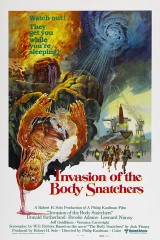
If Gus Van Sant’s Psycho serves as an argument against remakes, then the 1978 version of Invasion of the Body Snatchers offers an equally persuasive rebuttal. While the 1956 original is one of the most highly regarded sci-fi/horror movies of its era, director Philip Kaufman’s update matched it with a thrillingly gritty, ensemble-driven look at what might happen if alien spores landed on Earth and started sprouting eerily emotionless replicas of our friends and loved ones. Sharpening up the special effects without overly relying on them, the new-look Body Snatchers featured solid performances from a stellar cast that included Donald Sutherland, Leonard Nimoy, and Jeff Goldblum — and although it definitely made its share of money at the box office in 1978, if anything it’s even more highly regarded today. Here’s hoping Kaufman’s Snatchers continues to stand as the most recent version of the movie for many more years to come.

If you’re looking for fright value, bad guys don’t come much more elegantly brutal than a bloodthirsty lunatic with a pickaxe, which might be why the low-budget 1981 Canadian slasher flick My Bloody Valentine — about a miner who survives a collapse by dining on his fellow crew members, goes crazy before being rescued, and wages murderous revenge — proved even more potent when its 3D remake surfaced in 2009. And although it may not have generated blockbuster numbers at the box office, it fared surprisingly well with critics; it can’t be long before we’re treated to yet another Bloody Valentine.

Given how much money the Nightmare on Elm Street movies made for New Line during the 1980s and early 1990s, remakes and/or reboots were probably always a matter of course; problem was, the series was just as memorable for Robert Englund’s outstanding performance in the role of series killer Freddy Krueger as it was for its scores of inventive on-screen murders. Faced with the unsolvable problem of replacing Englund, the folks at Platinum Dunes hired Jackie Earle Haley to take over the part for their 2010 reboot — and although Haley is certainly a talented actor, and more than capable of exuding a sinister aura, he isn’t as physically imposing as Englund. Add that to a story that hit many of the same beats as the original, and the end result was a movie that, while certainly profitable, failed to land with as much impact as it had the first (eight) time(s) around.

Werner Herzog’s filmography offers more than a few case studies in audaciousness, not the least of which is 1979’s Nosferatu: Phantom der Nacht. Occasionally referred to by its less cool English title, Nosferatu the Vampyre, this remake of F.W. Murnau’s classic 1922 silent film finds Klaus Kinski stepping into the bloodsucking role so memorably inhabited by Max Schreck, with all parties involved acquitting themselves admirably. No less a cinematic authority than Roger Ebert agreed, writing that “To say of someone that they were born to play a vampire is a strange compliment, but if you will compare the two versions of Nosferatu you might agree with me that only Kinski could have equaled or rivaled Max Schreck’s performance.”

Of all the remakes on our list, Gus Van Sant’s Psycho embraces the concept more eagerly than most, delivering a somewhat bafflingly precise update on the 1960 Hitchcock classic with a shot-for-shot replication that, while assembled and acted by talented creative types, exhibited no real creativity of its own. But while Van Sant’s Psycho wound up bottoming out at a rather miserable 37 percent on the Tomatometer, he dodged a few bullets in at least one sense — unlike a lot of remakes of classic films, his attempt to re-Hitchcock Hitchcock inspired more critical bafflement than anger or derision. Ultimately, the 1998 Psycho serves as a perfectly persuasive (albeit most likely unintentional) argument against remakes in general.

A man, a plan, a chainsaw. Oh, and a facemask made out of human skin. It may not sound like much, but from the moment 1974’s Texas Chainsaw Massacre terrified its first audiences, it’s served as the basis for one of the horror genre’s more surprisingly durable franchises — in spite of the mostly miserable track record suffered by its spate of periodic prequels, sequels, and spinoffs. The horror remake enthusiasts at Platinum Dunes tried to take things back to the beginning (again) with their 2003 Texas Chainsaw Massacre, and although most critics claimed time had dulled Leatherface’s blade, audiences still turned out to the tune of more than $100 million in box office grosses. Yet another prequel followed in 2006, followed by a 3D sequel to the original in 2013, and the origin story Leatherface is currently scheduled for 2016. Confused? Don’t think too hard; in the end, it all goes back to those first simple ingredients.

There are worse (and far, far better) horror remakes than Neil LaBute’s update on The Wicker Man, but we absolutely had to include it here, because no other film provides its particular brand of sheer, cackling lunacy. While it’s misguided on just about every level, the 2006 Wicker is chiefly noteworthy thanks to Nicolas Cage’s presence as police detective Edward Malus, whose journey to a secluded island in search of his abducted daughter ends very badly for all concerned — including any audience members not prepared for the unforgettable sight of Cage punching a woman in the face while wearing a bear suit, or the equally memorable sound of Cage screaming “Oh God! Not the bees!” Avoid it if you’re looking for truly scary viewing, but it still needs to be seen in order to be believed.
En español: Read this article in Spanish at Tomatazos.com.
Back for its fifth season, the newly branded American Horror Story: Hotel takes place at the fictional and haunted Cortez in Los Angeles, a place where the guests check in but they don’t check out. But at least Lady Gaga’s here! Anyways, it’s inspiring this week’s 24 Frames gallery, a look at some of the bloodiest and crappiest hotels from movie and TV history.


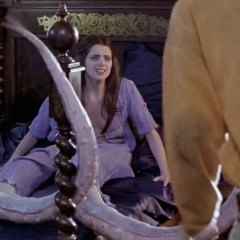
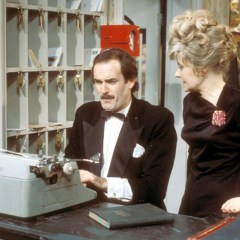
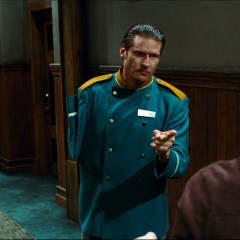

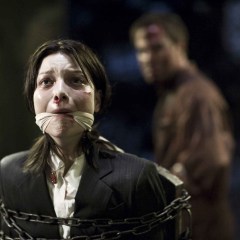
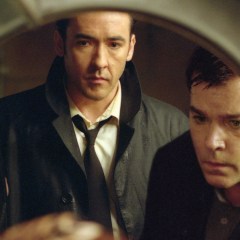
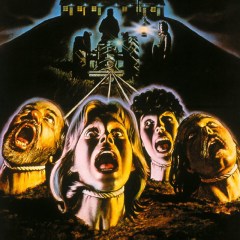
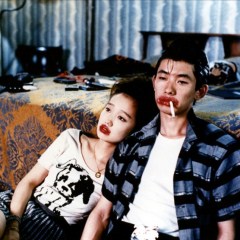
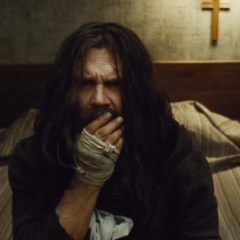
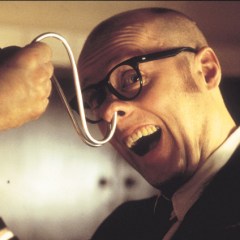
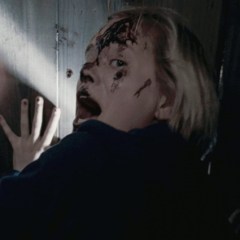
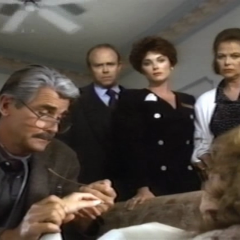

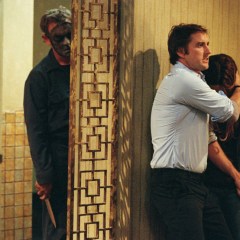

Sir Christopher Lee, whose imposing height, stentorian voice, and piercing eyes made him a commanding and usually villainous presence in Hammer’s horror films and the Lord of the Rings series, died Sunday, June 7 in a London hospital, reportedly of respiratory and heart ailments. He was 93.
The only actor to contribute to the Lord of the Rings, Star Wars, James Bond, and Police Academy franchises, Lee made his big screen debut in 1948 in the drama Corridor of Mirrors (and had an uncredited role in Best Picture winner Hamlet). However, it was his role as the legendary monster in The Curse of Frankenstein that would help to define Lee in the public’s eye; he became the face of Hammer Horror, which blended gothic, Grand Guignol period trappings and bright red blood, often streaming down Lee’s cheeks as his Count Dracula claimed another victim. Perhaps his finest achievement in the horror genre was the eerie, unsettling The Wicker Man, which was one of the actor’s personal favorites.
As the decades progressed, Lee branched out, bringing his villainous presence to the James Bond series in The Man With the Golden Gun; as the white-haired wizard Saruman in the Lord of the Rings series (most recently in The Hobbit: The Battle of the Five Armies in 2014); and the Jedi bounty hunter Count Dooku in two of the Star Wars prequels. Lee worked with such acclaimed directors as John Huston (Moulin Rouge), Billy Wilder (The Private Life of Sherlock Holmes), Steven Spielberg (1941), Alejandro Jodorowsky (The Rainbow Thief), and Martin Scorsese (Hugo). Lee also collaborated extensively with Tim Burton, appearing in six of the director’s films.
Born in London in 1922, Lee served as an intelligence officer in World War II. In addition to his film and television roles, Lee contributed voice performances to a number of video games, and recorded several heavy metal concept albums. He is survived by Gitte, his wife of 54 years, and their daughter Christina.
For Christopher Lee’s complete filmography, click here.
Ending a favorite TV show, even for a few months, can leave you feeling more lost than Robert Redford on a torn-up Cal 39 in the middle of the Indian Ocean, and with True Detective wrapped up until further notice, you may need counseling for Seasonal Finale Disorder before you can face Mondays again. Even if you never find another Southern Gothic, slow-burn, anti-buddy detective story that strikes every creepy chord of True Detective, you might enjoy one of these:
What it is: Elizabeth Moss (Mad Men) plays Detective Robin Griffin searching for a 12-year-old pregnant girl in Sundance Channel’s miniseries directed by Jane Campion and Gerard Lee.
Commitment: The complete series is seven 50-minute installments. (Learn more in our Top of the Lake Weekly Binge).
Why you might like it: Atmospheric and disturbing, the mystery unravels in a remote enclave of Southern New Zealand where misfits are the norm. Compelling digressions build strong characters.
What it is: No, not the one with Nic Cage punching a bunch of ladies in the face. The 1974 version by British director Robin Hardy holds up as cult horror film and compelling mystery.
Commitment: A short but intense ride, the original Wicker Man movie runs just 88 minutes.
Why you might like it: Creepy factor is a 10 on account of religious themes and folksy terror (and animal masks). The mystery will keep you guessing until the end — and stay with you for a long time.
What it is: On the bridge connecting El Paso and Juarez, the discovery of a corpse — which turns out to be the halves of two different women — forces a duo of detectives from opposite sides of the U.S.-Mexico border to work together.
Commitment: Season one delivers the entire story arc of this particular crime in 13 episodes. Season two is coming to FX this summer.
Why you might like it: The unlikely partnership between a Texan straight-laced female police officer with Asperger’s and a not-so-by-the-book Mexican male detective takes this manhunt figuratively and literally all over the map.
What it is: Kenneth Brannagh is Kurt Wallander, a rumpled, middle-aged, self-loathing detective whose most challenging mystery is his own existential crisis. PBS’s Masterpiece Mystery! miniseries is based on popular Swedish crime novels by Henning Mankell.
Commitment: So far, Wallander is three seasons, with a total of nine 90-minute stand-alone mysteries.
Why you might like it: Brannagh’s world-class acting animates an intriguing character, while the dark mysteries satisfy the pickiest at-home sleuths. Cinematographer Anthony Dod Mantle (Slumdog Millionaire) interprets the Swedish countryside with gloomy beauty, even in broad daylight.
What it is: Baran bo Odar’s German crime film is an intense, psychological whodunit which connects two murders over the span of 23 years.
Commitment: The Silence takes two hours to accomplish what other storytellers need an entire season of television to do.
Why you might like it: Similar to True Detective, the heinous crimes in The Silence occur decades apart, weaving a narrative about the investigators, victims and killers from past to present.
What it is: A crime noir starring Mickey Rourke, Robert De Niro and Lisa Bonet, the movie Angel Heart follows a sleazy private investigator’s unpredictable journey from Harlem to the heart of the bayou.
Commitment: Experience the descent into hell in just under two hours.
Why you might like it: Angel Heart showcases strong acting against the steamy, occult-ridden backdrop of New Orleans in the 1950s. Also, Matthew McConaughey picked it as one of his Five Favorite Films.
What it is: After the mysterious death of an 11-year-old boy in a British coastal village, Detectives Alec Hardy and Ellie Miller probe the lives of multiple suspects.
Commitment: BBC America aired the eight episodes of season one in 2013 and season two is on its way.
Why you might like it: Impeccably paced, Broadchurch sustains a multidimensional character study with masterful acting and an ominous, vivid sense of place. In a small town where everyone is a suspect, paranoia and grief are treated with equal weight.
What it is: Hannibal Lecter is a brilliant psychiatrist consulting for FBI agent Will Graham in NBC’s prequel to Silence of the Lambs.
Commitment: Season one is 13 42-minute episodes; NBC is currently airing new episodes of season two, which is Certified Fresh by critics.
Why you might like it: Hannibal takes a more cerebral (and totally gross-out) approach to the serial killer genre than other prime-time procedurals, using multiple episodes to unfold each mystery, along with Lecter and Graham’s especially dark connection.
What it is: A thrilling Spanish-language film depicts a teen’s attempt to quit a notorious Mexican street gang.
Commitment: Sin Nombre is 96 fierce minutes.
Why you might like it: In his directorial debut, True Detective director Cary Joji Fukunaga delivers an immersive character study within the richly detailed world of Mexican gang violence.
What it is: David Fincher (Fight Club, Se7en) renders the perplexing true-life mystery of San Francisco’s Zodiac Killer with suspense, style and an all-star cast.
Commitment: At 157 minutes, Zodiac is the perfect rainy-day movie.
Why you might like it: Fincher’s ability to build tension over long sequences of moody photography will have your hairs standing on end and — even though Zodiac is a long one — when it’s over, you’ll wish there were more.
Turns out there is a sequel that can’t get made.
Moviehole (picking up on an STV.TV report) shares the news that a “long-planned sequel” to 1973’s The Wicker Man has been put on ice because the filmmakers “just couldn’t get the money together.”
The setback, described by producer Gill Dykes as “bitterly disappointing,” ends work on Cowboys for Christ, based on a screenplay written by Robin Hardy, director of the original Wicker Man. According to Moviehole, it would have gone a little something like this:
The film was set to star Christopher Lee, Joan Collins and Paul Wesley. In it, young Christians Beth and Steve, a gospel singer and her cowboy boyfriend, leave Texas to preach door-to-door in Scotland . When, after initial abuse, they are welcomed with joy and elation to Tressock, the border fiefdom of Sir Lachlan Morrison, they assume their hosts simply want to hear more about Jesus. Not so.
Source: Moviehole
Source: STV.TV
Clive Barker and Guillermo del Toro are getting ready to explore the dark side of Claymation.
Twitch reports that the duo will be co-producing Born, a film adaptation of Barker’s story about a family who gets more than they bargained for when they move to the English countryside. Dan Simpson, who adapted the source material, is directing; Jennifer Connelly and Paul Bettany have signed on to star. The official synopsis follows:
A young couple. A quaint English village. A deadly secret.
This is the world of Born. Combining elements of The Sixth Sense, The Wicker Man, Rosemary’s Baby, and Straw Dogs, Born tells the story of a couple who thought they had found the perfect place to start a family and pursue their professional dreams, only to find themselves caught in a terrifying supernatural plot.
Joe and Vanessa thought they had everything. They’ve settled in an idyllic English town that will be perfect for both raising their unborn child and for Joe to build his dream Claymation workshop. From the local hospitality to the rich red molding clay found in the town quarry, it would seem they’ve settled in paradise. But something isn’t quite right. The locals are almost too friendly, and while using the clay Joe begins to have eerie visions of a young girl’s murder. Gradually, the story being told in his animation foreshadows the fate of Joe and Vanessa, leading Born to a terrifying conclusion that will shock audiences, leaving them breathless.
Okay, so it doesn’t sound all that scary…but with Barker and del Toro involved, you can bet it will at least be interesting, right?
Source: Twitch
This week at the movies, we’ve got hoopsters with big dreams ("Crossover," starring Anthony Mackie), scary goings-on on remote islands ("The Wicker Man," starring Nicolas Cage), fast, fast vehicles ("Crank," starring Jason Statham and Amy Smart), and magic ("The Illusionist," starring Edward Norton and Jessica Biel). What do the critics say?
If you want realism, go rent "The Bicycle Thief." Critics say "Crank" is a ludicrously over-the-top action flick with nary a moment of probability. And that’s a good thing. The story involves a hit man (Statham) who must stay awake to complete his mission and get out of the business. The critics say the film makes precious little sense and eschews both the laws of physics and political correctness. They also note that it is a lot of fun, with terrific action sequences and a knowing sense of humor. Why this movie wasn’t shown to critics beforehand is beyond us, since at 75 percent on the Tomatometer it’s the best reviewed unscreened film of the year, beating out "Snakes on a Plane" (69 percent).

It appears Jason Statham’s alarm isn’t working again.
"The Wicker Man" wasn’t screened for critics either, and this time, it looks like there was a good reason for that. Critics say Neil LaBute‘s remake of the 1973 cult classic subtracts most of the subtext of the original and replaces it with tons of unintentional laughs. Cage stars as a cop who gets ensnared in sinister rituals on a remote island while searching for his girlfriend’s missing child. Scribes say the film was misconceived from the get-go and contains a startling amount of sexism. At 11 percent on the Tomatometer, this "Wicker Man" is getting burned. It’s also well below the original (89 percent).

Movie critics tried a bunch of disguises in an attempt to sneak into screanings of "The Wicker Man."
One of the reasons streetball is so much fun to watch is its sheer unpredictability. The critics say the opposite is the case with the hoops drama "Crossover." The film tells the story of Noah (Mackie), a talented kid who hopes to get to med school with an assist from his hoops scholarship, but must deal with the full court press of some of his relationships. The critics are treating "Crossover" the way Dikembe Mutombo would handle a shot in his direction. They say the film is too by-the-numbers to be dramatic. At zero percent on the Tomatometer, "Crossover" is tied with "Zoom" (each of which have 46 rotten reviews) for the title of worst reviewed film of the year.

"Run, Anthony Mackie! Run for your life! Get help!"
"The Illusionist" goes wide this week, and the critics are largely under the spell of this Sundance-approved period mystery. The film tells the tale of Eisenheim (Norton), a magician who runs afoul with the authorities for his feats of illusion and his romance with the prince’s fiancée (Biel). The scribes are praising "The Illusionist" for its remarkable set design, sweeping romance, and its twisty plot. It currently stands at 75 percent on the Tomatometer, good enough for Certified Fresh status.

In "The Illusionist," Ed Norton plays a man outstanding in his field — or is it out walking? (Thank you. I’ll be here all week.)

"Mutual Appreciation": As Sonic Youth might say, confusion is next and next after that is the truth.
Recent Neil LaBute Movies:
————————————
65% — The Shape of Things (2003)
64% — Possession (2002)
83% — Nurse Betty (2000)
76% — Your Friends and Neighbors (1999)
89% — In the Company of Men (1997)
Recent Jason Statham Movies:
—————————————
15% — London (2006)
27% — Revolver (2006)
50% — The Transporter 2 (2005)
73% — The Italian Job (2003)
53% — The Transporter (2002)
Recent Basketball Movies:
——————————–
90% — The Heart of the Game (2006)
58% — Glory Road (2006)
69% — Through the Fire (2005)
14% — Rebound (2005)
64% — Coach Carter (2005)
Obviously "Shrek the Third" will feature voice-work from Mike Myers, Cameron Diaz, and Eddie Murphy. And Rupert Everett, Antonio Banderas, John Cleese, and Julie Andrews. And you already knew that Justin Timberlake was on board… But, wait, there’s more! And all of the new cast members are as female as they are funny!
From The Hollywood Reporter: "The next installment of the smelly ogre’s saga, set for release next year, will star an elite, ninja-like strike force of fairy tale princesses voiced by Amy Sedaris as Cinderella, Amy Poehler as Snow White, Maya Rudolph as Rapunzel and Cheri Oteri as Sleeping Beauty.
Organized by Princess Fiona, the ladies underground resistance movement fends off a coup d’etat by Prince Charming (Rupert Everett) in the land of Far, Far Away."
I know Shrek-bashing is a fun pasttime among the movie geeks, but I liked both of ’em and I think Part 3 is definitely headed in the right direction … even if it is starting to feel like an "SNL" reunion.
Color me very curious regarding Neil LaBute‘s upcoming "The Wicker Man." Here we have an indie filmmaker venturing into a new genre, while also remaking one of the most beloved cult flicks ever made. Should be interesting. Those who agree might want to check out JoBlo’s new pics from the remake.
Robin Hardy‘s "The Wicker Man," released in 1973, tells the story of a concerned cop who travels to an isolated isle in an effort to find a missing girl … and discovers some truly weird people. (And that’s all I’m sayin’!)
The remake, which stars Nicolas Cage, Ellen Burstyn, Leelee Sobieski, and Molly Parker, opens on September 1st.
One’s a remake of a classic; the other is a prequel to a remake of a classic. Both are horror titles scheduled for later this year, and both now have all-new one-sheets intended to entice you into the multiplexes for some serious jolts. Interested?
Over at JoBlo’s you’ll find the all-new trailer for Jonathan Liebesman‘s "The Texas Chainsaw Massacre: The Beginning," which opens in October and promises names like Jordana Brewster, R. Lee Ermey, and (of course) Andrew Bryniarski. Last week JoBlo debuted the poster, so go give it a gander and see what you think.
And when you’re done appreciating that creepiness, click on over to IGN FilmForce and grab a peek of the all-new poster for Neil LaBute‘s "The Wicker Man" remake, which opens in Setember and stars Nicolas Cage, Ellen Burstyn, Leelee Sobieski, and Molly Parker, an actress I have a huge fanboy crush on.
Frankly I wouldn’t have the guts to remake a cult classic as adored as Robin Hardy’s "The Wicker Man," but obviously I am not Neil LaBute and/or Nicolas Cage. The filmmakers have a new-fangled version of "The Wicker Man" on the way, and you can check out the all-new trailer right here.
For those who’ve not yet seen the original film, I’ll avoid spoilers, but the story is about a policeman who travels to an isolated island to find a missing kid. At first he thinks the locals are just weirdoes … but there’s a lot more to it than that. (Do yourself a favor and rent the original; Netflix has it.)
Anyway, the new one, which comes from the star of "National Treasure" and the director of "In the Company of Men," hits theaters on September 1st.
Thanks to ComingSoon.net for sharing two sets of pictures from two highly-anticipated genre flicks: Kurt Wimmer & Milla Jovovich‘s "Ultraviolet" and Neil LaBute‘s remake of the classic shocker "The Wicker Man."
Upcoming Horror Movies has pics from "The Wicker Man," which is a remake of the 1973 British chiller and stars Nicolas Cage, Leelee Sobieski, Molly Parker, and Ellen Burstyn.
"Cage plays a reclusive sheriff who goes to search for his astranged daughter after she mysteriously disappears on a secluded island. When he arrives, he senses something more is amiss among the island’s secretive residents as he starts to uncover a mystery involving strange sexual rituals, a harvest festival and possible human sacrifice."
MillaJ.com is where you’ll find the pics from "Ultraviolet," which stars Milla Jovovich, of course, and is directed by the man who brought you "Equilibrium." Co-starring alongside the "Resident Evil" butt-kicker are Nick Chinlund, William Fichtner, and Cameron Bright.
"Set in the late 21st century, a subculture of humans have emerged who have been modified genetically by a vampire-like disease (Hemophagia), giving them enhanced speed, incredible stamina and acute intelligence, and as they are set apart from "normal" and "healthy" humans, the world is pushed to the brink of worldwide civil war (a war between humans and hemophages) aimed at the destruction of the "diseased" population. In the middle of this crossed-fire is – an infected woman – Ultraviolet (Jovovich), who finds herself protecting a nine-year-old boy who has been marked for death by the human government as he is believed to be a threat to humans."
—
Sony’s Screen Gems outfit plans to release "Ultraviolet" on Feb. 24th. WB’s "Wicker" remake doesn’t have a date set just yet, but you’ll most likely see it before the holiday season.
Joining Nicolas Cage in Neil LaBute‘s new remake of "The Wicker Man" are the celebrated veteran Ellen Burstyn and the young & cute Leelee Sobieski, at least according to The Hollywood Reporter.
Based on the 1973 British thriller (and bona-fide cult classic), the remake covers the same story from the original: It "centers on a police officer (Cage) who is investigating the disappearance of a girl in a small cultlike community."
Ms. Sobieski will play a barmaid who helps the policeman out; Ms. Burstyn will play the community matriarch and head cult-woman.
"The Wicker Man" is presently in production up in Vancouver.
Variety brings news of an impending horror remake that’s beginning to sound pretty interesting: director Neil LaBute ("In the Company of Men") will be mounting a remake of Robin Hardy’s 1973 cult classic "The Wicker Man," and the rather busy Nicolas Cage has just signed on for the lead role (played by Edward "The Equalizer" Woodward in the original film.) "The Wicker Man" tells the tale of one detective’s search for a missing girl on a remote New England island.