Summer’s here and people across the world are getting vaccinated and getting out of the house, but Netflix wants to give you some reasons to stay home with its July lineup of movies and series.
Those reasons start with some of our highlights below: the Fear Street film trilogy (based on R.L. Stine’s horror book series), season 2 of series creator Mindy Kaling’s teen comedy Never Have I Ever, star-studded action film Gunpowder Milkshake, part 1 of Kevin Smith’s animated Masters of the Universe: Revelation show, and the second season of teen drama Outer Banks.
Be sure not to miss the premiere of bizarre dating show Sexy Beasts, in which dating hopefuls wear costumes to get to know each other before making physical judgements; the final season of Atypical; an animated series adaptation of video game franchise Resident Evil; romantic comedy Resort to Love, starring Christina Milian and Jay Pharoah; season 2 of sketch comedy series I Think You Should Leave with Tim Robinson, and a whole lot more.
Fear Street Part One: 1994 (2021)
 84%
84%
Description: In 1994, a group of teenagers discover the terrifying events that have haunted their town for generations may all be connected – and they may be the next targets. Based on R.L. Stine’s best-selling horror series, the Fear Street film trilogy follows Shadyside’s sinister history through a nightmare 300 years in the making.
Premiere Dates: July 2, 9, and 16, 2021
Gunpowder Milkshake (2021)
 60%
60%
Description: Three generations of women fight back against those who could take everything from them in the mother of all action movies.
Premiere Date: July 14, 2021
Never Have I Ever: Season 2 (2021)
94%
Description: A new love life, a new classmate and new reasons to bicker with mom give Devi plenty more ways to make courageous moves… and questionable decisions.
Premiere Date: July 15, 2021
Masters of the Universe: Revelation: Part 1 (2021)
94%
Description: The war for Eternia begins again in what may be the final battle between He-Man and Skeletor. A new animated series from writer-director Kevin Smith.
Premiere Date: July 15, 2021
Outer Banks: Season 2 (2021)
86%
Description: Outer Banks is a coming-of-age story that follows a tight-knit group of local teens (the “Pogues”) in the beach vacation destination of the Outer Banks of North Carolina. After their near-death escape, season 2 finds John B and Sarah on the run – and in over their heads – in the Bahamas. New friends also bring new foes as they’re back on the trail of the gold, while the stakes for Kiara, Pope, and JJ rapidly escalate at home. The $400 million is still in the game, but will the uncovering of a new-found secret reunite the group for a fresh mission? The adventure of a lifetime awaits, but uncharted waters ahead mean our Pogues must do all they can to make it out alive.
Premiere Date: July 30, 2021
 10%
Cheech & Chong Still Smokin'
(1983)
10%
Cheech & Chong Still Smokin'
(1983)
 - -
How to Sell Drugs Online (Fast): Season 3
(2021)
*
- -
How to Sell Drugs Online (Fast): Season 3
(2021)
*
Feels Like Ishq*
100%
Audible
(2021)
*
25%
Dynasty Warriors
(2021)
*
- -
Generation 56K: Season 1
(2021)
*
86%
Mobile Suit Gundam: Hathaway
(2020)
*
78%
Air Force One
(1997)
52%
Austin Powers in Goldmember
(2002)
73%
Austin Powers: International Man of Mystery
(1997)
54%
Austin Powers: The Spy Who Shagged Me
(1999)
51%
The Best of Enemies
(2019)
91%
Boogie Nights
(1997)
100%
Born to Play
(2020)
52%
Charlie's Angels
(2019)
23%
Congo
(1995)
28%
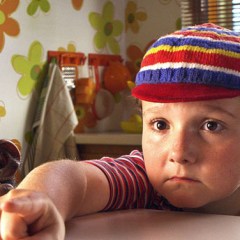
Dennis the Menace
(1993)
43%
Hampstead
(2017)
81%
The Karate Kid
(1984)
49%
The Karate Kid Part II
(1986)
18%
The Karate Kid Part III
(1989)
87%
Kung Fu Panda
(2008)
82%
Kung Fu Panda 2
(2011)
29%
Life as We Know It
(2010)
65%
Love Actually
(2003)
44%
Mary Magdalene
(2018)
35%
Memoirs of a Geisha
(2005)
95%
Midnight Run
(1988)
44%
Mortal Kombat
(1995)
47%
No Strings Attached
(2011)
32%
Not Another Teen Movie
(2001)
- -
Sailor Moon Crystal
: Seasons 1, 2, 3
57%
She's Out of My League
(2010)
54%
Spanglish
(2004)
94%
Star Trek
(2009)
50%
The Strangers
(2008)
66%
Stuart Little
(1999)
- -
Supermarket Sweep: Season 1
(2020)
94%
Sword of Trust
(2019)
72%
Talladega Nights: The Ballad of Ricky Bobby
(2006)
91%
Terminator 2: Judgment Day
(1991)
30%
Underworld
(2003)
25%
Underworld: Awakening
(2012)
31%
Underworld: Rise of the Lycans
(2009)
51%
What Dreams May Come
(1998)
54%
Why Do Fools Fall in Love
(1998)
77%
Zathura
(2005)
Young Royals*
Bureau of Magical Things
71%
The 8th Night
(2021)
*
- -
Big Timber: Season 1
(2020)
*
84%
Fear Street Part One: 1994
(2021)
94%
Snowpiercer
(2013)
- -
Grey's Anatomy: Season 17
(2020)
We The People*
You Are My Spring*
100%
I Think You Should Leave With Tim Robinson: Season 2
(2021)
*
- -
Dogs: Season 2
(2021)
*
Brick Mansions
Cat People*
The Mire: ’97*
The War Next-door*
Major Grom: Plague Doctor*
This Little Love of Mine
33%
Home Again
(2017)
21%
Midnight Sun
(2018)
55%
Resident Evil: Infinite Darkness: Season 1
(2021)
*
Elize Matsunaga: Once Upon a Crime*
100%
Atypical: Season 4
(2021)
*
100%
Biohackers
: Season 2*
88%
Fear Street Part Two: 1978
(2021)
*
56%
Virgin River: Season 3
(2021)
*
The Cook of Castamar*
How I Became a Superhero*
Last Summer*
Lee Su-geun: The Sense Coach*
44%
American Ultra
(2015)
Ridley Jones*
60%
Gunpowder Milkshake
(2021)
*
A Classic Horror Story*
The Guide to the Perfect Family*
Heist*
My Unorthodox Life*
Private Network: Who Killed Manuel Buendía?*
- -
Beastars: Season 2
(2021)
*
94%
Never Have I Ever: Season 2
(2021)
*
A Perfect Fit*
Emicida: AmarElo – Live in São Paulo*
My Amanda*
- -
Explained
: Season 3*
89%
Fear Street Part Three: 1666
(2021)
*
48%
Twilight
(2008)
28%
The Twilight Saga: New Moon
(2009)
46%
The Twilight Saga: Eclipse
(2010)
26%
The Twilight Saga: Breaking Dawn Part 1
(2011)
49%
The Twilight Saga: Breaking Dawn Part 2
(2012)
Deep*
Johnny Test*
6%
Cosmic Sin
(2021)
100%
Milkwater
(2020)
- -
The Movies That Made Us
: Season 2*
- -
Sexy Beasts: Season 1
(2015)
*
88%
Trollhunters: Rise of the Titans
(2021)
Chernobyl 1986*
One on One with Kirk Cameron*
Too Hot to Handle: Brazil*
100%
9to5: The Story of A Movement
(2020)
Words Bubble Up Like Soda Pop*
- -
A Second Chance: Rivals!
(2019)
*
55%
The Last Letter From Your Lover
(2021)
94%
Masters of the Universe: Revelation: Part 1
(2021)
- -
Sky rojo
: Season 2*
Bankrolled*
Blood Red Sky*
Kingdom: Ashin of the North*
87%
Django Unchained
(2012)
- -
Charmed: Season 3
(2021)
77%
The Walking Dead: Season 10
(2019)
90%
Wynonna Earp: Season 4
(2020)
- -
All American: Season 3
(2021)
- -
Mighty Express
Season 4*
100%
Fantastic Fungi
(2019)
95%
The Flash: Season 7
(2021)
Bartkowiak*
The Snitch Cartel: Origins*
Tattoo Redo*
Too Hot to Handle: Brazil (new episodes)

(Photo by David Bloomer/ Netflix)
65%
Resort to Love
(2021)
*
90%
Transformers: War for Cybertron Trilogy: Siege
: Kingdom*
56%
The Last Mercenary
(2021)
- -
Glow Up
: Season 3
86%
Outer Banks: Season 2
(2021)
Centaurworld*
Myth & Mogul: John DeLorean*
60%
The Vault
(2021)
51%
The Iron Lady
(2011)
90%
The Invitation
(2015)
50%
Holidays
(2016)
86%
The Princess and the Frog
(2009)
Love Sick: The Series: Season 1
- -
Oh My Ghost
(2009)
- -
Oh My Ghost 2
(2009)
71%
The Croods
(2013)
97%
Spotlight
(2015)
86%
A Clockwork Orange
(1971)
47%
Bride of Chucky
(1998)
47%
Child's Play 2
(1990)
19%
Child's Play 3
(1991)
34%
Eat Pray Love
(2010)
25%
Four Christmases
(2008)
54%
Freak Show
(2017)
20%
Fred Claus
(2007)
69%
Friends With Benefits
(2011)
33%
G.I. Joe: The Rise of Cobra
(2009)
- -
Grand Designs: Season 10
(2010)
- -
Grand Designs: Season 15
(2015)
51%
Hardcore Henry
(2015)
- -
Hinterland
: Seasons 1-3
37%
Hook
(1991)
41%
Horns
(2013)
27%
Jupiter Ascending
(2015)
21%
The Little Rascals
(1994)
89%
Mad Max
(1979)
74%
My Best Friend's Wedding
(1997)
40%
Nacho Libre
(2006)
30%
Nights in Rodanthe
(2008)
61%
The Patriot
(2000)
26%
Remember Me
(2010)
36%
Seed of Chucky
(2004)
40%
Step Up Revolution
(2012)
28%
Your Highness
(2011)
89%
Zombieland
(2009)
King Arthur
Little Baby Bum: Nursery Rhyme Friends: S1
On an Apple device? Follow Rotten Tomatoes on Apple News.
Thumbnail images: Netflix
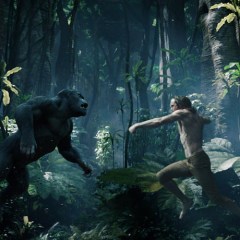
The new Planet of the Apes trilogy closes with this week’s War, giving us one more excuse to do another gallery of 24 great apes from the movies. Go bananas!

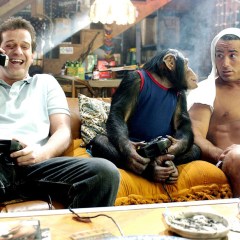
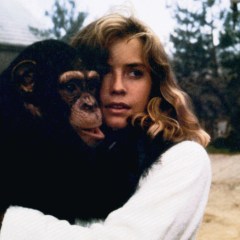

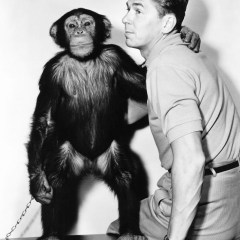
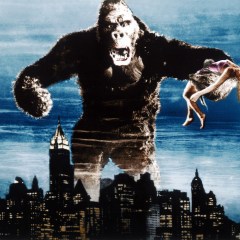
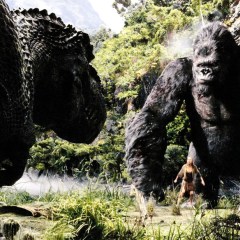
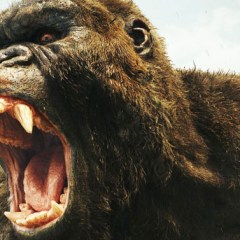
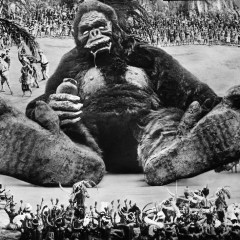
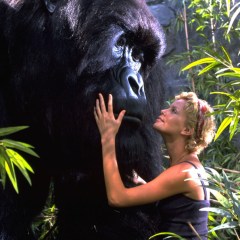
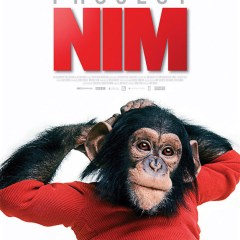
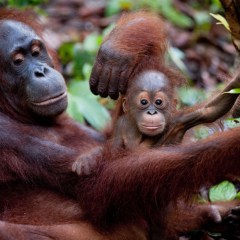
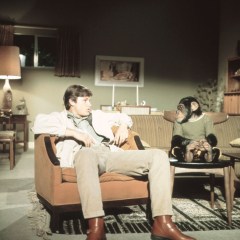

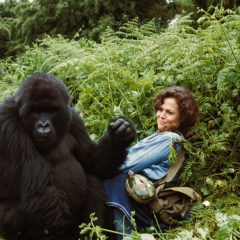
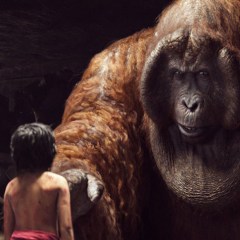
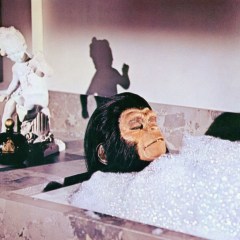
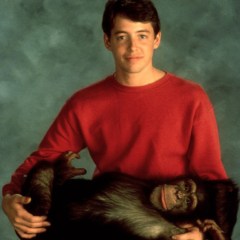

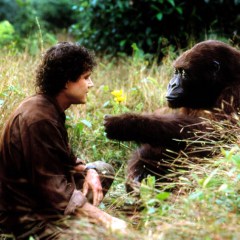
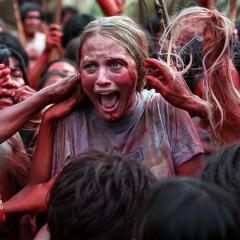
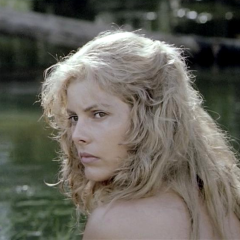
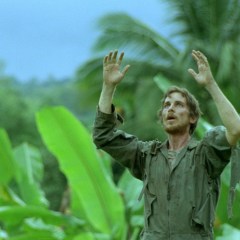
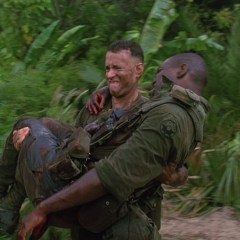
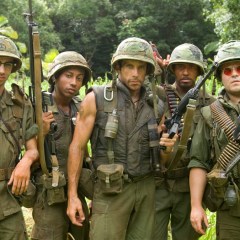
Inspired by The Green Inferno, this week’s 24 Frames treks deep into some of the most dangerous and deadly jungle settings ever captured on film.

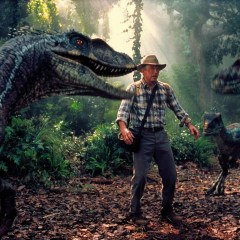

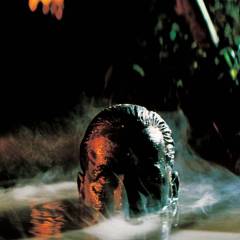
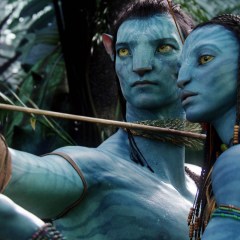
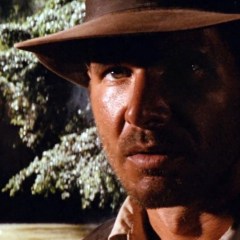




Best-selling author, screenwriter, and director Michael Crichton has passed away at the age of 66. The medical doctor-turned-filmmaker was best known for writing techno-thrillers (The Andromeda Strain, Westworld, Jurassic Park) and for creating the award-winning medical drama ER, now in its 15th and final season.
According to reports, Crichton died suddenly Tuesday in Los Angeles after a private battle with cancer. In a message posted to his official website, representatives of Crichton’s family released a statement, excerpted below:
“While the world knew him as a great story teller that challenged our preconceived notions about the world around us — and entertained us all while doing so — his wife Sherri, daughter Taylor, family and friends knew Michael Crichton as a devoted husband, loving father and generous friend who inspired each of us to strive to see the wonders of our world through new eyes. He did this with a wry sense of humor that those who were privileged to know him personally will never forget.”
Perhaps best known for writing best-selling science fiction novels like The Andromeda Strain, Congo, Sphere, Rising Sun, Jurassic Park and its sequel, The Lost World (all of which were adapted into big-budget blockbusters), Crichton also wrote original screenplays and directed his own films. His 1973 science fiction-western Westworld (90 percent on the Tomatometer), directed from his own script, remains Crichton’s best-reviewed film to date. His next two directorial efforts, 1978’s Coma (76 percent, adapted and directed from a novel by Robin Cook) and 1979’s The Great Train Robbery (78 percent, adapted and directed from his own novel), also rank among the best films written by Crichton or adapted from any of his works, ranking above films directed by the likes of Oscar-winner Robert Wise (The Andromeda Strain), Barry Levinson (Sphere), Frank Marshall (Congo), Philip Kaufman (Rising Sun), Jan de Bont (Twister), and John McTiernan (The 13th Warrior, based on his novel Eaters of the Dead).
At the time of his death, two new projects based on Crichton’s works were rumored to be in development: Jurassic Park IV and Westworld, a remake to be scripted by Billy Ray (Volcano, Flightplan).
Head over to Michael Crichton’s Tomatometer page for a detailed filmography and more.
With the passing of Oscar-winning makeup and special effects artist Stan Winston, RT decided to take a closer look at one of Hollywood’s most innovative and influential behind-the-scenes figures, a man whose work changed the way that the movie industry brought special effects magic to the screen.
Stan Winston is proof, if any were needed, that dedicated, inspired craftspeople can leave as indelible a mark on movies — and audiences — as any director or actor. In his four-decade career, Winston’s work was consistently inventive. He won an Emmy for his makeup work on the TV adaptation of The Autobiography of Miss Jane Pitman, aging Cecily Tyson 19 to 110. More recently, he helped bring Iron Man to exhilarating, vivid life. But Winston was no mere craftsman; as he once said, “I don’t do special effects. I do characters. I do creatures.” This week’s Total Recall takes stock of some of Winston’s most memorable cinematic creations, many of which have left a profound mark on the imagination.
 more info… |
The Terminator (1984, 100 percent) Terminator 2: Judgment Day (1991, 97 percent) The first two Terminator films are perhaps the best examples of how Winston’s work changed with the times — and influenced cinematic technology to come. On the low-budget Terminator, Winston crafted the machine’s exoskeleton with puppetry and animatronics. He would use similar applications on T2, but with greater complexity, and combined with the molten, shape shifting CGI, the sequel was huge leap forward for special effects (he won two Oscars for the film, for Best Visual Effects and Best Makeup). The Terminator began a fruitful partnership with James Cameron; they would work together on several more projects, and co-founded Digital Domain, a cutting edge digital effects company. He also remained close to Arnold Schwarzenegger, who has referred to Winston in recent obituaries as “one of my best friends.” |
|
|
|
 more info… |
Aliens (1986, 100 percent) Taking over the helm of the Alien franchise, James Cameron brought Winston with him. They had their work cut out for them; how do you improve on Ridley Scott’s taut, nightmarish direction and H.R. Geiger’s iconic creature? The answer: go bigger and badder. While Cameron pumped up the action, Winston created a truly terrifying expansion on the original creature: the giant alien queen, a 14-foot tall combination of frightening power and dizzying speed. Supported by a crane, and utilizing a complex system of hydraulics, cables, a pair of puppeteers brought the menacing queen to life, and, in doing so, helped to deepen the legacy of one of horror and sci-fi cinema’s most memorable monsters and picking up an Oscar for Best Visual Effects. “The special-effects specialists are featured prominently in the credits that precede Aliens, and so they should be,” wrote Walther Goodman of the New York Times. “Under the direction of James Cameron, they have put together a flaming, flashing, crashing, crackling blow-’em-up show.” |
|
|
|
 more info… |
The Monster Squad (1987, 53 percent) In addition to his proclivity for blood and guts, Winston made a few forays into kid-friendly territory, creating effects for Mouse Hunt and directing the Anthony Michael Hall-toplined The Adventures of a Gnome Named Gnorm. In the cult fave The Monster Squad, Winston introduced some classic cinematic creeps to a new generation. The plot involves a group of pre-teen outcasts who revel in monster movies — and become the world’s only hope when some of their supposed favorites (including Dracula, the Mummy, Frankenstein’s monster, and the Wolf Man) start wrecking havoc. Praising Winston’s work, Filmcritic.com‘s Keith Breese wrote, “The Monster Squad combines goofy humor with real scares and genuine mystery.” |
|
|
|
 more info… |
Predator (1987, 78 percent) “The special effects have dated quite well, and the action scenes — shot by relative newcomer John McTiernan — work well, despite a few clunky spots,” wrote Jeffrey M. Anderson of Combustible Celluloid. |
|
|
|
 more info… |
Pumpkinhead (1988, 53 percent) Winston’s directorial debut tells the spooky tale of a father who, after summoning the titular demon to enact revenge against those who killed his son, learns there’s a price to be paid for his actions. Set in the Appalachian Mountains, Winston’s film blends the supernatural with fairy tales, and his bony, raptor-like creature is the stuff of nightmares. Given his duties as director, Winston delegated much of the special-effects work to others; nonetheless, he crafted a creepy morality tale whose cult has only increased with time. Rob Vaux of Flipside Movie Emporium called it “satisfying B-movie fun from effects maestro Stan Winston.” |
|
|
|
 more info… |
Leviathan (1989, 11 percent)
|
|
|
|
 more info… |
Edward Scissorhands (1990, 90 percent) With his pale, scarred visage, haunted eyes, and unkempt hair, “Depp is tender, affecting and, quite frankly, bloody pretty,” wrote Desson Thomson of the Washington Post. |
|
|
|
 more info… |
Jurassic Park (1993, 86 percent) Critics had plenty of bones to pick with the plot of Jurassic Park. However, virtually no one complained about the dinosaurs — least of all audiences, who were dazzled by the film’s technical marvels. Steven Spielberg used a number of state-of-the-art methods to bring his prehistoric terrors to life, from go-motion to groundbreaking CGI. Winston was called in to create animatronic dinosaurs, and the result was uncanny. Winston received yet another Oscar for Best Visual Effects (and would be nominated again for 1997’s The Lost World. “If they didn’t look real, if you didn’t believe their skin, their flesh, their reality… no matter how good the performances were, it wouldn’t be real,” Winston said in The Making of Jurassic Park. On that count, Winston and his crew succeeded wildly: “Jurassic Park does for live-action critters what Who Framed Roger Rabbit did for toons,” wrote Rita Kemply of the Washington Post. “In that sense, it’s a cinematic landmark.” |
|
|
|
 more info… |
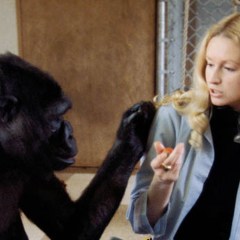
Congo (1995, 20 percent) After the revolutionary CGI/animatronics of Jurassic Park, Winston used models and puppetry for another Michael Crichton adaptation, the ape-gone-ape flick Congo (since director Frank Marshall didn’t think computers could accurately duplicate the beasts’ fur). The film fared poorly with critics (“This glib, overheated film about vicious primates delivers little suspense,” wrote Janet Maslin of the New York Times), and fanboys were disappointed with the lack of digital razzle dazzle. However, Congo was an important film for Winston, who said his work on the movie was a learning process: “The next thing that I did was a movie called Instinct with Anthony Hopkins, which I think was the best gorillas I’ve ever scene on film, and I could never have done that movie if I had not made mistakes on Congo.” |
|
|
|
 more info… |
A.I.: Artificial Intelligence (2001, 72 percent) In his TV days, Winston was the makeup artist for a version of Pinocchio. So it wasn’t much of a stretch when, working on Steven Spielberg’s A.I., he was tasked with crafting animatronics that would make artificial humans as lifelike as possible. The result were a number of puppets that bridged the uncanny valley, as well as Teddy, a super toy that required five crew members to aid it in its movements. Winston’s work on the film impressed MIT scientists and the Academy, garnering his last Oscar nomination for Best Visual Effects. Critics found the film flawed but worthy, especially on a technical level; Michael Wilmington of the Chicago Tribune called A.I “a provocative, personal and intensely engaging picture made with big-studio resources and technical magic.” |
|
|
|
 more info… |
Iron Man (2008, 93 percent) When the adaptation of Iron Man was first announced, Marvel Comics fans eagerly anticipated the design of Tony Stark’s super suit. Winston, a big fan of the original comics, was tasked with the job, and he delivered, creating rubber and metal versions of the Iron Man suits, as well as an eight-foot, 800-lb. animatronic version of Stark’s nemesis, Iron Monger. Though Winston’s untimely passing is deeply sad, he went out on top of his game; Iron Man is the best-reviewed wide release of 2008 so far. “[Director Jon] Favreau has turned what might have been just another comic strip formulation into a completely engaging amalgam of storytelling, romance, performance, acrobatics and organically motivated effects,” wrote Jules Brenner of Cinema Signals. |
|
|
|
Winston’s credits by no means end there. His effects work also includes End of Days and Galaxy Quest, and The Wiz, The Thing,Friday the 13th Part III, and Constantine partially comprise his makeup contributions. He was also working on two forthcoming films at the time of his death: Speed Demon and Terminator Salvation: The Future Begins.
Here’s a clip from one of Winston’s earliest efforts, the made-for-TV film Gargoyles:
And, finally, here’s a clip of NBA all-star Steve Nash on a tour of Winston’s studios:
For more of Stan Winston’s filmography, click here.
It’s been about a year, so it only makes sense that we’d start hearing news about a Terry Schiavo bio-movie. And here it comes: A group of producers have purchased the rights to the book "Terri: The Truth," which was written by widower Michael Schiavo. As of yet, the producers are unsure whether this story demands to be told on the big screen or small, but I assume the phrase "highest bidder" will be somehow involved.
From Variety: "A year after Terri Schiavo died, Hollywood is looking to film her story.
A quartet of producers, including Mike Farrell and Lawrence Bender, have optioned the rights to Michael Schiavo’s just-published book Terri: The Truth and are looking to develop it as a telepictelepic or feature film. Farrell and Bender would produce any project in conjunction with their respective partners, Marvin Minoff and Kevin Brown.
Schiavo’s death on March 31, 2005, came after a years-long battle between Michael Schiavo, husband of Terri Schiavo, and her parents over when it was appropriate to remove the brain-dead woman from life support. What began as a family feud ended up a national political battle.
"The story is almost Shakespearean in the warring of the families and the great love story between the (couple)," Minoff told Daily Variety. "It starts off so beautifully and then ends so chaotically.""