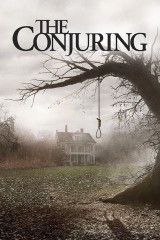
The first Conjuring movie descended with one of the great marketing hooks: That the MPAA had slapped it was an R rating for simply being too scary. And, for once, the movie itself lived up to the marketing hype: With nary any blood or boobs, The Conjuring jammed audiences into a non-stop claustrophobic horror thrill ride, as Ed and Lorraine Warren investigated paranormal activity in the ’70s. A Certified Fresh rating (a first for director James Wan) helped in securing a sequel, a $300 million worldwide box office haul all but guarantees it – and The Conjuring 2 was almost as scary as the original.
From there, the Conjuring Universe expanded into sequels and spin-offs that have whisked audiences to locales like London, Rome, and Mexico. With The Conjuring: Last Rites ostensibly tying up the entire franchise, we’re ranking all the Conjuring movies by Tomatometer, with Certified Fresh films first!
 86%
80%
86%
80%
 70%
64%
70%
64%
 56%
57%
51%
28%
26%
24%
56%
57%
51%
28%
26%
24%
There’s all manner of method to the madness in our selections of the scariest movie scenes ever. Some use high amounts of gore. Others deliver unnerving calm and quiet before shattering the senses. A few feature amazing monster makeup and effects. The one common thread between them all: They work. And work not just at producing a moment of fear, but sustaining that fear, sometimes for minutes on end, to drill deep into our psyche and staying there for decades. These are the stuff of nightmares, what we see when we close our eyes at night. These are the 25 scariest movie scenes of all time. Warning: spoilers abound!
What’s the scariest movie scene you’ve ever seen? Tell us in the comments.

(Photo by 20th Century Fox Film Corp. All rights reserved. Courtesy: Everett Collection.)
The scene: The chest burst
One of the things that sets Ridley Scott’s sci-fi nightmare apart from the other horror fare of its era is its relatively slow burn, playing on the claustrophobia of space and the fear of the unknown. So it comes as a shock to the system when a “facehugger” hurtles out of an egg and attaches itself to John Hurt’s Kane, puncturing the atmospheric dread with a visceral jump scare. But the moment that became indelibly stamped in pop culture history comes just a few scenes later, after the facehugger has detached itself and Kane is recovering from the incident. As the crew enjoys a meal together, Kane suddenly begins to choke and convulse on the table, and a small, lizard-like creature bursts through his chest and scrambles away, effectively birthing a horror villain that would terrorize space crews for decades to come.

(Photo by IFC Midnight/Courtesy Everett Collection)
The scene: Baba breaches bedroom
A lot has been written about The Babadook: It’s a story about grief, and it’s a story about feminism; it’s less a horror film than a domestic drama; and somehow through it all its central bogeyman has emerged a wonderfully camp gay icon. We’re all for it. But in the midst of the think pieces and the movie’s surprising afterlife, one thing often goes overlooked: The Babadook is just a really, really scary horror traditional horror flick, too. Take the scene in which the Babadook (dook, dook) taunts Amelia (Essie Davis) in her bedroom. On paper, it’s nothing we haven’t seen in any Conjuring or Insidious flick, but as executed by director Jennifer Kent and acted by Davis (robbed of an Oscar nom, and yes we’re still sore) it’s almost unwatchably tense. Sound and darkness work overtime to drum up the suspense before the Babadook himself appears, jerkily terrorizing the woman on the edge of a breakdown.

(Photo by Artisan Entertainment/courtesy Everett Collection)
The scene: Putting babies in the corner
Anyone who tells you this super-low-budget 1999 phenom isn’t actually scary just hasn’t watched it all the way to the end. Because if you can sit through the moment Heather discovers Mike standing in the corner of that abandoned house and not tear the leather off your La-Z-Boy’s arms then you’re a much tougher horror-watcher than we are. The traumatizing screams and image of Mike standing ultra-still in the corner are scary enough – add in the fact that none of it is explained and this is a fright-filled finale for the ages.

(Photo by New Line Cinema / courtesy Everett Collection)
The scene: The nun comes to life
Taken on its own merits, The Conjuring 2 was a solid movie, even if it didn’t quite reach the heights of its predecessor. But it’s somewhat telling that its most memorable scare came courtesy of an entity who spends much of the film on the fringes of the primary story and whose presence was so immediately chilling that it spawned its own spin-off movie. The scene in question takes place inside the Warrens’ (Patrick Wilson and Vera Farmiga) own home, when Lorraine experiences a vision in which she is trapped and attacked by the demon nun Valak. Director James Wan milks the tension for all its worth, as a dark shadow moves across the walls and positions itself behind the painting of the nun’s face before it lunges at Lorraine with a shriek. We all checked our pants after that.

(Photo by Lions Gate/courtesy Everett Collection)
The scene: Monsters revealed
Neil Marshall’s The Descent is considered by some the scariest movie of the past 20 years, and for good reason. The movie hooks us in with its claustrophobic setting – a tiny and very unstable cave system somewhere in Appalachia – and its dynamic group of women with their complicated pasts and relationships. Then, when it has us right where it wants us… MONSTERS. And f—king scary ones at that. The movie’s most intense scene is also the first time we see these humanoid beasties, and Marshall masterfully mixes slow-building dread, dramatic distraction, and a helluva jump scare for the big reveal. We’re so caught up in the drama over Juno getting the group lost that we almost don’t notice that thing standing RIGHT THERE.

(Photo by British Lion Films)
The scene: The ending
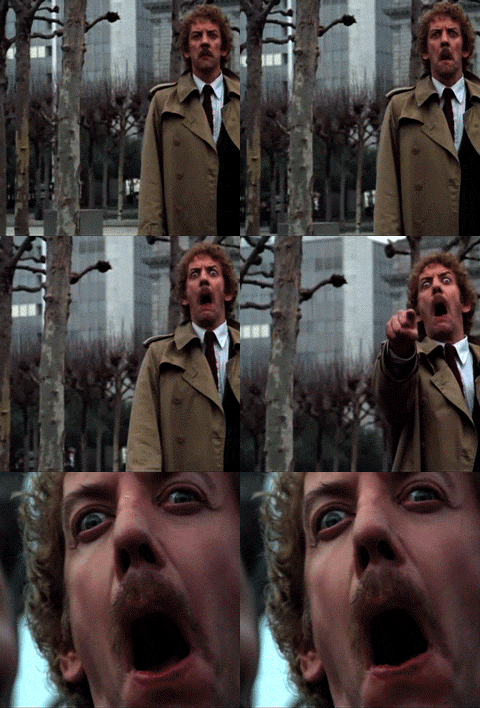
Up until the very end, you don’t know what the exact nature of the threat is in Don’t Look Now. You’re only aware that something sinister creeps on the fringes, vaguely menacing Donald Sutherland’s character as he wanders Venice with his wife after the accidental drowning of their young daughter in America. It’s the uncomfortable way people talk to him. Or is that just how it always feels in a foreign country? It’s in the way light reflects onto the camera. Or isn’t that how light always bounces around? It’s in Sutherland’s unsettling visions of his wife and daughter. Or is he just processing grief? But it all snaps into place for Don’t Look Now‘s vein-icing final sequence, giving terrible logic and clarity to the preceding 100 minutes.

(Photo by Warner Bros./ Courtesy: Everett Collection.)
The scene: Spinning heads
William Friedkin’s controversial film, based on a novel that fictionalized purportedly true events, is famous for the raucous reactions it inspired from terrified audiences who nevertheless flocked to see it in droves. It managed to entertain just as effectively as it scared the pants off of everyone, and perhaps no scene captures that special magic as well as the moment when Linda Blair’s possessed Regan – after having performed a rather sacrilegious act with a crucifix – spins her head 180 degrees to face her frightened mother (Ellen Burstyn). Regan does spin her head again later, during the climax of the film, but this first scene is so vulgar, violent, utterly shocking, and ultimately horrifying that it’s impossible to pull your gaze away from the screen.

(Photo by Lux Compagnie Cinématographique de France)
The scene: Face/off
Director Georges Franju started his career as a documentary filmmaker, an invaluable skill set for his second narrative feature Eyes Without a Face. It’s the story of a desperate father who, after disfiguring his daughter in a car accident, spends his night killing women, slicing off their faces, and attempting to attach them to his daughter’s. The concept is gross enough, but the way Franju uses his calm and deliberate camera (indeed, like shooting a documentary) during the film’s infamous central surgery scene gives the fictional proceedings the sheen of reality.

(Photo by A24 /Courtesy Everett Collection)
The scene: An allergic reaction
Like Alex Wolff’s Peter in the movie, we were left completely speechless and frozen the first time we saw THAT MOMENT in Hereditary. We’re being vague for now, because it’s such a recent film and the moment is such a spoiler, so if you haven’t seen the movie stop reading now…. OK, if you’re still with us, you know what we’re talking about: Charlie (Milly Shapiro), struggling for breath in the back seat, pushes her head out of the car window and connects with a passing telegraph pole. The whole sequence, from the chocolate cake at the party to the wheezing in the car to the moment of impact, is brilliantly choreographed, but this is one of those scares that was also heavily aided by the film’s publicity. Charlie was at the center of the marketing campaign, leaving viewers to think she would be a central figure right through to the end; when she gets it about a third of the way in, we suddenly know that anything can happen in Hereditary. If Psycho broke the “don’t kill your main character” rule, and Scream stepped all over the “don’t kill your biggest star” rule, Hereditary went one further: Don’t kill the kid.

(Photo by Universal)
The scene: The opening scene
Much has been made of Spielberg’s expert use of the unknown and unseen in Jaws, and nowhere is it more apparent than in the movie’s opening scene in which a woman is jerked to and fro by something moving beneath her in the black abyss. (Stuntwoman Susan Blacklinie had hooks attached to her Levi’s and was being pulled by divers.) The scene is also the first time the world got to hear that iconic John Williams score, its pulsing slow-build instantly becoming a mood-building classic. We eventually went back in the water after seeing Jaws, but never at night.

(Photo by Weinstein Company/Courtesy Everett Collection)
The scene: A transcendental experience
Martyrs was part of the New French Extremity movement, where a wave of filmmakers put out horror films hit harder than ever before. Part home invasion, part torture porn, all blood and gristle, Martyrs details a cult-like group who torture young, beautiful women to the brink of death to uncover insights into the afterlife. It all comes to a head with the final sequence, where one of the main characters is flayed alive. Worse: She survives. Even worser: The experiment actually works, as the character enters a transcendental state. The knowledge she gleans about the afterlife and passes on, however, proves too much for the living.

(Photo by Columbia/courtesy Everett Collection)
The scene: Annie breaks Paul’s legs
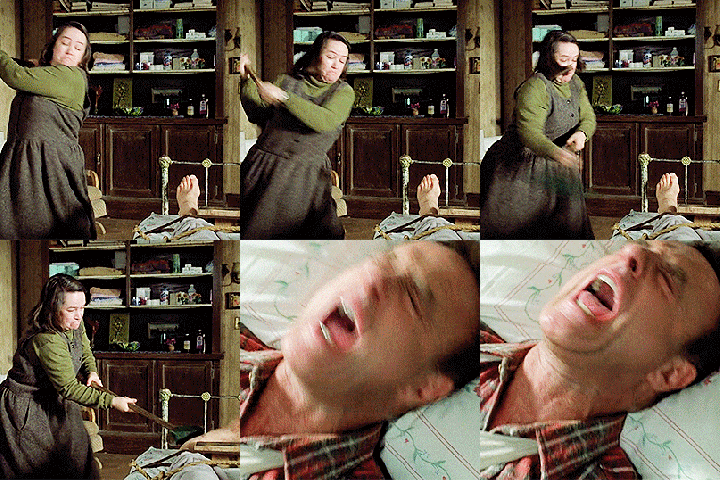
When it comes to visceral gross-out scares, the Saw films may win for degree of difficulty and Hostel (remember that one?) may be the king of holy-f—k gore. But for impact, nothing beats Rob Reiner’s Misery, in which barely a drop of blood is spilled and not a single eyeball plucked. We’re cringing just remembering the moment Kathy Bates’ Annie Wilkes’ places a block of wood between a tied-down Paul Sheldon’s (James Caan) feet and breaks his ankles with the swoop of a giant sledgehammer. The crunch! The unnatural bend of the ankle! The slow and methodical description of “hobbling” that Wilkes gives before she takes her epic swing! Jigsaw ain’t got nothing.

(Photo by Paramount Pictures/courtesy Everett Collection)
The scene: The 21st night
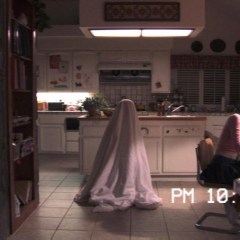
Oren Peli’s game-changing found-footage film did for the bedroom what Blair Witch did for the woods. The fast-forwarded footage of Katie (Katie Featherstone) standing by her bed and watching Micah sleep was the reason some of us got separate bedrooms – with locks – from our loved ones for months after the hit film’s release. But the movie saved its best shock for last: On night 21, a now fully possessed Katie leaves the bedroom, lures Micah out with a torrent of screams, and then – after a seemingly endless silence – throws him at the screen and proceeds to eat him. Well, at least we think that’s what might happen. Like Blair Witch’s unexplained finale, this one leaves us with lots of theories to chew on.

(Photo by Universal Pictures)
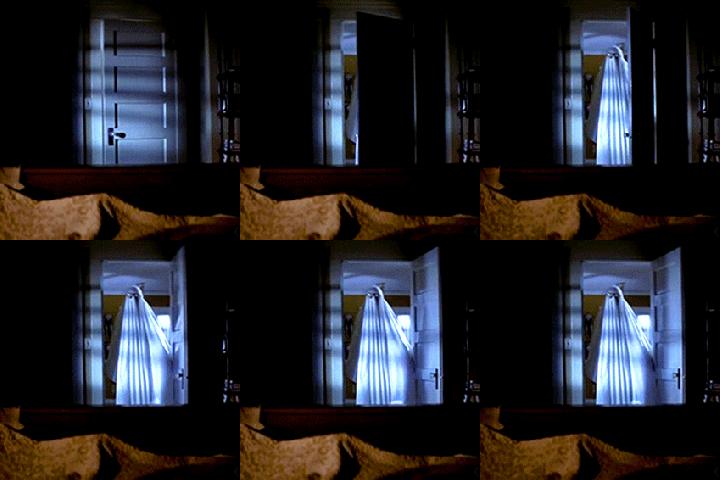
The scene: The shower kill
Hitchcock didn’t invent the slasher, but we’ll be damned if he didn’t perfect it with Psycho and its seminal scene: Marion Crane’s iconic shower death. Even after you analyze the hell out of it – the Hershey’s chocolate syrup in place of blood; the edits that never once show knife penetrating skin – the moment loses none of its ability to shock. The key is the build-up, that wonderful shadow of Norman behind the curtain, and then the brutality: those quick-cut thrusts matched by that iconic burst of Bernard Herrmann’s score.

(Photo by Filmax/Courtesy Everett Collection)
The scene: Dragged into darkness
This is a found footage nightmare set in a quarantined building in Barcelona where a zombie virus infection is breaking out. Our protaganist Angela is a newscaster who at first merely wants to report on the mysterious closure of the building, and then becomes the news herself when she ges swept into the quarantine. [REC] is a roller coaster of a film, culminating in its final scene, presented in eerie quiet and night vision, as Angela, seeming like she just might make it out, is dragged into the darkness while the dropped camera rolls on. It’s such an effective moment, it was of course spoiled on the theatrical for the American remake Quarantine.

(Photo by DreamWorks/courtesy Everett Collection)
The scene: The cursed video
It took us far longer than seven days to wipe the images from this bizarro piece of video art from our minds. Gore Verbinski’s U.S. remake of The Ring is full of excellent creepouts – Samara emerging from the TV; the distorted victims’ faces – but the ace up its sleeve is the video at its center. This unnerving mish-mash of static, random ominous imagery (a tree aflame, a woman brushing her hair), and insistent screeching is truly dread-inducing. Even after it’s been aped by the opening sequence of nearly every season of American Horror Story, the Ring video still makes an impact.

(Photo by Paramount)
The scene: Mother and child
The tension rises and falls throughout Rosemary’s Baby, never allowing the viewer to quite settle in and fully process what’s happening. A demonic rape her, some weird juice there, just to keep the viewer discombobulated. It all reaches a boiling point in the dream-like coda, when Rosemary wakes up after giving birth, in her empty apartment. She finds a hidden room where her husband and neighobrs have gathered, all in on the conspiracy for her to deliver Satan’s child, and welcome her in. You never see the baby, but Rosemary’s line says it all: “What have you done to him? What have you done to his eyes?!”

(Photo by Dimension Films)
The scene: ‘Do you like scary movies?’
Wes Craven and Kevin Williamson’s genre-reinvigorating classic kicks off with what many consider the greatest opening scene in horror history. Plot-wise, it’s basically When A Stranger Calls, ’90s-style – girl is alone in the house, receives stalk-y phone call, happens to have encyclopedia knowledge of the film genre in which she suddenly finds herself – but Craven brings so much smart and bravura skill to the direction of it that it kicks complete ass even decades later, after we’ve seen the countless imitators that followed and the shock of having a big-star snuffed out in the first 10 minutes has worn off. Credit too to Ghostface voice Roger L. Jackson, that perfectly placed pan of Jiffy Pop, and to Williamson’s script, a step-by-step screenwriting masterclass in how to ratchet up tension. “The question who am I, the question is where am I?”: Chills to this day.

(Photo by Warner Bros)
The scene: Jack on the attack
Kubrick stuffed his adaptation of Stephen King’s novel with so many scary moments and images, trying to pick just one could drive you to Jack Torrance levels of craziness. But we’re doing it anyway. While the Grady twins in the hallway are spooky as hell, and we still can’t erase the image of the bathtub woman from our minds, we had to go with the movie’s most iconic moment: Wendy trapped in a bathroom as Jack hammers at the door. Kubrick’s swinging camera, Jack Nicholson’s mania, and Shelley Duvall’s totally convincing fear combine to make this the most terrifying scene in one of cinema’s most terrifying movies.

(Photo by United Film Distribution Company /courtesy Everett Collection)
The scene: The big reveal
For much of its runtime, Sleepaway Camp plays like any other teen slasher of the 1980s, with a bunch of kids who are summarily executed one-by-one by a mysterious killer. If some of the kills are overly creative — death by a thousand bee stings? a curling iron in the hoo-ha? — none of them compares to the twist at the end of the film, which comes from way out of left field. The quiet, young, bullied girl at the center of the movie, Felissa Rose’s Angela, is not only revealed to be the killer, she’s also outed as a man, dressed up as the opposite gender by his demented aunt.

(Photo by Bryanston Distributing Company)
The scene: Leatherface appears
The Texas Chain Saw Massacare is considered one of the most punishing, sickly transformative experiences in horror. And it’s not even 90 minutes long. And nothing happens for like the first 30 minutes. But once Leatherface appears, the movie never lets up afterwards. His grand debut happens inside his house, when a stupidly intrepid young adult enters looking for fuel for his car. Leathface pops out from a hallway and hits the dude in the hammer, the body crumpling and then twitching on the ground. Leatherface drags the body into the butcher room, and slams the door. There’s plenty of more scares to come, but this opening salvo is as disturbing as they come.

(Photo by Universal/courtesy Everett Collection)
The scene: Getting something off your chest
John Carpenter was well into his groove by the time he made The Thing, and he put all of his talents on display to contribute one of the most influential entries in the “body horror” genre not directed by David Cronenberg. We get our first glimpse of the “thing” fairly early in the movie when it absorbs a pack of huskies, and we see it again when it attempts to assimilate Peter Maloney’s Bennings. But the big scare comes when Charles Hallahan’s Norris appears to have a heart attack, and Dr. Copper (Richard Dysart) attempts to revive him with a defibrillator. Norris’ chest opens up like a giant mouth, complete with teeth, and rips Copper’s arms off before Kurt Russell’s MacReady blasts it with a flamethrower. Thanks to some top-notch practical effects and the judicious use of a jump-scare, the scene remains the most memorable and viscerally disturbing in the movie.

(Photo by Argos Films)
The scene: The truth
Forget everything you know about The Vanishing. Oh, that was fast — as if you’ve never seen the Jeff Bridges/Sandra Bullock kidnap thriller before. It was a lousy movie with the distinction of being a remake…with the same director. George Sluzier was brought to Hollywood to direct the remake, and it’s easy to see why: the 1988 Dutch original is a chilling, methodical examination about the mundane face of pure evil. Naturally, the American version has none of that. It also doesn’t have the original’s ending: When the hero finally confronts his girlfriend’s kidnapper, who offers him the opportunity to find out what happened to her. The answer is one of the most terrifying scenes in movie history.

(Photo by Columbia Pictures)
The scene: The phone calls
Pop in When a Stranger Calls and for the first 20 minutes, you’ll think you’re watching the scariest movie ever made. Carol Kane plays the babysitter, and she keeps on getting increasingly menacing calls to check on the kids upstairs. When she gets the call traced, naturally it’s coming from inside the house! Think this scene won’t work anymore because it’s been parodied and referenced to death since? Think again. It remains a masterclass in editing and suspense. The rest of the movie is pretty lousy, but that opening act can still dial up the tension decades later.

(Photo by British Lion Films)
The scene: The burning
Not quite a masterpiece these days but definitely a classic, The Wicker Man follows a prudish police officer as he investigates the disappearance of a young girl on a remote English island populated by pagans. As he follows the clues and contradicting statements of the village people, he edges ever closer to the titular wicker man, a sacrificial vessel to be burned at dusk. Even if you can get who gets put inside it, the sheer intensity and terror of the scene is still something to be witnessed.
In the 1970s and 1980s, a horror renaissance rocked the film industry, riding on the wave of George Romero’s 1969 low-budget zombie breakout Night of the Living Dead. There was a general feeling that something special was happening, where even directors as esteemed as Stanley Kubrick, Nicolas Roeg, and Peter Medak were flocking to the genre, while others more dedicated to horror, like Tobe Hooper, John Carpenter, and Wes Craven were pushing the goal posts for scares. Even though the enthusiasm for innovative horror waned somewhat in the past couple of decades, with notable exceptions from the likes of Craven and newcomers like James Wan, the special feeling of a “movement” in horror seems to have finally returned, and with it a new class of the Masters of Horror who will lead us through the dark.
Whittling this list to 21 was a near-impossible task when you’ve got so many visionary filmmakers working in the genre, including queen Karyn Kusama (The Invitation), the Soska sisters (Rabid), Julia Ducournau (Raw), Coralie Fargeat (Revenge), Hélène Cattet and Bruno Forzani (Amer), Chelsea Stardust (Satanic Panic), Ana Asensio (Most Beautiful Island), Nia DaCosta (the upcoming Candyman), Na Hong-jin (The Wailing), Ti West (The Innkeepers), Jorge Michel Grau (We Are What We Are), Jennifer Wexler (The Ranger), Joko Anwar (Satan’s Slaves), Mattie Do (Dearest Sister), Gigi Guerrero (Culture Shock), Xander Robin (Are We Not Cats), and Demian Rugna (Terrified). (That’s not to mention producers like Jason Blum, dedicating their professional lives to scaring us stupid; but we’re limiting this roll call to directors, though some of those produce, as you’ll see. )
The list goes on and on, but here’s 21 that have made our blood pump and eyes pop recently, and are pushing the genre forward with every new work they make.

(Photo by James Minchin /© A24 /Courtesy Everett Collection)
Ari Aster, much like George Romero, did not see himself as a horror director before his breakout debut. Hereditary, starring Toni Collette in an awards-worthy performance, is a family drama that plays out like one long exhilarating gasp for breath. Aster’s follow-up, Midsommar digs around in the same psychological playground, though this time covering the dissolution of a romantic relationship. Both films recategorize the meaning of “scare,” as Aster mines the terror of simply being uncomfortable with other people to a nearly wacky psycho-comedy effect.

(Photo by Claudette Barius / © Universal)
What else is there to say about Jordan Peele? He single-handedly proved that black people want to see themselves in horror films and that other people all over the world would like to see it too. His films stray so far from what many would deem commercially acceptable — a lengthy monologue about inequality delivered amongst a bunch of rabbits in a kind of magical basement world? And yet his stories are compelling because they’re unlike anything else in theaters, their cinematic influences evident but not overbearing. Peele’s making horror weird again, and he’s making it matter.

(Photo by ©IFC Midnight/Courtesy Everett Collection)
When Jennifer Kent’s debut horror The Babadook shocked audiences, the potential for horror to mine desperate grief came into 20/20 view. Not only that, but distinctly down-and-dirty, terrible, feminine grief. It’s not unusual for horror films to star women — this has been a defining characteristic of the genre — but it was unusual to see a heroine slowly morph into a highly relatable villain in such a visceral manner. In her newest film The Nightingale, Kent continues to push her heroines past a point of likeability with an eye on doing away with the “strong woman” trope that has rendered so many female characters into caricatures of femininity.

(Photo by Justin M. Lubin/© Universal Pictures /Courtesy Everett Collection)
Mike Flanagan has toiled in the genre fields for almost two decades, writing, directing, and editing his own films, which included Ghosts of Hamilton Street, Absentia, Oculus, and Hush, before he got his name-making box office hit, Ouija: Origin of Evil. Flanagan has a rare ability to please mainstream audiences while still pushing boundaries of horror, as he did with the wildly popular Haunting of Hill House Netflix series, which, among other cool tricks, hid a number of ghosts in the frame. That kind of subtle innovation comes from a filmmaker who’s familiar with all tools at their disposal, and his adaptation of a sequel to The Shining, Doctor Sleep, is much anticipated for that reason.
Mexican director Issa Lopez made a name for herself in her native country by directing a series of comic films, but her debut horror film Tigers Are Not Afraid (trailer above) couldn’t have been a bigger departure from her earlier career. Filled with wonder and grit and meaningful insights into childhood, trauma, and the human soul in the harshest environment imaginable, the film has been racking up fans and awards long before its U.S. release on Shudder. Guillermo del Toro luckily saw the film and immediately signed up to produce her next movies, so this Master in the making is already well on her way.

(Photo by Kerry Hayes/©Universal Pictures/Courtesy Everett Collection)
Speaking of Guillermo del Toro, it’s difficult to overstate how much of a boon for horror this visionary director has been, but del Toro was pioneering new directions for horror years before it came back in fashion. From Cronos and The Devil’s Backbone all the way up to Pan’s Labyrinth and the slept-on Crimson Peak, del Toro’s body of work feels so ingrained in the culture that it’s almost easy to take him for granted. Not to mention that he’s spent a great deal of time championing the newer generation of horror directors like Issa Lopez, Scott Cooper, and André Øvredal, producing double the number of films he directs himself. He is, for all intents and purposes, the godfather of the new Masters of Horror.

(Photo by © Netflix)
This pair of collaborators burst on the scene with last year’s Netflix horror hit, Cam (pictured above), about a cam girl sex worker whose identity is stolen and used against her. In a novel twist, the film was also respectful of women, Johns, and sex workers, never resorting to staid clichés, signaling that the pair could inclusively expand the frontiers of horror. Announcements for their next project with Blumhouse have been thin, but the film is certainly driven by women, and they’ll also be wading into TV horror with a segment for Quibi’s new 50 States of Fear.

(Photo by ©Weinstein Company/Courtesy Everett Collection)
Martyrs (pictured above) is not what many would call an easy film to watch. But Pascal Laugier’s most notorious feature is quite masterful. A story that opens like a revenge flick but closes with a hammer-to-the-nose of philosophical insights into perceived womanhood and spirituality, Martyrs follows in the New French Extremity footsteps of Claire Denis’ Trouble Every Day. After Martyrs, Laugier tried his hand at American horror with Jessica Biel starrer The Tall Man, but returned to his roots in 2018’s Incident in a Ghostland. Laugier shows that gore with a brain is on the menu for horror fans.

(Photo by Brooke Palmer/© Warner Bros. /Courtesy Everett Collection)
In 2013, Argentine director Andy Muschietti had an international hit on his hands with Mamá, about a young couple who take in their two young nieces but find that a malicious supernatural entity has decided they’re her next victims of a haunting. The film starred Jessica Chastain, setting up Muschietti’s desire to make genre but with actors of high esteem attached, which led to his re-envisioning Stephen King’s It in a two-movie release, vaunted for its playful but serious take on the story. Next up, Muschietti’s going the monster route with an adaptation of Hajime Isayama’s Attack on Titan, and is rumored to be directing DC’s The Flash.

(Photo by © Kimstim Films / courtesy Everett Collection)
Kiyoshi Kurosawa is not a newcomer by any means. He’s been working steadily in genre and outside of it since the 1980s, as a critic, commercial artist, and a creative filmmaker. In 2001, he released his most well-known cult film Pulse, but his recent return to genre suggests he’s not quite finished being a Master. In 2016, he released Creepy, a thrilling hardboiled mystery, which he then followed up with Before We Vanish, which is an alien invasion story equal parts horror and humor that opens with a risky, bloody bang.

(Photo by © Magnet Releasing /Courtesy Everett Collection)
The Eyes of My Mother (pictured above), Nicolas Pesce’s debut feature, bucks so many contemporary trends of horror, shot in black and white like a high-art film but with the creeping childishness of Tobe Hooper. He followed that up with a Cronenberg Crash-style film called Piercing that turns a sex-torture story into a screwball comedy of errors and power dynamics. Pesce’s films explore loneliness and connection with wry humor, and yet somehow it’s his visual style, evocative of classic films filled with texture and tactile pleasantness like every object has meaning and purpose, that make him a new Master.

(Photo by © Oscilloscope / courtesy Everett Collection)
Anna Biller’s version of horror feels akin to classic fairy tales. They are rife with artifice yet also completely honest. Focused on sex and sexuality but coy and childlike. There is the sense that the director is telling the story of the world as it is while simultaneously wishing the world to be different. Viva is more an off-kilter soapy drama, while her film The Love Witch (pictured above) more fully embodies horror. Rumor has it she’s been shopping another horror story based on the Bluebeard tale, but be patient for her next one: Biller’s obsessive about costuming, locations, and production design, and makes most everything herself, which is a time-consuming act but is ultimately the key to her success as a modern Master.

(Photo by ©Janus Films)
Half the fun of Agnieszka Smoczyńska’s debut feature The Lure (pictured above) is describing it for those who don’t know: a gritty, glittery Polish mermaid horror disco musical. The film was a time capsule of Cold War-era dancing clubs, mixed with classic fairy tales and contemporary rage-filled feminism. Music that’s as catchy as it is dark and an almost surreal, theatrical production design set The Lure apart, earning it an almost instant Criterion release. Her follow-up, Fugue, looks inward for a more cerebral melodrama of psychological terror, with the kind of innovative camera work and sensitivity that display Smoczynska’s ability to play with mind as well as body in her horror.

(Photo by © A24)
Peter Strickland digested decades of Italian gore and giallo films, then washed it down the exploitation work of Jess Franco and spit out such atmospheric insta-classics as Berberian Sound Studio and The Duke of Burgundy. His newest film In Fabric (poster above) had so much hype and magic behind it that A24 quickly snapped it up out of the festivals. Both eerie and ethereal, In Fabric tells the story of a murderous red dress; like a chilling version of The Sisterhood of the Traveling Pants, this thing will fit everyone but also kill them. And like his predecessors, Strickland squeezes every inch of terror out of sound design and trippy, mirrored effects, perfectly marrying the past with the present.

(Photo by ©Kino Lorber)
Ana Lily Amirpour’s low-budget indie hit A Girl Walks Home Alone at Night (pictured above) thrilled for its simple but fully realized black-and-white graphic novel aesthetics. It’s not every filmmaker whose first film creates some of the most memorable iconography in recent horror film history, but Amirpour’s vision of a young woman gliding on a skateboard with her veil flowing behind her struck a chord for women, a seeming statement about feminine violence and traditional values butting up against Western ideals. Her follow-up The Bad Batch was a sunny apocalyptic trip through the desert, but in the meantime she directed a beloved episode of the new Twilight Zone and has been attached to the remake of Cliffhanger.

(Photo by Kit Fraser / © Vertical Entertainment / courtesy Everett Collection)
Babak Anvari’s Under the Shadow (pictured above) broke new ground in folk horror and is a rare Certified Fresh at 99%. In it, he exploited the tale of jinn, those malevolent spirits of Islamic mythology, but grounded the story in the very real cultural conflict of the Iran-Iraq war in the 1980s, as told through a belabored mother who’d much rather finish her medical degree than stay at home with the young daughter who acts almost like an anchor to a more traditional life. Vivid and tense, the film found an international audience, leading to his newest release, an American production called Wounds and a new television series titled North American Lake Monsters, where Anvari can further dig into local lore.

(Photo by Justin Lubin. ©Warner Bros.)
David F. Sandberg’s short “Lights Out” terrified audiences internationally with a simple light trick that harkened back to the early days of horror. That short, made for nothing and starring his charismatic wife Lotta Losten, was then developed into a feature starring Teresa Palmer. James Wan continued to help Sandberg develop his career, giving him a spot in The Conjuring franchise, directing Annabelle: Creation. Sandberg has temporarily waded into superheroes with the lighthearted Shazam!, but he’s stated he’s looking forward to coming back to horror real soon, hopefully utilizing the same creative low-budget ideas that gave him his big break.

(Photo by Michael Tackett/©Warner Bros. Pictures/courtesy Everett Collection)
Speaking of James Wan, no Masters of Horror list would be complete without the Aussie who harnessed the powers of surprise and low budgets to flip the entire industry on its head with the Saw and Insidious franchises, and then again with The Conjuring. He’s the pop filmmaker of our time, delivering the kind of popcorn fare that actually brings people to the theater, a rare feat. Like his Mexican counterpart Guillermo del Toro, Wan is also producing others’ work at a breakneck pace, passing the torch to his longtime collaborator Leigh Whannell, and Patrick Brice, Akela Cooper, and Michael Chaves.

(Photo by Kerry Hayes / © Paramount / courtesy Everett Collection)
Starry Eyes wasn’t Kevin Kölsch and Dennis Widmyer’s first feature, but it was the one that got them long applause at SXSW and a whole lot of horror cred with its black comic take on the entertainment industry, imagining the casting couch as a place to reap souls for Satan. Alex Essoe’s performance as a desperate starlet was one for the history books. At times gruesome and wacky, the film got them the gig remaking Pet Sematary and working on the Scream TV series.

(Photo by ©A24)
Robert Eggers may be known for The VVitch, but he might also be known for his obsessively detailed nature, which had him mastering settler’s English for the script and getting the period details correct down to the tiniest nib, likely from his time as a production and costume designer in theater and film. Like Kubrick before him, Eggers is intent on crafting worlds, and his newest film The Lighthouse (pictured above), though more horror-adjacent than his debut, is just as meticulous, digging again into hysteria and how isolation and harsh environments can unravel the mind.

(Photo by . © Oscilloscope / courtesy Everett Collection)
Sophia Takal’s trajectory into horror began with low-budget psychological romps through feminine hysteria, in both Green and then her more defined follow-up Always Shine (pictured above), which pitted two young actresses against one another in a remote Big Sur cabin. Her episode of Into the Dark marked an entry into the world of slashers, marrying the cerebral with the bloody physical, and her next film, a remake of the very first slasher, Black Christmas [disclosure: the author of this article is the co-writer of this film], will test that marriage and the viability of slashers in general in this day and age.
Don’t see our favorite horror filmmaker above? Let us know whose scares you’re loving right now in the comments.

Vera Miles in Psycho (1960)
What is the greatest year ever for horror? The debate has raged endlessly and will continue long into the future. However, to offer a point of discussion, we dug through RT data to discover which years had the best Tomatometer, Audience, and overall average scores. The rules we employed were as follows:
Before we get into figuring out which year is the greatest for horror, we did a couple of quick breakdowns just for fun, and we noticed an interesting tidbit as we crunched the numbers. There are almost 900 films in our data set, from 1920 all the way up to the present day, and the overall average Audience score is 53.2%. The overall average Tomatometer score, however, is 54.4%. Conventional wisdom would seem to indicate that audiences tend to rate horror films higher than critics, but the data doesn’t bear that out. Instead, our numbers show that not only do critics and fans have pretty similar taste, but critics generally like horror movies more. Who would’ve thought?
Then, we also decided to take a look at the data by decade. For each decade, we gathered the films with the 10 highest Tomatometer scores and the 10 highest Audience scores, took the average of each of them, and then averaged those two scores to arrive at a single percentage (in other words, rule #3 above). It’s not an exact science, of course, and only a small sample was taken, but the results were very close:
1930s — 89.75%
1940s — 85%
1950s — 84.4%
1960s — 91.75%
1970s — 90.9%
1980s — 90.6%
1990s — 88.5%
2000s — 90.9%
2010s — 90.1%
According to these numbers, the 1960s — which included Psycho, Eyes Without a Face, Rosemary’s Baby, and Night of the Living Dead, just to name a few — were the scariest decade in cinema, but the 1970s, 1980s, 2000s, and 2010s (which, by the way, aren’t over yet) could all stake a reasonable claim at the top.
But what about individual years? That took a bit more work, and the results were surprising. Read on to see what years reigned supreme with critics, audiences, and both.

Winner: 1987
Average Audience Score: 81.6%
At first glance, 1987 might not immediately strike you as an obvious fan favorite year for horror. However, one look at the directors and films should clear things up a bit. The top five horror films of 1987 according to Audience score have some impressive directors behind them, namely Sam Raimi, Kathryn Bigelow, Clive Barker, Joel Schumacher, and John McTiernan. Their films rise above genre and incorporate horror elements beautifully.
The biggest reason why 1987 was victorious is Evil Dead 2: Dead by Dawn’s 89% Audience score. In fact, the Evil Dead franchise has the highest average Tomatometer (81.75%) and Audience score (80.75%) of any horror franchise with at least four theatrical releases. The Evil Dead, Evil Dead 2: Dead by Dawn, Army of Darkness, and the Evil Dead remake are the only foursome in which the box office nearly doubled with each successive film — a rare feat for any genre, let alone horror. Not bad for a tiny franchise featuring a blowhard named Ash being beaten silly.
TOP MOVIES:
Evil Dead 2: Dead by Dawn
Audience Score – 89%
Tomatometer Score – 98%
Predator
Audience Score – 87%
Tomatometer Score – 78%
The Lost Boys
Audience Score – 85%
Tomatometer Score – 73%
Near Dark
Audience Score – 74%
Tomatometer Score – 88%
Hellraiser
Audience Score – 73%
Tomatometer Score – 66%
1987’s Audience score top five also includes a handful of fun pairings:

(Photo by Kit Fraser/Vertical Entertainment)
Winner: 2016
Average Tomatometer Score: 97%
We realize Nina Forever and The Love Witch aren’t traditional horror films, but even if we removed them from the list and replaced them with The Witch (91%) and Green Room (90%), 2016 would still be the winner here. 2016 figures heavily in our Top 100 Horror Movies list (The Witch, The Love Witch, Green Room, Under the Shadow, Train to Busan, The Autopsy of Jane Doe, Don’t Breathe), and with other recent hits like Get Out, IT, and a number of acclaimed smaller films, it’s safe to say we’re currently experiencing something of a horror renaissance, at least according to critics.
That said, it’s interesting to note that The Love Witch and The Witch had a combined average Tomatometer score of 93.5% but an average Audience score of just 58%. Both are unique, meticulously directed, auteur-driven visions that push the boundaries of the genre, and they’re straight-up bonkers, so it’s likely audiences didn’t know what to expect.
TOP MOVIES:
Under the Shadow
Tomatometer Score – 99%
Audience Score – 74%
The Wailing
Tomatometer Score – 99%
Audience Score – 81%
Nina Forever
Tomatometer Score – 96%
Audience Score – 56%
The Love Witch
Tomatometer Score – 96%
Audience Score – 60%
Train to Busan
Tomatometer Score – 95%
Audience Score – 88%

(Photo by Well Go USA Entertainment)
Winner: 2016
Tomatometer Score Average: 97% (Under the Shadow, The Wailing, Nina Forever, The Love Witch, Train to Busan)
Audience Score Average: 81.8% (Train to Busan, The Wailing, The Conjuring 2, Don’t Breathe, 10 Cloverfield Lane)
Combined Average: 89.4%
It took some teamwork for 2016 to be victorious in this category. The Tomatometer was exceptionally high, but Nina Forever, Under the Shadow, and The Love Witch weren’t universally loved by audiences. Luckily, Don’t Breathe, The Conjuring 2, and 10 Cloverfield Lane stepped up to the plate and helped carry 2016 over the top with their Audience scores.
TOP MOVIES:
Train to Busan
Tomatometer Score – 95%
Audience Score – 89%
The Wailing
Tomatometer Score – 99%
Audience Score – 81%
The Conjuring 2
Tomatometer Score – 79%
Audience Score – 81%
Don’t Breathe
Tomatometer Score – 87%
Audience Score – 79%
10 Cloverfield Lane
Tomatometer Score – 90%
Audience Score – 79%

(Photo by Gordon Timpen/Screen Gems)
With 2016 sitting comfortably atop two of the three metrics we examined, we took a deeper dive into some fun odds and ends. Here are the results.
Victims of Animal Attacks – 89.4% (Green Roon, Don’t Breathe, The Wailing, The Witch, The Shallows)
Victims Attacked Mostly in a Single Location – 84.6% (10 Cloverfield Lane, The Invitation, Don’t Breathe, Green Room, The Autopsy of Jane Doe, The Shallows, 31, Under the Shadow)
Victims of Witches – 75% (The Witch, Blair Witch, The Love Witch)
Victims of Zombies – 66.8% (Train to Busan, Pride & Prejudice & Zombies, JeruZalem, Cell, The Wailing, Nina Forever)
Victims of Another Sequel or Prequel – 61.7% (The Conjuring 2, Oiuja: Origin of Evil, 10 Cloverfield Lane, Blair Witch, The Purge: Election, Boo! A Madea Halloween, Phantasm: Remastered)
Victims Murdered in a Forest – 52.6% (The Witch, Green Room, Hush, the Wailing, The Monster, The Eyes of My Mother, The Mind’s Eye, Cell, Pride & Prejudice & Zombies, The Forest, Morgan, Blair Witch, Cabin Fever)
Victims of Unnecessary Remakes – 3% (Martyrs, Cabin Fever)
So now that you’ve seen what critics and audiences at large think, what’s your favorite year for horror?
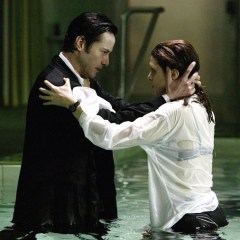
Aaron Eckhart stars as a doctor able to enter the subconscious minds of possessed patients in this week’s Incarnate, a new take on the old exorcism story. And in this week’s 24 Frames gallery, we give our take on the best and worst exorcism horror movies by Tomatometer. Before we start, some règle de jeu: there are no comedies or non-horrors listed, and only movies with at least 20 reviews qualify. Got it? Good. God help us.


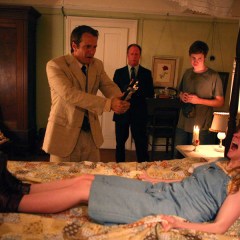
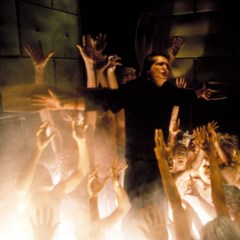
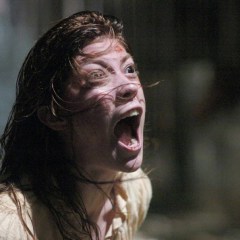
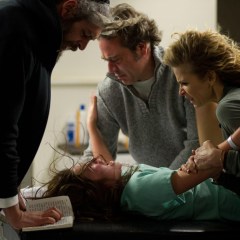
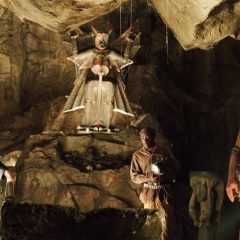
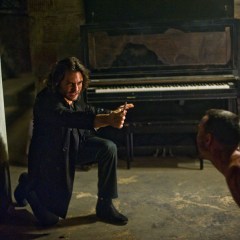
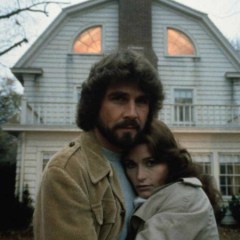

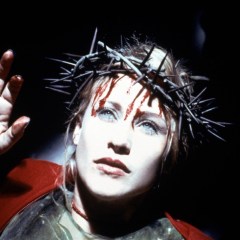
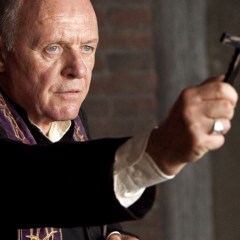
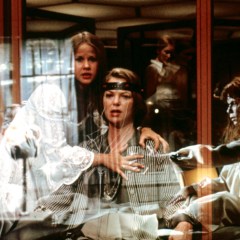
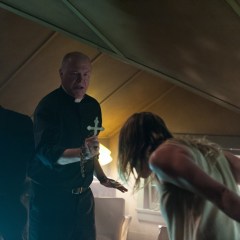

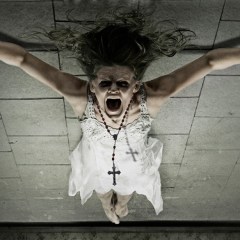
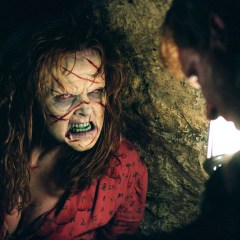

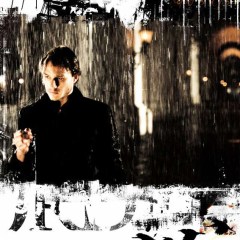
Your favorite celebrities, racial unity, election decorum — nothing is safe in 2016. Good thing we can turn to the movies for some mindful escapism… Yeah, right! 2016 cinema has responded in force, filling popcorn baskets with highly watchable deplorables, zombies, and demons, not to mention the worst dinner party this side of Exterminating Angel. Get your modern horror fix this Halloween with Fresh and Certified Fresh scary movies from an unusually wonderful horrible year!
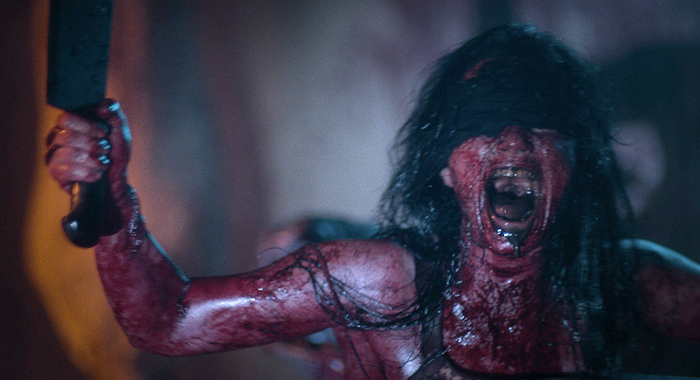
This surreal Turkish shocker follows five police officers who become trapped in an otherworldly realm when they heed a distress call from an abandoned building located in a small, isolated town.
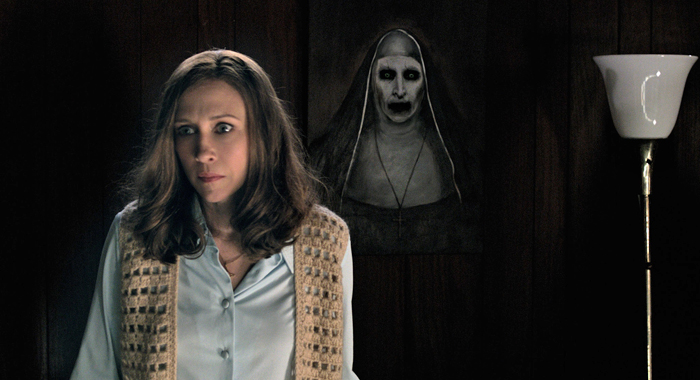
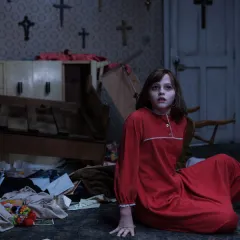
James Wan’s follow-up to 2013’s The Conjuring reunites Patrick Wilson and Vera Farmiga as paranormal investigators Ed and Lorraine Warren, who travel to London to help a single mother whose family is terrorized by a wicked spirit.
Available on: Amazon, FandangoNOW
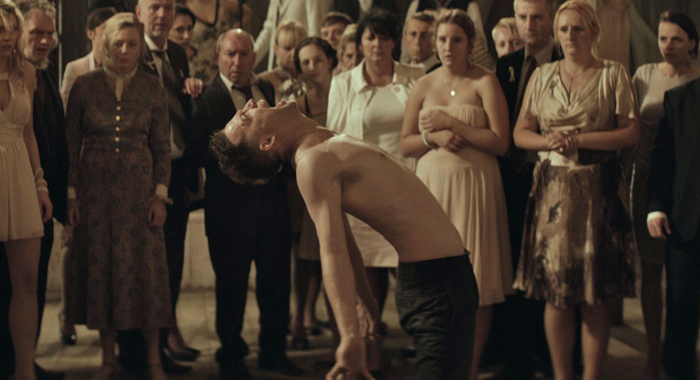
In this unnerving, sometimes darkly funny Polish import, a wedding in a remote country house is disrupted by a visit from an ancient dybbuk who seeks vengeance for crimes past.
Available on: Amazon
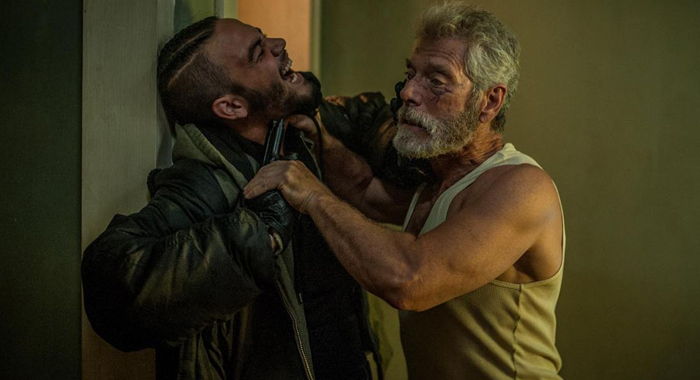
Stephen Lang stars in this tense reversal of a home invasion thriller, in which a trio of thieves are systematically hunted down by the blind man whose home they assumed would make for an easy heist.
Available on: Amazon, FandangoNOW
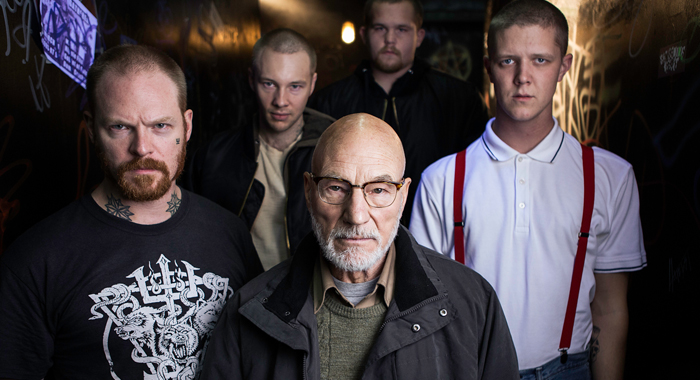
Anton Yelchin and Patrick Stewart star in this brutal thriller about a struggling punk band who are held captive and preyed upon by ruthless neo-Nazis after they stumble upon a gruesome murder scene.
Available on: Amazon, FandangoNOW
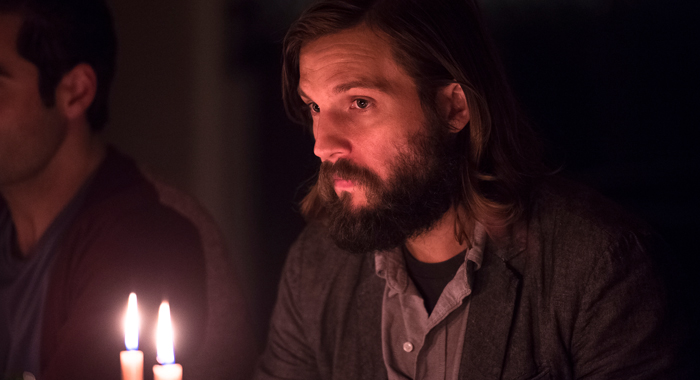
Karyn Kusama’s disturbing thriller centers on a man who accepts an invitation to a dinner party hosted by his ex-wife and comes to suspect a dark hidden agenda at play.
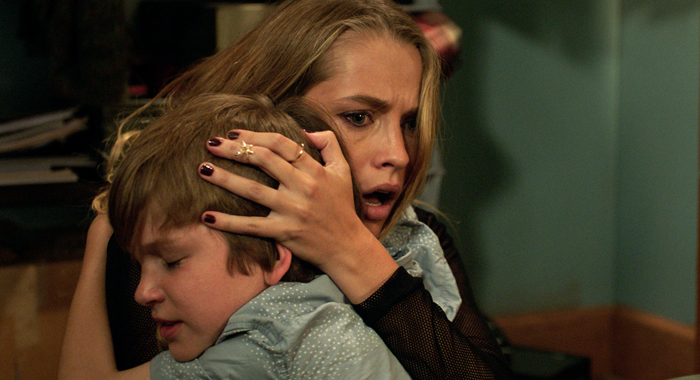
Based on the viral short film of the same name, this supernatural frightfest starring Teresa Palmer and Maria Bello centers on a broken family haunted by a spectre from its past.
Available on: Amazon, FandangoNOW
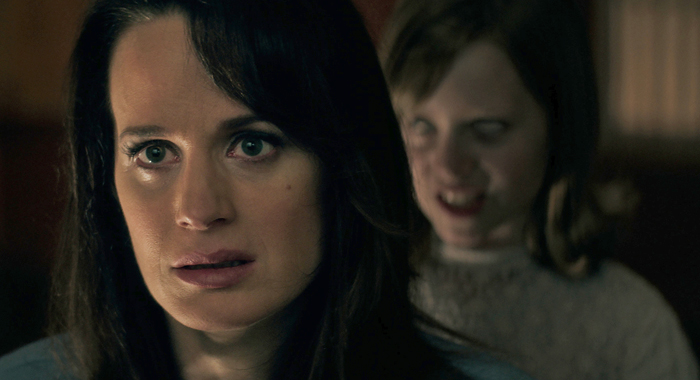
This surprisingly effective prequel to the forgettable 2014 original follows a scam psychic and her two daughters as they deal with an unwelcome spirit who enters their lives via the titular game board.
Available on: Amazon, FandangoNOW | Buy Tickets
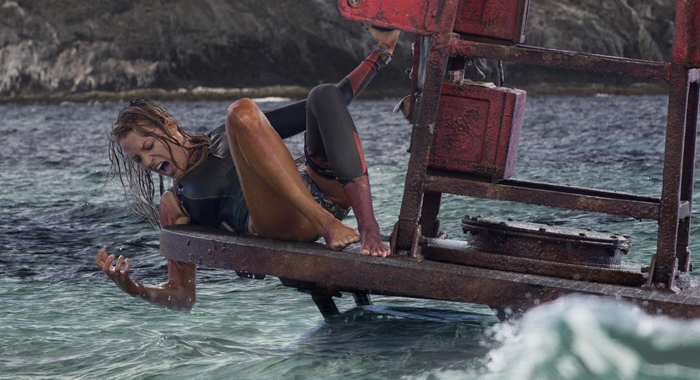
Blake Lively stars in this thriller as a surfer who is terrorized by a great white shark off the coast of an isolated beach.
Available on: Amazon, FandangoNOW
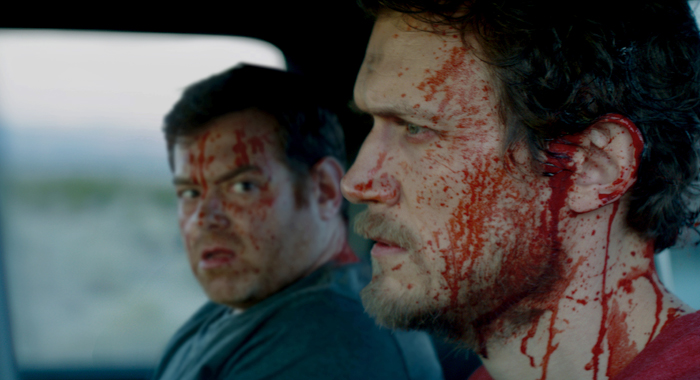
This anthology horror film tells five connected stories about weary travelers who are stuck wandering down a desert highway that doubles as their purgatory.
Available on: Amazon, Amazon Prime, FandangoNOW
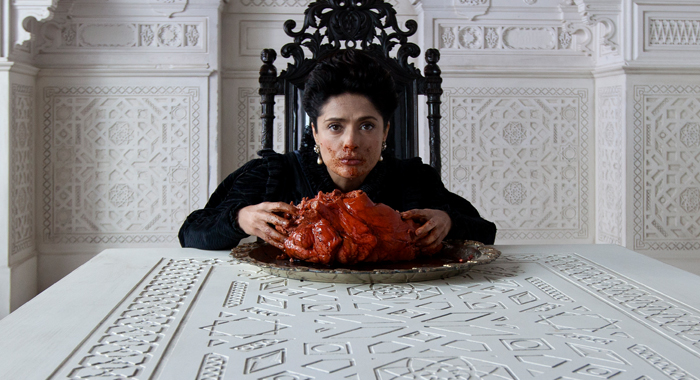
Salma Hayek and Vincent Cassell star in this collection of dark, fantastical stories based on the fairy tales of Giambattista Basile.
Available on: Amazon
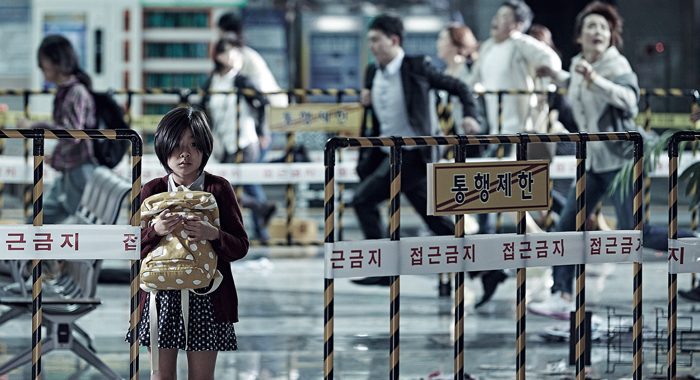
This apocalyptic action-horror film from South Korea follows a group of passengers on a commuter train fighting to survive a zombie outbreak.
Add to Your Watchlist: Amazon, FandangoNOW
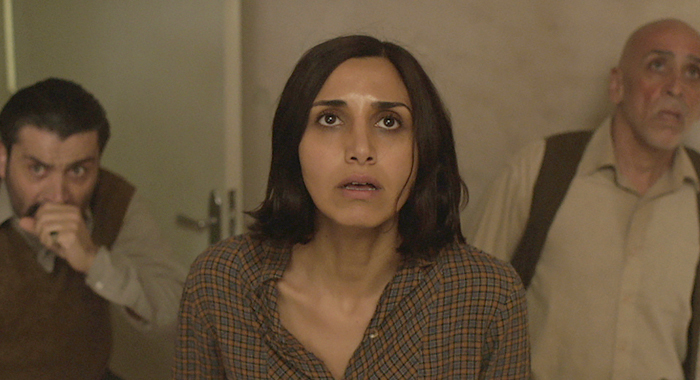
This acclaimed horror hybrid from debuting writer-director Babak Anvari is set in war-torn Tehran and centers on a mother and daughter who may or may not be suffering from the presence of a Djinn.
Add to Your Watchlist: Amazon, FandangoNOW
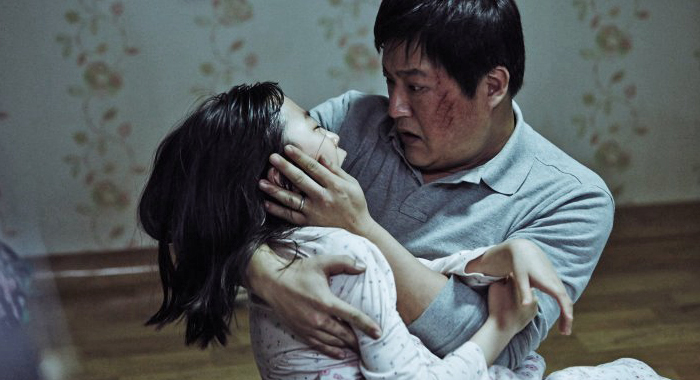
This South Korean horror drama centers on a small town reeling from a series of brutal murders after the arrival of a mysterious stranger.
Available on: Amazon, FandangoNOW
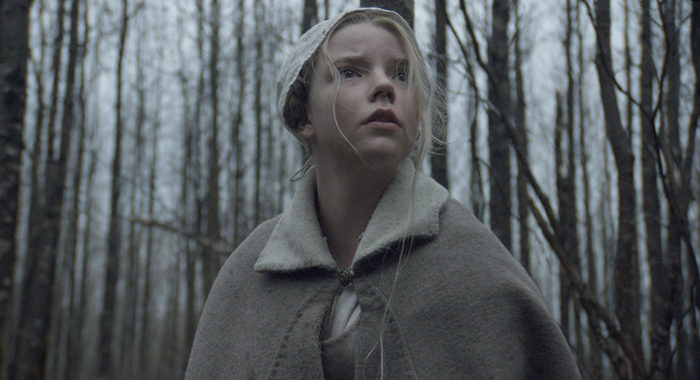
This eerie period horror film follows a Puritan family terrorized by an unseen presence in the forest that slowly begins to drive them apart.
Available on: Amazon, Amazon Prime, FandangoNOW
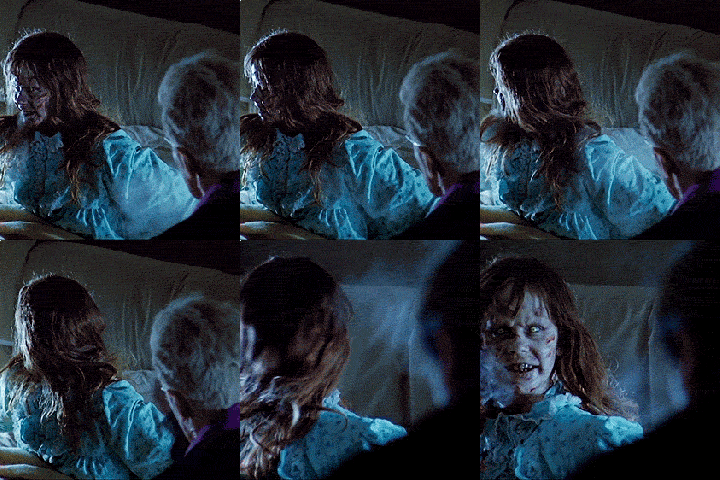
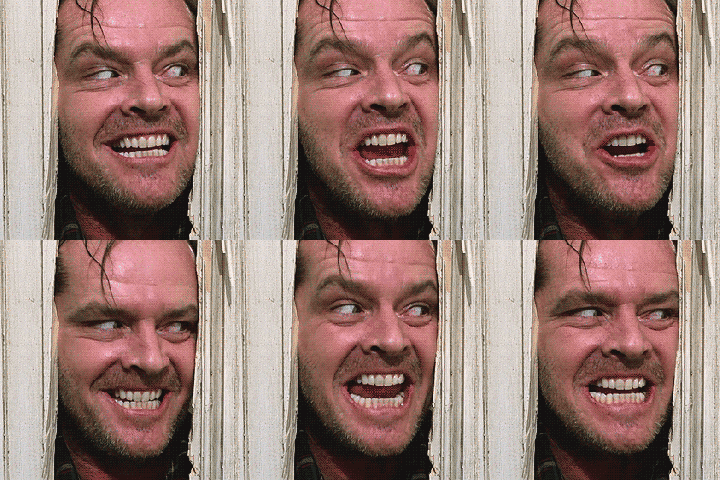
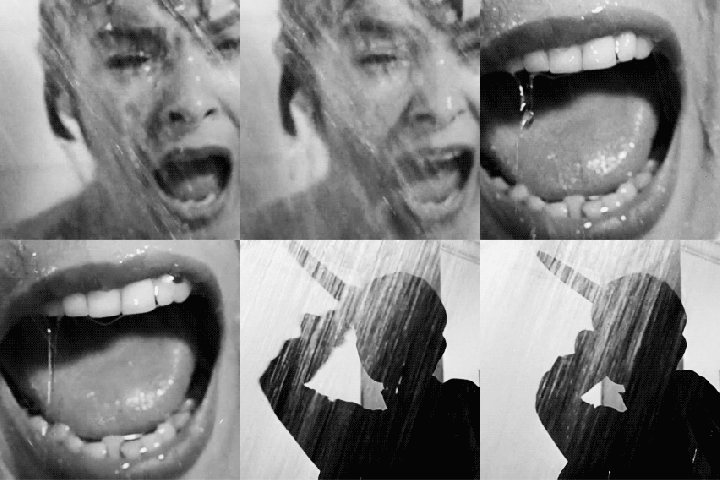
The 75 Best Horror Movies of All Time: So many movies, so many corpses and cups of red corn syrup… If you got the stomach for it, take a stroll down dismemberment lane with 24 iconic moments from horror history!


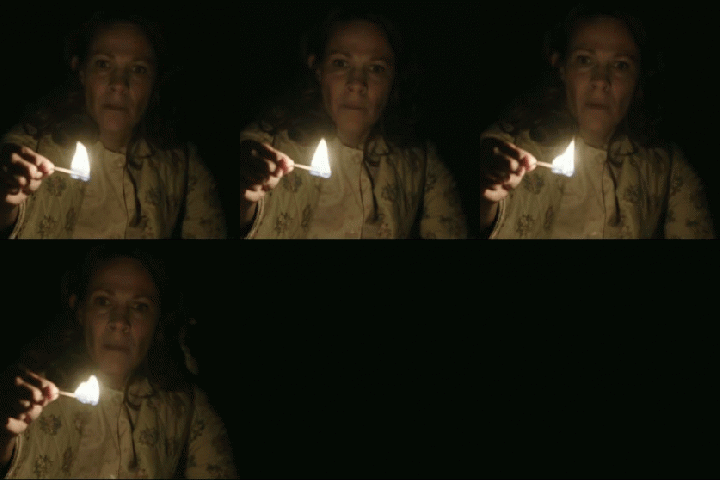
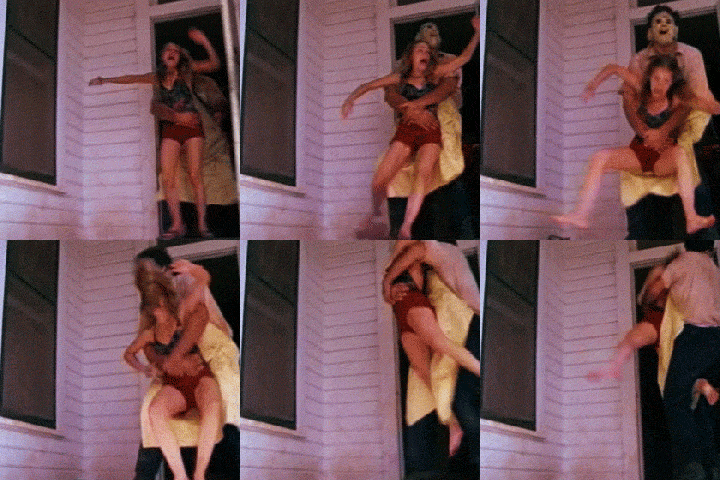
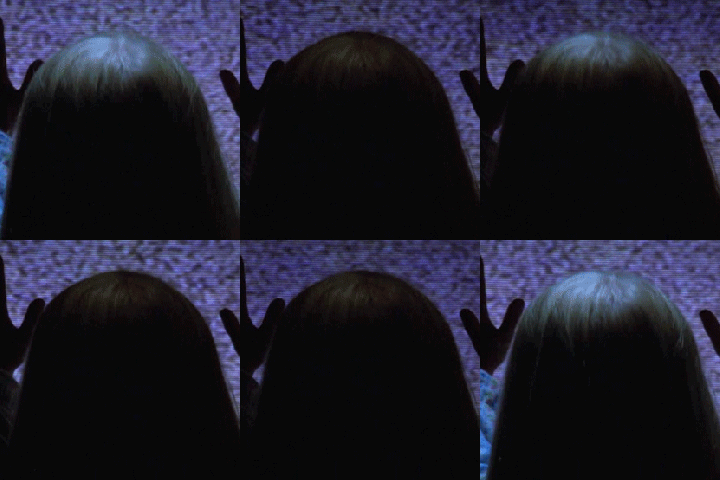
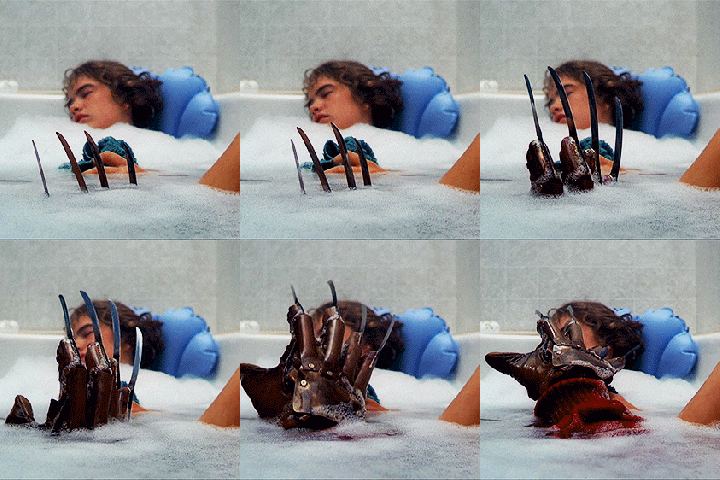
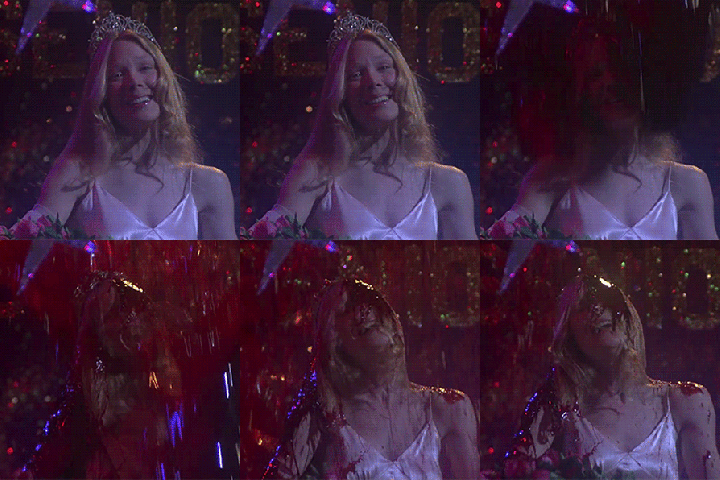
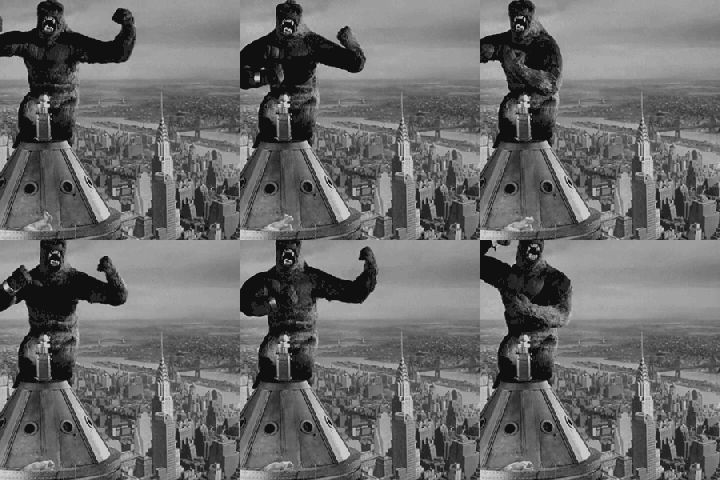
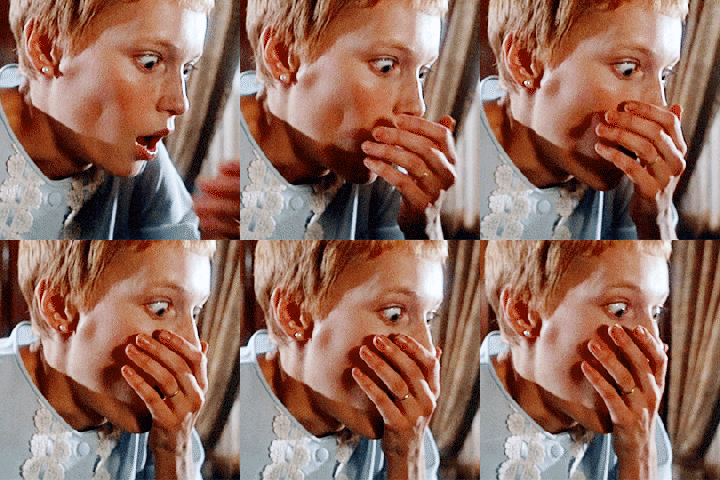
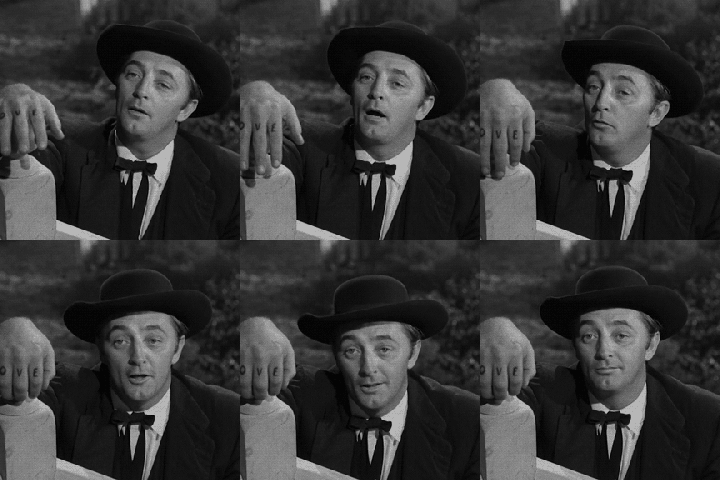
This week on home video, we’ve got one of the biggest blockbusters of the year, a solid horror sequel, a couple of anniversary releases, some worthy TV, and more. Read on for the full list.
Robert Taylor stars as gruff and gritty Sheriff Walt Longmire, a complicated hero who dutifully fights the bad guys in big sky Wyoming. There does not appear to be any bonus content in the season four set.
This Certified Fresh documentary from Noah Baumbach and Jake Paltrow profiles the life and work of the auteur filmmaker behind Scarface and Mission: Impossible. No information on special features is currently available.
Chris Evans and Robert Downey Jr. lead an all-star cast in this Marvel extravaganza, which pits Captain America against Iron Man when the government seeks to track every superhero with a registry and the two Avengers find themselves on opposite sides of the debate. Available in standard and 3D, the Blu-ray comes with a 2-part making-of featurette, a look at both sides of the film’s central conflict, a sneak peek of Doctor Strange, deleted and extended scenes, and more.
Patrick Wilson and Vera Farmiga reprise their roles as paranormal investigators Ed and Lorraine Warren, who travel to London to help a single mother whose home is bedeviled by wicked spirits. Extras include a making-of featurette, interviews with the real life Hodgson sisters featured in the film, a look at the makeup effects and scoring, and more.
Andy Samberg and his Lonely Island partners Akiva Schaffer and Jorma Taccone starin this Spinal Tap-esque satire of the modern mainstream pop scene and 21st century celebrity in general. Special features include music videos, gag reel, interview outtakes, bonus footage, deleted scenes, and a commentary track with the Lonely Island crew.
Jim Parsons, Johnny Galecki, and Kaley Cuoco star in this popular CBS sitcom about a group of geeky scientists who live, love, and play together. The season nine set comes with a celebration of the show’s 200th episode, cast members answering fan questions, a gag reel, the show’s 2015 Comic-Con panel, and more.

Game over, man. James Cameron’s celebrated action-horror film celebrates its 30th anniversary with a new Blu-ray release, which comes with many of the extras available on previous releases (deleted and extended scenes, pre-production galleries, etc) and a brand new supplement that details the inspiration and design of the film.
Moviegoers of a certain age may fondly remember this first big screen outing for Optimus Prime, Bumblebee, Megatron and their peers before they received the Michael Bay treatment. Coming to Blu-ray for the very first time, the new release includes a look at the restoration process, an interview with the cover artist, animated storyboards, a lengthy and informative making-of doc, and more.

Finally, from the Criterion Collection, we have two new releases, beginning with this contemplative 1939 drama from Japanese auteur Kenji Mizoguchi about the relationship between a budding kabuki actor and his baby brother’s wet nurse during the late 19th century. Extras niclude a new interview with critic Phillip Lopate about Mizoguchi’s style and evolution and an essay by film scholar Dudley Andrew.
Last but not least, Criterion is also releasing for the first time a complete set of all 25 Zatoichi films from the 1960s and early 1970s, which star Shintaro Katsu as the titular blind masseur and expert swordsman who wanders the country, dispensing justice. The impressive set includes a 1978 documentary about Katsu, an interview with film critic Tony Rayns, and a book featuring film synopses, the original short story source, new illustrations inspired by the films.
Netflix and Amazon Prime have added a handful of decent titles to their libraries this week, but most people will probably be more interested to know that the most recent chapter in the MCU and the sequel to the hit horror film The Conjuring are both available to purchase via streaming this week. Read on for all the selections.
Chris Evans and Robert Downey Jr. lead an all-star cast in this Marvel extravaganza, which pits Captain America against Iron Man when the government seeks to track every superhero with a registry and the two Avengers find themselves on opposite sides of the debate.
Available now on: Amazon, FandangoNow, iTunes
This Netflix original documentary chronicling the life of legendary American singer Nina Simone with rare footage and previously unheard recordings was nominated for the Best Documentary Oscar.
Available now on: iTunes
Patrick Wilson and Vera Farmiga reprise their roles as paranormal investigators Ed and Lorraine Warren, who travel to London to help a single mother whose home is bedeviled by wicked spirits.
Available now on: Amazon, FandangoNow, iTunes

Salman Khan stars in this underdog sports drama about a wrestler with dreams of Olympic glory.
Available now on: iTunes
This ABC drama based on fairy tales takes place in a fictional town where Snow White, Peter Pan, and other familiar characters have lost their memories due to a curse and have been transported to the real world.
Available now on: Netflix
This Certified Fresh drama from Iceland centers on two bitterly antagonistic sheep farmer brothers who are forced to work together to save the dying herds they watch over.
Available now on: Netflix
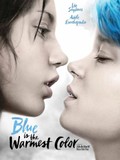
Léa Seydoux and Adèle Exarchopoulos star in this Certified Fresh, Palme d’Or-winning coming-of-age drama about a teenager who falls in love with an older art student.
Available now on: Netflix
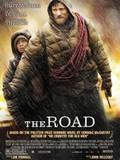
Viggo Mortensen and Kodi Smit-McPhee star in John Hillcoat’s adaptation of the Cormac McCarthy novel about a father and son struggling to survive a post-apocalyptic American landscape.
Available now on: Netflix
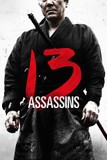
This Certified Fresh period samurai epic from Takashi Miike tells the story of a group of warriors who must stop the rise of a potential tyrant.
Available now on: Amazon Prime
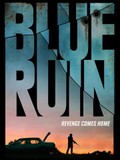
This Certified Fresh thriller follows a drifter who returns to his hometown to exact revenge on the man who murdered his parents.
Available now on: Amazon Prime
Seann William Scott and Jay Baruchel star in this comedy about an average guy who gains renown as a particularly violent minor league hockey enforcer.
Available now on: Amazon Prime
Michael Shannon and Kevin Spacey star as the titular duo in this comedic retelling of the famous real life meeting between Elvis Presley and Richard Nixon.
Available now on: Amazon Prime
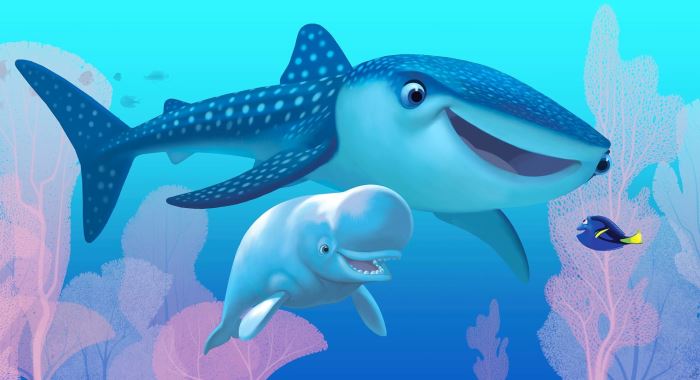
This weekend, Disney and Pixar ruled the box office with ease as the animated smash Finding Dory was once again the most popular film in the land taking in an estimated $73.2M in its second weekend of release. That represented a 46% decline which is good considering the record opening it is coming off of which included massive Thursday pre-shows from last week, and the fact that it is a sequel. Last year’s Pixar entry Inside Out was an original film that dropped 42% and the 2013 sequel Monsters University fell by 45%. All three Pixar movies opened in the second half of June right as schools were letting out for summer vacation.
Through the second weekend, Dory stands tall at $286.6M surpassing the final domestic total of University. On Monday, it will pass Up to become Pixar’s fourth biggest blockbuster ever and on Tuesday it should crack the $300M mark. Eventually the fish tale will beat out Finding Nemo, Inside Out, and Toy Story 3 to become the animation leader’s highest-grossing film of all-time on its way to a finish in the $500M range. Seven of the top ten films this weekend are sequels and all are performing worse than their predecessors – with the notable exception of Dory.
The overseas take climbed to $110.3M led by China where the second weekend tumbled by two-thirds for a cume of $30.2M. That put the global sum at $396.9M with several top markets yet to open.
Opening in second place to rocky results was the big-budget sci-fi sequel Independence Day: Resurgence with an estimated $41.6M from 4,068 locations for a $10,226 average. The PG-13 film continued this summer’s string of sequels that audiences never asked for and performed below the levels of its predecessor. 20 years ago, Independence Day was a pop culture phenomenon opening mid-week ahead of the Fourth of July holiday with $50.2M over the Friday-to-Sunday period and $96.1M over the six-day debut period which began on Tuesday evening with shows starting at 6pm. Yes, pre-shows existed many years ago too. ID4 ended up as the top-grossing film of that year.
Even with a Friday launch, higher ticket prices, 3D, IMAX, and 1,186 more theaters, Resurgence still saw a much lower opening weekend than the 1996 hit. In fact when comparing admissions, the sequel pulled in 55-60% fewer people. Many cast members returned in the sequel, but Will Smith was noticeably absent. The actor has had more flops than hits in recent times so it is hard to determine what impact his presence would have had, but overall consumer excitement was never very high for Resurgence.
Studio data from Fox showed that the audience was understandably more male (58%) while 64% were over 25. Reviews were mostly bad and the B CinemaScore grade indicates that paying audiences were only moderately happy with the entertainment they got.
With a budget reportedly north of $160M, the Roland Emmerich-directed action tale is global in scope and made to earn its revenues from around the world. Independence Day: Resurgence made use of its day-and-date roll-out by grossing a hefty $102.1M internationally for a $143.7M global bow this weekend. China, of course, repped the biggest share with a large $37.3M weekend almost matching the domestic gross. The next biggest markets were Korea with $7.4M, the U.K. with $7.3M, and Mexico with $6.8M.
Kevin Hart films often tank on the second weekend, but with The Rock on board, Central Intelligence dropped 48% to an estimated $18.4M taking third place. Given the big marketing push and the arrival of new action offerings, that was a reasonable sophomore decline for Warner Bros. With $69.3M to date, the action-comedy looks to end its run in the area of $115M which would be second-best all-time for Hart after Ride Along‘s $134.9M.
Blake Lively scored a commercial hit, and proved her box office pull, with the shark attack thriller The Shallows which exceeded expectations to open to an estimated $16.7M in fourth. Averaging a solid $5,638 from 2,962 locations, the PG-13 pic was powered by young women and served as fresh content in a marketplace filled with recycled brands. Sony’s well-reviewed one-woman survival story played to an audience that was 54% female and 50% under 25. With a production cost of only $17M, Shallows will end up as one of the more profitable titles of the summer.
Audiences had no interest in Matthew McConaughey’s new slave drama Free State of Jones which flopped with an opening weekend of only $7.8M, according to estimates, from 2,815 theaters for a weak $2,761 average. Backed in part by Chinese financing, the STX release earned negative reviews which turned off its target audience of serious-minded adults. Plus the story was something that summer ticket buyers were just not in the mood for in the first place.
A five-pack of sequels filled up the rest of the top ten. Horror offering The Conjuring 2 grossed an estimated $7.7M, down 48%, giving Warner Bros. $86.9M to date. Global is now a fantastic $242.9M. Lionsgate’s Now You See Me 2 dropped 40% to an estimated $5.7M for a $52.1M cume. The magic pic is the latest Hollywood movie to open bigger in China than in the U.S. thanks to this weekend’s $43.3M debut which is not surprising since half the film is set there. Global on NYSM2 is $159.8M.
Fox’s X-Men: Apocalypse fell 53% to an estimated $2.5M giving the mutants $151.1M to date. Rounding out the list with long titles and declines of more than half were Teenage Mutant Ninja Turtles: Out of the Shadows with an estimated $2.4M and Alice Through the Looking Glass with an estimated $2.1M. Totals are $77.1M and $74.6M, respectively.
Dropping out of the top ten in only its third weekend was the big-budget adventure Warcraft with an estimated $2.1M and terrible $43.9M cume. The Universal tentpole has suffered back-to-back 70% declines and is looking at a domestic final of about $47M. The video-game-inspired Mortal Kombat from 21 years ago did much better with $70.4M in the summer of 1995. But overseas is a different story for Warcraft where the China total has risen to $221M even though it is decelerating fast there. Global is now $412.2M with a whopping 89% coming from outside North America.
Disney owns four of the six biggest blockbusters of 2016 and two of them fell out of the top ten this weekend. Captain America: Civil War climbed to $403.9M domestic and $1.15 billion worldwide while The Jungle Book rose to $358M and $929.5M global.
The top ten films grossed an estimated $178.1M which was up 2% from last year when Jurassic World remained at number one for a third time with $54.5M; and up 4% from 2014 when Transformers: Age of Extinction debuted in the top spot with $100M, a figure other distributors disputed.
Compared to projections, Finding Dory was on target with my $74M forecast while Independence Day was close to my $39M prediction. The Shallows opened well above my $10M projection and Free State of Jones was on target with my $7M forecast.
Follow Gitesh on Twitter.
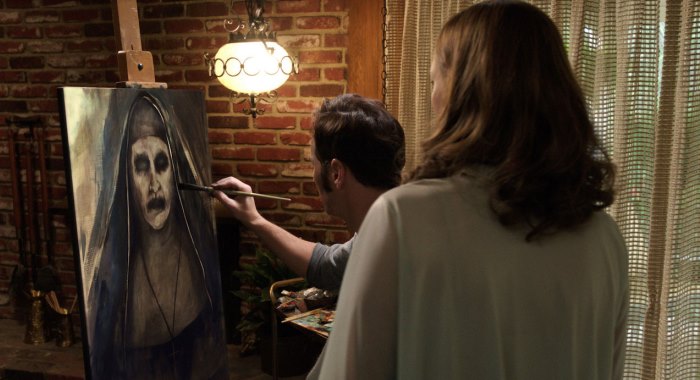
This weekend, proving to be about as popular as the first hit film, the supernatural sequel The Conjuring 2 opened at number one with an impressive gross of an estimated $40.4M. Warner Bros., which has been in need of a hit, enjoyed a fantastic $12,070 average from 3,343 locations.
Both Conjuring films have opened north of $40M which is an astonishing feat for the horror genre. Director James Wan and stars Vera Farmiga and Patrick Wilson all returned and the marketing promised another spooky story with a PG-13 rating that can attract teens and young adults. And having a quality product was key to the success too. Reviews were very strong and audiences were quite pleased as the CinemaScore grade was an A-. These are incredible results for a fright sequel.
Conjuring 2 enjoyed the best opening weekend for any horror film since the first pic opened three summers ago to $41.9M. Studio research on the sequel showed that the crowd was 52% female and 57% over 25. Good word-of-mouth helped the first chapter have legs which led to a terrific $137.4M domestic final and $318.4M worldwide take. Longevity may once again be a factor here given the good will the sequel is generating.
Overseas, The Conjuring 2 launched with an estimated $50M from 44 markets with 26 of them seeing the best horror movie opening of all-time. Breaking $300M global is possible again especially since most top European markets have not opened yet. That means a pair of films that cost $60M combined to produce will end up grossing more than $600M together.
The pricey video-game-inspired adventure film Warcraft opened in second place with an estimated $24.4M which normally would be a disappointing performance, but with the film’s massive success in China, the U.S. numbers will not be so important. Universal opened the PG-13 actioner in 3,400 locations and averaged $7,164 per site. Reviews were lousy and consumer interest never really materialized outside the gamer community.
Demo data indicated that the audience was very male (66%) and 54% were under 30. The CinemaScore grade was a B+ which was decent. Films like Warcraft are made to draw their fan bases upfront so a final domestic total of around $60M seems likely which is even worse than the new Alice movie.
But the North American market is essentially gravy for Warcraft. China leads the way as the most critical territory for this film and will probably contribute more than half of the final global gross. With a Wednesday holiday launch, the orc pic grossed a staggering $156M in its first five days there putting it about even with last summer’s Furious 7 which set all-time industry records at the time on its way to a jaw-dropping $391M final there. The game has been immensely popular in that country and the casting of Chinese-American actor Daniel Wu (who got the ‘and’ credit) helped. 292 IMAX screens in China delivered a robust $20M as the visual effects made it a prime movie to experience in a premium format.
Other international markets have contributed $105.7M to date. Add in China and North America and the Warcraft global cume now stands at $286.1M and climbing rapidly. Produced for $160M, the final global gross could approach the $600M mark with a whopping 85-90% coming from outside North America.
Another new release followed in third place. The magic sequel Now You See Me 2 debuted well with an estimated $23M from 3,232 locations for a solid $7,124 average. Lionsgate saw lackluster reviews for its PG-13 pic. In the summer of 2013, Now You See Me was an unlikely hit opening to $29.3M on its way to $117.7M. The all-star sequel’s debut was an acceptable amount smaller than its predecessor’s. A $20.1M international bow put the global total at $45.8M. NYSM2 opens in China in two weeks and expects a healthy run there given that half the film is set in Macau.
Falling 58% in its second weekend was Teenage Mutant Ninja Turtles: Out of the Shadows with an estimated $14.8M putting Paramount at $61M to date. A domestic final of $90-100M seems likely amounting to only half of the $191.2M of its 2014 predecessor. The international cume rose to $55.3M for a current global tally of $116.3M.
Another summer sequel declining hard was X-Men: Apocalypse which fell 56% to an estimated $10M putting Fox at $136.4M through the third weekend. The latest mutant saga is running 28% behind the pace of 2014’s Days of Future Past. Apocalypse grossed another $25M overseas this weekend boosting the international haul to $342.1M and the worldwide sum to $478.5M. China leads all markets with $96M which beats what Batman v Superman did there.
The romance Me Before You followed with an estimated $9.2M dropping 51% in its second weekend. Warner Bros. has banked $36.8M to date. With an estimated $6.7M, The Angry Birds Movie took seventh place sliding only 34%. Sony has collected $98.2M from North America and $312.1M worldwide. China leads all overseas markets by a mile with $72M while all other territories have grossed under $14M each.
Rounding out the top ten was Disney with three big-budget films — two megahits and a flop. Alice Through the Looking Glass dropped 51% to an estimated $5.5M for a weak cume of $62.4M. A dismal domestic final of about $75M is likely which would be a disturbing fall of 78% from the $334.2M of 2010’s Alice in Wonderland.
Top hit Captain America: Civil War grossed an estimated $4.3M, down 45%, with a new cume of $396.9M. The global run is winding down now and the cume stands at $1.14 billion. The Jungle Book cracked $350M domestic and $900M worldwide this weekend. The effects-driven adventure took in an estimated $2.7M, off 39%, pushing the sum to $352.7M. It passed American Sniper and Transformers: Dark of the Moon to reach number 34 on the list of all-time domestic blockbusters and will surpass Furious 7 within a day or two.
The top ten films grossed an estimated $141M which was down 47% from last year when Jurassic World broke the all-time opening weekend record with $208.8M; and down 21% from 2014 when 22 Jump Street debuted in the top spot with $57.1M.
Follow Gitesh on Twitter.
The red carpet was rolled out for Two sequels and a long-developed adaptation of a classic game series this week; see Paula Patton, Lizzy Caplan, Vera Farmiga and more as they celebrate the premieres of The Conjuring 2, Now You See Me 2, and Warcraft:
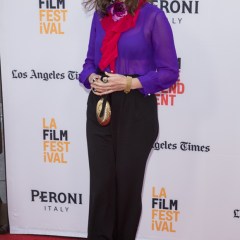
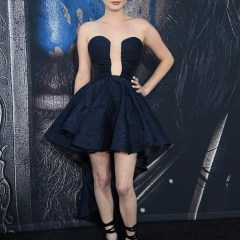
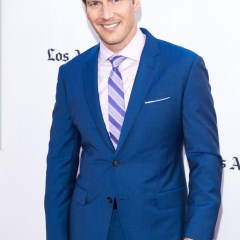
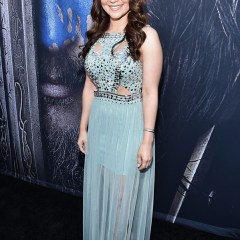

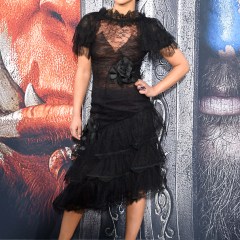
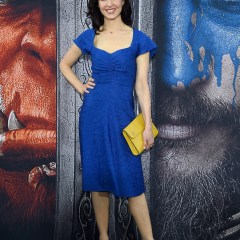
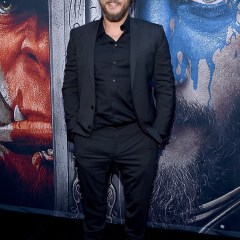
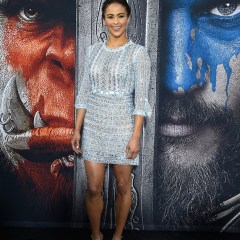
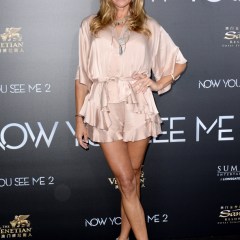

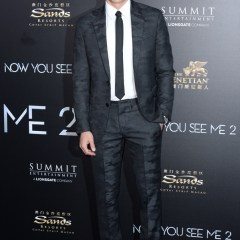
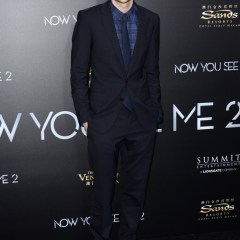
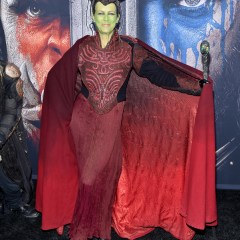
Matt and Grae talk about what scares them, then share their thoughts on The Conjuring 2, Warcraft and Now You See Me 2.
RT Senior Editor Grae Drake talked to Frances O’Connor, Madison Wolfe, Vera Farmiga, and Patrick Wilson from The Conjuring 2, and director James Wan about what kind of ghosts they would be in the afterlife — and discovered that we’d probably want to be haunted by Patrick Wilson!
This week at the movies, we’ve got rogue magicians (Now You See Me 2, starring Jesse Eisenberg and Mark Ruffalo), a Horde of Orcs (Warcraft, starring Ben Foster and Paula Patton), and paranormal investigators (The Conjuring 2, starring Vera Farmiga and Patrick Wilson). What do the critics have to say?
Now You See Me didn’t exactly inspire critical adulation when it arrived in theaters in 2013, but it made a lot of money — so now we have Now You See Me 2, which reunites most of the original’s showy cast while adding a few new faces for another magical heist filled with twists, turns, and double-crosses. The problem, according to most critics, is the same one that dogged the original — namely, that the movie is more interested in giving the appearance of a busy caper than actually making sense. If it’s a talented onscreen assemblage you’re after, Now You See Me 2 offers this weekend’s biggest bang for your buck, but for genuine cinematic magic, the pundits suggest looking elsewhere.
It isn’t often that the critical establishment even bothers to feign interest in a video game adaptation — but then, most video game adaptations don’t have Warcraft‘s pedigree. With director Duncan Jones at the helm, this fantasy saga threatened to deliver more than just another exercise in franchise-building; alas, instead of offering filmgoers an experience as enchanting as its source material, critics say the Warcraft movie is a hollow shell of CGI eye candy with a narrative void at its center. Although Jones gets credit for assembling an impressive visual spectacle, his efforts aren’t enough to compensate for subpar acting, dense mythology, and a plodding plot — and in the end, Warcraft is one more in a long line of game-to-film journeys ending with a critical walk of shame.
Director James Wan gave horror enthusiasts a Certified Fresh surprise with 2013’s The Conjuring, which used chilling restraint to tell a terrifically creepy tale drawn from the archives of real-life paranormal investigators Ed and Lorraine Warren. More than $300 million later, Wan is back — along with stars Patrick Wilson and Vera Farmiga — to offer another dramatization of the Warrens’ ghostbusting exploits. Although most critics can’t help but point out that this stuff isn’t quite as scary the second time around, they’re also quick to admit that Wan remains a deft genre filmmaker, and while The Conjuring 2 is subject to the laws of diminishing returns suggested by its title, it’s still got its share of suitably nasty scares.
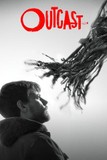
A cut above average summer fare, Outcast provides the genuine chills one should — but often can’t — expect from television horror.
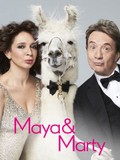
Maya & Marty is a safer, weekday version of Saturday Night Live with little to recommend it other than Maya Rudolph and Martin Short‘s admittedly considerable charms.
Feed the Beast‘s visual appeal isn’t enough to make up for predictable plotting, convoluted dialogue and unlikable characters.
Also Opening This Week In Limited Release
After a blockbuster detour with Furious 7, director James Wan returns to his horror roots for like the fifth time in his career with The Conjuring 2, which follows Conju-Uno‘s Ed and Lorraine Warren into their next really true scary case. The original 2013 film was a Certified Fresh smash for Wan and company, notable because it’s rare for horror movies to get Fresh Tomatometer scores, and even rarer for their franchise sequels. So the fact Conjuring 2 is drawing sorta the same praise as its predecessor…well, that inspires this week’s gallery: 24 best-reviewed horror sequels!
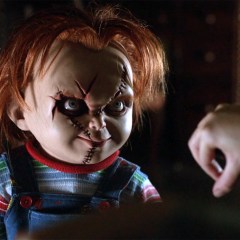
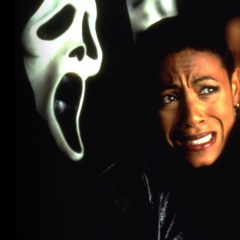
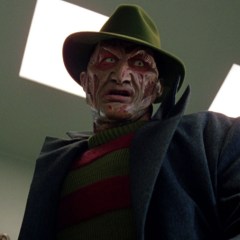
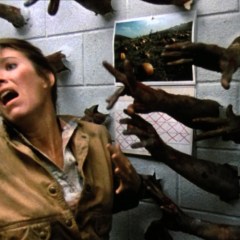
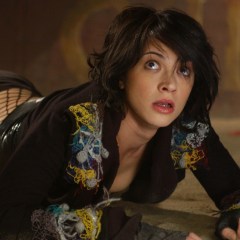
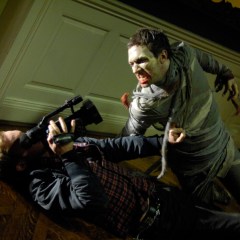
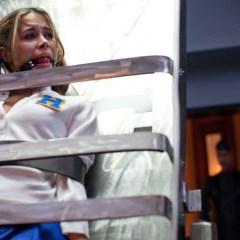
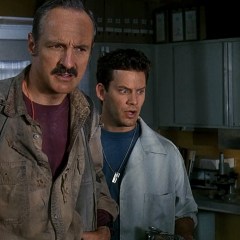
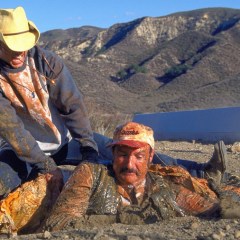
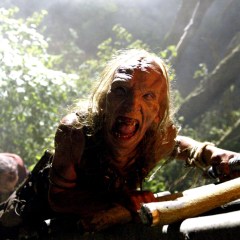
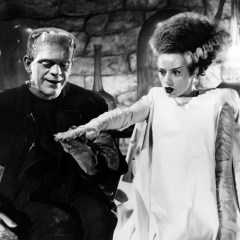
As August passes, we’ve now completed ranking every major movie (releases that hit 600+ theaters and/or with 80+ critic reviews) by Tomatometer since the start of May, concluding another summer blockbuster season. The “blockbuster” this year, though, carried a more ominous weight, with a drumline of sequels and remakes bombing critically and commercially on a weekly basis. Only two movies in the scorecard’s top 10 this year dominated global attention spans (Captain America: Civil War, Finding Dory), with the rest featuring works from auteurs typically reserved for awards season, like Whit Stillman’s Love & Friendship or Shane Black’s The Nice Guys.

Summer’s here, and the time is right for heading to the multiplex. We at Rotten Tomatoes want everyone to be prepared for the onslaught of summer movies. So we’re here to help you get ready for the biggest cinematic season of the year with RT’s 2016 Summer Movie Calendar.

Fans of the hit The Conjuring are anxiously awaiting the sequel The Conjuring 2, which opens in June and is based on another frightening case investigated by real-life paranormal specialists Lorraine and Ed Warren (played by Vera Farmiga and Patrick Wilson). The director of the first film, James Wan, returns to helm the sequel, but Frances O’Connor joins the cast this time around as a single, working-class mother in need of protection from supernatural forces tormenting her and her children. The Warrens to the rescue!
But the spookiness isn’t limited to the screen; when a priest who’s authorized to perform building exorcisms — but not those of individuals — blessed the set at the beginning of production of both films, strange things happened behind the scenes. So, do the actors believe in the supernatural? During a set visit last year, Rotten Tomatoes got to ask them.
Vera Farmiga felt she needed to buy into the supernatural “hook, line, and sinker” because she plays real-life paranormal investigator Lorraine Warren, “and she believes it.” But that’s not to say she didn’t already have beliefs of her own. “I believe in negative mysticism; I believe in positive mysticism,” she said. “I have forged my own spiritual narrative in terms of what I believe.” Certain psychological challenges made working on the first The Conjuring film hard on Farmiga, but they are no longer problematic: “I was really challenged by the first one. It was harder for me — especially in pre-production — all the research that went into it was very difficult for me psychologically. I was very spooked and at all times would look over at the kids to make sure they weren’t levitating. Living in fear. My life was drenched in fear and that’s very different this time around… I like to think I have armor now.”
And while Patrick Wilson doesn’t believe much in the supernatural — “I believe that they believe,” he said of the folks with real-life experiences — he does believe “there’s another force out there, whether that delves into religion or just spirituality.” On the other end of the spectrum, Frances O’Connor was raised Catholic and does have some supernatural beliefs. She even bought crystals that she wears sometimes when she’s feeling a “little freaked out.”
Similar to the reports of ghostly occurrences on the set of The Enfield Haunting, a British import miniseries starring Timothy Spall about the same Enfield poltergeist spotlighted in the film, we at Rotten Tomatoes got to hear first hand about what went on while making The Conjuring 2, and the cast members were eager to discuss their own personal experiences with us. Here are the scary — or just plain odd — ghostly stories we were told.

Frances O’Connor told us that she’s had several supernatural-ish occurrences and that she does believe in some of the eerie stuff portrayed in the film. Once, on a road trip with her husband (boyfriend at the time), the pair stayed in an Oxford, MS hotel that spooked the actress. Upon entering the room, O’Connor “just got a horrible feeling about it.” When she slept, she dreamt of a man with a red moustache in a military uniform – she was reading his tarot cards. “And the numbers were, like, 13, 1, 1, 1,” she said. When the dream woke her, she felt her husband lying behind her. She continued, “But I opened my eyes and he was on the other side of the bed. And I swear to God, I could feel someone lying behind me. I got up and I jumped on my husband, who really wasn’t very happy. I said, ‘There’s somebody in the room!’ So we turned the lights on and there was nothing.” Afterwards, as she lay in bed, she thought she felt somebody flick her hip. The next morning the two noticed a huge plaque announcing that the hotel was built where many confederate soldiers died. They hadn’t seen the plaque until that next day.

Vera Farmiga has been party to multiple supernatural experiences. Witnessing a teacup flying off a shelf in a Massachusetts rental house is just one. Farmiga recalls the production of the first film, when she initially accepted the role of Lorraine Warren over the phone with James Wan after learning Patrick Wilson was confirmed to co-star. Prior to the call, she had been researching Warren online because she was previously unfamiliar with the real-life paranormal investigator, and when she reopened her computer screen, she was surprised to see what looked like three digital claw marks running diagonally from the upper right corner to the lower left.
Fast forward to the day she finished filming. She returned to her upstate New York house and went to bed, only to be “woken up to three claw mark bruises across my thigh.” Farmiga still has the photograph on her phone, which she showed us on set. “There’s evidence there, but I was adamant about not feeling fear,” she continued. “It’s emotional armor; you figure out how to build it around yourself, even though there’s clear evidence of some strangeness that’s occurred. My husband did not do that to me; I did not scratch some mosquito bite.”

One day, Patrick Wilson was walking on the studio lot to get his coffee and passed through an area where he had run into the assistant to filmmaker Zack Snyder a week earlier – they had worked on Watchmen together. The assistant told him that Snyder was in London and wasn’t sure when he would be back. Wilson told us, “Just as I’m walking there, I start thinking, ‘I wonder where Zack is.’ And he literally comes around the corner. I have not seen the guy in years. Is it coincidence? Probably. But I don’t just hang out there, you know? Those to me are like little moments where you feel like there’s something else out there.”

Aside from the cast having their own personal experiences, a publicist for the film informed us he’d been receiving reports of little weird occurrences on set. There were reports of drilling happening below the stage when nobody was down there, along with unexplained hammering sounds. Leigh Whannell, the film’s still photographer — who also worked on Insidious 2 and Insidious 3 — visited the set one day, and we were told that, while he was on set, his Insidious photographs suddenly popped up on his iPad. Those particular photos, however, had never been on his computer or his iPad, and now he was unable to delete them. The publicist tried to help Whannell delete the pics, but when they plugged the iPad into the computer, they would mysteriously disappear. The pictures, however, remained on the iPad.
The same publicist informed us that a Warner Bros. security guard who moonlights as a ghost hunter divulged that Stage 4 — one of the stages being used for The Conjuring 2 — is “notoriously haunted; it’s one of the most haunted stages on the lot.” The guard believes the ghosts that haunt the set are former Warner Bros. employees, benign in nature, who enjoy playing harmless practical jokes.
The Conjuring 2 opens Friday, June 10 in wide release.