

I Visited the Set of S.S. Rajamouli’s Varanasi: Here’s Everything We Know
We break down who's in it, who's making it, where it takes place, and what fans can expect in S.S. Rajamouli's newest film.
What happens when you send a Rotten Tomatoes intern across the globe to cover one of the biggest films Indian cinema has ever attempted? You get jet lag… and a front-row seat to Varanasi, director S.S. Rajamouli’s next globe-spanning spectacle.
Follow along with me as I traveled more than 8,700 miles and over 20 hours to Hyderabad, India, chasing a film that already feels larger than life. By the time I arrived on the night of November 15, 2025, the so-called “Globetrotter Announcement Event” was already buzzing with anticipation. Thousands of fans lined up behind the press barricades, while a livestream hosted by Variety brought the spectacle to viewers around the world. But nothing on a screen could replicate what it felt like to actually be there.
Getting to the venue at Ramoji Film City felt like stepping into a movie before the movie had even begun. Our journey veered off-road, kicking up dust as we made our way toward a glowing neon sign announcing the film city in the distance. Once inside, the scale of it all became immediately clear. The event space was designed like a living, breathing city, bathed in warm oranges and yellows, anchored by one of the largest LED screens in the world: a staggering 100 by 132 feet. Overhead, drone cameras zipped through the air as the crowd erupted into thunderous chants of “Jai Babu!”
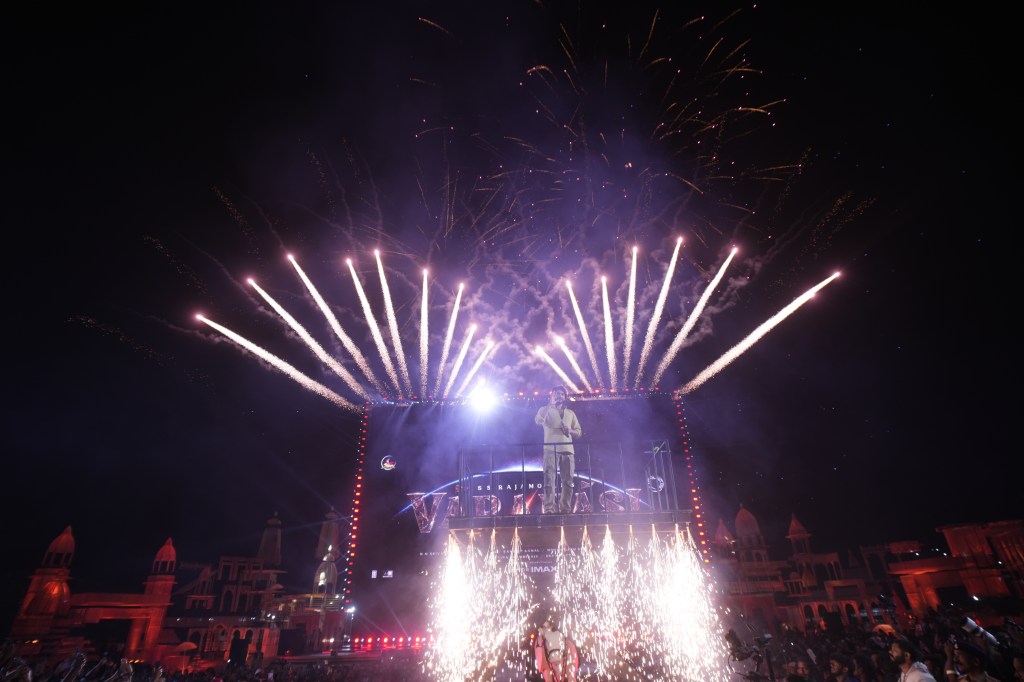
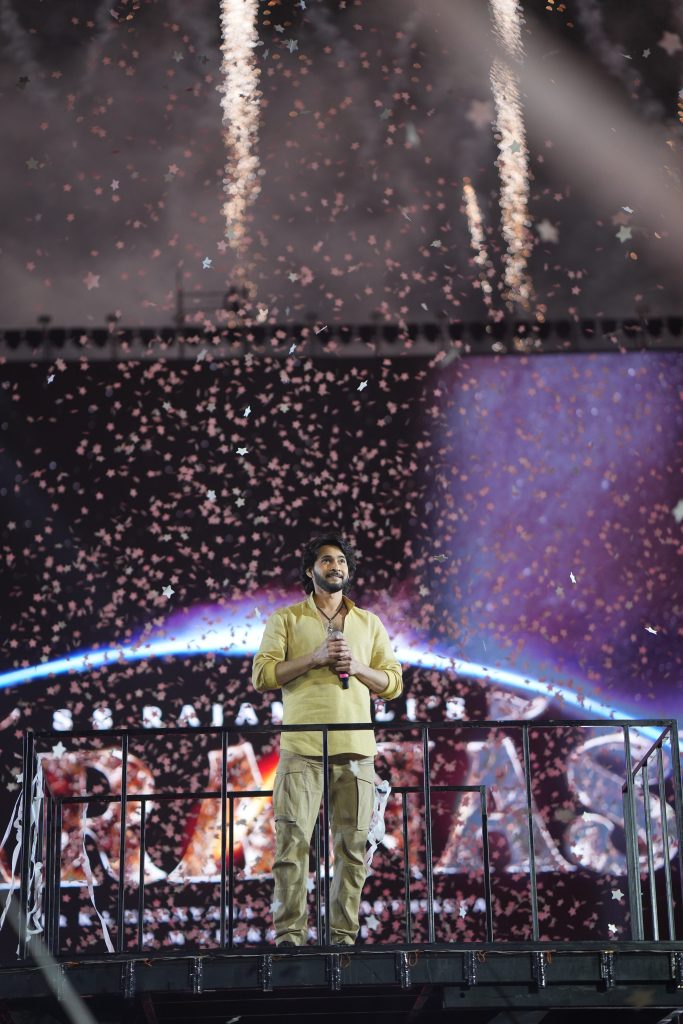
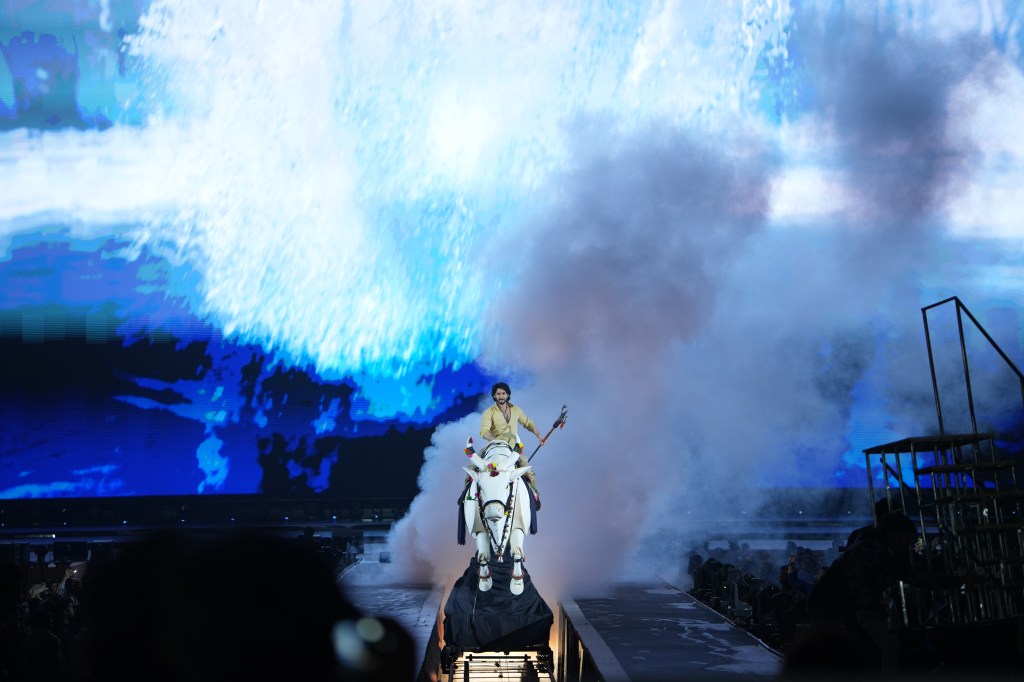
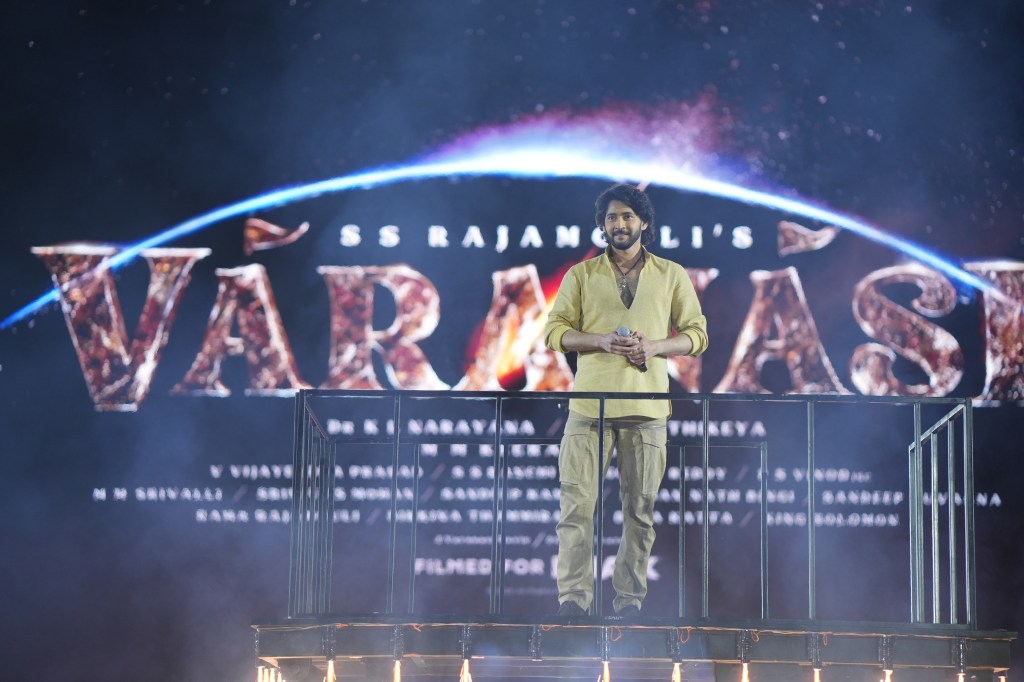
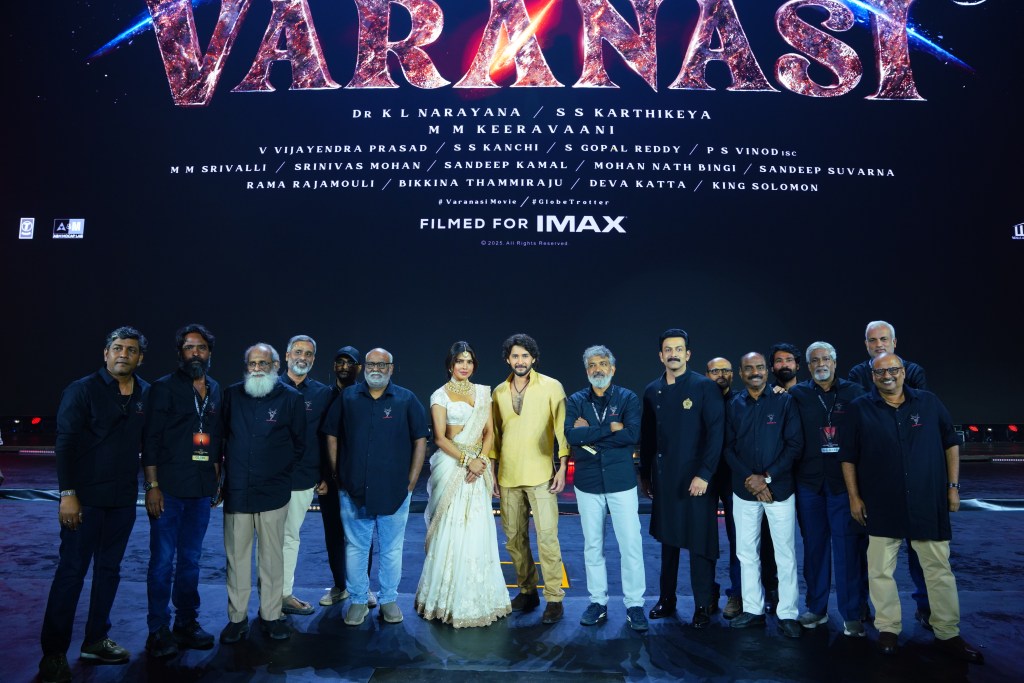
That chant was for one Varanasi‘s stars, Mahesh Babu, and witnessing his arrival was unlike anything I’ve ever seen. His celebrity status is on another level entirely, something that transcends even the biggest names in American pop culture. It felt less like a movie premiere and more like a cultural phenomenon unfolding in real time. One by one, the cast took the stage, including Priyanka Chopra Jonas and Prithviraj Sukumaran, each offering glimpses into what promises to be a massive cinematic undertaking. Towards the end, the film’s official title was finally revealed: Varanasi.
If RRR was the film that catapulted Rajamouli into global recognition, Varanasi feels like his attempt to push even further. RRR didn’t just succeed, it reshaped how global audiences view Indian cinema, even earning an Academy Award and introducing a new level of spectacle and storytelling to the mainstream. Now, Rajamouli’s ambitions are even more audacious. The goal, as he made clear, is simple: take Indian cinema to an even larger global stage. And judging by what I saw, he might just pull it off.
What Is Varanasi About? Who’s In It?

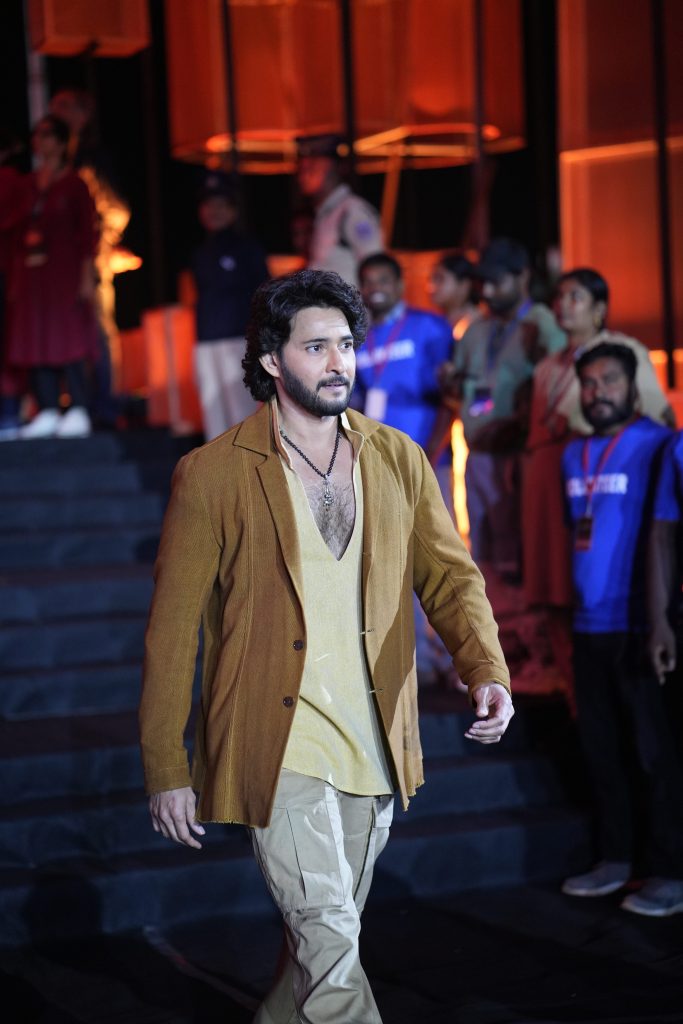
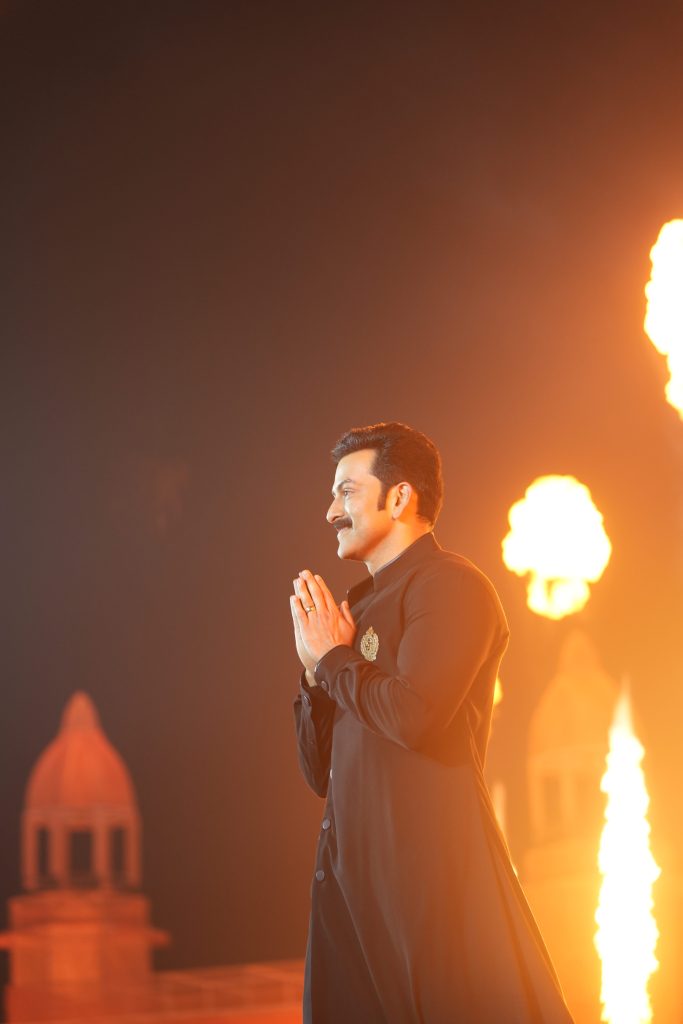
Details about the plot remain tightly under wraps, but what has been revealed paints a picture of something enormous in scope. The story spans thousands of years, from 7200 BCE to 2071, weaving through global catastrophes, asteroid threats, and a race to prevent the destruction of the world. The film reportedly travels across continents, from Antarctica to Africa to India, blending time travel, mythology, and action into a narrative that feels equal parts epic and unpredictable. At one point in the teaser, the protagonist appears riding a bull and wielding a trident, which should give you a sense of just how bold this film is willing to be.
Part of what makes Varanasi so exciting is how it brings together different corners of Indian cinema. Mahesh Babu represents the power of Telugu film, Priyanka Chopra Jonas bridges Bollywood and Hollywood with a career that spans both industries, and Prithviraj Sukumaran brings the intensity of Malayalam cinema as the film’s antagonist.
Music will once again play a major role, with Oscar-winning composer M. M. Keeravani returning to collaborate with Rajamouli. If RRR proved anything, it’s that music in Indian cinema its a driving force of storytelling and emotion.
Are There Any Trailers? When Is The Varanasi Release Date?
The trailer, which debuted at the event, was a showstopper in its own right. Projected onto that massive LED screen and filmed for IMAX, it immediately captivated the audience. The reaction was so overwhelming that it had to be played a second time for the tens of thousands in attendance. Rajamouli later revealed that the trailer alone took a full year to complete, while the film itself will undergo another year of intensive visual effects work. Watching it, even briefly, made it clear why these productions take four to five years to finish. Every detail, from camera movement and lighting to sound design and choreography, is meticulously crafted to raise the stakes in every possible way.
By the time Varanasi reaches theaters on April 7, 2027, it will have been years in the making, with a reported budget of $100 million. It will also mark a technical milestone, becoming the first Telugu film presented in Cinemascope and utilizing a premium large-scale IMAX format. Even from the trailer alone, the scale of the visuals suggests something designed to be experienced on the biggest screen possible
How Was The Set Visit?
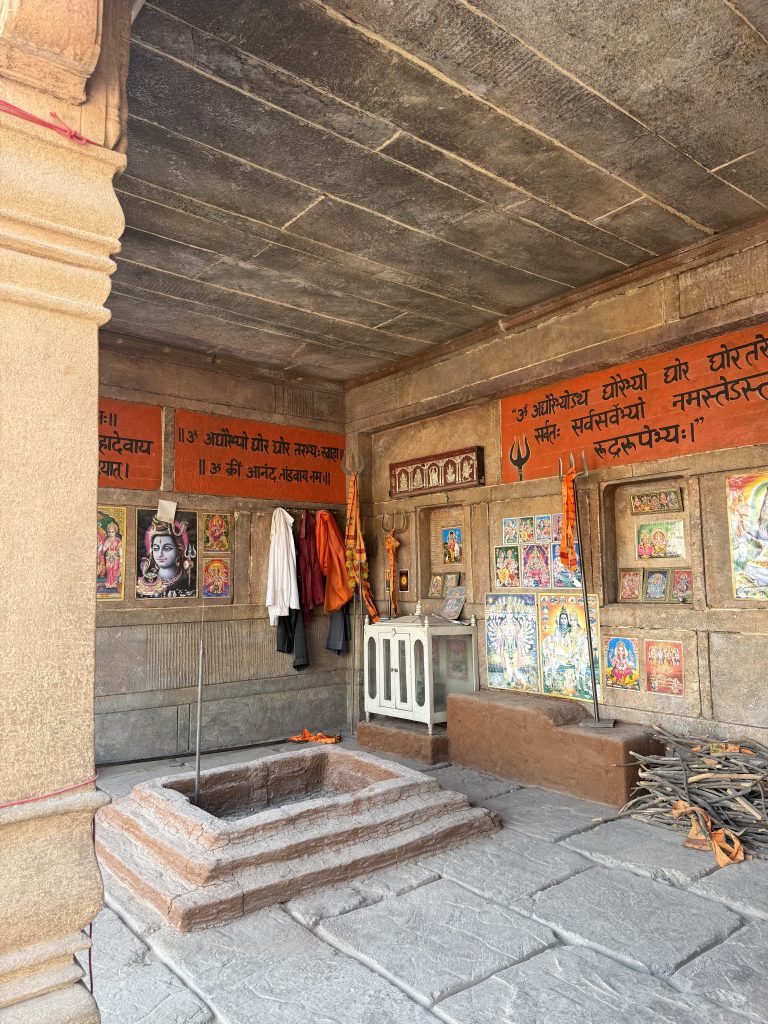
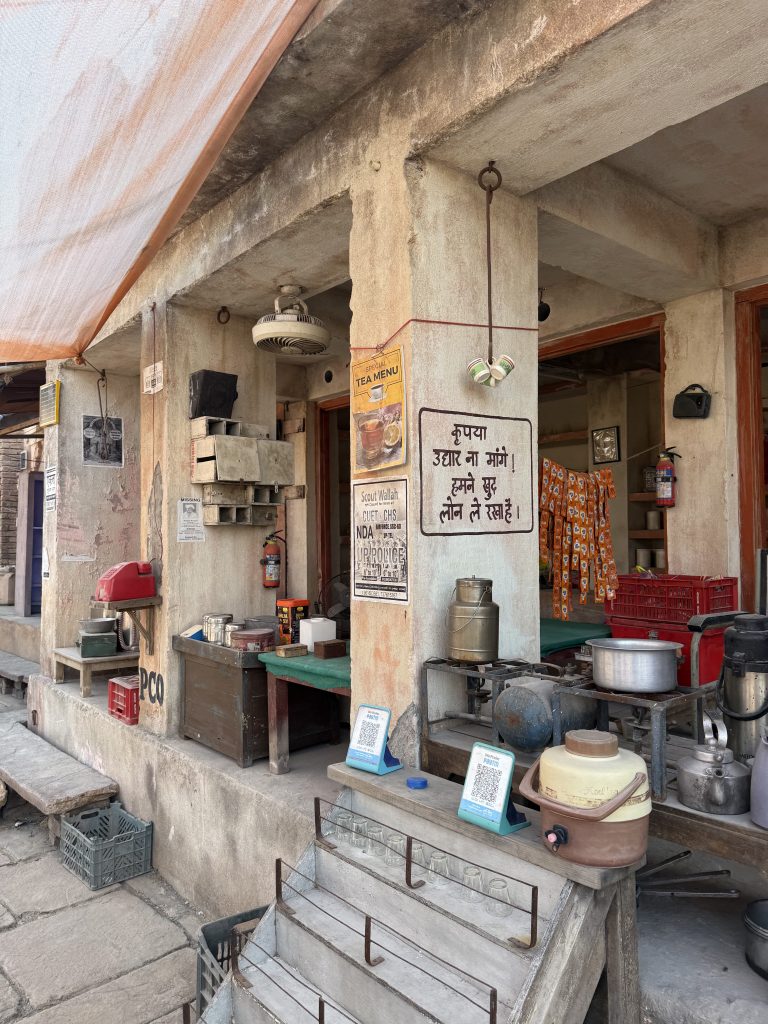
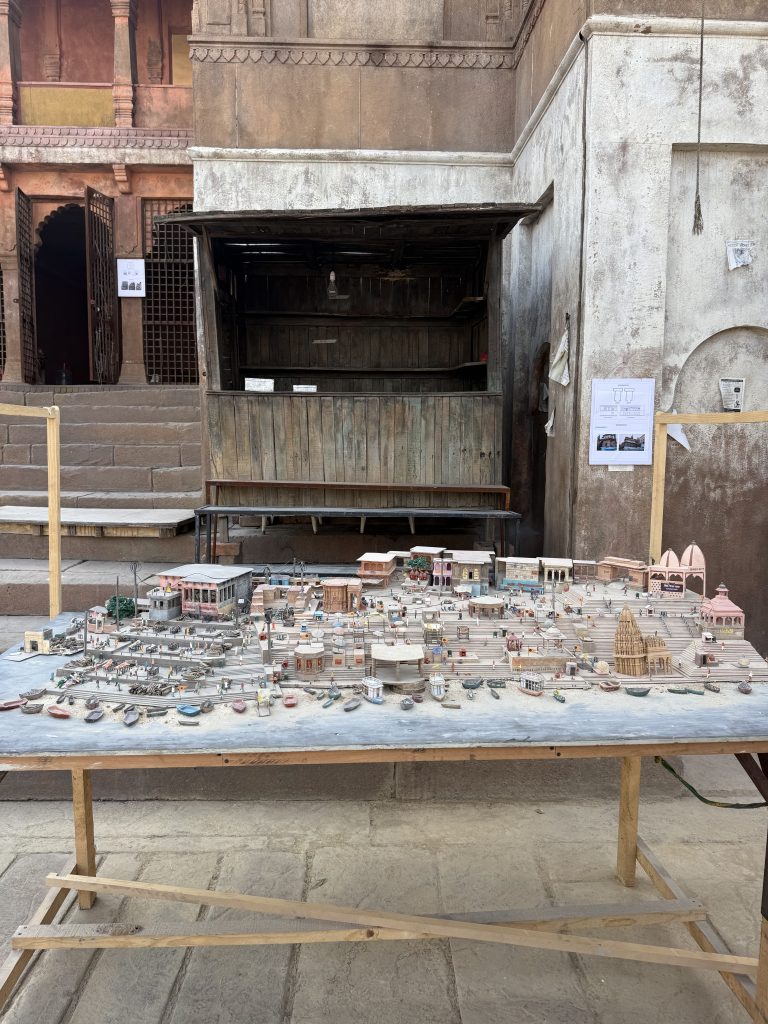
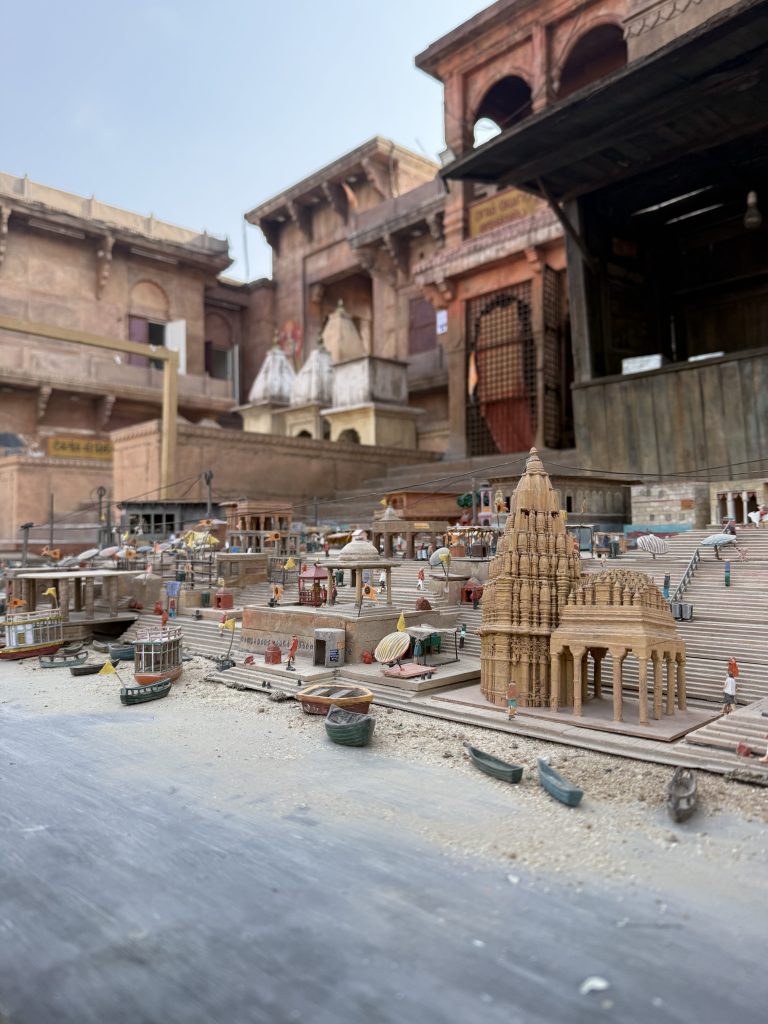
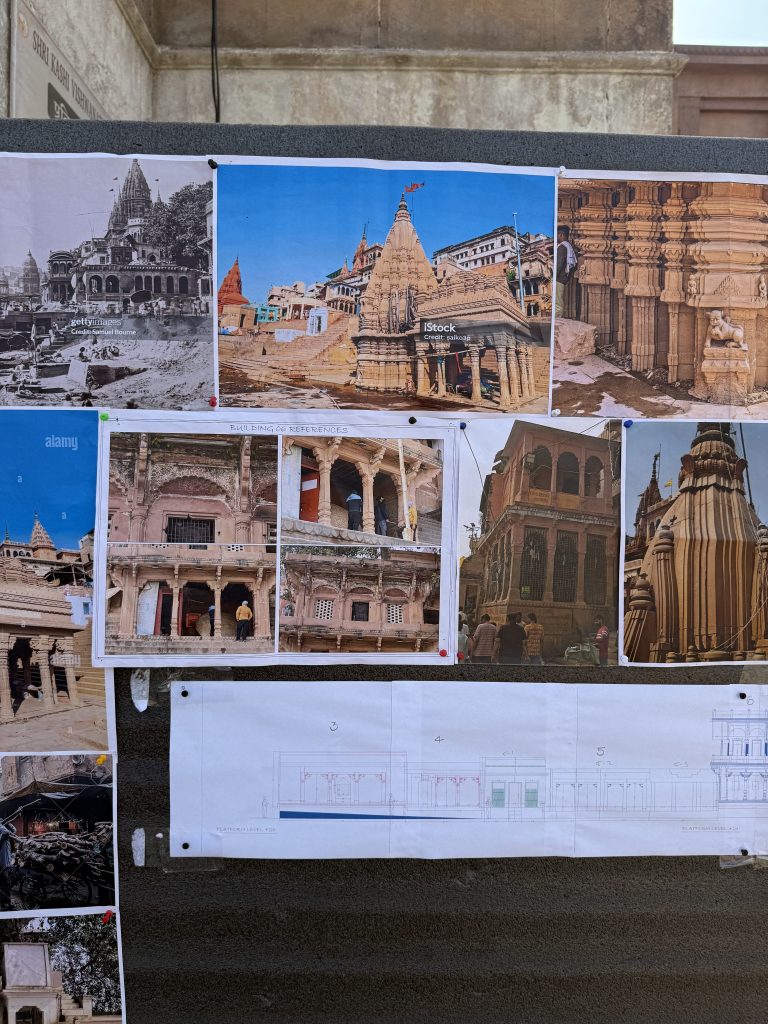
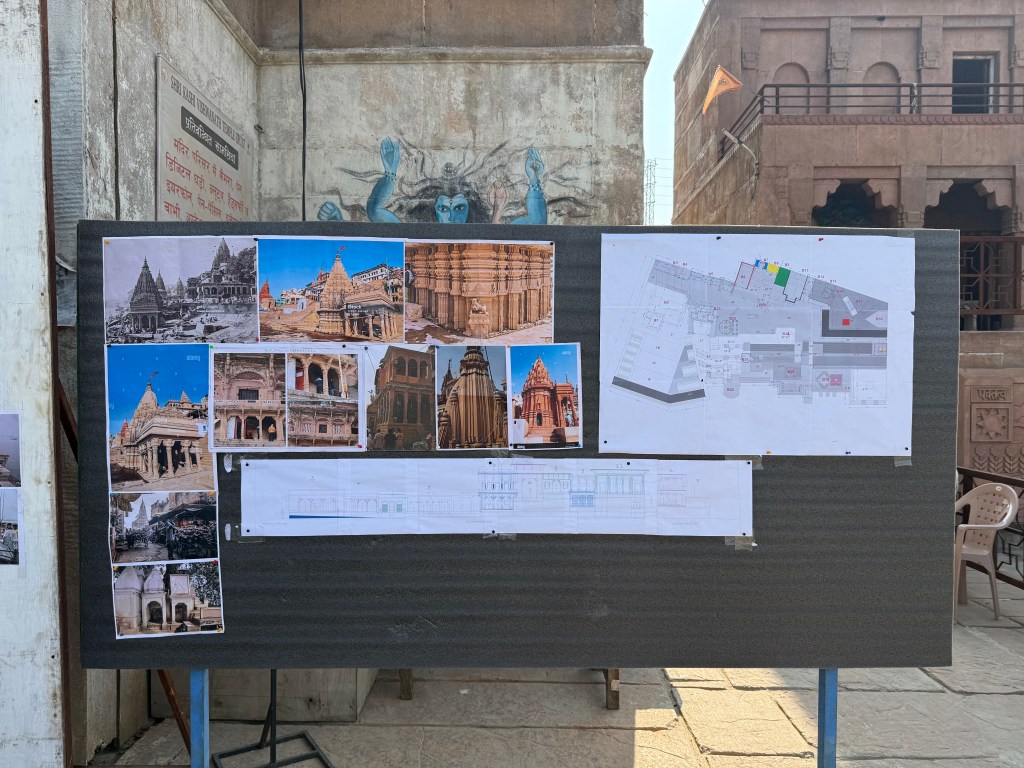
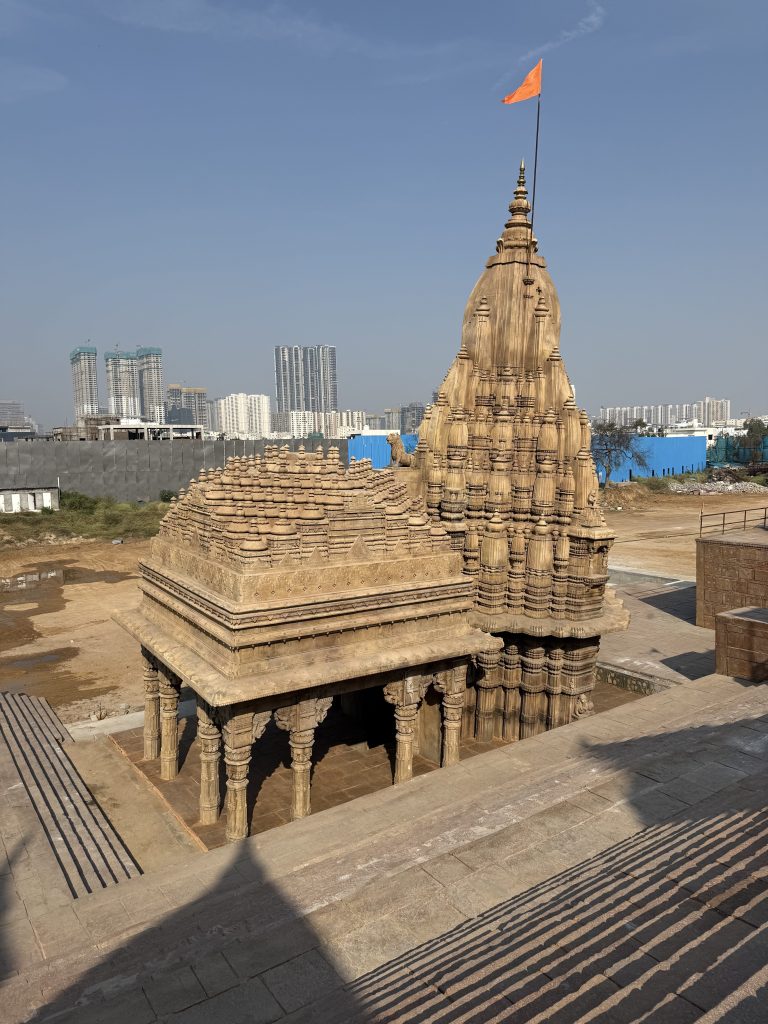
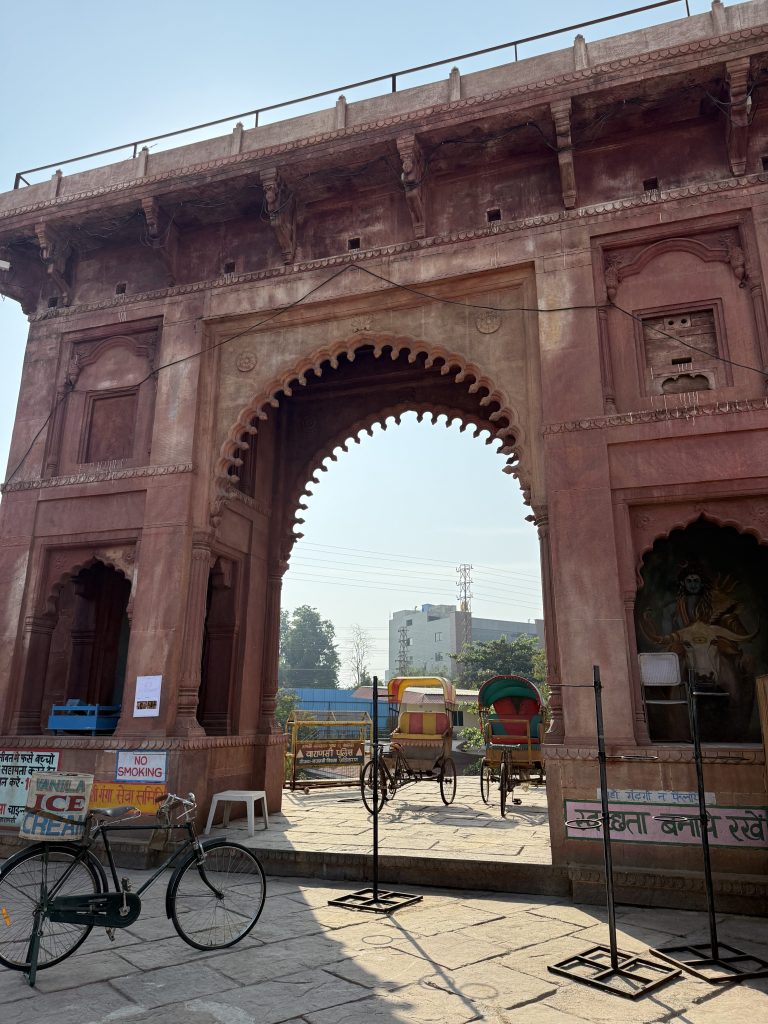
As if the announcement event wasn’t enough, I also had the chance to visit one of the film’s sets, and that’s where things truly came into focus. Built on open land in Hyderabad, the set was a sprawling recreation of the city of Varanasi, India itself, scaled down by about 30% but astonishingly detailed. Covering roughly 700 by 400 feet, it had already been under construction for a year and a half and was the first set built for the production. Walking through it felt less like touring a set and more like stepping into a real, lived-in environment.
The level of craftsmanship was striking. Buildings were constructed using detailed reference images of the real Varanasi, complete with precise measurements and decoration instructions to ensure authenticity. One of the most impressive structures was the Ratneshwar Mahadev Temple, recreated with its distinctive tilt (Picture 7)… a detail carried over exactly from the real-world landmark, down to its depth and angle. Plans are even in place to surround it with water, further enhancing the realism.
What makes the set even more fascinating is how it will be used across multiple time periods. While it was dressed in its modern form during my visit, it will also be transformed to depict Varanasi as it existed centuries ago. That detail alone hints at the film’s ambitious narrative structure, jumping across timelines and locations.
Although the set was quiet when I visited, it won’t stay that way for long. During filming, it will be filled with hundreds of extras (at least 500) bringing the streets to life. The sequences shot there will include major drama moments, a large-scale action set piece, and extensive stunt work involving wires and choreography. And all of that effort, all of that scale, will account for just about 25 minutes of a film expected to run close to three hours.
Standing there, hearing the distant sounds of construction and imagining the chaos that would soon fill the space, it became clear just how much goes into a production like this. Indian films of this scale often take four to five years to complete, and Varanasi is no exception. From the writing contributions of Rajamouli’s father to the massive sets, global locations, and intricate visual effects, every piece is part of a much larger puzzle.
If RRR was a breakthrough moment that introduced global audiences to the possibilities of Indian cinema, Varanasi feels like the next evolution: bigger, bolder, and even more ambitious. And after seeing some of it unfold firsthand, one thing feels certain: when Rajamouli says, “See you all at the movies,” he’s not just inviting India, he’s inviting the world.
Varanasi is scheduled to open in theaters on April 7, 2027.