

10 Essential Argentine Films That Are Worth Watching
Tap into Argentine classics that evolved alongside the country's political upheaval, economic struggles, and dramatic social changes.
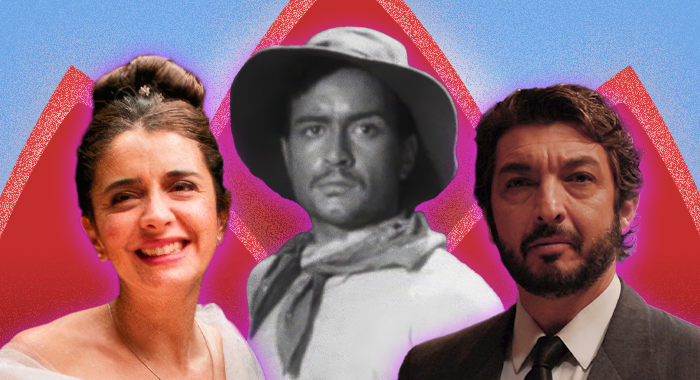
For Hispanic Heritage Month, Rotten Tomatoes is spotlighting essential films from four Hispanic communities to celebrate their cinematic histories — from beloved classics and box-office landmarks to award winners and breakthrough movies that changed the conversation.
The cinema of Argentina has always had a knack for making deeply personal stories feel universal. What could feel specific to the country itself ends up identifying with viewers across the globe. From the melodramas and films noir of the Golden Age to the politically charged dramas, dark comedies, and historical biopics pushing boundaries today, Argentina’s filmmakers have used the screen to reflect a country constantly negotiating its identity and history, and the contradictions therein.
The Golden Age of Argentine film, generally running from the 1930s to the 1950s, established Argentina as one of Latin America’s major film-producing nations. The country produced iconic filmmakers like Juan José Campanella, Lucretia Martell, and Maria Louis Bemberg, as well as stars like Ricardo Darin and Libertad Lamarque. Filmmakers working in the time period developed a distinctly Argentine sensibility that moved effortlessly between romance, social commentary, comedy, and tragedy. As the country endured political upheaval, dictatorship, economic crises, and dramatic social changes, its cinema evolved alongside it.
What makes these films stand out is they’re both intensely local and remarkably accessible. Family, class, politics, sexuality, and memory are recurring subjects, often approached with a sharp sense of humor. There is frequently an undercurrent of questioning regarding who gets to define Argentina, and whose stories are remembered.
The films on this list trace that evolution, from the foundational works of the Golden Age to the daring voices shaping Argentine cinema today.
Essential Mexican Films | Essential Chilean Films
1. La Revolución de Mayo (1909)
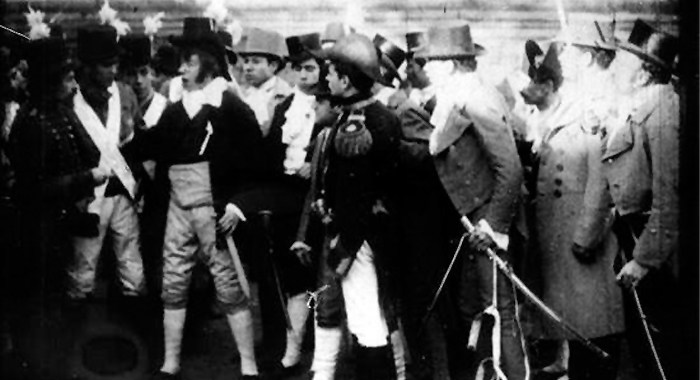
Film first came to Argentina in 1894, when Thomas Edison’s kinetoscopes were brought to the country by a Czech businessman. Various travelers would bring in the work of the Lumiere brothers and early pioneers of moving pictures into the 1900s, but in 1909, Italian director Mario Gallo made what many consider the first Argentine narrative silent film with professional actors, La Revolución de Mayo. The nearly five-minute short film recounts the May Revolution, a week-long series of events in Buenos Aires which established the country’s first government. May 23rd would become National Film Day in Argentina, in commemoration of the feature’s release.
2. Nobleza gaucha (1915)
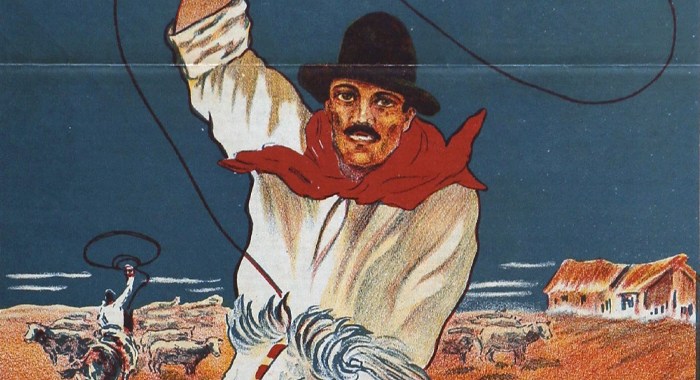
This thrilling drama about gauchos – South American cowboys – was one of Argentina’s most massive commercial successes at the time. The film tells the story of a brave gaucho named Juan who rescues his lady-love Maria from an evil landowner. The film took universal themes of heroes and villains, and the American cowboy, and make them hyper-specific to the country. The film was widely acclaimed by the press and its success allowed it to go to theaters outside the country, including Spain. The movie also inspired other Argentine directors to see the possibilities of making movies in the country. Nobleza gaucha would end up playing in Argentine movie houses for twenty years.
3. Prisoners of the Earth (1939)
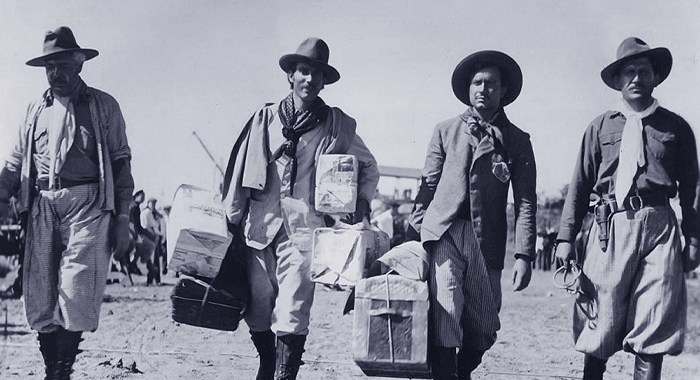
Where to watch: Prime Video
The story of indentured yerba mate plantation workers and their story of rebellion became an instant classic in the country upon release, and is cited as a highlight of the Golden Age of Argentine cinema. Italian-born director Mario Soffici became one of the premiere directors whose features blended entertainment with social commentary. When the Museo del Cine Pablo Ducrós Hicken first crafted a list, akin to the Sight and Sound poll, of the country’s best movies starting in 1977, Prisoners of the Earth was number one. Soffici would keep writing and directing movies until the early-1960s, and died in 1977.
4. The House of the Angel (1957)
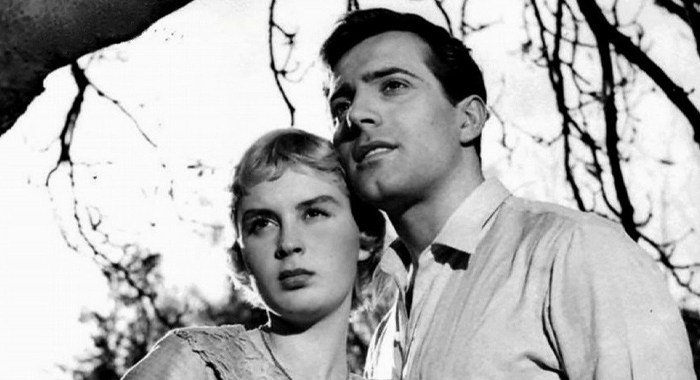
Where to watch: Mubi
Directed by Leopoldo Torre Nilsson, this is considered another landmark Argentine production, as well as one of the foundational films in the country’s eventual move into the New Cinema movement. Adapted from Beatriz Guido’s novel, also Nilsson’s wife, the movie is a psychologically complex and visually striking portrait of sexual repression and class privilege. The way it examined desire and social hypocrisy was, at the time, considered incredibly daring. Nilsson and Guido’s creative partnership would continue across two other films, 1959’s The Fall and 1961’s The Hand in the Trap. The House of the Angel ultimately established Argentine cinema as one of sophistication, inspiring more national productions as well as films with a more artistic slant.
5. The Truce (1974)
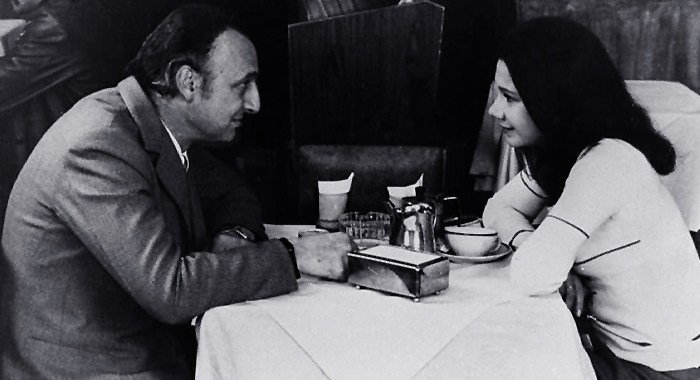
Where to watch: Mubi
Directed by Sergio Renán, adapted from Mario Benedetti’s novel, The Truce became one of the most internationally recognized films of the 1970s. The story follows a widowed office worker who finds love later in life, becoming a story of loneliness, aging, and the fleeting nature of happiness. The film would eventually become the first Argentine film nominated for an Academy Award for Best Foreign Language Film. Released during a turbulent period in Argentina’s history – culminating in a military takeover and a state-sponsored campaign of terror known as the Dirty War – the film brought more naturalism to Argentine filmmaking, moving away from melodrama to a more grounded realism.
6. Time for Revenge (1981)
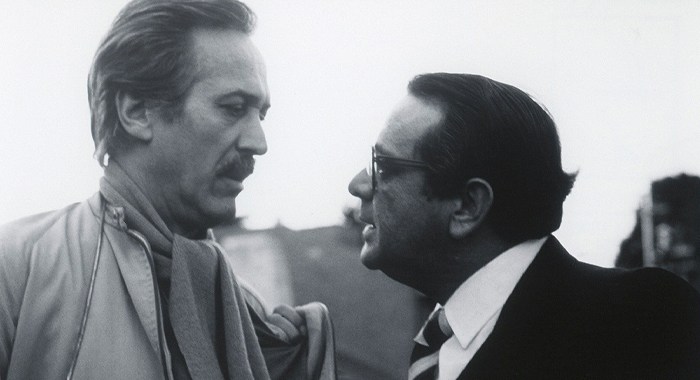
Directed by Adolfo Aristarain, Time for Revenge fuses political allegory with social thriller at the height of the country’s military dictatorship. Released in 1981, while the regime was still in power, the movie follows a former union activist who becomes embroiled in a fraudulent workplace accident scheme against a powerful multinational corporation. The film’s story of corporate exploitation and labor conflict indirectly addresses political repression, censorship, and the silencing of dissent. The film became an example of Argentinian muckraking cinema that became big in the 1980s, circumventing the dictatorship’s censorship laws while still communicating a pointed critique of authoritarian power.
7. Nine Queens (2000)
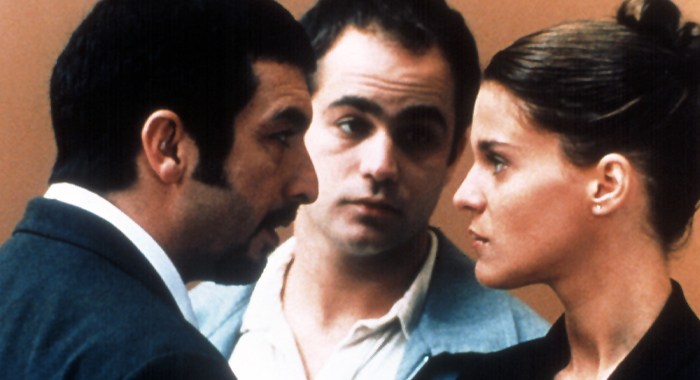
Where to watch: Fandango
Nine Queens is one of the defining films of Argentine cinema at the turn of the century, and a standout of the country’s new millennium output. The sharply constructed con artist thriller follows two grifters who spend the day attempting increasingly elaborate scams. What feels like a heist thriller ends up being a subtle reflection of society’s economic instability. The clever screenplay, rapid reversals, and morally slippery characters combine commercial genre with a political sensibility that only gets enhanced on future viewings. And the movie is fun enough you’ll definitely want to watch it again. The movie was eventually remade for American audiences (2004’s Criminal) but the original remains one of the best crime movies of any country.
8. La Ciénaga (2001)
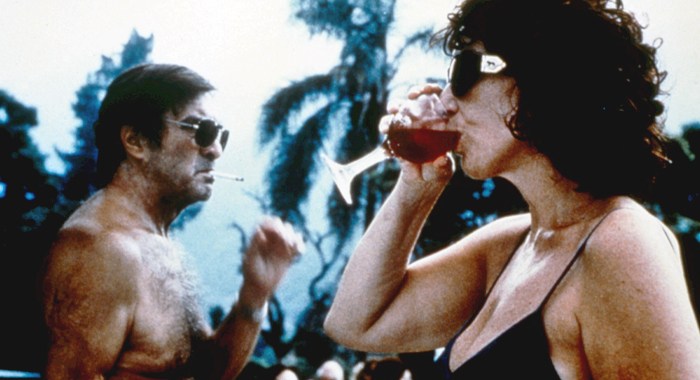
Where to watch: Fandango
Lucrecia Martel’s extraordinary 2001 feature La Ciénaga is one of the defining films of the New Argentine Cinema movement, breaking away from traditional studio formulas to offer raw, realistic, and deeply independent stories about modern life. The film follows two extended families who lives intersect amid dysfunction and simmering class tensions during a sweltering summer day. Martel builds the film through fragmented conversations, off-screen sounds and crowded compositions, with a never-ending sense of heat and unease. The film’s experimentation and social observations redefined what Argentine cinema could look and sound like. In 2022, it became the highest placing Latin American film on the Sight and Sound poll.
9. The Secret in Their Eyes (2009)
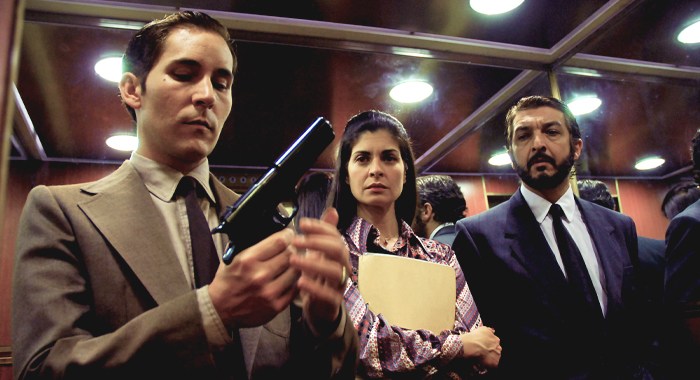
Where to watch: Fandango
Directed by Juan José Campanella, The Secret in Their Eyes became one of the internationally celebrated films in Argentine cinema upon release in 2009. Blending crime thriller, romance, and political drama, the movie follows a retired legal investigator revisiting an unsolved murder from the 1970s, while confronting personal regrets and Argentina’s past political violence. Campanella uses the murder investigation as a framework to explore memory, justice, and the lingering consequences of Argentina’s Dirty War. Its famous five minute long-take sequence inside a football stadium further demonstrated the technical ambition of contemporary Argentine filmmaking. The movie was a major commercial and critical success, becoming the second film to win the Best Foreign Language award for the country (after 1985’s The Official Story became the first).
10. Wild Tales (2014)
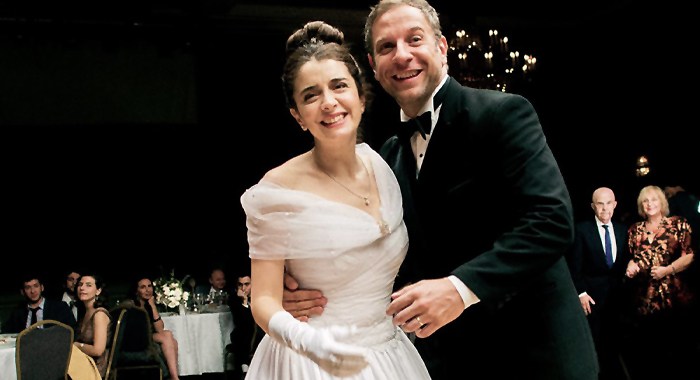
Where to watch: Fandango
This dark comic anthology of six stories about ordinary people pushed to extremes turns road rage, workplace injustice, class resentment, romantic betrayal, and bureaucratic frustration into absurdly escalating acts of revenge. The international success of Wild Tales helped bring contemporary Argentine genre filmmaking to a global audience, cemented further by its Oscar nomination for Best Foreign Language film. (While it didn’t win the Oscar it did end up winning the BAFTA.) The film also has some great connections to past Argentine features, like casting Ricardo Darin (of Nine Queens fame) in a segment. Its explosive set pieces and wickedly funny examination of human frustration makes it one of the most recognizable Argentine films of the 21st century.
Kristen Lopez is a two-time National Arts and Entertainment in Journalism award winner, as well as a disabled Latinx writer. Her work has been published at Variety, The L.A. Times, and The Hollywood Reporter.