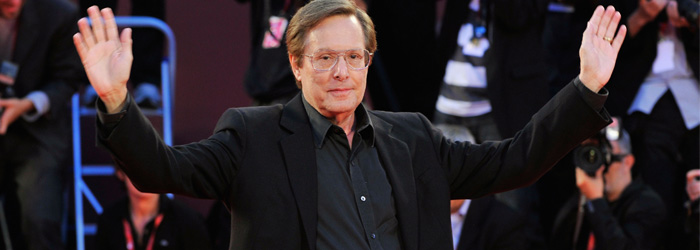
(Photo by Gareth Cattermole/Getty Images)
10 Fresh William Friedkin Movies
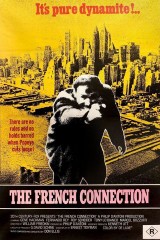
William Friedkin’s win for the Best Director Oscar on The French Connection, which would also take Best Picture that same ceremony, heralded the peak of the New Hollywood movement. Beginning with late-1960s films like the iconoclastic Bonnie and Clyde and counterculture-defining Easy Rider, and the destruction of the industry’s self-censoring Hays Code, filmmakers in America had been en masse telling darker, more explicit stories. Young, rebellious directors working under this New Hollywood banner included Steven Spielberg, George Lucas, Francis Ford Coppola, Martin Scorsese, and Friedkin. His police thriller French Connection polishes this era’s tendencies to a grubby shine: It was shot cinema vérité-style (Friedkin had cut his teeth directing live television and documentaries) with a morally questionable hero and a crazed, open ending. The film’s most famous sequence (Gene Hackman’s detective Popeye Doyle racing his car against an elevated train) includes unscripted vehicles collisions, refining the movie’s feel of gritty reality.
Just two years later, Friedkin was back in the Best Director Oscar hot seat for 1973’s The Exorcist. With the movie advertised as the scariest movie ever made since its release, and which became a cultural horror touchstone, Friedkin brought a clinical, matter-of-fact approach to the religious and supernatural possession story. The Exorcist would become the first horror movie to be nominated for Best Picture, though the award that year would go to The Sting, whose helmer George Roy Hill would also take Best Director.
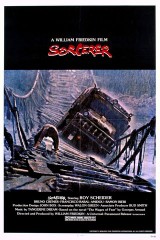
Friedkin sought to make a triple-play with audiences in directing 1977’s Sorcerer, a bruising remake of Henri-Georges Clouzot’s The Wages of Fear. Sprawling yet relentlessly taut, with a story both ambitious and ambiguous, Sorcerer would be no match to the compact escapist thrills of Star Wars, released one week earlier. Friedkin claims nothing could withstand being in the wake of such a phenomenon; other films released in the immediate wake of Star Wars include Smokey and the Bandit, Exorcist II: The Heretic, New York, New York, and The Rescuers.
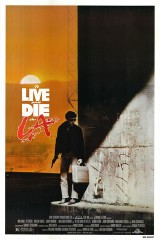
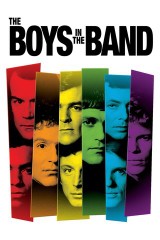
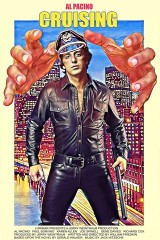
Friedkin has remained working in mid-budget dramas and thrillers since. 1980’s Cruising with Al Pacino generated immediate protest and controversy for its presentation of New York’s gay nightclub scene. (A decade earlier, Friedkin had directed the landmark LGBTQ+ film The Boys in the Band.) 1985’s To Live and Die in L.A. saw Friedkin attempting to top his own achievement for most impressive car chase.
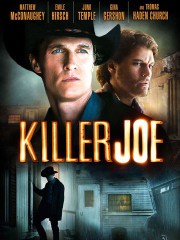
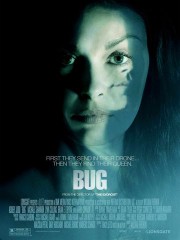
Jade, Blue Chips, and an acclaimed TV-movie version of 12 Angry Men were among Friedkin’s output in the ’90s. Likely inspired by th success of the Star Wars Special Editions, Friedkin and Warner Bros. then revisited The Exorcist, restoring cut scenes (including lil’ Reagan’s spiderwalk) and changing the soundtrack, and released “The Version You Never Saw” in 2000. Friedkin’s 21st-century narrative films were 2006’s Bug and 2011’s Killer Joe. His final movie, legal drama The Caine Mutiny Court-Martial (adapted fram Herman Wouk’s play based on his own Caine Mutiny novel) will premiere at the Venice Film Festival in September 2023.—Alex Vo
 97%
97%
 89%
89%
 78%
78%
 84%
84%
 80%
80%

 93%
93%
 90%
90%
 70%
70%
 67%
67%
 62%
62%
 50%
45%
50%
45%
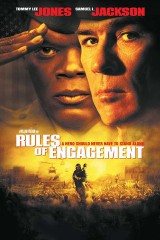 36%
36%
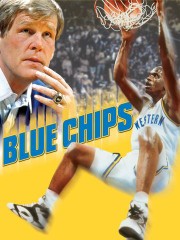 41%
41%
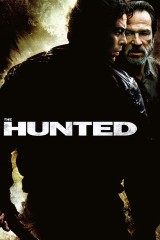 30%
30%
 25%
25%
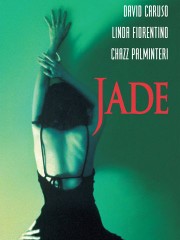 18%
18%
 10%
10%
 0%
0%