(Photo by Pixar/Courtesy Everett Collection)
Pixar Movies In Order: How to Watch Their Movies Chronologically
Since 1995, Pixar has stood tall at the intersection where storytelling and technology meet, producing state-of-the-art computer-generated animated films with all-ages appeal, featuring deep, joyful, and occasionally philosophical themes. If you want to experience Pixar movies in order, starting with the landmark Toy Story, into the 2000s golden age, and the diversified tales (and sequels and prequels) of today, this is how the journey goes.
The 1990s
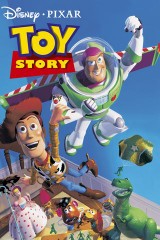
Toy Story‘s production was hectic and chaotic, featuring constant re-writes (including the attitudes and portrayals of Woody and Buzz), studio notes, and flagging confidence from Disney in Pixar’s ability to produce something with mass appeal. Just about what you’d expect when creating the world’s first computer-animated feature film. But Toy Story was an instant upon its November ’95 release, with kids and adults alike enamored with its buddy-film structure and imaginative world literally built from the ground up. Toy Story would become the highest-grossing film of 1995 and its wide cast of characters are now icons of animation.
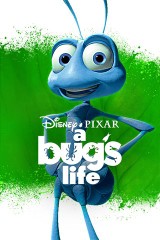
Audiences would have to wait three years for Pixar’s second film (1998’s Seven Samurai-inspired A Bug’s Life), their longest gap between features. The action-packed Toy Story 2 cemented Pixar as a cultural force for decades to come, and with its still-standing 100% Tomatometer score, the 1999 sequel was for a long time the best-reviewed movie on Rotten Tomatoes. (Today, it still ranks highly, along with many other Pixar films, in our guide to the 300 best movies of all time.)
The 2000s
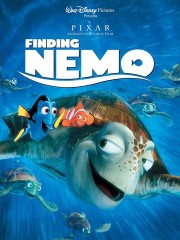
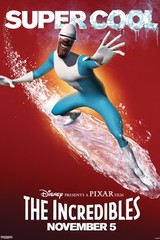
Pixar showed no signs of slowing down in the new millennium, starting with 2001’s Monsters, Inc., which saw the studio really nail down the ability to combine rapid comedy, high-stakes climaxes, and tear-jerking emotional finales. Finding Nemo was a box office sensation, grossing nearly $900 million on initial release in 2003. 2004’s The Incredibles was their most adult-oriented yet, a superhero movie with challenging ethical questions and surprising violence.
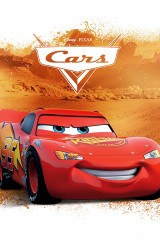
2006’s Cars may have seen a slight dip in their critical standing (still Certified Fresh!) but successfully catered to a new young generation of fans (plus moichandising!). This was also the year Disney bought Pixar. 2007’s Ratatouille was their most publicly challenging production, with director Brad Bird brought in mid-way to complete the project. 2008’s WALL-E was a huge jump forward in cinematography and character design, wrapped in a environmental-forward sci-fi love story. And remember how Pixar was getting so good at emotional climaxes? 2009’s Up figured let’s just put it at the front; the first 15 minutes will leave no dry eyes in the room.
The 2010s
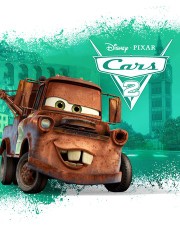
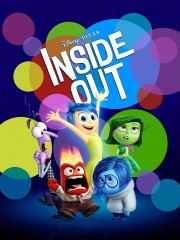
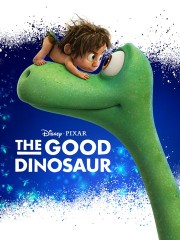
Toy Story 3 capped what was a trilogy in fine from, with the characters making peace in a changing world and a forward look at the future. 2011’s Cars 2 saw Pixar’s first critical drubbing, taking the crew on a misguided international spy caper. 2012’s Brave and 2013’s Monsters University were perfectly serviceable for what they were, while 2015’s Inside Out brought back that classic Pixar magic. But the same year, The Good Dinosaur would be the studio’s first box office bomb.
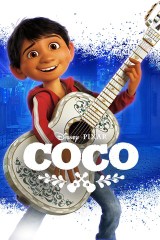
2016’s Finding Dory got over the billion-dollar box office hump that Nemo couldn’t. 2017’s Cars 3 brought the series back on literal track, but its diminished revenue suggested the Lightning McQueen crew may have run its course. Along with Inside Out, 2017’s Coco really set into motion Pixar’s new angle of diverse protagonists and viewpoints. Yet, 2018’s Incredibles 2 and 2019’s Toy Story 4 saw them returning to the sequel well, and who can blame them? A billion dollars were generated on each, in an era where Disney seemed completely unstoppable along with their own animation house, the MCU, and the Star Wars sequel trilogy.
The 2020s
The decade so far, like virtually for all industries, has been challenging, starting with the COVID-impacted release of 2020’s Onward. Initially releasing on March 6, Onward‘s shockingly low weekend opening proved audiences were staying away from public spaces, before theaters were shut down entirely two weeks later. Soul, Luca, and Turning Red were all released directly to Disney+, which impacted Pixar’s reputation as a prestige label. 2022’s Lightyear was given the go-ahead for theatrical, but audiences remained uninterested. 2023’s Elemental was also shaping up to be another disaster, but its world-building and satisfying romantic comedy plot bolstered word-of-mouth and reversed the movie into the year’s most feel-good box office story.
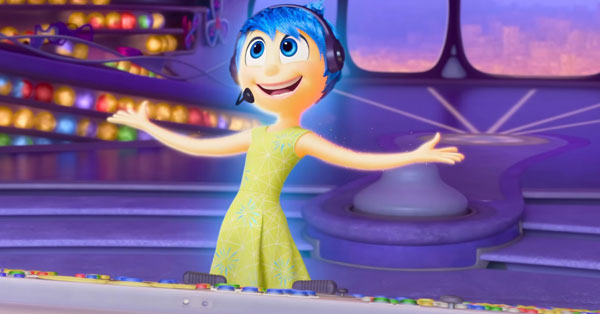
Now Pixar’s back with Inside Out 2, which sees Riley turning 13 and navigating a whole new host of uninvited emotions. As for the future, 2025 will see the space adventure Elio, while 2026 is gearing up for the release of Toy Story 5.
 100%
100%
 92%
100%
96%
92%
100%
96%
 99%
99%
 97%
97%
 74%
96%
95%
74%
96%
95%
 98%
98%
98%
98%
 40%
78%
80%
40%
78%
80%
 98%
98%
 76%
76%
 97%
97%
 70%
93%
96%
88%
95%
91%
74%
95%
73%
91%
70%
93%
96%
88%
95%
91%
74%
95%
73%
91%