

(Photo by Warner Bros./courtesy Everett Collection.)
All Joel Schumacher Movies, Ranked by Tomatometer
Your typical journeyman director deep in the studio system will make movies across plenty of genres, on-time and under-budget, foster some lasting professional relationships, and never make a name for themselves beyond to the most ardent, specific film buffs. Yes, Joel Schumacher worked across multiple genres without a thematic throughline, with studios and actors quick to praise his behind-the-scenes professionalism, but the director also brought enough verve and dynamic color to his films that Schumacher’s name, at his creative peak, did become a kind of brand. A calling card of big Hollywood entertainment with style to separate from the rest. This began in earnest in 1987 with the Brat Pack-adjacent The Lost Boys, the stylish horror/comedy that pulled vampires out of cliff-nested castles and into teen parties and suburbia, a popular concept still seen in the likes of True Blood and Twilight. Having made Kiefer Sutherland a star, Schumacher worked with him again on his next film, Flatliners.
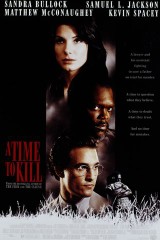
Schumacher entered his most commercially viable period in the ’90s, starting with 1993’s Falling Down, starring Michael Douglas on a particularly bad Los Angeles day, in a film that has been latched onto as a manifesto of urban rage still discussed and referenced now. Schumacher took the reins for 1995’s Batman Forever after Tim Burton and Michael Keaton left the blockbuster franchise. Some inspired casting (Val Kilmer as Bruce Wayne, Jim Carrey as The Riddler, and Tommy Lee Jones as Two-Face), plenty of wild art direction, a brash soundtrack, and just a touch of camp turned the movie into pop-culture phenomenon. A year later, Schumacher released A Time To Kill at a time when anything Grisham, Crichton, and Clancy was being adapted and making a mint at the box office. (Schumacher had previously turned Grisham’s The Client into a movie.)
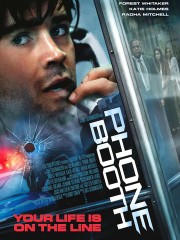
Then came the disastrous Batman & Robin, which killed the franchise for nearly a decade. Schumacher took full ownership for the movie’s failure, claiming that he had steered too far towards what marketing and merchandising wanted out of a Batman joint. A public bomb of this proportion could’ve been a career-ender, but his workmanship and a steady line of stars willing to collaborate time and again meant the next Schumacher film was never far off. He worked twice with Colin Farrell, first in 2000’s Tigerland, which introduced the actor to American audiences, and then in 2003’s Phone Booth, which made Farrell a star. Sutherland, back in the saddle, played the villain. Schumacher can be credited with helping launch Gerard Butler’s career in full, when he cast him as lead in 2005’s The Phantom of the Opera. In 2007, Schumacher worked again with Carrey for psychological thriller The Number 23. His final film was 2011’s Trespass, reuniting him with 8MM‘s Nicolas Cage and Batman Forever‘s Nicole Kidman.
We celebrate his life and career with our guide to every Joel Schumacher film, by Tomatometer. —Alex Vo
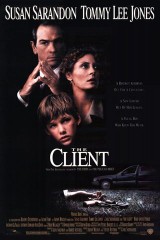
 79%
79%
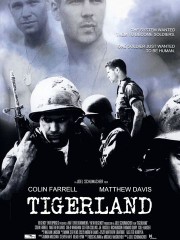 78%
78%
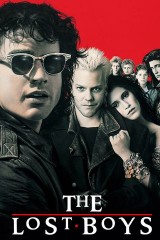 75%
75%
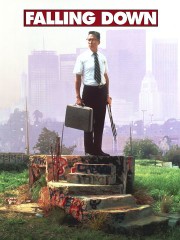 75%
75%
 72%
72%
 66%
66%
 53%
53%
 56%
56%
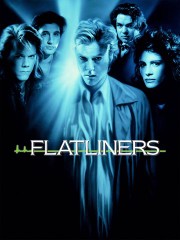 50%
50%
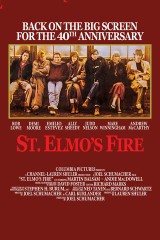 44%
44%
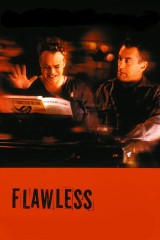 40%
40%
 50%
50%
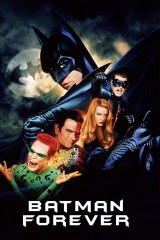 41%
41%
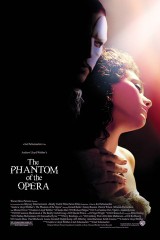 32%
32%
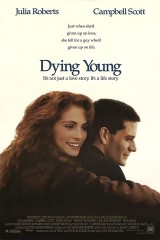 25%
25%
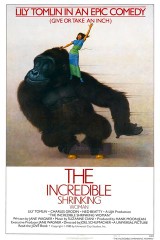 27%
27%
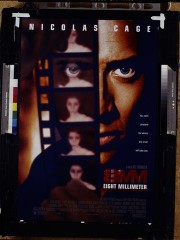 23%
23%
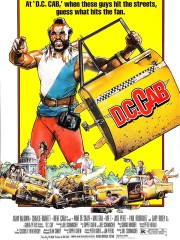 18%
18%
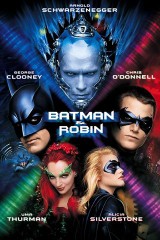 11%
11%
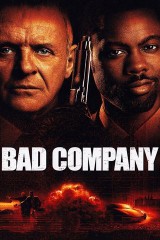 11%
11%
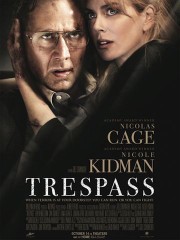 9%
9%
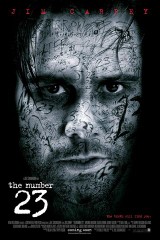 7%
7%
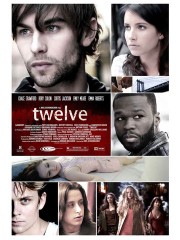 3%
3%