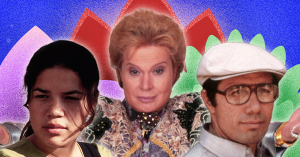

10 Essential Hispanic American Films That Are Worth Watching
Explore 10 films by Latino directors and starring Latino actors that chronicle and celebrate the Hispanic American experience.
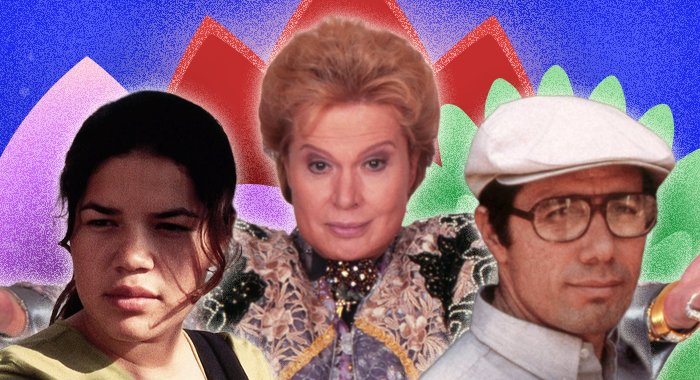
For Hispanic Heritage Month, Rotten Tomatoes is spotlighting essential films from four Hispanic communities to celebrate their cinematic histories — from beloved classics and box-office landmarks to award winners and breakthrough movies that changed the conversation.
No Hispanic Heritage Month film series is complete without a look at Latinos in the U.S. — even if the diaspora has a love-hate relationship with the entertainment industry. Latinos were here at the very beginning, but today find themselves underrepresented in Hollywood and, too often, reduced to stereotypes on screen.
But despite the obstacles, Latinos in the U.S. have found ways to tell their stories on film, representing and grappling with our diverse and vibrant community. Now, if there’s one thing Latinos agree on, it’s that they’re not a monolith. Communities in the U.S. are homegrown (the border crossed them) and immigrant, hailing from more than an entire continent of countries, and speaking a variety of languages.
Once here, though, U.S. society (the census, cultural institutions, and racial constructs) groups Latinos together, and the result is a shaky, if growing, political and cultural consciousness. That perspective is visible in these 10 films — all by Latino directors, starring Latino actors, playing Latino stories here in the United States. Together, they show a community confronting sexism, racisim, and classism both from within and outside their ranks.
But Latinos are not defined by what they overcome. They also celebrate and represent their joys, accomplishments, artists, spirituality, and aesthetics. So take a look at these 10 films to celebrate Hispanic Heritage, right here, in the U.S.
Essential Mexican Films | Essential Argentine Films | Essential Chilean Films
1. Stand and Deliver (1988)
Where to watch: Fandango, Apple TV, Prime Video, Tubi
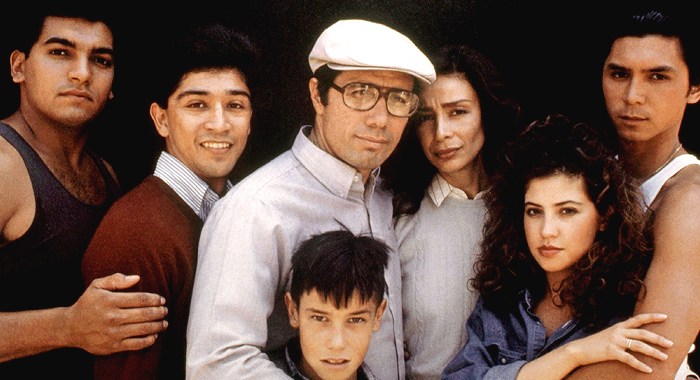
“Excellent teacher” is arguably its own genre, thanks in part to this classic, true story of the famed Bolivian-American educator. Directed by Ramón Menéndez and written by him and Tom Musca, Stand and Deliver defines the basic premise — low expectations and bad schooling are keeping Black and brown kids down. Enter the extraordinary, creative teacher, here Edward James Olmos in a comb-over and aviators. But the narrative lands completely differently when the protagonist is of the community. Olmos’ Jaime Escalante isn’t a savior, coming to rescue disadvantaged youth. He’s a talented Latino everyman — and a reminder that the Latino community has the intelligence, creativity, and work ethic to build better.
2. Selena (1997)
Where to watch: Fandango, Apple TV, HBO Max, Prime Video, Tubi
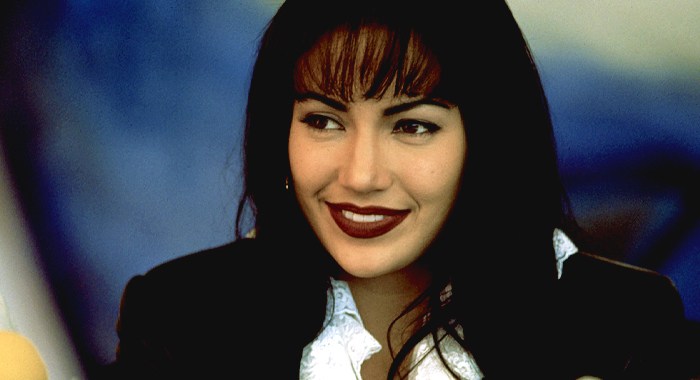
“We must be more Mexican than Mexicans, more American than Americans – both at the same time!” With this memorable line, writer/director Gregory Nava’s Selena Quintanilla biopic distilled the contradiction at the heart of the Chicano experience. There’s a reason it is still quoted today — and the film has become canon. The real-life Selena was beloved in her lifetime, mourned in her death, and immortalized in this film. Her legend is now mixed with Jennifer Lopez’s, who went from Fly Girl to movie star in this film. And the U.S. Latino community is still grappling with what Selena and its subject — a charismatic, brown, working-class woman navigating multiple sets of conflicting expectations — say about us.
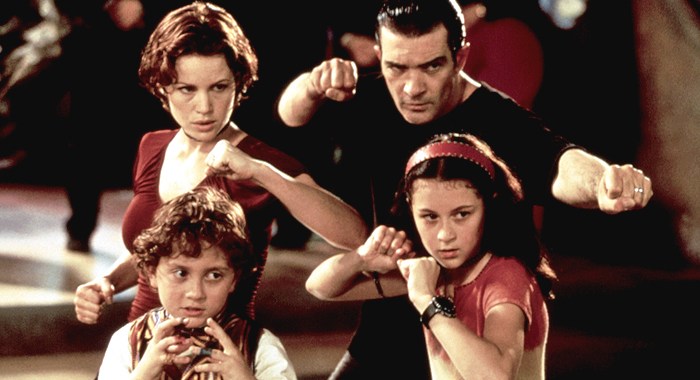
3. Spy Kids (2001)
Where to watch: Fandango, Apple TV, Hoopla, Prime Video
Writer/director Robert Rodriguez’s first Spy Kids film premiered to immediate success. The tale of two kids who must save the world after their spy parents are captured charmed with its loving family, high stakes, and strong but kid-appropriate sense of humor. It’s a difficult line to walk, and Rodriguez does it so well that he built a franchise out of it. He’s aided by his commitment to B movies and their DIY aesthetic, which reflects and celebrates the Latino community’s resourcefulness, showing their tendency to build something spectacular from small budgets and perseverance. That the film also emphasizes the Latino commitment to family and represents the fact that Latinos are the group most likely to intermarry, well, that just makes it resonate all the more.
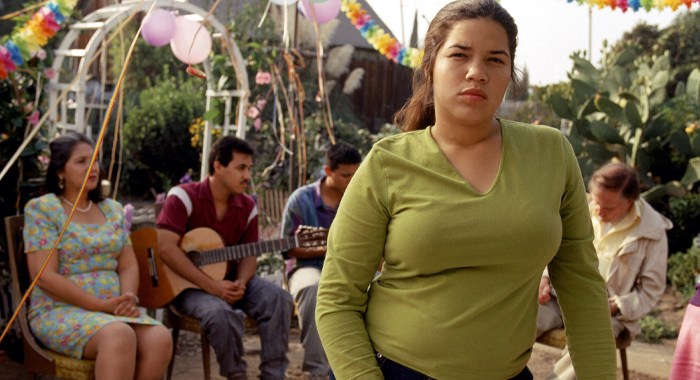
4. Real Women Have Curves (2002)
Where to watch: Fandango, Apple TV, HBO Max, Prime Video
This definitive coming-of-age story wrote the blueprint for body positivity, as it follows America Ferrera as Ana, a teenager navigating familial, class, and religious expectations on her way to self-actualization. The scene in the factory where the women strip down to their underwear is iconic, showing the type of bodily freedom women rarely get on screen — and working-class, brown women almost never do. Directed by Patricia Cardoso and based on a play by Josefina Lopez, Real Women Have Curves also offers a rare depiction of healthy female sexuality — Ana is curious about sex, pursues it on her own terms, and gets what she wants, without hurting anyone (including herself)! With its respect and understanding of its protagonist, Real Women Have Curves set a new standard for what Latina-centered films could be, and more than 20 years later it is still influencing filmmakers today.
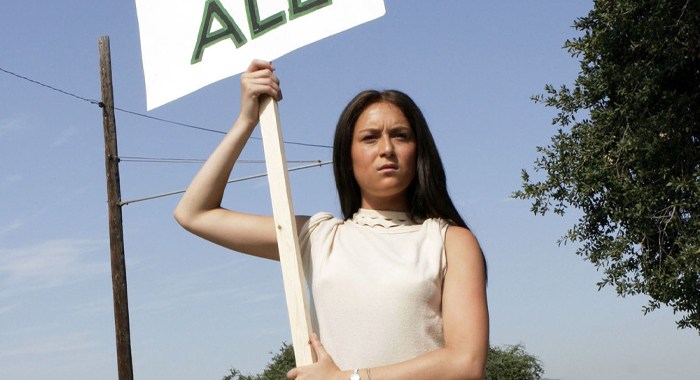
5. Walkout (2006)
Where to watch: Apple TV, HBO Max, Prime Video
Latinos have a long and proud history of activism, which Walkout emphasizes by telling the story of the high school activists who organized the East LA walkouts in 1968. They were facing deplorable conditions, including a lack of bathrooms and punishment for speaking Spanish. When they pushed back, organizing a multi-campus walkout, the white establishment responded with violence, branding the students as villains. Featuring real TV reports from the time condemning the high schoolers, Walkout paints a different portrait, showing how a brave girl — Alexa PenaVega as Paula Crisostomo — took big risks to organize her friends and stand up for her community.
6. The Infiltrators (2019)
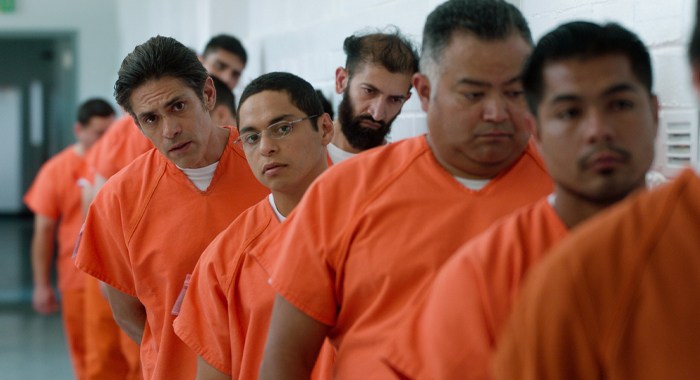
Immigration is constantly in the news these days, usually painting Latinos as either victims or criminals. But in Alex Rivera and Cristina Ibarra’s experimental, based-on-a-true-story documentary, Latino activists bravely get proactive, infiltrating an immigration prison to help the people inside. The Infiltrators mixes documentary and thriller elements to create a stirring tale that at once exposes the injustices of the U.S. immigration system, humanizes its victims, and highlights communities’ power. It’s a complicated feat, but one that gives real insight into what it looks like to expose, undermine, and disrupt these systems — insight activists and allies certainly need today as ICE disappears more people across the country.
7. Vampires vs. The Bronx (2020)
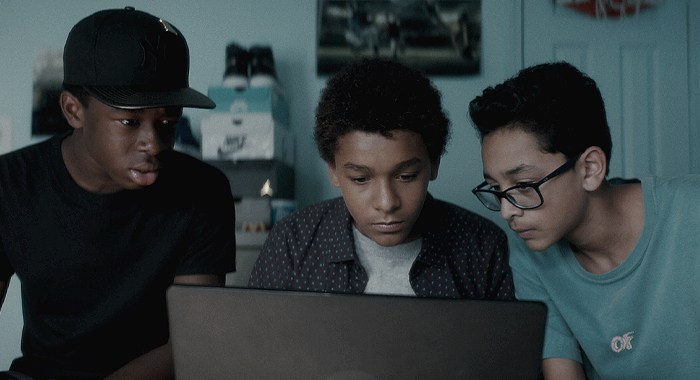
Where to watch: Netflix
In this comedy-horror, the vampires are gentrifiers, and the heroes are Afro-Latino kids, armed with ingredients from their abuelas’ pantries. Directed by Oz Rodriguez and written by him and Blaise Hemingway, Vampires Vs. the Bronx offers up strong social commentary and lots of cultural knowledge. The film smartly allegorizes what it feels like to be growing up Black and brown in the Bronx today, mixing Latinos’ relationship with the occult, details of city life like the centrality of the bodega, and sharp economic insight. The result is a film that invites Latinos to laugh at themselves and the forces that would oppress them, while gaining strength to fight back.
8. Mucho Mucho Amor: The Legend of Walter Mercado (2020)
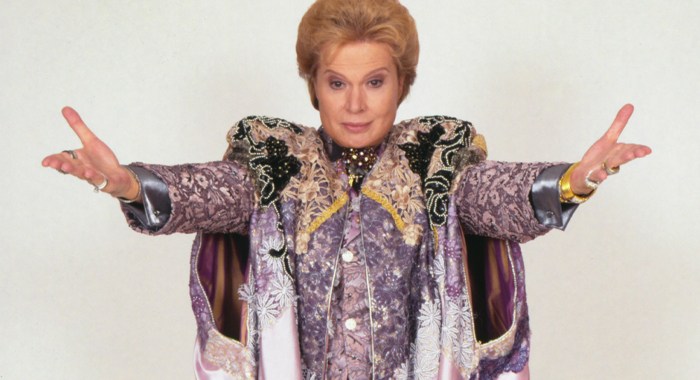
Where to watch: Netflix
Catholicism may get all the attention, but Latino spirituality is actually wider than all the rosaries and Virgin of Guadalupe statues might lead external audiences to believe. This doc features beloved astrologer Walter Mercado, praising his larger-than-life personality and emphasis on love while reminding folks that Puerto Rican and Spanish-speaking U.S. culture has depths outsiders often miss. The mystery around him — what he really believes, his sexuality, his appearance — remains throughout, as co-directors Cristina Costantini and Kareem Tabsch take a closer look. Indeed, Mucho Mucho Amor is not an exposé on Walter Mercado the man, but rather a celebration of him as a cultural phenomenon that spread a message of peace, acceptance, and love.
9. Going Varsity in Mariachi (2023)
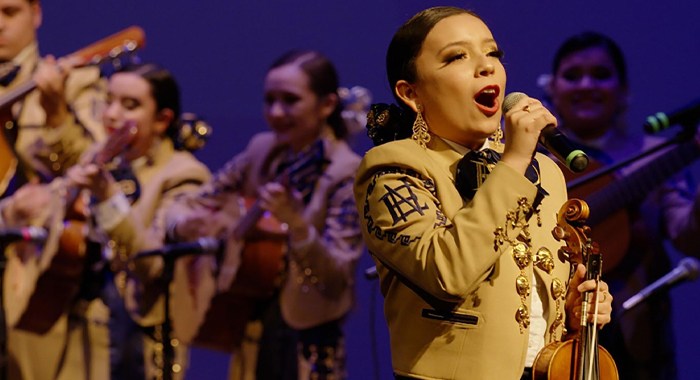
The Rio Grande Valley is as important a place to understanding Latino identity in the United States as Los Angeles, New York, or Miami. In the documentary Going Varsity in Mariachi, we are invited into the world of competitive high school mariachi in all its glory, giving a sense of Latino joy and realities. Co-directors Sam Osborn and Alejandra Vasquez introduce several young musicians, following them as they navigate issues of class, sexuality, and identity. There’s instant joy here, springing from the mariachi sounds and uniforms, but more than that, the documentary makes clear how a strong sense of culture and community acts as a protective factor for these teenagers as they set out to make their ways in the world.
10. In the Summers (2024)
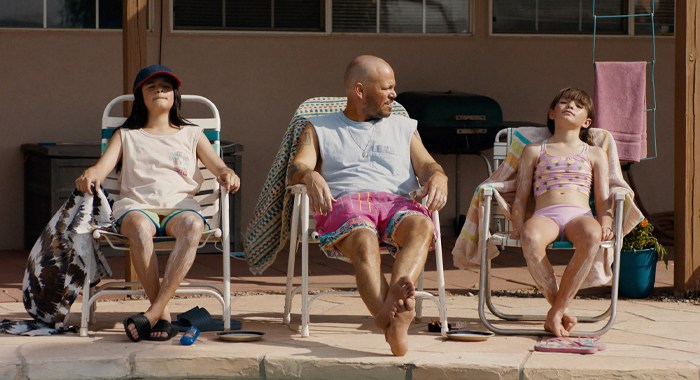
Where to watch: Fandango, Apple TV, Hulu, Prime Video
Two sisters spend the summers with their troubled father in Las Cruces, NM. Told across the years, Alessandra Lacorazza’s In the Summers explores themes of queer acceptance, paternal failure, and the very shape of memory, giving us insight into the Latino experience and our community’s ability to make envelope-pushing, deeply resonant art. This technically difficult and formative innovative film won Sundance the year it premiered there, taking home the U.S. Grand Jury Prize: Dramatic and the U.S. Dramatic Award for Directing. It also features the debut performance of René Pérez Joglar aka Residente, who’s since signed on to numerous other productions. Together, these accomplishments showcase Latinx filmmaking talent, proving our artistic chops once again, this time at the highest levels.
Cristina Escobar works at the intersection of race, gender, and pop culture. A TV critic for RogerEbert.com, two-time Sundance Inclusion Initiative recipient, and board member of the Latino Entertainment Journalists Association, she proudly serves as the co-founder and editor-in-chief of Latina Media Co, an indie publication platforming Latina and queer Latinx perspectives in media.