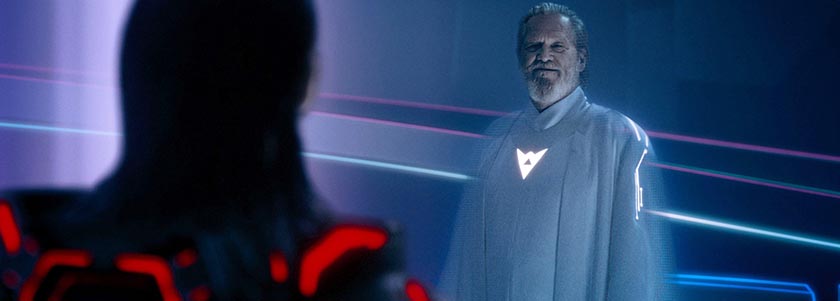
Jeff Bridges, son of Lloyd, struck it big with his first major role in 1971’s The Last Picture Show, where he was Oscar-nominated for his role as a graduating high school student in a prospectless Texas town. Afterwards, Bridges became a steady, comforting fixture in American cinema, appearing across action-thrillers (Thunderbolt & Lightfoot, Cutter’s Way), big-budget remakes (1975’s King Kong, The Vanishing), magnificent bombs (Heaven’s Gate), science-fiction (TRON, Starman), theater adaptations (The Iceman Cometh), and additional fine-tuned dramas (The Fisher King).
Bridges’ eclectic career choices primed him to become a beloved Hollywood statesman, all but confirmed with 1998’s The Big Lebowski. Wearing his personal wardrobe on-screen (including the jelly sandals) and directed by the Coen brothers, Bridges as Jeff “The Dude” Lebowski in a state of perpetual befuddled zen has rooted himself into pop culture with his generation-defining comedy performance. And Lebowski has only paved the way for later milestones and hits, including True Grit, Hell or High Water, and a take-home Best Actor Oscar for Crazy Heart, his big win out of seven nominations overall.
And now we do believe you shall abide as we take a trip through all Jeff Bridges movies, ranked by Tomatometer. —Alex Vo
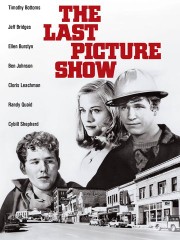
 98%
97%
97%
98%
97%
97%
 78%
78%
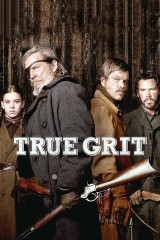 95%
95%
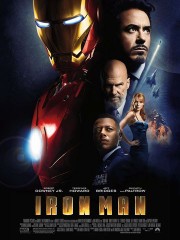 94%
92%
94%
92%
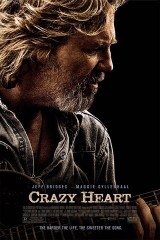 90%
87%
90%
87%
 86%
86%
 83%
83%
 84%
84%
 82%
79%
82%
79%
 78%
78%
 77%
77%
 76%
75%
76%
75%
 100%
100%
 97%
97%
 92%
92%
 92%
92%
 91%
91%
 89%
89%
 88%
88%
 86%
86%
 84%
84%
 79%
79%
 75%
75%
 75%
75%
 69%
69%
 67%
67%
 64%
64%
 64%
64%
 57%
57%
 62%
62%
 62%
62%
 61%
61%
 60%
60%
 58%
58%
 57%
57%
 57%
53%
57%
53%
 55%
55%
 55%
55%
 55%
55%
 53%
53%
 52%
51%
52%
51%
 51%
51%
 51%
51%
 50%
50%
 49%
49%
 46%
46%
 41%
41%
 39%
39%
 36%
36%
 34%
33%
34%
33%
 31%
31%
 30%
30%
 29%
29%
 26%
26%
 25%
13%
25%
13%
 12%
12%
 0%
0%

The latest: Grab some garlic bread, Scott Pilgrim is celebrating 15 years! (Actually, you know what? he just left.)
What makes a comedy a classic? Something that floats on the changing tides of time and taste, remaining relevant – and hilarious? It probably takes more than a football to the groin or a juiced-up fart on the audio track. (Though we’re not not saying those can sometimes be the pinnacle of professional-grade jokes.) We don’t have the answer, but with our Essential list assembling 150 of the best comedies ever made, we’re getting closer to laugh-out-loud enlightenment than humanly thought possible. We’re melting minds, splitting sides, and slapping knees here.
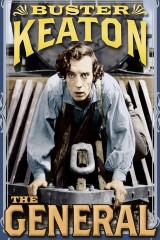
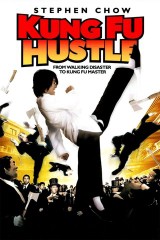
To that end, we’ve included all forms of the comedy movie. From slapstick (Dumb & Dumber, It’s a Mad, Mad, Mad, Mad World) to silent (The General, Modern Times). Rom-coms (Moonstruck, Annie Hall) to screwball (It Happened One Night, Bringing Up Baby). Parody (Airplane!, Scary Movie) to postmodern (Monty Python and the Holy Grail, Galaxy Quest). These 150 movies will take you to college (Animal House), past some fan favorites (Step Brothers, Super Troopers), and all around the globe (Kung Fu Hustle, Amelie).
There’s no minimum review count for this list. We opened it up to movies of yesteryear, which typically don’t get as many reviews as their modern comedy rivals. Many of these inducted films have high Tomatometer scores and are Certified Fresh, but the Tomatometer was not our only guide. Some comedies that stand the test of time did not necessarily pass the critical test on release, and we’re honoring those here. These are not the best-reviewed comedy films ever released, but they are the essential comedies, movies that broke the Laugh-O-Meter – we’ll totally trademark that soon, so dibs – shaped the genre, molded generations, and which audiences return to time and again, to lift the spirits.
That said, we did ultimately sort the movies by Tomatometer, with Certified Fresh films first. But follow your filthy laughing heart on which to tackle first!

Ready to whip out your funny bone and bash it violently on the nearest flat surface? Then you’re ready for our list of the best comedy movies ever: Rotten Tomatoes’ 150 Essential Comedies! —Alex Vo
 100%
92%
100%
92%
 100%
89%
100%
89%
 99%
90%
99%
90%
 99%
87%
99%
87%
 98%
95%
98%
95%
 98%
93%
98%
93%
 98%
93%
98%
93%

 98%
82%
98%
82%
 98%
79%
98%
79%
 98%
89%
98%
89%
 98%
93%
98%
93%
 97%
92%
97%
92%
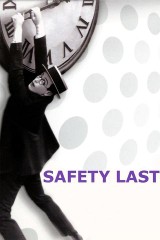 97%
93%
97%
93%
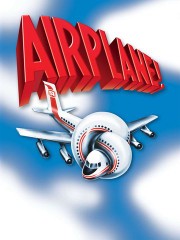 97%
89%
97%
89%
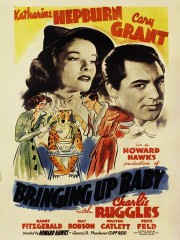 97%
89%
97%
89%
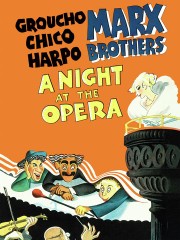 97%
90%
97%
90%
 97%
89%
96%
77%
97%
89%
96%
77%
 96%
87%
96%
87%
 96%
94%
92%
95%
96%
94%
92%
95%
 96%
93%
98%
92%
96%
93%
98%
92%
 96%
84%
94%
78%
96%
84%
94%
78%
 95%
88%
95%
88%
 95%
94%
95%
94%
 95%
92%
95%
92%
 95%
92%
95%
92%
 95%
95%
95%
83%
95%
95%
95%
83%
 95%
77%
95%
77%
 94%
81%
94%
81%
 94%
88%
94%
90%
94%
88%
94%
90%
 94%
88%
94%
88%
 94%
85%
94%
85%
 93%
89%
93%
89%
 93%
88%
93%
88%
 93%
94%
93%
94%
 93%
87%
93%
87%
 92%
87%
92%
93%
92%
87%
92%
93%
 92%
64%
92%
64%
 92%
74%
92%
74%
 92%
92%
92%
92%
 92%
95%
91%
76%
92%
95%
91%
76%
 91%
89%
91%
89%
 90%
89%
91%
78%
90%
89%
91%
78%
 92%
85%
92%
85%
 91%
85%
91%
85%
 91%
91%
91%
91%
 91%
89%
91%
89%
 91%
81%
91%
81%
 90%
79%
90%
81%
90%
79%
90%
81%
 90%
89%
90%
89%
 90%
82%
90%
82%
 89%
76%
88%
89%
89%
76%
88%
89%
 89%
84%
89%
91%
89%
84%
89%
91%
 89%
91%
89%
91%
 78%
79%
78%
79%
 87%
85%
88%
88%
87%
85%
88%
88%
 89%
84%
89%
84%
 88%
87%
88%
87%
 88%
79%
88%
79%
 87%
90%
87%
90%
 87%
65%
85%
79%
87%
65%
85%
79%
 86%
82%
88%
84%
86%
82%
88%
84%
 86%
93%
86%
93%
 86%
95%
85%
78%
86%
95%
85%
78%
 85%
83%
85%
84%
85%
83%
85%
84%
 85%
64%
85%
64%
 85%
79%
84%
66%
84%
51%
84%
66%
85%
79%
84%
66%
84%
51%
84%
66%
 84%
87%
84%
87%
 84%
80%
84%
80%
 84%
61%
84%
61%
 84%
81%
84%
81%
 83%
65%
83%
82%
83%
92%
83%
65%
83%
82%
83%
92%
 83%
75%
83%
75%
 82%
62%
82%
62%
 82%
84%
82%
84%
 83%
82%
83%
82%
 82%
84%
82%
84%
 81%
83%
82%
76%
81%
83%
82%
76%
 82%
93%
79%
93%
82%
93%
79%
93%
 79%
84%
79%
84%
 79%
81%
79%
81%
 79%
84%
79%
84%
 78%
65%
78%
65%
 78%
80%
78%
80%
 77%
80%
77%
80%
 75%
80%
75%
80%
 73%
87%
73%
87%
 100%
87%
100%
87%
 96%
86%
96%
86%
 96%
74%
96%
74%
 94%
81%
94%
81%
 84%
93%
84%
93%
 90%
85%
90%
85%
 89%
83%
89%
83%
 86%
91%
86%
91%
 86%
77%
86%
77%
 79%
77%
79%
77%
 77%
91%
77%
91%
 73%
77%
73%
77%
 73%
85%
73%
85%
 73%
65%
73%
65%
 72%
74%
72%
74%
 72%
72%
73%
86%
72%
72%
73%
86%
 71%
92%
71%
92%
 70%
77%
70%
77%
 71%
61%
71%
61%
 69%
83%
69%
83%
 69%
84%
69%
84%
 66%
86%
66%
86%
 64%
80%
64%
80%
 62%
61%
65%
85%
62%
61%
65%
85%
 54%
69%
54%
69%
 52%
83%
52%
83%
 53%
77%
53%
77%
 51%
43%
51%
43%
 49%
68%
49%
68%
 47%
57%
47%
57%
 47%
82%
47%
82%
 39%
64%
39%
64%
 39%
75%
39%
75%
 40%
90%
40%
90%
 37%
90%
37%
90%
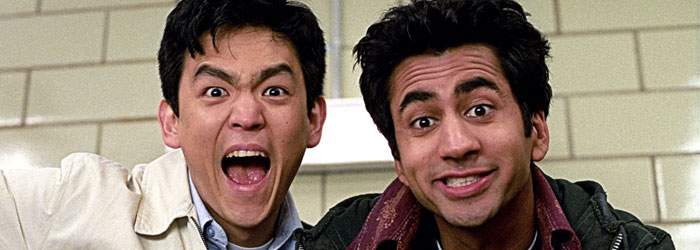
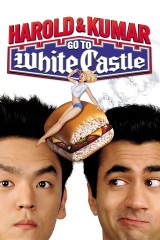
(Photo by New Line/courtesy Everett Collection. Harold & Kumar Go to White Castle.)
If your movie nights could take a few more hits, check out our guide to the best stoner movies! These are essential and favorite movies to the marijuana experience, ranging from counterculture classics (Up in Smoke, Easy Rider), top-shelf mainstream films (Pineapple Express, Friday), and cult comedies (Grandma’s Boy, Super Troopers), all featuring icons like Jeff Spicoli and The Dude. Then we took all the movies and sorted them by Tomatometer, highest first of course.
If you’re seeking a trip guide, something to pair with whatever state you’re in, check out the 25 Favorite Stoner Movies! (And don’t forget the 20 best movies to watch high.)
94%
88%
 82%
79%
82%
79%
 84%
80%
78%
77%
75%
84%
80%
78%
77%
75%
 73%
73%
 69%
69%
 68%
68%
 64%
64%
 52%
52%
 53%
51%
53%
51%
 51%
47%
39%
37%
51%
47%
39%
37%
 28%
28%
 25%
25%
 16%
16%
 16%
16%
 15%
15%

(Photo by Buena Vista/courtesy Everett Collection)
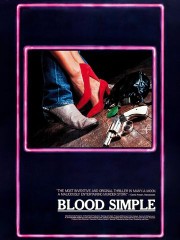
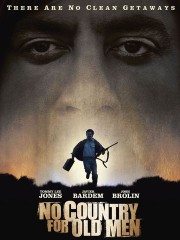
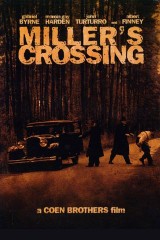
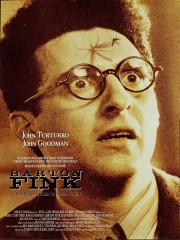
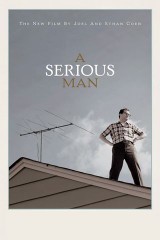
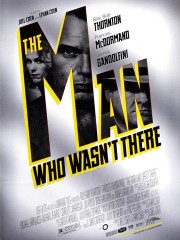
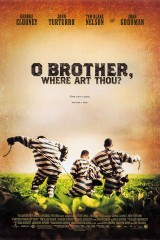
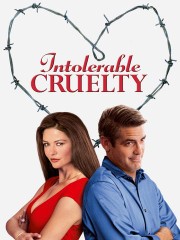
Since their 1984 neo-noir debut Blood Simple, brother directors Joel and Ethan Coen have danced amok across American cinema with mordant tales of wayward souls and their crimes and misdemeanors. Among their achievements include making a generation-defining comedy (The Big Lebowski), revitalizing the Western (True Grit), and winning Best Picture (No Country For Old Men). They even brought back bluegrass, achieved through cultural Trojan horse O Brother, Where Are Thou?.
Recently, the brothers have struck out on their own, with Joel adapting known Scottish play into The Tragedy of Macbeth, and Ethan making his solo debut with the twisty lesbian anthem Drive-Away Dolls.
95%
 94%
94%
 94%
94%
 93%
93%
 93%
92%
93%
91%
93%
92%
93%
91%
 90%
89%
90%
89%
 89%
86%
89%
86%
 81%
79%
78%
81%
79%
78%
 78%
78%
 76%
64%
76%
64%
 64%
64%
 54%
54%
More than 25 years ago, The Big Lebowski was released in theaters, and the movie grew the most loyal and creative fan base, with festivals, comic books, and even a religion. Written and directed by Joel and Ethan Coen, and edited by their longtime collaborator Tricia Cooke, the film maintains that cult following to this day. To celebrate that beloved movie in anticipation of Ethan Coen and Tricia Cooke’s upcoming film, Drive-Away Dolls, we’re introducing you to Jeffrey “The Dude” Peterson in the latest episode of “Movie People,” a series that celebrates movie lovers and their special connection to the films and filmmakers they love, co-produced with Focus Features!
Drive-Away Dolls (2024) opens in theaters on February 23, 2024.
On an Apple device? Follow Rotten Tomatoes on Apple News.
Let’s take a look at 4K releases on Blu-ray in August 2023, including Guardians of the Galaxy Vol. 3, Fast X, The Flash, and The Blackening. (With thanks to Blu-ray.com for providing release calendar and updates.)
Speaking of family, the Guardians of the Galaxy pump up the volume one last time, landing in multiple editions, including the usual Best Buy exclusive steelbook and a Walmart disc with an enamel pin.
The Flash and The Blackening round out August’s new movies on 4K.
More major studios releasing library titles include Paramount (Ferris Bueller’s Day Off, Roman Holiday, Elizabeth, Hustle & Flow), Warner Bros. (Rio Bravo, East of Eden, and Enter the Dragon, all under the WB 100 label), Sony (The Legend of Zorro), and Paramount with 2 Guns, Promising Young Woman, and The Big Lebowski. The Coen brothers classic has been on 4K plenty before, but now it’s part of the Universal Essentials Collection, which has the slipcase, art cards, a film cell, and booklet. A new steelbook is also available.
Horror-comedy fans will do well with Scream Factory’s Chucky 4-7 box set, which include unique stickers, posters, and slipcovers. The films (Bride of Chucky, then Seed, Curse, and Cult) will also release separately. In addition, TROMA enters glorious UHD with their Toxic Avenger boxset, collecting the four movies. Restoration provided by Vinegar Syndrome.
Also notable: MVD’s first 4K release with Wes Craven’s Swamp Thing, which restores both the theatrical and the unrated international cut. Then we have the usual beloved motley crew of boutique houses, including Umbrella (Razorback), Vinegar (Gorgo, Terror at Tenkiller), Cauldron (City of the Living Dead aka The Gates of Hell), Arrow (Weird Science with a restoration of both the theatrical and extended cuts, and then one for The Last House on the Left remake’s theatrical), and Kino Lorber (3 Days of the Condor, Staying Alive).
64%
2 Guns
(2013)
95%
Beauty and the Beast
(1991)
-steelbook re-release
79%
The Big Lebowski
(1998)
-re-release, including Universal Essentials Collection box set
95%
Cinderella
(1950)
-including steelbook
86%
East of Eden
(1955)
83%
Ferris Bueller's Day Off
(1986)
-including steelbook
89%
Frozen
(2013)
-steelbook re-release
82%
Guardians of the Galaxy Vol. 3
(2023)
-including steelbook
56%
Nightbreed
(1990)
-including collector’s edition box set, from Shout! Factory
96%
Rio Bravo
(1959)
58%
Razorback
(1984)
-from Umbrella
93%
Everything Everywhere All at Once
(2022)
-box set exclusive on A24’s store
67%
Akira Kurosawa's Dreams
(1990)
-from Criterion Collection
63%
Ender's Game
(2013)
88%
Enter the Dragon
(1973)
56%
Fast X
(2023)
-including steelbook, and 10-movie collection box set
62%
Swamp Thing
(1982)
-from MVD
41%
City of the Living Dead
(1980)
-from Cauldron
96%
Roman Holiday
(1953)
87%
The Blackening
(2022)
-including steelbook
83%
Elizabeth
(1998)
34%
Hackers
(1995)
-including steelbook
27%
The Legend of Zorro
(2005)
 - -
The Night of the Hunted
(1980)
-from Powerhouse
- -
The Night of the Hunted
(1980)
-from Powerhouse
95%
Tim Burton's The Nightmare Before Christmas
(1993)
-including steelbook
90%
Promising Young Woman
(2020)
- -
The Rape of the Vampire
(1968)
-from Powerhouse
60%
Weird Science
(1985)
– from Arrow Video
Chucky 4-7 box set, separate releases on 8/29, from Shout! Factory
47%
Bride of Chucky
(1998)
36%
Seed of Chucky
(2004)
78%
Curse of Chucky
(2013)
81%
Cult of Chucky
(2017)
87%
Three Days of the Condor
(1975)
-from Kino Lorber
- -
Bad Biology
(2008)
-from Severin
35%
Battlestar Galactica
(1979)
-including steelbook
63%
The Flash
(2023)
-including steelbook
- -
Gorgo
(1961)
-from Vinegar Syndrome
83%
Hustle & Flow
(2005)
-Paramount Presents release, with collectible foldout packaging
87%
Infinity Pool
(2023)
42%
The Last House on the Left
(2009)
-from Arrow Video
3%
Staying Alive
(1983)
-from Kino Lorber
- -
Terror at Tenkiller
(1986)
-from Vinegar Syndrome
73%
The Toxic Avenger
(1984)
0%
The Toxic Avenger, Part II
(1989)
- -
The Toxic Avenger Part III: The Last Temptation of Toxie
(1989)
64%
Citizen Toxie: The Toxic Avenger IV
(2001)
- -
The Legend of Boggy Creek
(1972)
-50th anniversary edition from the Boggy Creek store
On an Apple device? Follow Rotten Tomatoes on Apple News.

(Photo by Noam Galai/Getty Images)
Accomplished character actor Judy Greer‘s filmography is, fittingly enough, best summed up by the title of her 2014 autobiography: I Don’t Know What You Know Me From: Confessions of a Co-Star. You may recall her as the recipient of an amazing makeover in Jawbreaker, as the timid, lonely office girl from What Women Want, or in the recurring role as George Sr.’s awkward, unhinged assistant Kitty Sanchez in Arrested Development, all early in her career. That was before she moved on to stealing scenes in sitcoms like Modern Family and It’s Always Sunny in Philadelphia and landing supporting roles in movies like The Descendants, 2013’s Carrie, and franchises as big as Planet of the Apes, Jurassic World, and the Ant-Man movies. Later this year, Greer will even appear alongside Jamie Lee Curtis as Laurie Strode’s daughter in Halloween.
This week, however, marks another milestone for Greer, as she makes her directorial debut with A Happening of Monumental Proportions. It’s an ensemble comedy of intersecting stories that take place over the course of an elementary school’s Career Day, with an impressive cast that includes Common, Allison Janney, Jennifer Garner, John Cho, Kumail Nanjiani, Bradley Whitford, Katie Holmes, and Rob Riggle, just to name a few. She spoke with RT and offered up her Five Favorite Films, then talked about why she could never direct herself, explained how helpful Jason Reitman and Mitch Hurwitz were to her, and even gave us a taste of what it was like on the set of Halloween.
I think my favorite movie ever in the world might be Tootsie. I love that movie. It’s just got everything. I mean, I guess it doesn’t have murder, but you know what I mean. Like, for me, it’s so smart, it’s so dry, it’s so f—ing funny. And the performances — every single role is so good, and so important. And it made me fall in love with the idea of New York City, and it made me fall in love with actors and what they do. I thought it was so funny when I saw it the first time, but you know, now I’m a real live actor. As I was studying acting and stuff, and started to relate to it on that level, I think it’s a great show about actors without being about the business, because it’s about an actor wanting to be an artist, and he learns how to use the business to make art. And then there’s Bill Murray, who could fart and just be the greatest. Everything, everything about that movie just tickles me to no end.
I also love the movie Moonstruck. I just think, again, it’s so brilliantly performed. I think Moonstruck and Tootsie are perfect movies. Like, I can’t find a flaw in them, and I’ve watched them countless times. I just think that they are perfect films. And in Moonstruck, what they’re dealing with is death, and loneliness, and loving the wrong person, and a family tie, and infidelity. And yet, it’s the most charming, uplifting, happy movie.
I mean, the soundtrack, the score. There’s a makeover in it. I mean, come on, I love a makeover. And again, you have New York, you have Brooklyn, you have this wonderful city. You have this culture of this Italian family. It’s just wonderful. And Nicolas Cage gives the most insane performance I’ve ever seen. When he is screaming about his hand in the bakery, I’m like, “What is that? Who does it that way?” Nobody would do that. Only Nicolas Cage would just scream at the top of his lungs, like, “I lost my hand! I lost my bride!” I marvel at the balls, and that performance just wrecked me. Then her, of course, smacking him — we’ll never forget it.
I love When Harry Met Sally. Every girl actress is like, “I’m looking for my Annie Hall.” But I’ve always looked for my Sally. That’s been my favorite. I prefer it, I have to say. I just think, again, it’s dry, it’s funny, the characters are layered and interesting. All the supporting characters in that film have great moments and great roles, and you remember every single one of them. It always makes me laugh, and I feel like it’s timeless. And who doesn’t fantasize about falling in love with their best friend? Isn’t that the whole point? And I loved all the intertwining stories of the old people, and their little stories of how they met and fell in love. What a great idea; it’s so cool. And, of course, Nora Ephron’s the best. And that famous scene where she has the fake orgasm — I mean, the balls of that performance. Just great, it’s really great.
It’s also kind of grown-up. I remember watching it when I was younger, thinking, “God I hope I’m like them.” Now I’m so much older than they are. [laughs] But they all were moving to New York City to try to make it in Manhattan, so there was that element to it that I loved. And then the settling in, and realizing that life is different than you thought it would be. I just think it’s a perfect romantic comedy, and it is different than the usual formula, because you do have these sort of interstitial moments that are so funny, with these couples describing how they met and fell and love.
I would say The Big Lebowski, because I’ve always felt like John Goodman should have gotten an Oscar for his performance in that movie. He’s perfect and brilliant. And it’s so weird and so funny, and takes all these turns. And we got to meet Phillip Seymour Hoffman and be like, “Brandt? Who the f— is that guy? He’s hilarious.” So, thanks for that, Coen brothers. It’s so weird. It’s so hard to make a movie with such extreme characters and keep it tonally so grounded. I don’t feel like it’s ever over the top, but all the performances are over the top, but it’s just so perfectly directed. Plus it makes me laugh, always, even though I’ve seen it so many times. God, really, I just love it. I think there’s something in it for everyone.
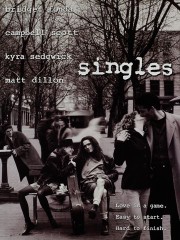
I think I’m going to go with Singles, and it’s because of a very specific time in my life. Soundtrack is really important to me, and I’m a child of ’90s grunge. That movie was Seattle, Nirvana, Pearl Jam — it’s the greatest soundtrack. My favorite band was Smashing Pumpkins and my favorite song by Smashing Pumpkins is “Drown,” and that’s on there. Plus, I loved all the different storylines being woven together. I love Cameron Crowe, and the idea of these people living in Seattle and looking for love.
I was a senior in high school when it came out. I mean, I saw it in the theater like three times. I was like, “Oh my God, this is gonna be my life. I’m gonna move out of my parents’ house, and I’m gonna go and try to make it in the city somewhere, and it’s gonna be like this.” And, you know, Bridget Fonda as Janet was just the greatest character. I was like, “I’m gonna be like her. I am kind of like her. But not the pathetic parts of her, the great parts of her.” But everyone was just was trying to find themselves, find love, find a career, find a path, find their life. It was really aspirational for me at the time that it came out, so it really scratches that itch that I had then, and it will always be that meaningful to me.
I recently made my husband watch it. I can’t remember if he had seen it or if he just didn’t remember it, but I just could tell, even though he loved it and appreciated it, like, it didn’t kill him the way it killed me. And you know, he was like, “Yeah, no, it’s good. I like it.” But he is obsessed with Almost Famous, and I love Almost Famous, but that was more meaningful for him. Singles is just… the movie, the music, the time, the look, the actors, the wardrobe, the backdrop of Seattle. Just all of it.
Ryan Fujitani for Rotten Tomatoes: So I understand it was your manager who really pushed for you to make the jump behind the camera and move into directing. What was it about this project that made you think, “You know what? This is the one I’m going to direct?”
Judy Greer: Well, I loved the script. I mean, I have to give up a year of my life to direct a movie, and not make any money doing it, and it has to be something… My manager has always said this, and he still does: If you’re not dying to tell this story, it’s not worth it. And he doesn’t even mean financially; he means heart and soul. It’s such an undertaking to direct independent movies, so, in that sense, it has to really be something I can’t not do.
That was how I felt when I read this script, finally. I had read several, and a lot of the ones that came to me wanted me to also play roles in them, and I really didn’t want to do that. I did not want to have to direct myself. I didn’t want to have to be directing other actors but then also being like, “Yeah, but I nailed that scene, so we can move on.” I just felt so weird about it. And I’ve worked with people who’ve done it, and they do it well, and it doesn’t bother me. I just couldn’t do it. I couldn’t look at Common and say, “Can you do it again, but like, this time do it like this?” I feel like I would have had to tell myself my direction out loud so he could hear it.
Also, the second answer is that I got people way more famous and cool than me to be in my movie, so it was great, because I didn’t even have to. I was like, “Worst case scenario, I could play these five roles. But, I don’t know, if Allison Janney’s going to do it, then why would I ever?” So they made it easy for me. I’m legit impressed by people who can, but I couldn’t.
RT: You’ve also said that you’re drawn to stories that take place in “normal” office settings and things like that, because you’ve never quite had a job like that. What’s the trick to making something that’s ostensibly normal and familiar to most audiences into something that’s special and engaging, but also still relatable, if that makes sense?
Greer: No, I think I know what you mean. Yeah, I think what you’re saying is, how do you not make it boring? Well, I don’t know, maybe you’re not. But Office Space, maybe if I could list a top 10 list, would maybe be on it. I loved that movie, and I was so intrigued, because I’ve always been fascinated with a schedule. Like, I’ve never had a schedule. It’s always different and changing, and I’m in different places, and I’m doing different things. I think the grass is always greener, a little bit, with having a regular job and a regular life, where I thought, “Oh, you can actually plan a vacation and take it? That would be cool. My husband would love that.”
But I just thought it was cool to see the ins and outs of that world, and I hoped I made it interesting and fascinating. What I really wanted to do was, I have this fantasy about showing how these big buildings, they’re these big businesses and cubicles, and you have to walk so far to just get anything done. You have to walk so far to just go to the bathroom and to get a cup of coffee. And if you’re running to someone’s office, basically it’s like half your day is just walking around these buildings. It’s just my fantasy of what it’s like. Some of my friends have said, “No, no one has that much space.” But I’m like, “I don’t know. In my world, they do, and that’s the story I want to tell.” Direct your own movies! But yeah, I was always intrigued by it.
RT: If it’s any consolation, a lot of my day is actually very much like that, so you kind of nailed it for me, anyway.
Greer: Oh, I’m sorry? [laughs]
RT: You’ve been part of some really big franchises, and you’ve worked with a lot of amazing people, both in front of and behind the camera. Specifically with regard to directors, is there one in particular who especially inspired your own approach, or from whom you felt like you learned a significant deal?
Greer: Well, I learned a lot from Jason Reitman, because he is my friend and he was nice enough to go to lunch with me before I directed my movie, and sat down with me at Hugo’s for like two hours, where I had a notebook and a pen, and he told me things, and I wrote as much as I could down. He was really inspiring in that way. Plus, I love working with him. I love the way he directs, and I love his movies and the stories he chooses to tell. I have so much respect for him. I also got so much help from, obviously Paul Weitz, who’s an executive producer of my movie. He was someone who was a total mentor. But kind of outside the process, I should say, it was Jason Reitman, who didn’t have to ever do anything or sit down with me.
Paul was great. I mean, Paul helped me all along the way, because he was a part of the process from the very beginning, and we started by just going over the script together. Then we talked about casting. Then we talked about crew to hire. Then we talked about edit, and what I should do on set. I’ve sort of taken him for granted because he’s a producer on the movie, and haven’t really spoken as much about him as I should have. But definitely him. Definitely him.
And also, towards the end in the editing process, you know who I feel like I couldn’t have finished the movie without was Mitch Hurwitz. You know, he’s just always been there for me, throughout my career, when I’ve needed help or advice. With this, you know, we got to a point in the editing room where we were like, “I don’t know what else to do. And there are some things that need to be fixed.” And I sent him a link, and he watched it and gave me the greatest notes. It was really just something that was so above and beyond. I just wanted a new, fresh pair of eyes, someone who, I thought, was clearly a comedic genius. But the thing about Mitch that I don’t know if people all know is what a giant heart he has. You know, my movie ended up, I think, having a lot of heart to it. I had plenty of jokes — a lot of jokes had to end up being cut — but I wanted to make sure I was telling the right story, too. So Mitch was a real asset.
RT: Speaking of jokes, you’ve proven how reliably funny you are in the past, and now you’re directing this kind of quirky comedy. What do you think about possibly directing in other genres? Maybe drama, or horror?
Greer: Definitely, horror would be dope. That would be so fun, and I would never have said that until working with David Gordon Green on Halloween. I had so much fun on set. We had the best time. And again, that could just be him, because he just wants to have fun and laugh. He always says, “I just want to party,” and he doesn’t mean drink. He wants to just have fun all the time. Like, “Let’s party, let’s party! We have to party!” It’s so fun. He’s like, “Oh Judy, wouldn’t it be cool if you did this? What if you did that?” It was so fun. And after doing that, I thought, “Oh my God, this is a horror movie? I want to direct a horror movie. That would be cool.”
I would also say that working with Peyton Reed on Ant-Man was so cool, because… Again, Paul [Rudd] is just hilarious, and he’s never not funny. But to make that kind of genre movie, and make it as fun and funny as I think Ant-Man, both of them, turned out to be, seems really fun, too. As far as drama’s concerned, I just don’t know. I love acting in dramas, and I love watching dramas, but I get nervous because I feel like I have a tendency to — you’ll never believe this, maybe — but I can go to pretty dark places, and I would be nervous about tone. Tone is so important. I’m so constantly feeling heartbroken by humanity, and especially now. But I’m never going to say no. I read all kinds of scripts.
RT: You mentioned Halloween, and I feel like I can’t not ask about it…
Greer: Dude…
RT: Without spoiling anything, is there something like a passing of the torch going on?
Greer: I don’t know, man. I don’t know what I’m even allowed to say. Let me just say that if I could do these movies with Jamie Lee Curtis and Andi Matichak, if we could make these movies, this gang of, as Jamie Lee Curtis calls us, three tall women… It was so fun. I hope we get the opportunity to go back to Haddonfield, because it was… It was major. And I feel like Jamie Lee’s love and ownership — and I don’t mean it literally — of this franchise is such an inspiration. I love how seriously she and David took the telling of this story. And while it was so fun and wonderful to do, it was, I felt, such important work to get right. For the fans, you know? It’s all about the people who love it. And people love Halloween.
A Happening of Monumental Proportions opens in limited release on Friday, September 21.

(Photo by Emma McIntyre/Getty Images)
The artist formally known, and credited, as “MILF guy,” has come a long way since his American Pie days. The last decade has seen John Cho shed his goofy teen comedy stylings – has it really been seven years since Harold and Kumar were on our big screens? – to forge two striking career paths: One as a key part of a mega mainstream franchise in the Star Trek movies, the other as a lead in some of the most interesting breakout indie films of recent years. If you haven’t seen him in 2017’s moving and visually singular Columbus, you really should.
This month he runs straight through the middle of those two paths with Searching, a missing-child thriller full of mainstream pleasures – big twists, edge-of-your-seat suspense – told with indie innovation: The movie takes place entirely on screens, with FaceTime conversations, YouTube clips, Venmo accounts, and Google search bars somehow coming miraculously together to propel the story forward. None of it would work without a performance like Cho’s, who plays the father of the missing girl with a mix of determination and woundedness that never lets you forget the human story at the center of the technical wizardry.
Ahead of Searching’s release, Cho spoke with Rotten Tomatoes about his Five Favorite Films, which themselves mix very real emotion with innovative storytelling. He stressed that there were “25 I could have picked from,” but settled – at least on the day we spoke – for the five films below.
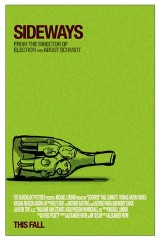
I hadn’t seen Sideways in a number of years, and recently saw it again, and sat down with it and was overwhelmed at how much more meaningful it had become in the years since I had seen it. I don’t know why – I guess it’s just really cheesy: Like wine, it had aged for me. (I’d take that out, that was so cheesy!). But it had matured for me as a story, or perhaps I had grownup to meet the story – it was so lyrical and so authentic in every moment. Stories about failure, to me, are more meaningful as I get older.
That movie also swings big, and that’s another thing that I like about it. That monologue, Virginia Madsen’s monologue… it’s just achingly romantic. [And] the end, where he drives up, sort of mirroring The Graduate, but it’s Dustin Hoffman, the loser version, which is way closer to me than the heroic version in The Graduate. [The movie] just keeps curving into itself, and out of itself, and it’s just an incredibly satisfying, enjoyable, meditative movie.
It’s got some incredible performances – everyone is a delight, everyone is just incredibly fun, and each scene has something interesting happening in it. [Sandra Oh] was another inspired bit of casting. Her mother, and the kid, and she’s amazing, and the motorcycle helmet rage was one of the most terrifying things I’ve seen on film – and a flopping penis, that’s always good.
The Big Lebowski is like a bowl of noodles I could eat every single day, and it would be endlessly emitting new flavors. It’s just incredible. There is like an academic reading of Big Lebowski that you could go about on forever…this polemic about war, maybe specifically World War II, and then it’s like this commentary on Hollywood, like a spoof. Then, it’s just a great weed movie. And then the performances are just ridiculous. Jeff Bridges is doing, I mean, Olivier level acting.
It’s ridiculous that there’s a monologue in the limousine… he comes out of the limo that Maude sent him, and then another driver immediately – which is just the most hilarious visual, just going from one limo to another limo. Then, he gets in there holding his White Russian, and then has to explain himself, and he stammers, and each thought is so clear, but leads nowhere.
There are no scenes that aren’t fun. Also, I don’t understand the movie, which is kind of a great feeling to have. I don’t fully understand the plot, and I’ve seen it 100 times. It’s a very unique movie in the sense that I don’t know what’s going on every time I see it.
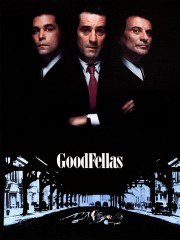
That’s sort of the oldest movie I still love, meaning a movie from my youth that I still can’t get enough of. It’s just so exciting, and – this is gonna sound douchey – there’s more propulsion to that movie than any movie that’s ever been made, it feels like. It’s just so fast. It’s like a car accelerating, and it just never stops accelerating. I mean, think about the beginning sequence of that movie: It’s so fun, and it ends with the coke sequence. I can’t imagine a movie that just keeps going that hard. It’s tremendous.
Obviously, [there’s] such a performance from Pesci. I am deathly afraid of this small man. And Bracco: She’s amazing. That to me is another thing – I love portrayals of weird marriages. I feel like Husbands and Wives is my favorite Woody Allen movie. [Goodfellas] is a perverse love story at the end of the day, and I love it.
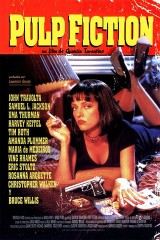
It was such an important part of my youth. I think more than any other movie, it changed my idea of what movies were. I wasn’t an actor then, but Pulp Fiction sort of…How do I put it? It was what, as a young actor, [showed me] this is what we’re trying to do. We’re trying to be this vital. We’re trying to be this fun. We’re trying to break the rules this much. I think it changed American independent filmmaking.
For me, it was Travolta [who stood out]. I don’t know why. When I think of Pulp Fiction, the image I think about most is him getting blown away while reading Modesty Blaise on the can. Of all the images in Pulp Fiction, that’s the one that sticks in my head the most. We spent this whole movie falling in love with him, dancing with Uma Thurman, and accidentally blowing a guy’s head off. There’s so much going on, and then he meets his demise while reading a book while taking a shit, and there’s so much pathos in that image.
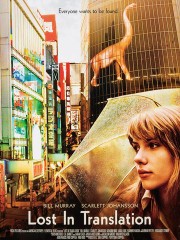
Bill Murray, Scarlett Johansson. I was secretly thrilled that Sofia Coppola, who was panned for Godfather III, made such a triumphant movie so – it was so cool. I think it’s the single coolest movie I’ve ever seen. I haven’t revisited it in a long time, it just meant a lot to me at the time.
Partially, I think it’s like I identified very strongly with the idea of being a stranger. I could talk to my therapist for a long time about this, but for me, it was like an Asian-American movie, because the idea of being a stranger in Asia was, to me, more of an Asian-American experience than it was a white American experience. That portrayal felt very inside baseball to me, and I identified very strongly with it.
Perhaps it really is psychologically a commentary on me feeling Asian in white America, but I identified with that situation in a very personal way. It always meant more to me than I think the film should have, but I really have a lot of affection for it. I should revisit it, and I wonder if it’ll remain on my list, but I suspect it would.
Have you Googled around to find out what is said at the end, or all of the theories?
There’s a French movie called La Belle Noiseuse. The movie is about the abusive relationship between a painter and his muse, and model. It’s a four-hour movie with a cigarette intermission, and they battle through the whole movie. He’s trying to make this painting that he was commissioned to make, and you never see what he’s painting, and at the end of the movie he delivers the painting to his patron, and it’s a beautiful painting, but then the filmmaker reveals that he has the real painting bricked up behind a wall, because the truth is that terrible, and you should not see the truth.
The Oscar nominations have just been announced, which means our long annual awards-season debate surrounding who should win, who might surprise us, and who got snubbed is just getting started. In anticipation of that mother of all awards ceremonies, let’s take an appreciative look back at some of the greatest films in Hollywood history that didn’t receive a single Oscar nomination — a list that, as you’ll see, includes more than a few timeless classics. No envelope, please… it’s time for Total Recall!
In a filmography studded with cult classics, the Coen brothers’ The Big Lebowski might be the cultiest — which is to say that when it arrived in theaters, it landed with nowhere near the impact you might suspect today. In spite of a top-notch cast that included Jeff Bridges, John Goodman, Julianne Moore, and Philip Seymour Hoffman, as well as an eminently quotable screenplay whose storyline amiably loped between (often equally surreal) moments of comedy and drama, Lebowski eked out less than $20 million during its theatrical run, and although critics were generally kind, they weren’t exactly falling all over themselves to proclaim its everlasting virtues. The Coens had the last laugh in the long run, however — Oscars are nice, but how many movies have inspired their own religion?
Watch it here: Amazon, FandangoNOW, Google Play, iTunes
When Jean-Luc Godard’s Breathless arrived in 1960, there was no way for critics to know they were witnessing one of the most influential works in all of cinema — as well as the arrival of one of the medium’s greatest auteurs. But everyone who saw it — including more than two million French filmgoers — knew they were watching something bold and new, and among cineastes, it was recognized as part of the emerging French New Wave. How it came up empty with the Academy is up for debate, but there’s no arguing its lasting impact; among directors as well as critics, Breathless is regularly cited on lists of the all-time greatest films.
Watch it here: Amazon, FandangoNOW, Google Play, iTunes
The Oscars are traditionally fairly dismissive of comedies, and the list of classic laughers that deserved a nod from the Academy is long — but Bringing Up Baby, starring Cary Grant as an uptight zoologist and Katharine Hepburn as the ditz who turns his life upside down, belongs at or near the top. Critics were generally enthusiastic about Grant and Hepburn’s second big-screen pairing, but the audience’s response was decidedly mixed; despite strong receipts in a handful of locations, Baby landed with a thud in many parts of the country, and was only ultimately saved from the cultural dustbin thanks to a second life granted by television screenings more than a decade after it slunk out of theaters.
Watch it here: Amazon, FandangoNOW, Google Play, iTunes
One of a handful of thrillers to make such stylishly effective use of its Los Angeles locations that the city is virtually a character unto itself, Michael Mann’s Heat might be hands down the sleekest cops-and-robbers suspense flick of the ’90s — which is really saying something, considering Mann had to weave a tangled web of plotlines involving a crowded, marquee-topping ensemble that included Robert De Niro and Al Pacino. Alas, not even the combined might of two of Hollywood’s greatest thespians could earn this classic heist picture any attention from the Academy. Mann’s next release, 1999’s The Insider, made up for lost opportunities with an impressive seven nominations — none of which, sadly, it won.
Watch it here: Amazon, FandangoNOW, Google Play, iTunes
Watch it here: Amazon, FandangoNOW, Google Play, iTunes
Watch it here: Amazon, FandangoNOW, Google Play, iTunes
Watch it here: Amazon, FandangoNOW, Google Play, iTunes
Watch it here: Amazon, FandangoNOW, Google Play, iTunes
Like comedy, horror hasn’t always found the warmest reception at the Academy, and a horror movie adapted from a bestseller by Stephen King — who hasn’t always been a critics’ darling himself — probably never stood a prayer of receiving Oscars recognition. On the other hand, the big-screen version of King’s The Shining boasted a stellar pedigree, both onscreen and behind the cameras; with Jack Nicholson starring opposite Shelley Duvall and Stanley Kubrick directing, this terrifying descent into snowbound madness could easily have earned a nomination or three. Alas, it came up empty, forever depriving Nicholson the opportunity to stroll up to the podium and shout, “Heeeeeeeeeeeeere’s Oscar!”
Watch it here: Amazon, FandangoNOW, Google Play, iTunes
David O. Russell’s movies have piled up a number of Oscar nominations and wins over the years, and it’d be hard to argue he’s been unfairly ignored by the Academy. Still, looking back, it’s a little surprising to note that Russell’s Three Kings didn’t pick up a single nomination. A critical and commercial hit, this pitch-black satire of modern warfare and global American politics is the rare message movie that works as pure entertainment — and it found Russell employing a few nifty visual tricks, too. Any or all of the above might have been good for awards consideration; alas, Russell would have to content himself with the awards-season attention he’d generate in later years with movies like The Fighter, Silver Linings Playbook, and American Hustle.
Watch it here: Amazon, FandangoNOW, Google Play, iTunes
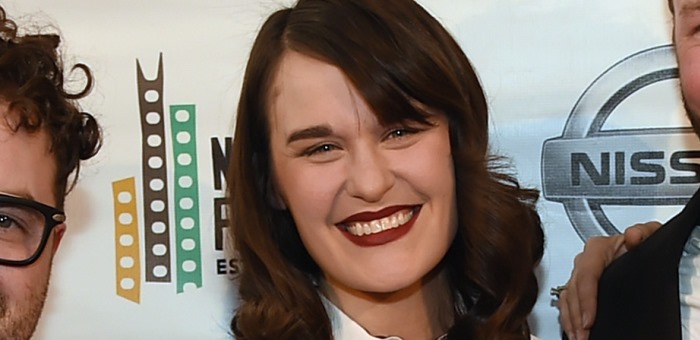
Photo by Rick Diamond / Getty Images
One of the films making waves at the Toronto International Film Festival this year is In the Radiant City, directed and co-written by Rachel Lambert. Having directed the short film Kin and the documentary Mom Jovi — which premiered at this year’s Nashville Film Festival — Radiant City is Lambert’s first scripted feature. Her background producing and writing for theatre doubly ensured her capacity for executing legitimate drama, be it on stage or screen. So, while her name may be new to you, her work experience is extensive and respected. Lambert is a true lover of film — something evidenced by her passion and thoughtfulness when discussing her five favorites with us. So check out the list here and get a head start on learning about this terrific up-and-coming talent:
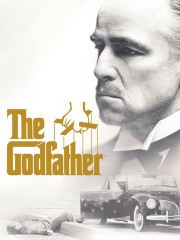
For one, I remember seeing it on the TNT marathon for a weird American holiday — a random birthday of a president or something — and they were doing this marathon, and I watched it and I watched it again and again and again on this marathon, and I couldn’t stop watching it. From that point on, I remember I went out and got the AFI top 100 list — back before you could look it up online — and I decided I was going to watch every single movie on that list.
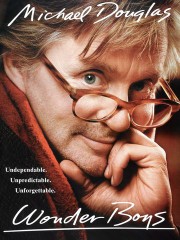
It’s dramatically different [from The Godfather] in terms of this town and the world of it. It’s a good movie, tremendously. I’m a writer, so obviously I enjoy the content because it’s about writer things and writer dramas and writer people. It’s just one of the funniest things I’ve ever seen. I can watch that movie over and over again. Robert Downey Jr. gives one of his best performances ever. And very funny. And I love Michael Douglas in it; he’s great. But it also has this wonderful capacity for pathos in this very earned way. It doesn’t feel kitsch. It feels really earned and honest, so it can play those lines really well.
My remaining three I organized by directors because I was like, “OK, there are three directors that I adhere to like gospel,” and so I collected my favorite of each of theirs. The third one being The Big Lebowski by the Coen Brothers [Ethan and Joel], because I think that if you can’t enjoy that movie than I don’t think we could ever be friends. It’s like a rule in my life. There is no way I could ever be friends with someone who didn’t find that entertaining and funny.
Is that the first thing you ask when you meet somebody?
“Hi, my name is Rachel. Did you like The Big Lebowski? No? Get out of my face. Get out [laughing].” I was really, really debating between that and Inside Llewyn Davis. I went with Big Lebowski because I thought, “Which one could I not live without?” That’s the one. I couldn’t live without it. A perfect example of why that movie is just so smart and so unexpected is they found the space in the narrative to have them all go to his landlord’s dance rehearsal — or dance recital, actually. They found space and made sure to take an afternoon to go to the landlord’s dance performance! I’ve never seen a movie make time for that. I thought it was brilliant, and I’m like, “Yeah , of course he’d go. That’s the kind of guy who would go. He said he was going to go, so he’d go.” I just thought that was genius.
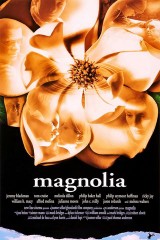
Paul Thomas Anderson. Magnolia. I just really love it. I mean, yeah, There Will be Blood is also a close contender; I love that too. But Magnolia — the audacity of it. I watched that movie and it’s scary by the end of it [laughing]. You’ve gone through this sort of tapestry of humanity that I feel is very hard to match in a lot of cinema these days. He is always surprising me, but that movie just… He finds a way to get the drama — he has a moment where everyone starts breaking out in unified song. And it feels totally authentic and earned. I’ve never seen a movie that does that but didn’t feel indulgent.
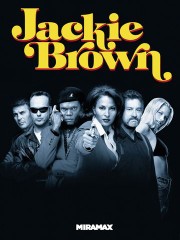
Since I love Quentin Tarantino, I went with Jackie Brown – that’s my favorite Quentin Tarantino film. I could go on and on about why Tarantino is a master of dialogue and writing — I mean I love The Hateful Eight; I think that’s sort of genius of him as a director — but Jackie Brown is such a perfectly contained piece. It’s exciting but also has these perfectly human moments where characters are talking about growing older, and they ally themselves in this plot not because of… I mean there is gain financially and there is gain for personal reasons, but there is also this sort of camaraderie that’s born. It’s also incredibly clever and funny. I just love that. I love the soundtrack as well. You can’t love a Tarantino film and not love the soundtrack. I’m not gonna lie, I’ve strutted down New York City streets to Quentin Tarantino soundtracks! That’s for real. But I mean Jackie Brown is amazing, centered, and [has] these unexpected characters. Samuel Jackson gives the performance of a lifetime.
This week’s Ketchup brings you another ten headlines from the world of film development news (those stories about what movies Hollywood is working on for you next). Included in the mix this time around are stories about such titles as The Little Mermaid, the Blade Runner sequel, and remakes of both Clue and Witness for the Prosecution.
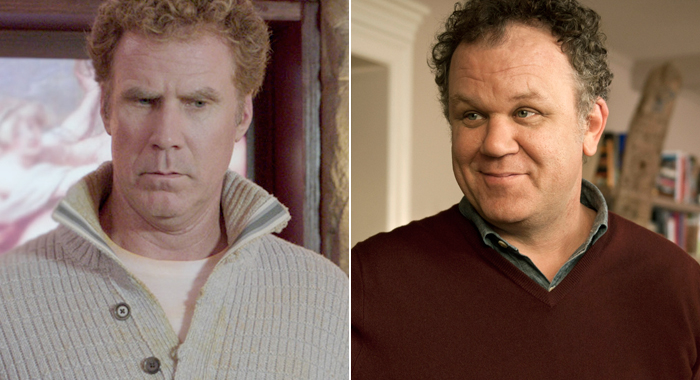
August 4th, 2016 marked the 10th anniversary of the release of Talladega Nights: The Ballad of Ricky Bobby, starring Will Ferrell and John C. Reilly, who also costarred together in 2008’s Step Brothers. Over the last eight years, Ferrell and Reilly have considered other projects to be their third movie together (including the possibility of a Step Brothers sequel), but none of them have come to fruition yet. Based on the language in this week’s announcement, it’s sounding like that third Ferrell/Reilly movie will be a detective comedy called Holmes and Watson. As the title suggests, Holmes and Watson will be based upon the characters Sherlock Holmes and Doctor John Watson, as created by Arthur Conan Doyle, and as previously adapted to film dozens of times. John C. Reilly is actually replacing Sacha Baron Cohen (Borat, The Dictator), who had previously been attached to costar as Watson. In addition to starring, Ferrell is also producing via his Gary Sanchez production company for Sony Pictures, and filming is expected to start later this year after the Thanksgiving holiday. It’s not yet known if Holmes and Watson will retain the 19th century setting of Doyle’s stories, or if the characters will still be British (Ferrell and Reilly are both Americans, but so is Robert Downey Jr). There’s no release date for Holmes and Watson yet, but Warner Bros may give it competition relatively soon, as Robert Downey Jr, Jude Law, and director Guy Ritchie have been talking about making a third Sherlock Holmes movie for a few years now. On TV, the fourth season of the contemporary Sherlock, starring Benedict Cumberbatch and Martin Freeman, is expected to air on BBC and PBS in 2017. Holmes and Watson will be directed by Etan Cohen (Get Hard) from his own screenplay (Cohen also previously wrote Men in Black 3, and cowrote Idiocracy, Tropic Thunder, and Madagascar: Escape 2 Africa).
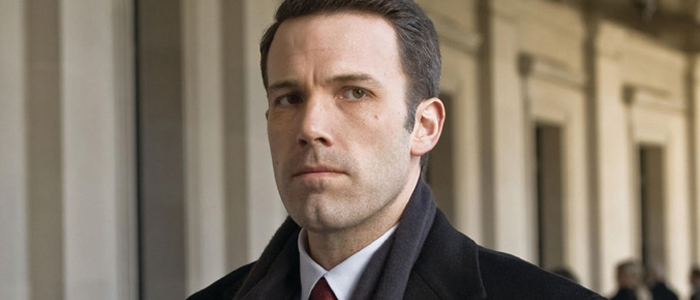
Even as yet another remake (Ben-Hur) goes into the weekend with a Rotten Tomatometer score and low box office expectations, Hollywood is still developing new remakes of classic late-1950s movies. Within the larger trend of remakes, this particular story is part of a more specific group at 20th Century Fox, which has committed to remaking movies based on Agatha Christie mysteries (the first such film being next year’s Murder on the Orient Express, scheduled for November 22, 2017). The 1974 Murder on the Orient Express was nominated for six Academy Awards (and won one for Ingrid Bergman), and this week’s news concerns a remake of another film which was also nominated for six Academy Awards. 20th Century Fox is reportedly finalizing negotiations with their former Daredevil star Ben Affleck to direct and star in a remake of 1957’s Witness for the Prosecution. Although the prospect of a remake of Witness for the Prosecution doesn’t otherwise seem particularly Fresh, Affleck is currently 3-for-3 as a director (Gone Baby Gone, The Town, and Argo are all Certified Fresh). Witness for the Prosection is a legal mystery drama about a man accused of murder whose wife is called to testify against him because she was already married to someone else (making their marriage illegal, and thus, removing the marital legal protections). Sir Charles Laughton played the attorney in the original film, and Tyrone Power (in his last role) played the accused, but it’s not yet known which character Ben Affleck might be playing. Affleck’s next film as director will be Live by Night (1/13/16), and he is also expected to direct the next solo Batman movie (release date TBD), so it may be a while yet before Witness for the Prosecution gets remade.
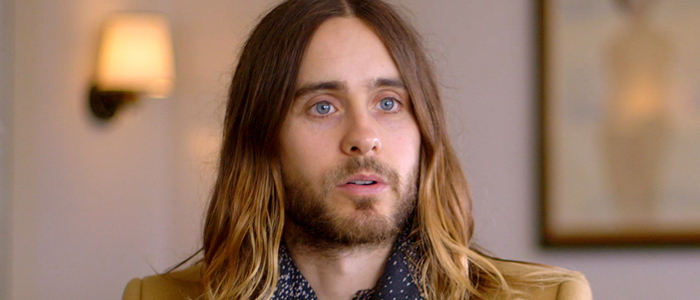
If you only saw one thing in your social networking feed(s) this week about actor Jared Leto, it might have had something to do with his recent supervillain adventure, Suicide Squad. Specifically, at a fan event for his band Thirty Seconds to Mars, Leto was quoted (and caught on video) saying that he felt “tricked” into appearing in the film as the Joker, dropping an “F bomb” directed at his studio employers. All of that may eventually require Ben Affleck and Warner Bros to find a new actor to play the Joker in the solo Batman movie (a la Mark Ruffalo replacing Edward Norton as Banner/Hulk), but that remains to be seen. In the meantime, Jared Leto has joined the cast of the sequel to Blade Runner, which already included Harrison Ford, Ryan Gosling, Barkhad Abdi, Dave Bautista, Mackenzie Davis, and Robin Wright. (Back in 2014, there had been rumors that Gosling might have played the Joker in Suicide Squad before Jared Leto signed on.) Whatever this Blade Runner sequel ends up being called, it will be directed Denis Villeneuve (Sicario, The Arrival) and it is scheduled for release on October 6, 2017.
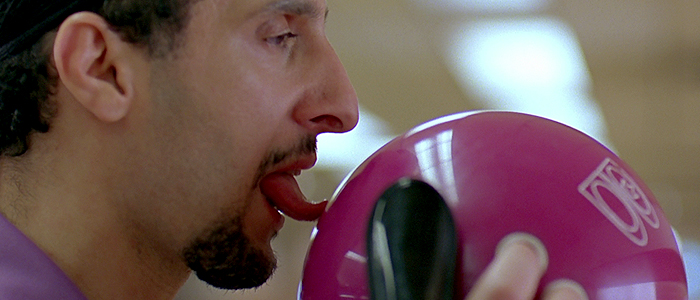
In the 18 years since the Coen brothers directed The Big Lebowski, the film — starring Jeff Bridges as “The Dude” — has taken on a new life as one of the few true cult films of the last 20 years, including festivals devoted specifically to the film, and so, so, so much merchandising. Joel and Ethan Coen wrote, directed, and produced The Big Lebowski based on their own characters, so this week’s news comes as quite a surprise. The Coens have apparently given John Turturro their approval to write, direct, and star in a spinoff of The Big Lebowski, focused on Turturro’s “Jesus Quintana” bowling enthusiast. The independent film in question is called Going Places, and it is also an English language remake of the 1974 French sex comedy Les Valseuses (which is French slang for testicles). John Turturro is already filming Going Places, and other cast members include Bobby Cannavale, Audrey Tautou, and Susan Sarandon. It appears that Turturro is playing the character originally played by Gerard Depardieu in the sex/crime comedy about two criminals on the run who compete for the “romantic” affections of Tautou’s character (with Sarandon playing an ex-con recently out of prison). Although the original has a Fresh Tomatometer score, not all critics agreed; Roger Ebert gave it a score of just 1 star out of 5, writing that it was “the most misogynistic movie I can remember; its hatred of women is palpable and embarrassing.” John Turturro’s remake is a tentative “Fresh Development” based on the Tomatometer score for both Les Valseuses and the Coens’ fan favorite, The Big Lebowski.

The 1989 animated Disney musical The Little Mermaid is widely beloved (and credited for Waking Sleeping Beauty), so it was probably inevitable that the studio’s “live action fairy tale” plans would eventually include The Little Mermaid. We heard as much earlier this year, but this week brought the first substantial news that the studio is actively developing their new Little Mermaid. Walt Disney Pictures has hired longtime Disney composer Alan Menken (whose credits include, yes, The Little Mermaid) and Hamilton star Lin-Manuel Miranda to start work on new songs for the live-action remake. Miranda will also be producing the new film (though it’s unconfirmed whether he will also costar), and it will be the third major project at Disney for him, as he also wrote all of the songs for this year’s Moana, and he will also star in the sequel Mary Poppins Returns. British actor Ben Whishaw (the most recent “Q” from the James Bond movies) also made the news this week because he is now in talks with Disney to costar in Mary Poppins Returns as the adult version of Michael Banks. The sequel is set 25 years later after the movie starring Julie Andrews, with Emily Blunt signed to play the nanny the second time around. Walt Disney Pictures has scheduled Mary Poppins Returns for release on December 25, 2018.

When Disney releases Pirates of the Caribbean: Dead Men Tell No Tales next year (5/26/17), Johnny Depp, Orlando Bloom, and Geoffrey Rush are all expected to return, but one costar of the first film who will not is Keira Knightley. That doesn’t mean, however, that Knightley is any sort of persona non grata at Disney, since the actress made some pretty big casting news at the Mouse House this week. Knightley has signed with Disney to costar in The Nutcracker and the Four Realms, the studio’s live action adaptation of the 1816 fairy tale by E.T.A. Hoffman, The Nutcracker and the Mouse King. Knightley will be playing the Sugar Plum Fairy, and she will join the already cast Mackenzie Foy (as Clara), Morgan Freeman, and Misty Copeland as the lead toy dancing ballerina. Keira Knightley also made the news this week for negotiations to star in an adaptation of the bestselling novel The Aftermath, as one half of a British couple staying in the ruins of Hamburg, Germany, as the rebuilding effort begins in 1946. Alexander Skarsgard (The Legend of Tarzan) is also in talks to star in The Aftermath, as is Jason Clarke (Zero Dark Thirty, Terminator: Genisys).

First, we should note that this week’s news is almost certainly not a spoiler for next summer’s Spider-Man: Homecoming, as it seems extremely unlikely that the trailers wouldn’t be pretty clear about which character we’re talking about. Having said that, since Sony Pictures and Marvel Studios referred to the character in question as “Michelle” (not really her name), we want to respect whatever secrecy they’re striving for. The movie blog The Wrap has confirmed through two sources in the know that the character 19-year-old Disney star Zendaya will be playing in Spider-Man: Homecoming is none other than future romantic interest Mary Jane Watson, a role previously played by Kirsten Dunst in Sam Raimi’s trilogy. As for the expected “internet outrage,” as Devin Faraci of Birth.Movies.Death puts it, “You thought the internet got upset when they cast people with the wrong hair color, imagine how Reddit is gonna react to this.” Mary Jane Watson will not be the only traditionally white character who will be played in Spider-Man: Homecoming by an actor of a different race, as Zendaya’s costars include Tony Revolori (Flash Thompson), Jacob Batalon (Ned Leeds), and Laura Harrier (Liz Allan). Marvel and Sony have scheduled Spider-Man: Homecoming for release on July 7, 2017.
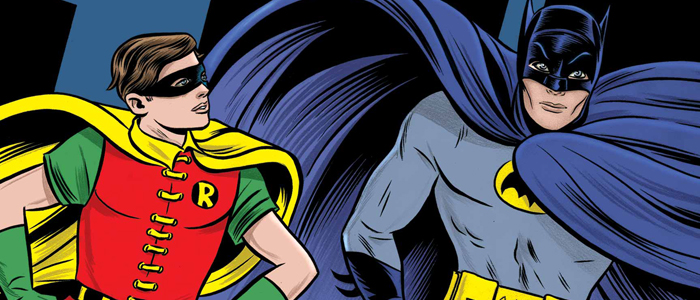
After the two “grimdark” films directed by Zack Snyder (Man of Steel – 55 percent Rotten, and Batman v Superman: Dawn of Justice – 27 percent Rotten), Warner Bros and DC Comics recently gave us another grimdark film (with a few more jokes) in Suicide Squad, and critics gave it the lowest scores of the three. The verdict is (obviously) still out on the next few DC Comics movies (next year’s Wonder Woman and Justice League), but Warner Bros gave a brief theatrical release to their latest animated movie, and it was also critically ill-received. Despite its title — borrowed from Alan Moore’s 1980s story — Batman: The Killing Joke had very little humor and a tacked-on first half hour which drifted far afield from Moore’s version, and critics gave it a Rotten 48 percent score. So, since the dark and serious thing doesn’t appear to be working (at least not critically) for Warner Bros and DC Comics, perhaps that’s why the studio made the surprise announcement this week that their next animated film will see a drastic return to arguably the most lighthearted version of Batman ever. Adam West, Burt Ward, and Julie Newmar will be providing their voices for Batman: Return of the Caped Crusaders, a new feature length animated adventure which will revive the 1960s TV versions of Batman, Robin, and Catwoman (with other newer actors voicing characters like the Joker, the Penguin, and the Riddler). This decidedly lighter animated movie will premiere on digital HD on October 11th and on Blu-ray on November 1, 2016. It is not yet known if Warner Bros plans on giving Batman: Return of the Caped Crusaders a theatrical release, but we didn’t expect one for Batman: The Killing Joke either when it was first announced.
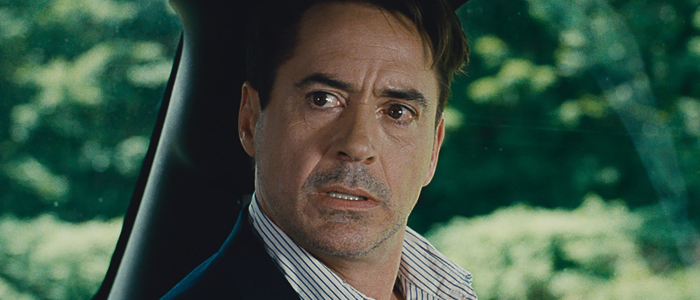
Sometimes when we set out to say movie news stories are Fresh or Rotten, it’s not exactly that simple. For example, what might be “bad” for the movie might be “good” in other ways. We’re wrapping the column this week with two announcements about projects that were formerly “movies” which will now be going to television instead (and who knows, they might be great TV shows). The spin we’re going to put on both is that if you’re a fan who was really looking forward to seeing these as movies, then it’s bad news for you (and potentially good news for other people). First up, there’s the long-in-development adaptation of the TV series Perry Mason, which Robert Downey Jr is producing and will star in. It’s now sounding like RDJ’s Perry Mason project will instead be developed as a series for HBO, and not as a theatrical film. The first step is to write and produce a pilot for HBO, and that’s what Downey’s partners are now working on, it seems. A similar project (which is further along) concerns the future of Tom Clancy’s Jack Ryan, after the relatively recent movie starring Chris Pine was something of a box office bomb. Amazon has given the greenlight to a 10-episode season of Jack Ryan, with John Krasinski the latest actor to try his hand at going where the likes of Harrison Ford, Alec Baldwin, and Ben Affleck have been in the past.
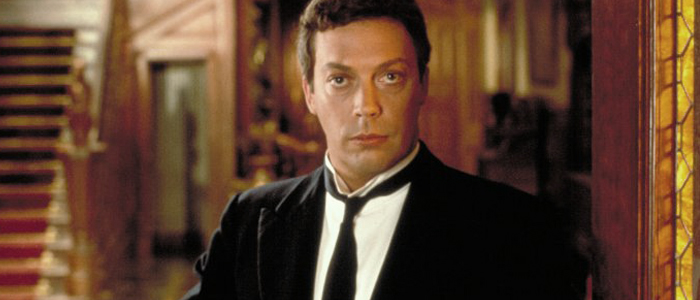
Back in 2008, Universal Pictures and Hasbro (the toy/game company) announced an ambitious development slate which included Monopoly, Candyland, Magic: The Gathering, Stretch Armstrong (all of which didn’t happen), and Battleship and Ouija (both of which did happen). Among the listed projects was also a new movie based on the board game Clue, following the popular 1985 film starring Tim Curry, Christopher Lloyd, Madeline Kahn, and several others. A few years later, however, Universal Pictures put the Clue movie into turnaround (which basically means other studios can pick up the rights, sometimes at a discount). It took a few more years, but this week, it was revealed that another studio is indeed now developing a new Clue movie. The rights to Clue have landed at Fox, but the details about what they’re planning make it difficult to exactly call their Clue a “remake.” Instead of centering on a murder mystery at a mansion (which the first movie did as a fairly direct adaptation of the game), this new project will be a “worldwide mystery… with action-adventure elements, potentially setting up a possible franchise that could play well internationally.” Put another way, this sounds like a Clue movie which is not really a Clue movie, in which the real mystery would be why it’s even called Clue.
This week on streaming video, we’ve got some beloved classics from the 1980s and 1990s, a handful of fan favorites, and some worthy recent indies, among others. Read on for the full list.
Steven Spielberg’s family classic — the tale of a young boy named Elliott who discovers an orphaned alien in his backyard — boasts one of the most beloved movie characters in history.
Available now on: Netflix
This psychological thriller centers on a deaf writer who is terrorized by a masked man who traps her in her remote house in the woods.
Available now on: Netflix
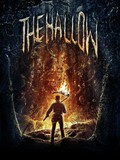
This horror film revolves around a scientist whose study of an Irish forest conjures an assortment of malevolent supernatural beings.
Available now on: Netflix

In this romantic comedy from South Korea, a man who wakes up each day in the body of a different person must figure out how to return to his own body and reunite with his beloved.
Available now on: Netflix
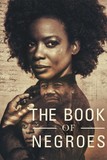
Aunjanue Ellis stars in this BET original period miniseries about a black woman during the Revolutionary War whose help is enlisted to secure freedom and passage to Nova Scotia for British Black Loyalists.
Available now on: Hulu
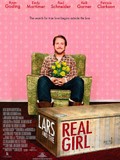
Ryan Gosling, Emily Mortimer, Patricia Clarkson, Kelli Garner, and Paul Schneider star is this dramedy about a socially-withdrawn twentysomething who treats a life-size sex doll as his girlfriend.
Available now on: Amazon Prime
Sometimes, there’s a movie. And I’m talkin’ about The Big Lebowski here. Sometimes, there’s a movie, well, it’s the movie for its time and place. It fits right in there.
Available now on: Amazon Prime
Matthew Broderick stars in John Hughes’ 1980s classic about a teenage iconoclast who takes his best pal on a wild tour of Chicago in an effort to cheer him up.
Available now on: Amazon Prime
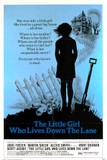
Martin Sheen and a young Jodie Foster star in this psychological horror film about a young girl who harbors a dark secret about her absent father.
Available now on: Amazon Prime
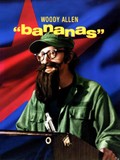
In this early comedy from Woody Allen, a neurotic New Yorker inadvertently becomes the leader of a South American country, and hilarity ensues.
Available now on: Amazon Prime
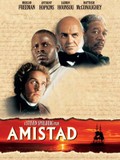
Matthew McConaughey, Morgan Freeman, and Anthony Hopkins headline Steven Spielberg’s Certified Fresh historical drama about a mutiny aboard a slave ship in 1839 and the court battle that ensued.
Available now on: Amazon Prime

Tom Hanks and Meg Ryan star in Nora Ephron’s romantic comedy about two rival bookstore owners who unwittingly fall in love with each other online.
Available now on: Amazon Prime
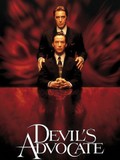
Keanu Reeves, Al Pacino, and Charlize Theron star in this thriller about a young hotshot lawyer who suspects his new boss is more than merely an attorney.
Available now on: Amazon Prime
For more than two and a half decades now, Joel and Ethan Coen have been thrilling critics — and, here and there, audiences — with their distinctive blend of dark humor, colorful violence, and singular visual flair. Not all of the Coens’ films have been critical darlings (alas, poor Ladykillers), but with lifetime Tomatometers above 80 percent, the brothers are easily two (or is that one?) of the most respected directors in the business. Their latest effort, Hail, Caesar!, hit theaters this week, and to celebrate, we’ve collected their most definitive directorial efforts, Total Recall style!

Combining the shocks of a slasher film with the moral ambiguity and twisty plotting of film noir, the Coens’ debut, Blood Simple, shook American independent cinema to its core. Creepy and deliriously malevolent, it’s the story of a bar owner who hires a sketchy private eye to kill his cheating wife (Frances McDormand); double and triple crosses and bloody mayhem ensues. With their first film, the Coens showed an aptitude for the stylistic quirks that would become their trademark — namely, a love of the ghoulish balanced with a loopy sense of humor. The Palo Alto Weekly’s Jeanne Aufmuth identified what would become recurring themes in their work when she wrote, “The Coens’ complicated sense of the surreal is consistently entertaining, down to the fleeting, oddball cameos and distinctly weird scripting.”

The first Coen brothers film to display their knack for quirky comedy, Raising Arizona helped seal the filmmakers’ reputation and cement their loyal following. Nicolas Cage and Holly Hunter are brilliantly cast as a cop and ex-con husband/wife duo who resolve their infertility with kidnapping. Though not their biggest hit, it’s infinitely quotable (“Edwina’s insides were a rocky place where my seed could find no purchase”), and the original score by Carter Burwell is not to be ignored. As the New Times’ Luke Y. Thompson ruefully sighed, “Nic Cage may never be better.”

As an homage to classic gangster movies, Miller’s Crossing is hypercharged; the language is harsher, the violence more brutal, the plotting more labyrinthine. Albert Finney and Gabriel Byrne star as Irish mobsters, threatened externally by the Italian mob and internally by their shared love of a woman (Marcia Gay Harden). This intriguing tale of loyalty features impeccable 1920s decor and a streak of dark humor; it’s arguably the Coens’ most straightforward work. Combustible Celluloid’s Jeffrey M. Anderson concluded, “it’s one of their best, most cohesive films and it holds up to repeated viewings.”

Legend has it the Coens had such a bad case of writers’ block while writing Miller’s Crossing that they took three weeks off to script Barton Fink, a 1930s-set black comedy about — what else? — a Hollywood scribe with writer’s block. A fledgling New York playwright who sells out (at the cost of… his soul!) and moves to the City of Angels, Barton Fink (played marvelously by Coen regular John Turturro) holes up in the seamy Hotel Earle, where exquisitely dismal wallpaper peels off the walls as a heat wave sweats the city. The mercury rises further when Barton’s gregarious neighbor (John Goodman) is around; almost hellishly so, you might say. But as every smart filmmaker is wont to do, the Coens offer no overt explanations of what’s really going on — just a well-told tale with visual imagery aplenty, and an ode to the sometimes infernal nature of the creative process. Describing it as “gnomic, claustrophobic, hallucinatory, just plain weird,” Time’s Richard Schickel lauded Barton Fink as “the kind of movie critics can soak up thousands of words analyzing and cinephiles can soak up at least three espressos arguing their way through.”

Prior to No Country For Old Men, the macabre, pitch-black comedy Fargo was the Coens’ most decorated film, with seven Oscar nominations and two wins: Best Actress (Frances McDormand) and Best Original Screenplay. Fargo details a ransom kidnap scheme gone wrong, with very pregnant cop McDormand investigating the crime as the bumbling perpetrators attempt to cover their tracks. The Coens’ bleak humor and taste for blood and violence never mixed as well as it did in Minnesota, so the people over at FX decided to create an offshoot television series — with the Coens on board as executvie producers — and it’s gone on to win some awards of its own. According to Kevin N. Laforest of the Montreal Film Journal, “This is truly a brilliant film, the kind you don’t see often. Intelligent, raw, funny, daring and unique, pure cinematic delight from start to end.”

Though many of the Coens’ films can be labeled cult classics, perhaps none embody the term more than The Big Lebowski. Jeff Bridges stars as pot-smoking slacker hero Jeffrey “The Dude” Lebowski, who seeks restitution for his rug, urinated on by a pair of gangsters who mistook him for a different Lebowski — namely, the “big” one (played by David Huddleston). Along with his bowling buddies, The Dude embarks on a wild chase that’s as funny, depraved, and plain unpredictable as Los Angeles always feels like it should be. Not all critics were willing to join The Dude’s steadily growing cult — Todd McCarthy of Variety sniffed that the movie “Adds up to considerably less than the sum of its often scintillating parts” — but in the end, as Chuck O’Leary of FulvueDrive-in.com wrote, “It’s pretty much impossible not to love The Dude.”

With O Brother, Where Art Thou?, the Coen brothers took their thriller tropes (ill-fated criminal plans, ironic stereotypes, and a detached tone) and magically applied it towards an Odyssey-inspired farce. Starring George Clooney as the beleaguered but resourceful Odysseus, O Brother is a sepia-toned fantasia of throwaway jokes, slapstick, and killer bluegrass. In fact, the music proved popular enough to spawn a virtual cottage industry with multiple soundtracks, a documentary, and even a national tour. “The surprise is how much fruitful digression such plotlessness makes possible,” quipped Geoff Pevere of the Toronto Star. “With no particular place to go, this hobo of a movie is free to roam the damnedest places.”

Though the Coens have long been revered for their intermittently manic and macabre storylines, they’ve never made Oscar bait. It’s perhaps logical, then, that the massive Academy sweep they enjoyed with No Country for Old Men seemed like overdue praise. In No Country, based on the stoic anti-western novel by Cormack McCarthy, Josh Brolin’s protagonist sees a way out of his trailer in a bag of bloodied bills. Chance and destiny are invoked in the most resonant, least pretentious way in the sinister form of Anton Chigurh (Best Supporting Actor Javier Bardem), the hit man who coldly and relentlessly hunts Brolin’s Llewelyn. No Country is impeccable: the cinematography is breathtaking, the dialogue efficient, and the direction assured. Yet instead of the terse comic punch we’ve come to expect from the Coens, No Country takes a more dangerous tack with its morbid themes. With all the cards (and coins) falling tidily into place, this film presented the brothers as a truly mature filmmaking team, possibly at the peak of their careers — a sentiment echoed by Peter Keough of the Boston Phoenix, who proclaimed, “No Country for Old Men is the brothers at their most polished, austere, and humorless.”

It takes some major stones to step into John Wayne’s boots for a remake of one of the Duke’s classic pictures, so even if the Coen brothers’ True Grit had well and truly stunk, we’d have to give their version credit for having something extra in its saddlebag — namely Jeff Bridges, who took the role of the cantankerous Rooster Cogburn and made it his own. Of course, it didn’t hurt that Bridges (in vintage late-period marble-mouthed form) was surrounded by an ace supporting cast that included Matt Damon and Hailee Steinfeld, or that the Coens went back to Charles Portis’ original novel for inspiration; in the end, the result was a career-launching hit for Steinfeld, a mainstream hit for the Coens, and another critically acclaimed outing for Bridges — all of whom earned Oscar nominations for their work. As Claudia Puig observed for USA Today, “Joel and Ethan Coen have pulled off an impressive feat: repurposing a classic film with their idiosyncratic blend of dark, deadpan humor and palpable suspense, while remaining ultra-faithful to the novel.”

A brilliantly cast ensemble period drama shot through with pitch-black, borderline misanthropic humor and topped off with a killer soundtrack, Inside Llewyn Davis checks off any number of the boxes filmgoers have learned to associate with the Coen brothers, so it’s very much to the film’s credit that it somehow manages to feel fresh anyway. This is due in no small part to the work of Oscar Isaac, who plays the titular struggling folk musician with an utter lack of vanity while infusing the character with enough essential humanity to temper his overall lack of likability — and to the Coens’ screenplay, which serves as a savagely honest, yet ultimately affectionate, look at the self-delusional struggle for artistic purity as a means to its own end. “It may be the Coen Brothers playing well inside their comfort zone,” wrote Scott Mendelson for Forbes, “but what a fine and thoughtful comfort zone it is.”

(Photo by Andrew H. Walker / Staff / Getty Images)
He’s the son of the nicest guy in Hollywood, Tom Hanks, but Colin Hanks has carved out a distinctive niche of his own in the movie business. He made his debut in That Thing You Do! and broke out as a star in his own right in 2002’s Orange County. He’s worked steadily in film and television, including gigs on Roswell, The Good Guys, Dexter, and Fargo, and he can currently be seen on the sitcom Life In Pieces. After directing a documentary short last year, Hanks’ first documentary feature film, All Things Must Pass: The Rise and Fall of Tower Records, opens this Friday. We spoke with Hanks about his Five Favorite Films and the allure of Tower Records.
Let’s start with The Big Lebowski. I remember seeing this film. I was studying in Germany at the time, and I remember loving Fargo so much — that was my first introduction to the Coen brothers — and I was so excited that they had a new movie out. So I went to some German cinema to go see The Big Lebowski. It was in English, but with German subtitles. I remember watching the movie and just being incredibly disappointed. I really did not like the movie. Probably about four years later, I rewatched it and I instantly said, “I’ve never been so wrong in my entire life.This is one of the funniest films I’ve ever seen.” It’s incredibly well-written, the characters are hilarious, the performances are so nuanced and so deep it’s almost mind-boggling. A lot of the times you do scenes and you just sort of come up with these happy accidents and it just seems like almost everything in there could not have been a happy accident; surely it must have been thought out. I just think it is such an original, fun film and it is quite honestly one of the most quotable films of the last fifty years in my opinion. I think there are so many quotes in there that I realized how foolish I was that first time. I think maybe I was just so excited that I was drinking a beer in a movie theater; maybe that’s why.
Pulp Fiction was a very big deal for me. That was the first film I remember seeing where I felt compelled to have a conversation afterwards with anyone who saw it. Prior to that, I was still a young kid; I was still in high school, and I would see movies and I would be like, “Oh that was great,” and move on. But that was one that stuck with me for so long; the performances and the dialogue were just so memorable. I just wanted to talk to whoever had seen it. I just felt like it was something you needed to talk about. And obviously that was a film that really changed the direction of film history for a great many people, myself included.
I really, genuinely don’t like favorite lists because you always leave stuff out. So there are a lot of important films I could put in like The Godfather Part II, perhaps, or The Godfather Part I, but I’m going to go with The Empire Strikes Back for number three only because it’s Empire Strikes Back! I don’t think I need to say why. It’s so good. It takes what arguably could be just a simple science fiction movie and really takes it to this other place that is just so engaging and so believable and dramatic as well. Not overly dramatic, but dramatic. I love that film a great deal.
Number four would be Dazed and Confused. That was the movie that you saw and you wished it were your life. [laughs] That was a movie that I would watch all the time. I had it on VHS and whenever I was lonely, I’d throw it on. Whenever I wished I was out and about with friends from school, I would just throw that on and felt like I knew [the characters]. That was just one of those films that I just related to at that time. It was incredibly important and it’s another quotable film. I love it.

The last film I’m going to list is a documentary about Red Hot Chili Peppers recording Blood Sugar Sex Magik that was called Funky Monks. It’s about an hour long, it’s shot in black and white, and it’s about them recording Blood Sugar Sex Magik in this house in Beverly Hills. Blood Sugar Sex Magik was arguably the most important album of my young adult life. It sort of put me on my musical path. I guess now, looking back on it, it’s not at all ironic that Funky Monks was the first documentary that I ever watched. It sort of set me on a documentary path, where it wasn’t just narrative movies that interested me, but also real-life stories told in documentary form were now available to me. It greatly influenced me, not only in the Tower Records documentary, but also in all the documentary work that I’ve done. It is, I find, an incredibly engaging film about a subject that I am very passionate about, which is that particular record, and that particular time, not only for that band, but for music in general.
Marya E. Gates for Rotten Tomatoes: What is it about Tower Records that moved you to make a documentary on the company?
Colin Hanks: I spent a lot of time at Tower Records. I bought the Red Hot Chili Peppers doc there. I bought albums there. It was very instrumental for me growing up. I didn’t have a sweet tooth, so I spent all my money at the record shop, not at the candy store. So Tower was one of those places where you could really discover yourself and decide who you wanted to be. I was able to do that at Tower Records, and although I have a deep connection to the store, there was a lot about it’s history that I didn’t know and I saw an opportunity here in which here’s this incredibly beloved company, that everyone sort of thinks they know what the history is, and chances are they don’t. Chances are, there’s a lot about its history that people are not aware of, that is not only engaging storytelling, but also the characters that worked at Tower, the people that shopped at Tower, the people that spent 30, 40 years of their life working at this company, they’re all incredibly engaging, fun people to speak with. I hope that when people see the film, they not only learn a little bit about a company that they thought they knew a lot about, but hopefully they realize that Tower closing its doors wasn’t just a big company, some faceless corporation, but it was actually people that had spent 30, 40 years of their lives getting to know each other, getting married, having kids, getting divorced, going through all of the big moments of their lives and then all having to fire each other, and how difficult that was. Hopefully it puts a little personal perspective onto a company that a lot of people have a great affinity for.
All Things Must Pass: The Rise and Fall of Tower Records opens this weekend in limited release.
Life in Pieces airs on CBS at 8:30/7:30c on Mondays.
Marjane Satrapi’s dark comedy starring Ryan Reynolds is the only brand new release available to stream this week, but the entire Star Wars series is also newly available, as well as some choice selections on Netflix, like The Big Lebowski, Gladiator, and American Psycho, just to name a few. Read on for the full list.

If you’re looking forward to the new chapter in the Star Wars saga coming this year, you might be interested in rewatching all six previous installments. And now you can, thanks to a few streaming providers. (Available beginning on April 10.)
Available now on: Amazon, iTunes, Vudu, Google Play

74%
Ryan Reynolds, Gemma Arterton, and Anna Kendrick star in this pitch-black comedy about an oddball factory worker with a collection of severed heads in his freezer.
Available now on: iTunes, Vudu, Google Play

In this quasi-autobiographical FX series, Louis CK plays himself, a stand-up comedian and single dad living in New York City.
Available now on: Netflix

79%
Sometimes, there’s a movie. And I’m talkin’ about The Big Lebowski here. Sometimes, there’s a movie, well, it’s the movie for its time and place. It fits right in there.
Available now on: Netflix

78%
Clint Eastwood directed himself and a crew of other grizzled old men like Tommy Lee Jones, James Garner, and Donald Sutherland in this drama about grizzled old astronauts heading into space to repair a satellite.
Available now on: Netflix

74%
This sci-fi horror hybrid tells the tale of an ambitious actress who is unwittingly enlisted by a sinister organization for a strange performance.
Available now on: Netflix

70%
Hey man, remember when Shymalan was good? Remember Unbreakable, man? Bruce Willis as a pseudo superhero and Samuel L. Jackson as the dude with, like, really bad osteoporosis?
Available now on: Netflix

68%
You like Huey Lewis and the News? Their early work was a little too new wave for my taste, but when Sports came out in ’83, I think they really came into their own, commercially and artistically.
Available now on: Netflix

65%
Ed Zwick’s period drama has everything you want in a samurai film: swords, honor, kimonos, redemption, ritual suicide, and Tom Cruise.
Available now on: Netflix

Robin Williams and Sarah Michelle Gellar star in this sitcom about a wild advertising executive and his pragmatic daughter.
Available now on: Netflix

With an impressive career spanning 50 years, Jeff Bridges started out as a young whippersnapper on his dad’s 1960s TV series, The Lloyd Bridges Show. Since then, he’s starred in classics such as Tron, Bad Company, The Fabulous Baker Boys and The Last Picture Show, for which he was Oscar-nominated. But he will continue to be best remembered for his iconic turn as The Dude in the Coen Brothers’ The Big Lebowski.
This month, Bridges received his fifth Oscar nomination for Scott Cooper‘s Crazy Heart. He stars as down-on-his-luck country singer “Bad” Blake and is favourite to take home the statuette for a brilliantly vanity-free performance. RT grilled him about the role, and about the forthcoming Tron Legacy and True Grit.

[tomatometer]MuzeID=1200453[/tomatometer]
Jeff Bridges: That’s not really important to me personally. But it would be great because the more attention I get for this role, the more attention the movie gets.
JB: My dad loved showbiz and he encouraged all of us to go into it. One of the toughest things in acting is getting your first job so I’m a product of nepotism, basically. As a kid, I didn’t enjoy having a famous parent. But, looking back, I’m glad I listened to the old man. If I hadn’t, I might have gone down the music path because that’s what I loved.
JB: Very much so. I put an album out a few years ago, called Be Here Soon. It’s wasn’t quite like Bad Blake, but my Beatle moment was when I played the Lebowski Fest. It was wild: I played to a sea of Dudes. Very surreal, but it was wonderful.
JB: It was a double-edged sword. Obviously it’s fun to let yourself go and eat that pint of Haagen Dazs, but being healthy feels the best. Sobriety and health is the greatest thing. I’ve got to watch my back, so I can’t put on too much weight.
Jeff Bridges and Maggie Gyllenhaal in Crazy Heart.
JB: No, I never drink while I’m working. But one of the ways I prepare for a part is to think about what I put in my body. So I would definitely have that second drink the night before. A little hangy would work for the role. It was great being able to have that input because Scott Cooper is a first-time director. His directing style was very inclusive. He even allowed me to come in during the editing process. Not that he would just roll over, but he was very open to our ideas.
JB: I have thought about it, but I might be too lazy. Directing takes a lot of time. You spend three or four times as long on a film as an actor does. And I feel that I’m getting my vision realised in my acting already, especially working with guys like Scott who let me have a lot of input. If I find something that really grabs me, maybe I’ll do it.
JB: He was a joy. I met him the day before we started filming and we’re supposed to have had this long relationship so we had to establish that. There are some actors that want you to call them by their character’s name and they have no relationship with you outside of the character. But I like to get to know who I’m working with so that we can relax together, and it’s more fun. Colin works that way too.
Jeff Bridges in Crazy Heart.
JB: I don’t think about it in those terms. In fact, I’ll try my damndest not to do a movie because I know how much effort it is. Work takes me away from my wife, Sue, and my life in Santa Barbara. I realised the other day that, last year, we were apart for 11 months. But I was offered four movies that were just too interesting to turn down. It’s like that line in The Godfather: “make him an offer he can’t refuse.” Sue agreed that I couldn’t turn them down but it is hard being away from her. So, usually, I do my best to not work at all. That’s the Dude side of me.
JB: It’s really terrific to be working with the Coen brothers again. They’re masters. They make it look so easy. They’re doing a Western, which is something they’ve never done before, and I love making Westerns. It’s a great cast too: Matt Damon and Josh Brolin. I’m really excited about it.
JB: It couldn’t be more different. Like the original Tron, it’s all about cutting edge technology and we used some of this motion capture thing. You have to dress in a leotard with sensors all over it, with 200 dots on your face and a helmet. You don’t have the benefit of costumes or location: it’s all in your mind. Then everything is done in post-production. I have no idea how it’s going to turn out. With King Kong in 1976, I was acting at blue screen so you don’t really know what you’re reacting to. But this is like a whole new deal. It’s getting weird, man. It’s just crazy.
JB: You just have to work with your discomfort. Being pissed off that you don’t have a costume is counterproductive. It’s challenging, but you have to dance the dance that the band’s playing. You can’t say: “I came here to Cha Cha and they’re playing a Waltz, godammit!”
Crazy Heart is released on March 5th.

If you flick through the celebrity pages of most British newspapers — particularly the free sheets — you’ll likely recognise Jaime Winstone. As Ray Winstone‘s daughter she’s part of that select set of star children — think Peaches and Pixie, Lily and Alfie, Kelly and Jack — with whom the tabloid press seem to have a keen fascination; especially when it comes to photographing them on nights out at hip London clubs. At 23 years old, it’s no surprise Winstone enjoys having a good time of an evening, but it’s her daytime activities which are becoming increasingly more interesting.
As an actress, she made her debut only 5 years ago, alongside Ashley Walters in powerful Brit drama Bullet Boy, and she’s been quietly building a solid body of work ever since. She played as part of the ensemble cast of Noel Clarke‘s Kidulthood, tried her hand at horror with Donkey Punch and Dead Set, and shared the screen with David Suchet in Poirot.
Her five favourite films reveal her passions, her upbringing and the steps that brought her into the industry, and her latest project, Boogie Woogie, released later in the year, promises to continue her quest to be taken seriously as an actress, not just a celebrity. Co-starring Gillian Anderson, Heather Graham and Danny Huston, Winstone plays a manipulative young British artist, and recently attended the film’s premiere at the Edinburgh Film Festival, where RT sat down with her.

La Haine

The Big Lebowski

Lawrence of Arabia

Total Recall

Pulp Fiction

“It’s definitely up there because of the cinematography, the cultural references, the graffiti, and the art. It’s that kind of high-standard indie film and the French make such beautiful films anyway. They seem to be in a league of their own. All the references to the riots and the times and what was going on, that’s particularly why I love that film.”
La Haine
The Big Lebowski
Lawrence of Arabia
Total Recall
Pulp Fiction

“Jeff Bridges is amazing. The cast, the script; it’s written so well in terms of characters. It’s genius, it’s funny, and it’s wacky. It’s about a big stoner, man, and it’s just really great.”
La Haine
The Big Lebowski
Lawrence of Arabia
Total Recall
Pulp Fiction

“It was one of the first films I ever watched when I was young. It really had impact. The music just carries you while you’re sitting there watching it. I remember watching it with my dad, actually sat on my dad’s belly, and saying to him how much I loved it!”
La Haine
The Big Lebowski
Lawrence of Arabia
Total Recall
Pulp Fiction

“I’m a total sci-fi freak, particularly when it comes to Arnie and machine guns. It’s just brilliant — genius. ‘Give those people air,’ and all that. I just love it. I love the mutants too. It’s like an old comic book that’s been turned into a film.”
La Haine
The Big Lebowski
Lawrence of Arabia
Total Recall
Pulp Fiction

“I’m thinking of a bunch of gangster films I’d like to include, like Bronx Tale is a particular favourite, but my final choice is Pulp Fiction. It’s a film I never get bored watching. It’s shocking, it’s stylised, it’s clever and the soundtrack is kickass.”
La Haine
The Big Lebowski
Lawrence of Arabia
Total Recall
Pulp Fiction
Continue onto the next page for our exclusive interview with Jaime as she talks about spending time on sets with dad and how she got into acting.

[tomatometer]MuzeID=1164674[/tomatometer]
Jaime Winstone: I don’t really know, to be honest. When I was younger I never said, “I want to be an actress.” I always wanted to be involved in the production side — putting on a play or getting involved with the clothes or whatever — but I could never really see myself acting. I’d do creative stuff, in drama class, but I’d never be the one to say, “Oh, can I be up front,” because that’d make me cringe. But Des Hamilton, the casting director, got me in for Bullet Boy, and it just went from there. The illusion of being an actress and being completely dramatic and loving the attention is not that true, you know, there are a lot of actors I know who are extremely shy. And I sometimes fit into that bracket, when it comes to acting I love it and I take it very seriously. I knew as soon as I was in front of the camera that it was right and I was in my right shoes.
I grew up heavily into horror films. When I was younger, that was basically all I watched. And Lawrence of Arabia! [laughs] I was really into my Freddy Kruegers and my zombie films and I was always fascinated with moving image and movies. With the escapism you get when you go to the cinema, when you sit in your darkened room and watch a film. It can take you out of your world for a little bit, and I think that’s the extended passion of why I do it, because I get to become someone else for however long. You can experiment in another world and find what you can draw from a particular character. I think we’re very lucky to be able to do that for a career. Some might take it for granted, but I love it.
Winstone in Noel Clarke’s Kidulthood.
JW: Quite a bit, actually. When I was younger I remember spending a lot of time in theatres watching my dad, because he went through a bit of a theatre stage. I was completely on set throughout most of my dad’s career. I was heavily involved in Nil by Mouth and I was living with my dad and Gary Oldman while we were shooting that. It was a bit bizarre and weird and I didn’t really know what was going on!
I went to do a bit of work experience in Prague Film Festival and got a bit of a view on how the big machine turns and how films are actually made on set. How that runner rigs that certain light and how that light affects that certain area. I was educated when it comes to film. I think that’s why I’m so confident that this is what I want to do. I’ve been lucky enough to experience the full effect of filmmaking. Some people come out of drama school and think, “Right, I’m off to be a big star,” and hardly any of them have stepped foot in a studio before.
I guess I don’t really have that fear, you know. I did running on a Scorsese film, getting people teas and coffees. I spent time on the Indiana Jones set with my dad. You get a sense that on those giant films, the scale of it is so huge but it still ticks like any other films. It’s still a group of people getting together; it’s just that they have a lot more money, a lot more power and a lot more time, which a lot of films I’ve done haven’t. I’ve seen quick, short independent film sets with British money where the turnaround is very quick, and then watching a massive film with Spielberg planning two days for one scene.
I do feel I’ve had a lot of experience and influence that’s helped me, not necessarily get my foot in the door, but helped me understand what it is I want to do.
Continue as Winstone talks about her latest film, Boogie Woogie, and working with Hollywood’s finest.

[tomatometer]MuzeID=1201575[/tomatometer]
JW: Definitely. You’ve got to work, at the end of the day, and this year’s been tough for the industry I think, but it’s still going. In terms of making choices, I’ve always had that support from my dad and my family and my agent to stick to what I want to do and not sell out and take the next big film that comes along. Don’t get me wrong, that can be great, to do a really big film, but at the moment I think it’s time that I carve out my career and the make the films people will remember. I hope I’ve got a good body of work already.
It’s quite an important stage for me. I’m 23 and I’m making that transition from a girl to a woman and I want to have some good stuff under my belt. It means holding your breath a little bit and being a bit patient — going a bit insane — but it’s worth it because when you get that good job, you feel it’s right.
Everything that’s happened in my career up until now has been very organic and it’s happened naturally through meeting someone and really hitting it off and then going off to do a film with them. I feel my conscience is quite clear with that and I’m confident about the work.
JW: Boogie Woogie is about the art scene in London as a whole. It explores the lives of art dealers, art exhibitors, art buyers, art victims. It’s about the characters in that art world. I play a young artist, kind-of a Tracey Emin vibe. It’s a complete ensemble piece, so it goes through all these different people’s lives and the ups and downs of the fierce art world. It’s amazing how a piece of art is supposed to be moving and touching but when you get to the core of it it’s just fucking expensive.
I play a young video artist who self-documents her life and exposes everybody she comes across. She’s a fierce and completely sexual lesbian. She uses her sexual aura to draw people in and uses it as a weapon. Documents their feelings and her feelings and is looked upon as a dedicated artist. It’s quite clever and conniving of her. A lot of time art doesn’t have room for humanity, it just is. If it’s disgusting, that’s the art — it’s supposed to make you feel sick. Her pieces have a lot of those sorts of moments. She goes deep with it, exposes her girlfriend’s life, makes her look like a fool and sells it on and gets picked up by Vanity Fair. That’s the way it goes, usually. You know, the tough guys, the nasty guys in art tend to come out shining. It’s not like the real world.
With co-stars Alan Cumming and Jack Huston at the Edinburgh photocall for Boogie Woogie.
JW: Totally. To work with Danny [Huston] was pretty amazing. He’s got a great energy. He’s the main art dealer in town, Art Spindle. Amanda [Seyfried] is really sweet and very nice. I really got on with Heather [Graham], she’s a lovely, lovely girl and totally beautiful. Jack [Huston] was so funny and Gillian [Anderson] I just think is fantastic. She’s got such a great range. I was a huge fan of hers from The X-Files! To be on the same screen as Sir Christopher Lee and Joanna Lumley was just amazing. Alan Cumming and I are very close in the film, and we got on really well.
I’ve also just worked with David Suchet on Poirot, and yeah, when you’re working with people like that they draw you in and you draw from them. You’re in awe — they’ve been doing this for years and they still have the same passion. And they’re not, you know, thespians; they’re real actors. Just by watching the way they stand, they know what they’re doing, and it’s really inspirational. You have to up the standards, too. If you don’t know your lines and David Suchet’s standing there, you’re going to look like an absolute idiot! But, you know, I’m ready to meet that challenge now and I’m ready to up my game a little bit.
Boogie Woogie will be out later this year.

Diego Luna is bristling at RT’s suggestion he pick just five favourite films. “It’s really unfair to have to say only five films,” he complains as he picks his final choice. “This barely covers my life; I’m up to about the age of 16 by the end of the list!”
The 29-year-old has been acting since before 16 in his home country of Mexico, but burst onto the international stage aged 22 as part of the trio of leads in Alfonso Cuaron‘s Y Tu Mama Tambien. That film marked his first collaboration with Gael Garcia Bernal (see his five favourites here), a partnership that continues – this time with Cuaron’s brother Carlos at the helm – with Rudo and Cursi, out now in UK cinemas.
Indeed, the Cuaron connection is another sticking point for Luna. “I’d also want to say that when I saw Children of Men, for me it wasn’t only a fantastic film, but it was an important film for me because not only do I know the guy but I’ve worked with him, collaborated with him. Every time I have something I show it to Alfonso and hear what he has to say. I’d actually say that film is, for me, the most important film today because it’s a relationship I’m still working on and learning from.”
But what of his final list? Read on to find out more.

“It’s so corny, but it was the first film I saw and the thing about the mother hit me really badly. I remember it was a good connection with my sister, who was fifteen years older. I was about 5 or 6.”

“I’m still kind of psychoanalysing myself but my first shock was with the relationship between the mother and then the father. To find out that your parents are not perfect and in fact they do behave sometimes like thieves to protect you, it was powerful.”

Bambi

Bicycle Thief

Cinema Paradiso

Amarcord

Big Lebowski

“Three Italians! I remember crying really badly with that when all the films in the projection room are on fire. I remember that also it was a film that when I was really young I could see myself reflected in the younger part of the film. And you can grow with the film, you know. When you become more mature you find a lot of sadness in the story of the old guy while he’s watching at the beginning and the end.”
Bambi
Bicycle Thief
Cinema Paradiso
Amarcord
Big Lebowski

“Still with the Italians, I’m sorry! With many things in life you’re there because there’s a cute girl around that you want to go out with and you end up finding magic. You end up not caring about the girl but wanting to stay there because of what you found. That happened with Amarcord to me. I really thought a lot about creating images and the connection that cinema had with theatre in a way. That film feels a little bit like theatre. I lived all my life watching theatre and it’s when I found the connection with what I was watching and could do in my life.”
Bambi
Bicycle Thief
Cinema Paradiso
Amarcord
Big Lebowski

“This was a really important movie for me as a teenager. It was a movie I could have fun with, that I thought was a piece of art and that I thought was doing something modern that had to do with my life. Cinema until then, the ones I really appreciated were done by guys that lived in a different reality from mine and were talking about something in the past that had connections with what I was living but I would have to make an effort to be part of the story and make it work for my reality. With the Coen brothers I thought I was looking at something which was an idea from the day before, you know, and also the commitment they had to their point of view was amazing. I felt excited and it was the perfect film to fall in love with when I was young.”
Bambi
Bicycle Thief
Cinema Paradiso
Amarcord
Big Lebowski
Rudo and Cursi is out now in UK cinemas.
In this week’s roster of UK cinema releases we have the latest addition to the Coen canon in the CIA comedy caper, Burn After Reading. Shia LeBeouf stakes a further claim to the Hollywood A-list in the high concept cyber-thriller Eagle Eye, and a washed up ’80s rockstar wannabe gets another stab at fame with his nephew’s band in The Rocker. But what did the UK critics have to say?
Last year, the Coen brothers picked up the Academy Award for Best Picture for their neo-western thriller No Country For Old Men, and at 94% on the Tomatometer, this was long-deserved acclaim for Joel and Ethan Coen, and set their already high standards to an even higher benchmark. It’s an oft-quoted theory that the Coens make two types of films; Screwball caper comedies a la Raising Arizona and The Big Lebowski or the ‘serious,’ tougher and more gritty efforts like Fargo and Miller’s Crossing. With No Country they made, arguably, their toughest and grittiest film yet, with great success, so it makes sense that with their follow up, instead of trying to outmuscle their modern masterpiece, they’ve stepped into screwball mode for Burn After Reading. To many this may have seemed a risk, with their last comedic outing, Ealing comedy remake, The Ladykillers taking a bit of a critical kicking at 55% on the Tomatometer, but the Coens’ gamble seems to have paid off with Burn After Reading, as it currently stands at a respectable 78% on the Tomatometer. Despite a few calls from the critics over the lightweight throwaway feel of the film due to its slender running time of 96 minutes, most have been raving about the daffy turns from all the actors involved, with many praising Brad Pitt’s brainless portrayal of fitness instructor Chad Feldheimer as comedy gold. With a killer one/two combo of their last two movies, fans all over will be waiting with baited breath for their next cinematic outing, A Serious Man, due for release next year.
Shia LeBeouf’s rise to the top of the pile in Hollywood surely hasn’t been hindered after being taken under the wing of Steven Spielberg. With a starring role in Spielberg’s Dreamworks Studio teen-thriller Disturbia, followed by a lead role in the Spielberg-produced, robots in disguise, action adventure hit Transformers and finally being cast as Indiana Jones Jr, Mutt Williams, in Indiana Jones and The Kingdom Of The Crystal Skull, LeBeouf has become an instantly recognised presence on the big screen. In Eagle Eye,(produced by Spielberg unsurprisingly) he is back with Disturbia director DJ Caruso, and is out to carry on his winning streak in this cyber thriller, as Jerry Shaw, a slacker who gets embroiled in a terrorist plot, out to clear his name with help from the FBI. Unfortunately, the critics didn’t allow themselves to get carried away with the high octane, low brainer action, and many dismiss the film for its preposterous and implausible plotting, accusing it of borrowing too heavily from many other superior, and classic, films. The critics who liked it enjoyed the snappy and thrilling pace of the brainless entertainment on offer, but not enough to escape the ignominy of a measly 28% on the Tomatometer as it currently stands.
Rainn Wilson is probably not a name too well known to UK audiences, but he has a face that makes you think “Hmm, I recognise him from somewhere” thanks to small roles in Juno, and My Super Ex-Girlfriend, as well as a regular role in the American remake of The Office, and a recurring one in the critically-acclaimed Six-Feet Under. In The Rocker, Wilson takes centre stage as ex-rocker Robert ‘Fish’ Fishman, a drummer with fictitious ’80s rock band Vesuvius, who was given the boot moments before the band hit the big time, and who has been coming to terms with his near brush with superstardom ever since. He gets his second chance to reclaim his rock-god throne, when he joins his teenage nephews, high school rock band A.D.D., whilst showing his young band mates the merits of a rock and roll lifestyle in the process. The Rocker seems to have fared better with the UK critics than it did with the US critics, who, in the main had panned the film for its formulaic and unoriginal style, unfunny and forgettable script and shameless similarities to the vastly superior School Of Rock. UK critics weren’t so harsh, and many enjoyed the brisk humour, snappy one liners and good natured feeling to the whole proceedings, even if some of the slapstick doesn’t quite get the laughs it hopes for. Currently at 39% on the Tomatometer, The Rocker isn’t quite that rocking.
Also worth checking out this week…
Young@Heart – Full of endearing characters, this doc about a choir of “seniors behaving badly” is uplifting and delightful. 88% on the Tomatometer.
La Zona – A slick and smart Mexican thriller of middle-class panic and vigilantism, that is lean, mean and often shocking. 78% on the Tomatometer.
Quote Of The Week
“A worse film might be dismissed as sobsploitation.”
Young@Heart. Nigel Andrews, Financial Times.

If you are a fan of that great film fraternity, Joel and Ethan Coen, you are a fan of Roger Deakins. Deakins is an English cinematographer and long-time collaborator of the dynamic duo. He has also been nominated for seven Academy Awards so chances are you have heard of him. He spoke to RT about No Country for Old Men and not talking to the Coen brothers.
Did you read the Cormac McCarthy novel before you read the script?
Roger Deakins: Yes. I think my agent sent me a galley proof. I read the book and I heard that Scott Rudin wanted to start work on a script. I talked to Joel and Ethan about it then. They weren’t necessarily going to direct it but thought they might if they liked the script. I said ‘but you’ve got to’ because I loved the piece so much. It is just so interesting and unusual. I love everything that Cormac McCarthy has written. It is a very visual book, McCarthy really visualises this world, it jumps straight off the page, so I already had some sort of feel for it. Obviously Joel and Ethan have very specific ideas and viewpoints about how they want their films to be so in the end how it looks very much comes from them.
Having had such an ongoing collaboration with the Coen Brothers do you find that every time you work with them it is a different experience or have you developed a routine?
RD: We are so much in sync now that we were actually joking the other day that the set gets quieter and quieter the more we work together. Professionally we don’t have that much to talk to each other about. Personally it is different but in the day to day workings on set it can be really quiet. Of course, by the time we are actually shooting we have already gone through the locations and talked about what we want to do so they can concentrate on talking to the actors. We really don’t have to talk that much.
At what point do you get involved in a production?
RD: It varies. It depends on what my commitments are. For example, I think it was the The Big Lebowski when I really didn’t have much prep time because I had just come back from doing Kundun in Morocco. Usually they bring me in fairly early on to do some initial location scouts. Working with them is such a gradual process of scouting and discussion. The prep is very important.
Some of the No Country for Old Men locations were incredibly striking; were they shot in West Texas?
RD: Some of it was West Texas but we shot most of it in New Mexico because it has better tax breaks. We really wanted the feeling of the Texas borderland though so we shot main unit in Marfa in West Texas for seven or eight days. I was down there during the prep period with my assistant to do the opening sequence; the still frames of the landscape.

There is a very different look between the unforgiving rural landscapes and the urban areas. How do you use your camera to capture those differences?
RD: I don’t know really. People ask me that question a lot but I don’t know how I do it. I instinctively react to things. The films are always very worked out with Joel and Ethan. Everything is well storyboarded so we walked through the locations and worked out the angles we wanted well in advance. We have a very clear idea of where we want to go by the time we start shooting. I don’t know. It is just a very instinctual thing.
There is enormous brutality and physicality in the film, how did that impact on your approach to filming it.
RD: The direction came from Joel and Ethan; they wanted it to look a certain way. In terms of lighting and filming they wanted it to be very matter of fact. We didn’t want to sensationalise the violence but we didn’t want to play it down either. It is just there and you have to accept it. Without the violence in the film and setting up this kind of world, you wouldn’t have the strength of the latter part of the film. It was brutal and we wanted to show it for what it was.

In regards to your ongoing collaborations with the Coen Brothers, do you have a favourite film?
RD: I have enjoyed working on some films more than others because of the situation or the crew but I think my favourite of all their films is The Man Who Wasn’t There.
What is a Coen brother’s set like? What is the mood?
RD: It is very open and friendly but very quiet and focused. It is matter of fact and there are not a lot of dramas. I have never heard any shouting ever. We all know what we want to do and we all get on with it. We have a good time but it is very workman-like. It is more ordered and much calmer than any other set I have ever been on.
No County for Old Men is now available on DVD.
Before expanding wide on November 21,
No Country for
Old Men (90 percent) will play in select cities this Friday, riding a
wave of huge expectations. (RT dug it at Cannes!) The
Cormac
McCarthy-based thriller has made big splashes during festivals and it’s
touted as a major comeback for the
Coen Brothers.
What better time to look at the movies that have made the filmmaking siblings so
respected?
Even with seemingly multiplex-ready movies like
Intolerable
Cruelty (75 percent) and
The Ladykillers
(55 percent), Joel and Ethan Coen have rarely been boffo box office draws. But the
brothers release their movies with surprising regularity, and never seem to have
much problem getting projects off the ground. It’s probably because the duo
makes weird movies. But not too weird. The Coens are essentially genre
craftsmen — crime thrillers, neo-noirs, a stoner comedy here or there — who
finesse their movies with signature arch dialogue and a morbid, mannered sense
of humor. It’s an approach that limits box office but opens countless doors to
produce a loyal and rabid cult following. Here’s a trip through the filmography
of America’s most valued team of auteurs.
 Combining the shocks of a slasher film with the moral
ambiguity and twisty plotting of film noir, the Coens’ debut,
Blood Simple
(1984, 98 percent),
shook American independent cinema to its core. Creepy and deliriously
malevolent, its the story of a bar owner who hires a sketchy private eye to kill his
cheating wife (Frances McDormand); double and triple crosses and bloody mayhem
ensues. With their first film, the Coens show an aptitude for the stylistic
quirks that would become their trademark: the balancing the macabre with a loopy
sense of humor.

The first Coen
brothers film to display their knack for quirky comedy, 1987’s
Raising Arizona
(90 percent)
helped seal the filmmakers’ reputation and cement their loyal following.
Nicholas Cage and
Holly Hunter are brilliantly cast as a cop and ex-con
husband/wife who resolve their infertility with kidnapping. Though not their
biggest hit, it’s infinitely quotable ("Edwina’s insides were a rocky place
where my seed could find no purchase.") and original score by Carter Burwell is
not to be ignored.
 As an homage to classic gangster movies,1991’s
Miller’s
Crossing (90 percent) is hypercharged; the language is harsher, the violence
more brutal, the plotting more labyrinthine.
Albert Finney and
Gabriel Byrne
star as Irish mobsters, threatened externally by the Italian mob and internally
by their shared love of a woman (Marcia Gay Harden). In some ways, Miller’s
Crossing is the Coens’ most straightforward work; while it has a streak of
dark humor, it features impeccable 1920s décor and intriguing tale of loyalty
throughout.
 Legend has it the Coens had such a bad case of writer’s
block while writing Miller’s Crossing that they took three weeks off to
script Barton Fink
(1991, 93 percent), a 1930s-set black comedy about — what else? — a
Hollywood scribe with writer’s block. A fledgling New York playwright who sells
out (at the cost of…his soul!) and moves to the City of Angels, Barton Fink
(played marvelously by Coen regular
John Turturro)
holes up in the seamy Hotel Earle, where exquisitely dismal wallpaper peels off
the walls as a heat wave sweats the city. The heat especially ramps up when
Barton’s gregarious neighbor (John
Goodman) is around; almost hellishly so, you might say. But as every
smart filmmaker is wont to do, the Coens offer no overt explanations of what’s
really going on — just a well-told tale with visual imagery aplenty, and an ode
to the sometimes infernal nature of the creative process.

The Coens spooned
doses of their trademark guileless humor on
The Hudsucker Proxy
(1994, 58 percent), a period office comedy-cum-Christmas tale.
Jennifer Jason-Leigh is pitch perfect in her role as post-war
career woman ("Do you think this suit looks mannish?") against
Tim Robbins‘s
hapless dreamer ("You know — for kids!"). Visionary in many ways, this film
deserves a better reputation than it’s garnered in its odd little sleeper life.

1996’s
Fargo (93 percent) is
the Coens’ most successful film to date, with seven Oscar nominations and two wins:
Best Actress (Frances McDormand) and Best Original Screenplay. Fargo details a
ransom kidnap scheme gone wrong, with very pregnant cop McDormand investigating
the crime as the bumbling perpetrators attempt to cover their tracks. The Coens’
bleak humor and taste for blood and violence never mixed as well as it did in
Minnesota.

 With
With
O Brother, Where Art Thou?
(2000, 79 percent), the Coen brothers took
their thriller tropes (ill-fated criminal plans, ironic stereotypes, and a detached
tone) and magically applied it towards an Odyssey-inspired farce. Starring
George Clooney as the beleaguered but resourceful Odysseus,
O Brother is a
sepia-toned fantasia of throwaway jokes, slapstick, and killer bluegrass. In
fact, the music proved popular enough to spawn a virtual cottage industry with
multiple soundtracks, a documentary, and even a national tour.
 Though the brothers have flirted with the shadowy realms of
film noir, 2001’s
The Man Who Wasn’t There
(79 percent) is the closest they come to making a
headlong plunge into the genre.
Billy Bob Thornton stars as a classic fall guy,
and playing the character as a deeply emotionally repressed square, Thornton is
at his most controlled, wringing pathos out of an increasingly dire scenario.
Featuring sharp, evocative black and white cinematography and an excellent
supporting cast, The Man Who Wasn’t There is an existential nightmare
replete with odd touches and arguably the brothers’ most emotionally pained
work.

Demonstrating that their penchant for screwball comedy was not limited to marginal environments or period-piece conceits, the Coens set Intolerable Cruelty (2003, 75 percent) in no less a setting than modern day Beverly Hills. True to the genre, stars
Catherine Zeta-Jones and
George Clooney
are a suing wife and a wealthy divorce lawyer. Untrue to the genre, the stars go
together like a rug and a chair.

The Ladykillers
(2004, 55 percent), a remake of
Alexander
Mackendrick‘s
1955 crime comedy, relocates
the film’s original London heist to the Deep South, and swaps the British war widow
for the equally archetypal black matriarch. Though
The Ladykillers lacks the toothy bite of its macabre predecessor, it garnered
some noteworthy festival awards for long-time Coens cinematographer
Roger Deakins and the
matriarch herself,
Irma P. Hall.
Whether you enjoyed their more recent forays into comedy or not, one thing’s for certain; with the ultra violent No Country for Old Men, Joel and Ethan Coen mark a return to their darkly comic, sinister roots that made them cult favorites in the first place. Consider it a dip into the Western genre: the story of a hunter and an assassin facing off over a bag of stolen cash, set against the backdrop of the parched Texas plains. With plenty of firepower to spare, No Country not only revives that clever Coen knack for finding humor in the morbid, but it may just be the closest they’ll get to making an all-out action film — and one with valid awards season prospects, to boot. And that, we say, was well worth the wait.
Authors: Alex Vo, Sara Schieron, Timothy Mead Ryan, Nicholas Hershey, Jen Yamato
This week’s release of Halloween marks Rob Zombie‘s third full-length directorial effort. Here at Total Recall, we thought we’d look back at the movies that have inspired the former Robert Cummings’ work on House of 1,000 Corpses (15 percent on the Tomatometer) and The Devil’s Rejects (53 percent).
Under the “Hellbilly Deluxe” trappings, Zombie is a true cinephile at heart: he’s as likely to find inspiration in the works of Martin Scorsese and Sam Peckinpah as he is in the grimy world of low-rent 1970s drive-in fare. True, Zombie looks to the dark side for inspiration, but he’s also informed by works with gallows humor.

The Brothers’ films are generally more like a string of gags than cohesive narratives, and some of their shtick — like the long musical interludes in A Night at the Opera — can seem hopelessly dated. But Groucho’s double-entendre-laden one-liners, Chico’s hustler persona, and Harpo’s deft physical comedy still contain a hilarious, rebellious edge. If you’ve never seen the Brothers in action, Duck Soup (94 percent) and A Night at the Opera (97 percent) are perhaps the best places to start. Of the latter, Peter Bradshaw of London’s Guardian wrote, “Their sheer irreverence, exuberance and verbal comic genius are marvelous.”

Filmmakers like Spike Lee (in Do the Right Thing, 100 percent) and the Coen Brothers (in The Big Lebowski, 83 percent) have borrowed dialogue from Hunter, and the excellent-yet-ignored Undertow (57 percent) re-imagined its plot for contemporary times. Hunter is at 100 percent on the Tomatometer; Dave Kehr of the Chicago Reader calls Hunter “an enduring masterpiece — dark, deep, beautiful, aglow… Ultimately the source of its style and power is mysterious — it is a film without precedents, and without any real equals.” Shawn Levy from the Oregonian calls it “As crude, direct, rattling, mystifying and exciting as American movies get.”

It’s unlikely that Zombie’s Halloween will be the enduring classic the original has become, but that would be holding him to an impossibly high standard. Regardless, don’t let Zombie’s new remake and horror-film reputation fool you; there’s a much broader history of cinema informing his movies than their shock-and-scare heavy execution might suggest.
It’s snowing heavily in London and for budding filmmakers across Britain it could be a sign that Christmas has come really, really early. Lifestyle portal MySpace announced last night that it had teamed up with Vertigo Films and Film Four to create MyMovie MashUp, a unique collaboration that’ll see the MySpace community in the UK get together to make a theatrically-distributed feature film.
As well as contributing the talent required to actually put the project together, every user will be encouraged to help pick the director, name the film, edit the script, cast the actors, source the soundtrack and contribute to the marketing and distribution efforts. And, come summer 2008, find a comfy seat in a cinema and watch their work debut on the big screen.
A panel of industry experts including actors Sienna Miller and Ashley Walters, directors Kevin Macdonald and Michael Caton-Jones, producers Andrew Macdonald, Stephen Woolley and Nick Love and Christian Glass, Executive Vice President for 20th Century Fox EMEA will advise throughout the project.
Talking to Rotten Tomatoes UK at last night’s swanky – and Big Lebowski-themed – launch party, MySpace’s Senior Vice President for Content and Marketing, Jamie Kantrowitz said, “For the last three years MySpace has been a large part of the cultural watershed in media, one that has seen technologies like broadband empower a new set of tools that has enabled people to connect and communicate. It has also brought true professional talent to the surface and brought out in all of us our inner musicians, artists and documentarians. And I think MyMovie MashUp is a natural progression in this watershed.”
The project will unfold in ten acts, beginning today with the search for a director. Anyone wanting to have a go is encouraged to submit short films before 27th April 2007. These will then be judged by the panel and a shortlist of three finalists will be put before the MySpace community. And it’ll be wholly collaborative from then onwards, right up until its premiere at next year’s Cannes Film Festival.
“My hope is that people get involved,” Caton-Jones told us, “that it encourages a lot of participation by ordinary people and that it kind-of empowers them to have a go. It’s as simple as that.”
And Stephen Woolley was just as enthusiastic about the potential of the project. “It’s an open field for anyone to come along, make a short and then it’s down to the vote of the people. It’s a really unique and interesting way of young talent expressing themselves.”
The notion of filmmaking-by-committee isn’t lost on the panel, but they’re confident that by tapping into the audience directly, rather than working on the decisions of executives, the collaborative aspects of the project will be a help more than a hindrance. “It’s just a brilliant opportunity,” said Ashley Walters, “and I don’t think there’s a chance that we’ll make a film that no-one wants to see. The beauty of MySpace is that there are so many passionate people that will be involved that it’s impossible for that to happen.”
Whatever happens you can rest assured RT-UK will be keeping a close eye on events as they unfold. Head over to the MyMovie MashUp page now if you fancy your chances!