

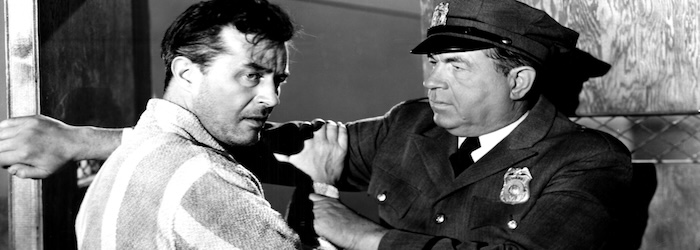
100 Best Film Noir Movies Ranked by Tomatometer
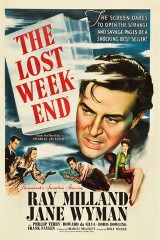
The latest: The Lost Weekend celebrates its 80th anniversary! Billy Wilder’s landmark film won 4 Academy Awards, including Best Picture, Best Director, Best Screenplay, and Ray Milland won Best Actor. The film is notable for being one of cinema’s earliest and rawest looks at alcoholism.
If you’ve got a bottle of whiskey, a ceiling fan lazily revolving above you, and a good eye for trouble (especially when it comes sauntering through your office door), then have we got a swell guide for you: the 100 best film noirs of all time!
To put together this rogues gallery, we kept it lean and hard-boiled: American-made movies from the 1940s and 1950s, with each rated after at least 10 reviews. And to get the know-all on noir, we’ve invited film writer and Noirvember creator Marya E. Gates to share an introduction.
Film noir now has many interpretations. Initially coined by Italian-born French film critic Nino Frank, he used the term to describe a wave of American films made in the 1940s with dark themes and highly stylized cinematography. Although some of these films began appearing during the war years, mainly adaptations of crime novels from the 1920s and 1930s from writers like Dashiell Hammett, James M. Cain, and Raymond Chandler. But it was in the post-World War II years that these films thrived, tapping into a malaise that began during the Great Depression and lingered as an even greater world weariness crept into a society that had witnessed the worst of humanity.
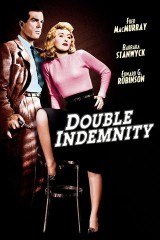
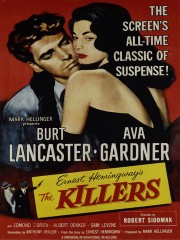
Many of the filmmakers who shaped this movement in the Hollywood studio system of the ’40s were European émigrés like Fritz Lang (Scarlet Street), Billy Wilder (Double Indemnity), Edgar G. Ulmer (Detour), Robert Siodmak (The Killers), Michael Curtiz (Mildred Pierce), and Jacques Tourneur (Out of the Past). These filmmakers brought with them aesthetics more aligned with continental film techniques including German expressionism, as well as a more psychological approach to storytelling that was expressed in both the script-writing and visual composition of their films.
Whether film noir is a genre, an era, a tone, or a movement is hotly debated. My favorite definition comes from the czar of Noir himself, Eddie Muller (host of TCM’s weekly program Noir Alley, and the Film Noir Foundation president) who refers to noir as “suffering with style.” In these films, characters go through the ringer. A hapless man falls victim to a cunning femme fatale. A police detective becomes disillusioned by the corruption all around him. An ex-con finds himself drawn into that one last job.
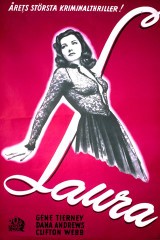
For the sake of this list, we’ve highlighted the top-reviewed films from the classic film noir era, roughly defined as starting in 1940 and ending in 1959. On this list you’ll find some of the most definitively noir films of the era. They’ve not only stood the test of time, but influenced the art of cinema as a whole. Among the Certified Fresh films on this list are some of my all-time favorites, like Otto Preminger’s Laura. This 1944 adaptation of the novel by Vera Caspary features an iconic and alluring performance by Gene Tierney as the title character, a Manhattan advertising exec whose mysterious murder brings together cynical detective Mark McPherson (Dana Andrews), playboy Shelby Carpenter (Vincent Price), and caustic newspaper columnist Waldo Lydecker (Clifton Webb) with tragic results. It also became a major inspiration for David Lynch and Mark Frost’s landmark television series Twin Peaks.
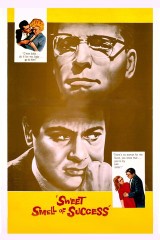
What are some other films on this list that I recommend seeking out whether you are a film noir newbie or a seasoned fan? Alexander Mackendrick’s Sweet Smell of Success, starring Burt Lancaster as a powerful newspaper columnist and Tony Curtis as an unscrupulous press agent, is as insightful about the decay of American media as it ever was. Nicholas Ray’s In A Lonely Place, starring Humphrey Bogart and Gloria Grahame, may not be the most faithful adaptation ever made (and you should absolutely read the book by Dorothy B. Hughes), but Ray’s poison pen letter to the Hollywood machine and toxic masculinity still stings today. True crime-inspired The Hitch-Hiker also takes a stark look at masculine violence, and includes some knockout location work in Lone Pine, California from actress-turned-director Ida Lupino.
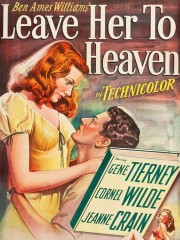
For femme fatales, few are more depraved than Peggy Cummins as the heat-packing Annie Laurie Starr in Joseph H. Lewis’s Gun Crazy. Unless, of course, it’s Tierney again in the Technicolor noir Leave Her To Heaven from director John M. Stahl.

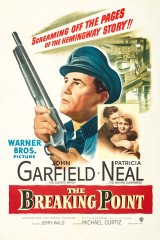
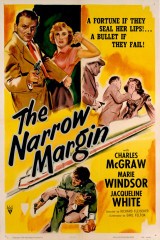
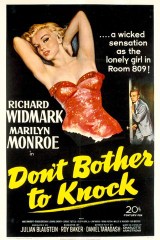
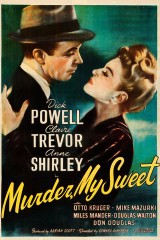
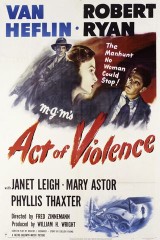
If you’re a fan of the decidedly not-so-noir To Have and Have Not, then check out a much more faithful adaptation of the Hemingway novel: Curtiz’s The Breaking Point, starring John Garfield as a charter boat captain in way over his head. Richard Fleischer’s train-set The Narrow Margin features the best performance from genre mainstay Marie Windsor. Roy Ward Baker’s Don’t Bother To Knock will have you re-examining everything you think you know about Marilyn Monroe as a dramatic actress. Dick Powell’s take on Philip Marlowe in Edward Dmytryk’s Murder, My Sweet gives Bogie in The Big Sleep a run for his money. Fred Zinnemann’s Act of Violence features a truly terrifying performance from star Robert Ryan and captures the lost beauty of L.A.’s Bunker Hill like no other. And Phil Karlson’s low-budget wonder Kansas City Confidential, starring John Payne and Coleen Gray, served as a major inspiration for Quentin Tarantino’s debut Reservoir Dogs.
You can trace the impact of the films on this list throughout the history of cinema, whether it is in the noir movements in countries like Japan and France (Akira Kurosawa’s Stray Dog and Louis Malle’s Elevator to the Gallows were produced in this period), Nordic noir (The Girl with the Dragon Tattoo), the neo-noir films of early Martin Scorsese (Taxi Driver), Christopher Nolan (Memento), and Michael Mann (Thief), the erotic thrillers of the 1980s and 1990s (Body Heat, Bound), and up to Best Picture Oscar-nominated films like Guillermo del Toro‘s re-imagining of Nightmare Alley. The cinematic light from these dark films continues to pulsate in the very heart of this thing we call the movies.
 100%
100%
99%
99%
100%
100%
99%
99%
 98%
98%
 98%
98%
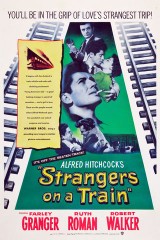 98%
98%
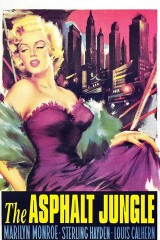 98%
98%
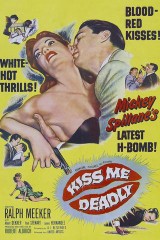 98%
98%
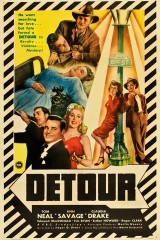 98%
98%
 97%
97%
 97%
97%
 97%
96%
97%
96%
 96%
96%
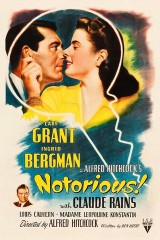 96%
96%
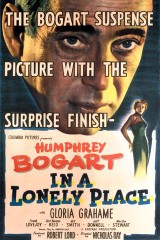 96%
95%
96%
95%
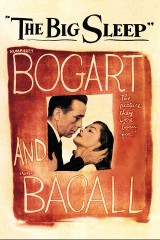 96%
96%
 95%
95%
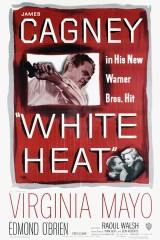 94%
94%
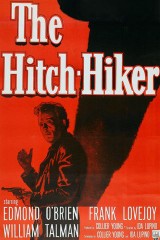 94%
94%
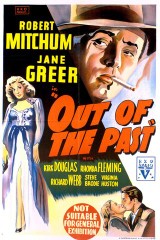 87%
87%
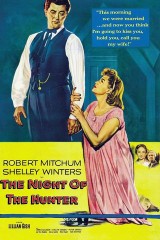 93%
93%
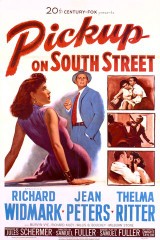 93%
93%
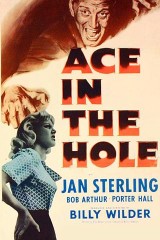 88%
88%
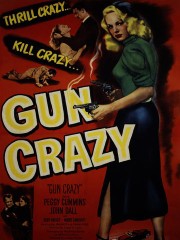 91%
91%
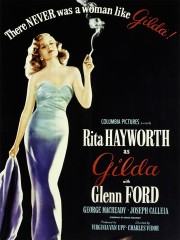 90%
90%
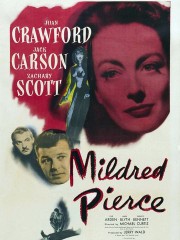 88%
88%
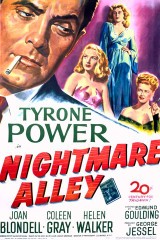 87%
87%
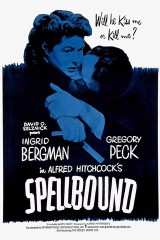 86%
86%
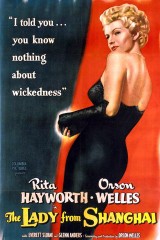 86%
86%
 85%
85%
 100%
100%
 100%
100%
 100%
100%
 100%
100%
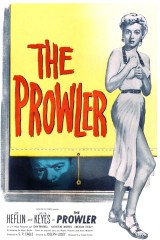 100%
100%
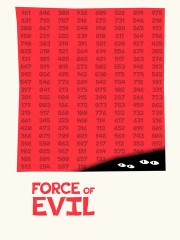 100%
100%
 100%
100%
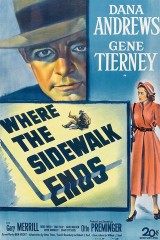 100%
100%
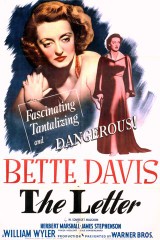 100%
100%
 100%
100%
 100%
100%
 100%
100%
 100%
100%
 100%
100%
 100%
100%
 100%
100%
 100%
100%
 100%
100%
 100%
100%
 100%
100%
 100%
100%
 100%
100%
 100%
100%
 100%
100%
 100%
100%
 100%
100%
 100%
100%
 100%
100%
 100%
100%
 100%
100%
 100%
100%
 80%
80%
 100%
100%
 100%
100%
 100%
100%
 97%
97%
 97%
97%
 97%
97%
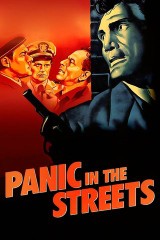 97%
97%
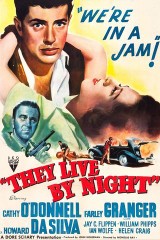 96%
96%
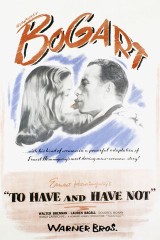 95%
95%
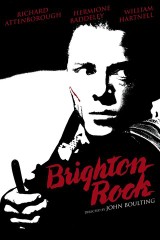 95%
95%
 96%
96%
 95%
95%
 94%
94%
 94%
94%
 94%
94%
 94%
94%
 94%
94%
 93%
93%
 93%
93%
 92%
92%
 93%
93%
 92%
92%
 92%
92%
 92%
92%
 91%
91%
 91%
91%
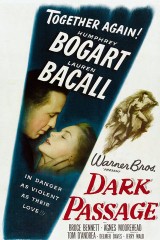 90%
94%
90%
94%
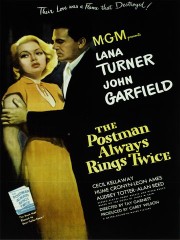 90%
90%
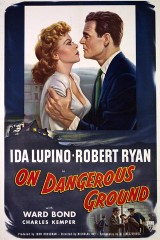 89%
89%
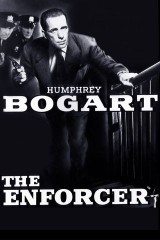 89%
89%
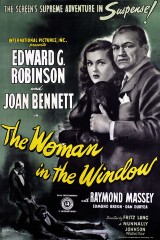 83%
83%
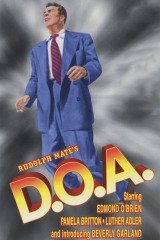 88%
88%
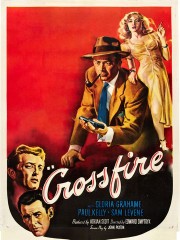 88%
88%
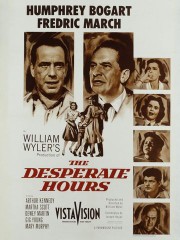 88%
88%