
Michel Gondry’s Five Favorite Films
The director of Microbe and Gasoline chats about his new movie, the appeal of surrealism, and translating dreams to film.
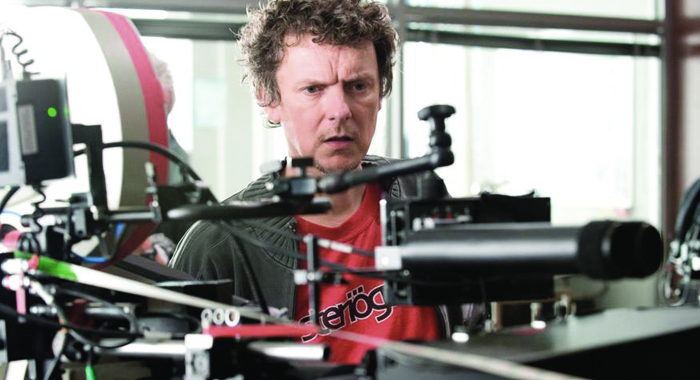
From his innovative music video work for artists like Björk, Daft Punk, and the White Stripes to feature films like Eternal Sunshine of the Spotless Mind and Be Kind Rewind, French director Michel Gondry has consistently demonstrated a knack for dreamlike visuals and poetic sentimentality, and he’s earned quite a fanbase in the process. In 2004, Gondry took home an Oscar for his Eternal Sunshine screenplay, and the film remains one of the most beloved of its decade.
His latest effort is Microbe and Gasoline, a small coming-of-age film partly based on his own adolescent experiences that centers on a young friendship between two outcast boys and incorporates touches of Gondry’s trademark DIY aesthetic. He was kind enough to speak with RT about his new movie, why surrealism appeals to him, and what films inspired him to become a director. Read on for Michel Gondry’s Five Favorite Films.
 100%
100%

 94%
94%
 100%
98%
100%
98%
 86%
86%
Ryan Fujitani for Rotten Tomatoes: Much of Microbe and Gasoline is taken from your own life experiences. You’ve always made films that felt personal, but what prompted you to make such an autobiographical movie now?
Michel Gondry: Well, I think that The Science of Sleep is as personal, but it was a present-time story that I was depicting. This one is from the past, from when I was 14. I always look for something to play when I do a movie, and sometimes it’s just because I want to do a movie and I’m looking for a subject. Also, if I do it about myself, it’s going to be easier, because I know what I’m talking about. If I talk about the present time, it’s just going to be about a director. So I go further in the past, and I end up looking at my adolescence.
I explore details — there is some nostalgia, there is some trying to understand how I became who I am. Just to create an adventure that I wish I had done but I didn’t do. That’s one of the reasons to make a film, just to create a world in which you make things happen that would not happen in real life.
Rotten Tomatoes: There are few directors who are able to capture the visual language of dreams quite the way you do, and to bring those visuals into the real world so seamlessly. I know that comes with a lot of experimentation, and I’m wondering if you’ve ever tried to bring something you had in mind to life, and couldn’t figure out a way to make it work.
MG: Well, for instance, in The Science of Sleep, I didn’t want to have this hand-made animated universe for the dreams. I wanted to make them really real, with a lot of complicated digital special effects, but we couldn’t afford it, so that’s why I switched to something more hand-made, which probably was better. But yes, there are things you cannot do for scenes from dreams.
Rotten Tomatoes: Speaking of dreams, do you — or did you ever — have recurring dreams?
MG: Yes, I have many. And, as well, I have locations in my dreams to which I return. I can remember maybe 10 or 20 locations even when I’m awake that really exist in my head when I dream. I keep going back to them. In Microbe and Gasoline, there is a dream near the end, when they take the plane and the plane flies backwards, going higher at the level of the houses, and that’s a dream I have all the time.