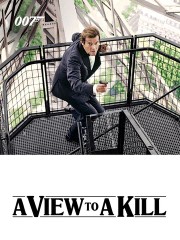
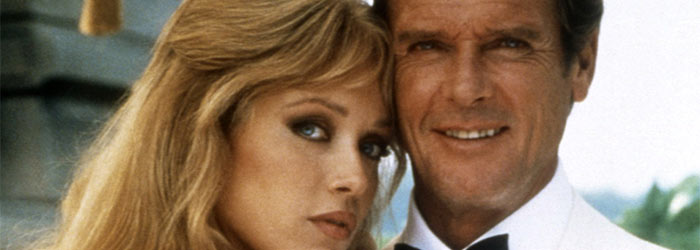
(Photo by United Artists/courtesy Everett Collection. A VIEW TO A KILL.)

All 27 James Bond Movies Ranked by Tomatometer


A View to a Kill celebrates its 40th anniversary!


You know his name. You got his number. Since 1962, James Bond has been the spy whose reputation precedes him: As international man of mystery, as guru of gadgets and espionage thrills, and as the agent who never encountered a boundary – country, or personal space – he couldn’t sneak across.

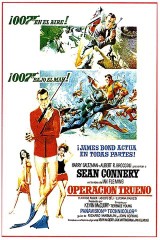
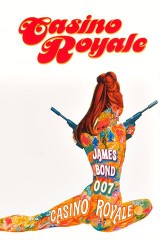
The Ian Fleming adaptations started with a bang: Dr. No remains among the best-reviewed of 007’s movies, bringing forth that first legendary era of Sean Connery suited up as the debonair rogue that women crave and men aspire to be in vain. Case in point: 1967’s Casino Royale had no less than six James Bonds within its spooferifous walls, none holding a candle to the Con’. The non-comic caper is the worst-reviewed James Bond movie, and was produced outside of franchise gatekeepers Eon.


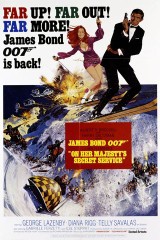
As celebrated was Connery’s reign was – the late actor’s films occupy three of the top five slots on this list – the sun sets on every empire, and thus was ushered in the age of the Lazenby. A mild administration for George, yes, with only 1969’s On Her Majesty’s Secret Service released, though Certified Fresh.

Then it became time to move over for Roger Moore, who offered a lightly winking and intelligent Bond for those burned-out ’70s times. Three of his movies are Rotten, three are Fresh, and one is Certified Fresh. Not bad, and he even traveled into space.

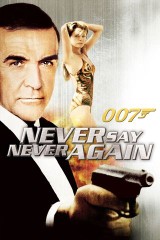
In 1981, Connery came back for non-Eon Bond Never Say Never Again, just as HQ was hiring Timothy Dalton for the job. Dalton’s Bond: Cool and menacing, and his films The Living Daylights and License to Kill are praised by modern fans for their dark, grittier take on the spy game. It’s something Daniel Craig would pick up on in the future, but with a bigger budget and fewer a-ha theme songs.

Pierce Brosnan brought back the sophisticated sex appeal, as the best Bond in the not-so-greatest movies. GoldenEye was intoxicating Certified Fresh fun, while the three that followed are all Rotten.

After Austin Powers took the piss out of the franchise for a decade, Eon turned to resurrecting James Bond as the brooding, brutish hulk we have today. Casino Royale was a return to form, Daniel Craig’s sneer and occasional smile calibrated to the modern cynical viewer. Skyfall was likewise Certified Fresh, but there was not so much critical love for in-betweener Quantum of Solace and the most-recent Spectre of 2015.

Six years passed until No Time To Die, the longest wait between Bond movies. At 15 years, Craig holds the record for longest uninterrupted on-screen ownership of Bond, but Connery spread his appearances as Bond across 21 years. Now, we’re reaching into the classified files for every James Bond movie ever ranked by Tomatometer!
#1

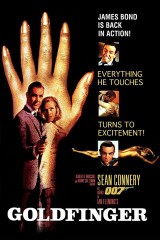
007: Goldfinger (1964)
Tomatometer icon 99%

#1
Critics Consensus: Goldfinger is where James Bond as we know him comes into focus - it features one of 007's most famous lines ("A martini. Shaken, not stirred.") and a wide range of gadgets that would become the series' trademark.
Synopsis: Special agent 007 (Sean Connery) comes face to face with one of the most notorious villains of all time, and [More]
Directed By: Guy Hamilton

#2
#2
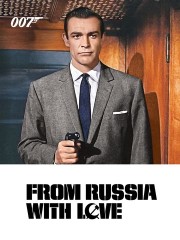
Critics Consensus: The second James Bond film, From Russia with Love is a razor-sharp, briskly-paced Cold War thriller that features several electrifying action scenes.
Synopsis: Agent 007 (Sean Connery) is back in the second installment of the James Bond series, this time battling a secret [More]
Directed By: Terence Young

#3

Dr. No (1962)
Tomatometer icon 95%

#3
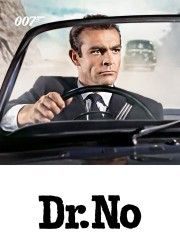
Critics Consensus: Featuring plenty of the humor, action, and escapist thrills the series would become known for, Dr. No kicks off the Bond franchise in style.
Synopsis: In the film that launched the James Bond saga, Agent 007 (Sean Connery) battles mysterious Dr. No, a scientific genius [More]
Directed By: Terence Young

#4

Casino Royale (2006)
Tomatometer icon 94%

#4
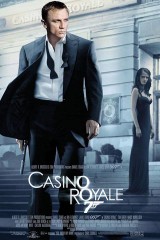
Critics Consensus: Casino Royale disposes of the silliness and gadgetry that plagued recent James Bond outings, and Daniel Craig delivers what fans and critics have been waiting for: a caustic, haunted, intense reinvention of 007.
Synopsis: After receiving a license to kill, British Secret Service agent James Bond (Daniel Craig) heads to Madagascar, where he uncovers [More]
Directed By: Martin Campbell

#5

Skyfall (2012)
Tomatometer icon 92%

#5
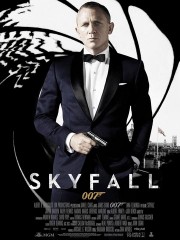
Critics Consensus: Sam Mendes brings Bond surging back with a smart, sexy, riveting action thriller that qualifies as one of the best 007 films to date.
Synopsis: When James Bond's (Daniel Craig) latest assignment goes terribly wrong, it leads to a calamitous turn of events: Undercover agents [More]
Directed By: Sam Mendes

#6

Thunderball (1965)
Tomatometer icon 85%

#6
Critics Consensus: Lavishly rendered set pieces and Sean Connery's enduring charm make Thunderball a big, fun adventure, even if it doesn't quite measure up to the series' previous heights.
Synopsis: Led by one-eyed evil mastermind Emilio Largo (Adolfo Celi), the terrorist group SPECTRE hijacks two warheads from a NATO plane [More]
Directed By: Terence Young

#7

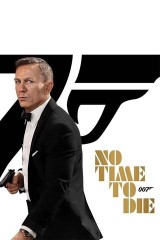
No Time to Die (2021)
Tomatometer icon 83%

#7
Critics Consensus: It isn't the sleekest or most daring 007 adventure, but No Time to Die concludes Daniel Craig's franchise tenure in satisfying style.
Synopsis: In No Time To Die, Bond has left active service and is enjoying a tranquil life in Jamaica. His peace [More]
Directed By: Cary Joji Fukunaga

#8
#8
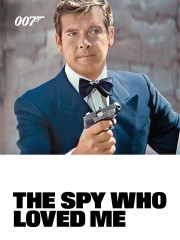
Critics Consensus: Though it hints at the absurdity to come in later installments, The Spy Who Loved Me's sleek style, menacing villains, and sly wit make it the best of the Roger Moore era.
Synopsis: In a globe-trotting assignment that has him skiing off the edges of cliffs and driving a car deep underwater, British [More]
Directed By: Lewis Gilbert

#9
Critics Consensus: George Lazenby's only appearance as 007 is a fine entry in the series, featuring one of the most intriguing Bond girls in Tracy di Vincenzo (Diana Rigg), breathtaking visuals, and some great ski chases.
Synopsis: Agent 007 (George Lazenby) and the adventurous Tracy Di Vicenzo (Diana Rigg) join forces to battle the evil SPECTRE organization [More]
Directed By: Peter Hunt

#10

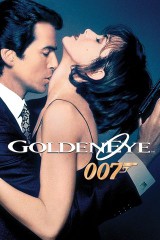
GoldenEye (1995)
Tomatometer icon 80%

#10
Critics Consensus: The first and best Pierce Brosnan Bond film, GoldenEye brings the series into a more modern context, and the result is a 007 entry that's high-tech, action-packed, and urbane.
Synopsis: When a powerful satellite system falls into the hands of Alec Trevelyan, AKA Agent 006 (Sean Bean), a former ally-turned-enemy, [More]
Directed By: Martin Campbell

#11

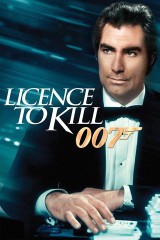
Licence to Kill (1989)
Tomatometer icon 79%

#11
Critics Consensus: License to Kill is darker than many of the other Bond entries, with Timothy Dalton playing the character with intensity, but it still has some solid chases and fight scenes.
Synopsis: James Bond (Timothy Dalton) takes on his most-daring adventure after he turns renegade and tracks down one of the international [More]
Directed By: John Glen

#12
#12
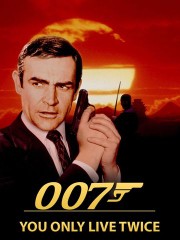
Critics Consensus: With exotic locales, impressive special effects, and a worthy central villain, You Only Live Twice overcomes a messy and implausible story to deliver another memorable early Bond flick.
Synopsis: During the Cold War, American and Russian spacecrafts go missing, leaving each superpower believing the other is to blame. As [More]
Directed By: Lewis Gilbert

#13
#13
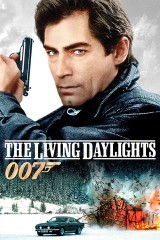
Critics Consensus: Newcomer Timothy Dalton plays James Bond with more seriousness than preceding installments, and the result is exciting and colorful but occasionally humorless.
Synopsis: British secret agent James Bond (Timothy Dalton) helps KGB officer Georgi Koskov (Jeroen Krabbé) defect during a symphony performance. During [More]
Directed By: John Glen

#14
#14
Critics Consensus: While the rehashed story feels rather uninspired and unnecessary, the return of both Sean Connery and a more understated Bond make Never Say Never Again a watchable retread.
Synopsis: An aging James Bond (Sean Connery) makes an uncharacteristic mistake during a routine training mission, leading M (Edward Fox) to [More]
Directed By: Irvin Kershner

#15

For Your Eyes Only (1981)
Tomatometer icon 69%

#15
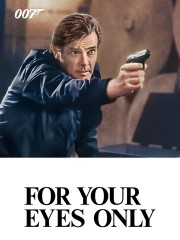
Critics Consensus: For Your Eyes Only trades in some of the outlandish Bond staples for a more sober outing, and the result is a satisfying adventure, albeit without some of the bombastic thrills fans may be looking for.
Synopsis: When a British ship is sunk in foreign waters, the world's superpowers begin a feverish race to find its cargo: [More]
Directed By: John Glen

#16

Live and Let Die (1973)
Tomatometer icon 67%

#16
Critics Consensus: While not one of the highest-rated Bond films, Live and Let Die finds Roger Moore adding his stamp to the series with flashes of style and an improved sense of humor.
Synopsis: When Bond (Roger Moore) investigates the murders of three fellow agents, he finds himself a target, evading vicious assassins as [More]
Directed By: Guy Hamilton

#17

Quantum of Solace (2008)
Tomatometer icon 63%

#17
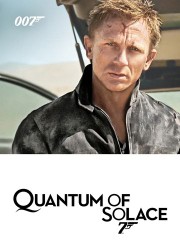
Critics Consensus: Brutal and breathless, Quantum Of Solace delivers tender emotions along with frenetic action, but coming on the heels of Casino Royale, it's still a bit of a disappointment.
Synopsis: Following the death of Vesper Lynd, James Bond (Daniel Craig) makes his next mission personal. The hunt for those who [More]
Directed By: Marc Forster

#18

Spectre (2015)
Tomatometer icon 63%

#18
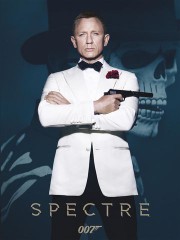
Critics Consensus: Spectre nudges Daniel Craig's rebooted Bond closer to the glorious, action-driven spectacle of earlier entries, although it's admittedly reliant on established 007 formula.
Synopsis: A cryptic message from the past leads James Bond (Daniel Craig) to Mexico City and Rome, where he meets the [More]
Directed By: Sam Mendes

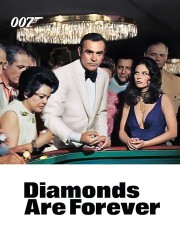
#19
#19
Critics Consensus: Diamonds are Forever is a largely derivative affair, but it's still pretty entertaining nonetheless, thanks to great stunts, witty dialogue, and the presence of Sean Connery.
Synopsis: While investigating mysterious activities in the world diamond market, 007 (Sean Connery) discovers that his evil nemesis Blofeld (Charles Gray) [More]
Directed By: Guy Hamilton

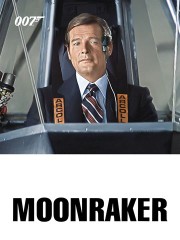
#20

Moonraker (1979)
Tomatometer icon 59%

#20
Critics Consensus: Featuring one of the series' more ludicrous plots but outfitted with primo gadgets and spectacular sets, Moonraker is both silly and entertaining.
Synopsis: Agent 007 (Roger Moore) blasts into orbit in this action-packed adventure that takes him to Venice, Rio De Janeiro and [More]
Directed By: Lewis Gilbert

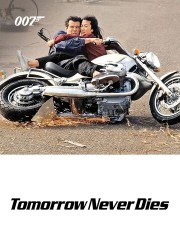
#21

Tomorrow Never Dies (1997)
Tomatometer icon 58%

#21
Critics Consensus: A competent, if sometimes by-the-numbers entry to the 007 franchise, Tomorrow Never Dies may not boast the most original plot but its action sequences are genuinely thrilling.
Synopsis: Media mogul Elliot Carver (Jonathan Pryce) wants his news empire to reach every country on the globe, but the Chinese [More]
Directed By: Roger Spottiswoode

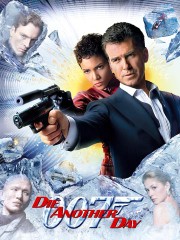
#22

Die Another Day (2002)
Tomatometer icon 56%

#22
Critics Consensus: Its action may be bit too over-the-top for some, but Die Another Day is lavishly crafted and succeeds in evoking classic Bond themes from the franchise's earlier installments.
Synopsis: James Bond (Pierce Brosnan) is captured by North Korean agents and must serve a grueling prison sentence. He's finally released, [More]
Directed By: Lee Tamahori

#23
#23
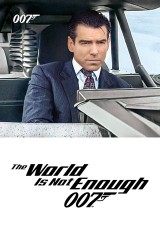
Critics Consensus: Plagued by mediocre writing, uneven acting, and a fairly by-the-numbers plot, The World Is Not Enough is partially saved by some entertaining and truly Bond-worthy action sequences.
Synopsis: Bond (Pierce Brosnan) must race to defuse an international power struggle with the world's oil supply hanging in the balance. [More]
Directed By: Michael Apted

#24

Octopussy (1983)
Tomatometer icon 41%

#24
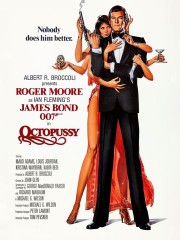
Critics Consensus: Despite a couple of electrifying action sequences, Octopussy is a formulaic, anachronistic Bond outing.
Synopsis: James Bond (Roger Moore) may have met his match in Octopussy (Maud Adams), an entrancing beauty involved in a devastating [More]
Directed By: John Glen

#25
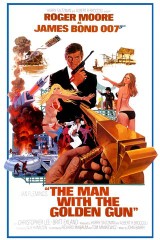
Critics Consensus: A middling Bond film, The Man With the Golden Gun suffers from double entendre-laden dialogue, a noteworthy lack of gadgets, and a villain that overshadows 007.
Synopsis: Cool government operative James Bond (Roger Moore) searches for a stolen invention that can turn the sun's heat into a [More]
Directed By: Guy Hamilton

#26

A View to a Kill (1985)
Tomatometer icon 36%

#26
Critics Consensus: Absurd even by Bond standards, A View to a Kill is weighted down by campy jokes and a noticeable lack of energy.
Synopsis: After recovering a microchip from the body of a deceased colleague in Russia, British secret agent James Bond (Roger Moore) [More]
Directed By: John Glen

#27

Casino Royale (1967)
Tomatometer icon 26%

#27
Critics Consensus: A goofy, dated parody of spy movie clichés, Casino Royale squanders its all-star cast on a meandering, mostly laugh-free script.
Synopsis: This wacky send-up of James Bond films stars David Niven as the iconic debonair spy, now retired and living a [More]

James Bond Movies In Order: How To Watch All 27 007 Movies

Dr. No celebrates its 60th anniversary!

If you’re looking to watch all the James Bond movies in order, you’ll hit the good stuff right away: All the Sean Connery movies in his first run are classics of the franchise. Before hitting Connery’s departure from the 007 role in 1971’s Diamonds Are Forever, you’ll encounter George Lazenby’s solo entry (1969’s On Her Majesty’s Secret Service) and 1967’s comedy spoof Casino Royale, which was made outside of Eon Productions, the company founded to steer Bond from the book to the big screen.

Roger Moore took on the mantle from 1973’s Live and Let Die to 1985’s A View to a Kill, with Connery returning one last time in the non-Eon Never Say Never Again in 1983.

Timothy Dalton appeared twice as Bond to close out the ’80s with The Living Daylights and License to Kill.

After six years, the longest period between switching lead actors, Pierce Brosnan debuted with 1995’s GoldenEye, and exited with 2002’s Die Another Day.

2006 saw the introduction of Daniel Craig as the latest Bond in town with Casino Royale, and he will be retiring with the long-delayed No Time to Die. With its 2021 release, Craig will hold the record for longest continuous actor to represent Bond.

Continue on to see the full list on how to watch all the James Bond movies in order! Alex Vo


#27

Dr. No (1962)
Tomatometer icon 95%

#27
Critics Consensus: Featuring plenty of the humor, action, and escapist thrills the series would become known for, Dr. No kicks off the Bond franchise in style.
Synopsis: In the film that launched the James Bond saga, Agent 007 (Sean Connery) battles mysterious Dr. No, a scientific genius [More]
Directed By: Terence Young

#26
#26
Critics Consensus: The second James Bond film, From Russia with Love is a razor-sharp, briskly-paced Cold War thriller that features several electrifying action scenes.
Synopsis: Agent 007 (Sean Connery) is back in the second installment of the James Bond series, this time battling a secret [More]
Directed By: Terence Young

#25

007: Goldfinger (1964)
Tomatometer icon 99%

#25
Critics Consensus: Goldfinger is where James Bond as we know him comes into focus - it features one of 007's most famous lines ("A martini. Shaken, not stirred.") and a wide range of gadgets that would become the series' trademark.
Synopsis: Special agent 007 (Sean Connery) comes face to face with one of the most notorious villains of all time, and [More]
Directed By: Guy Hamilton

#24

Thunderball (1965)
Tomatometer icon 85%

#24
Critics Consensus: Lavishly rendered set pieces and Sean Connery's enduring charm make Thunderball a big, fun adventure, even if it doesn't quite measure up to the series' previous heights.
Synopsis: Led by one-eyed evil mastermind Emilio Largo (Adolfo Celi), the terrorist group SPECTRE hijacks two warheads from a NATO plane [More]
Directed By: Terence Young

#23
#23
Critics Consensus: With exotic locales, impressive special effects, and a worthy central villain, You Only Live Twice overcomes a messy and implausible story to deliver another memorable early Bond flick.
Synopsis: During the Cold War, American and Russian spacecrafts go missing, leaving each superpower believing the other is to blame. As [More]
Directed By: Lewis Gilbert

#22

Casino Royale (1967)
Tomatometer icon 26%

#22
Critics Consensus: A goofy, dated parody of spy movie clichés, Casino Royale squanders its all-star cast on a meandering, mostly laugh-free script.
Synopsis: This wacky send-up of James Bond films stars David Niven as the iconic debonair spy, now retired and living a [More]

#21
Critics Consensus: George Lazenby's only appearance as 007 is a fine entry in the series, featuring one of the most intriguing Bond girls in Tracy di Vincenzo (Diana Rigg), breathtaking visuals, and some great ski chases.
Synopsis: Agent 007 (George Lazenby) and the adventurous Tracy Di Vicenzo (Diana Rigg) join forces to battle the evil SPECTRE organization [More]
Directed By: Peter Hunt

#20
#20
Critics Consensus: Diamonds are Forever is a largely derivative affair, but it's still pretty entertaining nonetheless, thanks to great stunts, witty dialogue, and the presence of Sean Connery.
Synopsis: While investigating mysterious activities in the world diamond market, 007 (Sean Connery) discovers that his evil nemesis Blofeld (Charles Gray) [More]
Directed By: Guy Hamilton

#19

Live and Let Die (1973)
Tomatometer icon 67%

#19
Critics Consensus: While not one of the highest-rated Bond films, Live and Let Die finds Roger Moore adding his stamp to the series with flashes of style and an improved sense of humor.
Synopsis: When Bond (Roger Moore) investigates the murders of three fellow agents, he finds himself a target, evading vicious assassins as [More]
Directed By: Guy Hamilton

#18
Critics Consensus: A middling Bond film, The Man With the Golden Gun suffers from double entendre-laden dialogue, a noteworthy lack of gadgets, and a villain that overshadows 007.
Synopsis: Cool government operative James Bond (Roger Moore) searches for a stolen invention that can turn the sun's heat into a [More]
Directed By: Guy Hamilton

#17
#17
Critics Consensus: Though it hints at the absurdity to come in later installments, The Spy Who Loved Me's sleek style, menacing villains, and sly wit make it the best of the Roger Moore era.
Synopsis: In a globe-trotting assignment that has him skiing off the edges of cliffs and driving a car deep underwater, British [More]
Directed By: Lewis Gilbert

#16

Moonraker (1979)
Tomatometer icon 59%

#16
Critics Consensus: Featuring one of the series' more ludicrous plots but outfitted with primo gadgets and spectacular sets, Moonraker is both silly and entertaining.
Synopsis: Agent 007 (Roger Moore) blasts into orbit in this action-packed adventure that takes him to Venice, Rio De Janeiro and [More]
Directed By: Lewis Gilbert

#15

For Your Eyes Only (1981)
Tomatometer icon 69%

#15
Critics Consensus: For Your Eyes Only trades in some of the outlandish Bond staples for a more sober outing, and the result is a satisfying adventure, albeit without some of the bombastic thrills fans may be looking for.
Synopsis: When a British ship is sunk in foreign waters, the world's superpowers begin a feverish race to find its cargo: [More]
Directed By: John Glen

#14

Octopussy (1983)
Tomatometer icon 41%

#14
Critics Consensus: Despite a couple of electrifying action sequences, Octopussy is a formulaic, anachronistic Bond outing.
Synopsis: James Bond (Roger Moore) may have met his match in Octopussy (Maud Adams), an entrancing beauty involved in a devastating [More]
Directed By: John Glen

#13
#13
Critics Consensus: While the rehashed story feels rather uninspired and unnecessary, the return of both Sean Connery and a more understated Bond make Never Say Never Again a watchable retread.
Synopsis: An aging James Bond (Sean Connery) makes an uncharacteristic mistake during a routine training mission, leading M (Edward Fox) to [More]
Directed By: Irvin Kershner

#12

A View to a Kill (1985)
Tomatometer icon 36%

#12
Critics Consensus: Absurd even by Bond standards, A View to a Kill is weighted down by campy jokes and a noticeable lack of energy.
Synopsis: After recovering a microchip from the body of a deceased colleague in Russia, British secret agent James Bond (Roger Moore) [More]
Directed By: John Glen

#11
#11
Critics Consensus: Newcomer Timothy Dalton plays James Bond with more seriousness than preceding installments, and the result is exciting and colorful but occasionally humorless.
Synopsis: British secret agent James Bond (Timothy Dalton) helps KGB officer Georgi Koskov (Jeroen Krabbé) defect during a symphony performance. During [More]
Directed By: John Glen

#10

Licence to Kill (1989)
Tomatometer icon 79%

#10
Critics Consensus: License to Kill is darker than many of the other Bond entries, with Timothy Dalton playing the character with intensity, but it still has some solid chases and fight scenes.
Synopsis: James Bond (Timothy Dalton) takes on his most-daring adventure after he turns renegade and tracks down one of the international [More]
Directed By: John Glen

#9

GoldenEye (1995)
Tomatometer icon 80%

#9
Critics Consensus: The first and best Pierce Brosnan Bond film, GoldenEye brings the series into a more modern context, and the result is a 007 entry that's high-tech, action-packed, and urbane.
Synopsis: When a powerful satellite system falls into the hands of Alec Trevelyan, AKA Agent 006 (Sean Bean), a former ally-turned-enemy, [More]
Directed By: Martin Campbell

#8

Tomorrow Never Dies (1997)
Tomatometer icon 58%

#8
Critics Consensus: A competent, if sometimes by-the-numbers entry to the 007 franchise, Tomorrow Never Dies may not boast the most original plot but its action sequences are genuinely thrilling.
Synopsis: Media mogul Elliot Carver (Jonathan Pryce) wants his news empire to reach every country on the globe, but the Chinese [More]
Directed By: Roger Spottiswoode

#7
#7
Critics Consensus: Plagued by mediocre writing, uneven acting, and a fairly by-the-numbers plot, The World Is Not Enough is partially saved by some entertaining and truly Bond-worthy action sequences.
Synopsis: Bond (Pierce Brosnan) must race to defuse an international power struggle with the world's oil supply hanging in the balance. [More]
Directed By: Michael Apted

#6

Die Another Day (2002)
Tomatometer icon 56%

#6
Critics Consensus: Its action may be bit too over-the-top for some, but Die Another Day is lavishly crafted and succeeds in evoking classic Bond themes from the franchise's earlier installments.
Synopsis: James Bond (Pierce Brosnan) is captured by North Korean agents and must serve a grueling prison sentence. He's finally released, [More]
Directed By: Lee Tamahori

#5

Casino Royale (2006)
Tomatometer icon 94%

#5
Critics Consensus: Casino Royale disposes of the silliness and gadgetry that plagued recent James Bond outings, and Daniel Craig delivers what fans and critics have been waiting for: a caustic, haunted, intense reinvention of 007.
Synopsis: After receiving a license to kill, British Secret Service agent James Bond (Daniel Craig) heads to Madagascar, where he uncovers [More]
Directed By: Martin Campbell

#4

Quantum of Solace (2008)
Tomatometer icon 63%

#4
Critics Consensus: Brutal and breathless, Quantum Of Solace delivers tender emotions along with frenetic action, but coming on the heels of Casino Royale, it's still a bit of a disappointment.
Synopsis: Following the death of Vesper Lynd, James Bond (Daniel Craig) makes his next mission personal. The hunt for those who [More]
Directed By: Marc Forster

#3

Skyfall (2012)
Tomatometer icon 92%

#3
Critics Consensus: Sam Mendes brings Bond surging back with a smart, sexy, riveting action thriller that qualifies as one of the best 007 films to date.
Synopsis: When James Bond's (Daniel Craig) latest assignment goes terribly wrong, it leads to a calamitous turn of events: Undercover agents [More]
Directed By: Sam Mendes

#2

Spectre (2015)
Tomatometer icon 63%

#2
Critics Consensus: Spectre nudges Daniel Craig's rebooted Bond closer to the glorious, action-driven spectacle of earlier entries, although it's admittedly reliant on established 007 formula.
Synopsis: A cryptic message from the past leads James Bond (Daniel Craig) to Mexico City and Rome, where he meets the [More]
Directed By: Sam Mendes

#1

No Time to Die (2021)
Tomatometer icon 83%

#1
Critics Consensus: It isn't the sleekest or most daring 007 adventure, but No Time to Die concludes Daniel Craig's franchise tenure in satisfying style.
Synopsis: In No Time To Die, Bond has left active service and is enjoying a tranquil life in Jamaica. His peace [More]
Directed By: Cary Joji Fukunaga

On an Apple device? Follow Rotten Tomatoes on Apple News.

Could a 007 series happen now that Amazon holds MGM’s stake in the James Bond franchise? Will Hannibal Lecter and Clarice Starling work together again now that the tech company is boss? Amazon’s acquisition of MGM could mean a lot of exciting new content for Prime Members. Squid Game and WandaVision score big in the Critics Choice Association’s Super Awards for genre television, Barry Jenkins will executive produce on True Detective season 4, The White Lotus star Alexandra Daddario will lead Anne Rice’s The Lives of the Mayfair Witches, the author’s Interview with the Vampire also adds a major role, trailers released for Ms. Marvel and The Boys, and more of the week’s biggest news in TV and streaming.


TOP STORY

Amazon Completes Its $8.5 Billion Purchase of MGM

Poster for No Time to Die

(Photo by ©MGM/©Danjaq)

Amazon’s pursuit of the intellectual property of nearly century-old MGM, first announced last May, has been completed: let the new (old) remakes, reboots, and reimaginings begin!

With more than 4,000 movie titles and 17,000 TV episodes, MGM is rife with IP, now giving Amazon access to such classics as the Rocky movie franchise, Silence of the Lambs, MGM’s share of the James Bond franchise, Legally Blonde, RoboCop, Thelma & Louise, and TV series like The Handmaid’s Tale, Survivor, Shark Tank, the Real Housewives franchises, and Survivor.

“MGM has a nearly century-long legacy of producing exceptional entertainment, and we share their commitment to delivering a broad slate of original films and television shows to a global audience,” said Mike Hopkins, senior vice president of Prime Video and Amazon Studios in a statement on Amazon’s news blog. “We welcome MGM employees, creators, and talent to Prime Video and Amazon Studios, and we look forward to working together to create even more opportunities to deliver quality storytelling to our customers.”

But, assuming that the U.S. government officially signs off on the deal (it hasn’t yet; European regulators have), what, specifically, projects can we expect to see from the merger of the IP assets?

Could a 007 TV series finally happen? (Let the wish lists of TV Bonds pepper social media).

Could Thelma and Louise skip that dive into the Grand Canyon and instead live on to a series, or limited series-length, adventure?

And what about series versions of Legally Blonde, RoboCop, or Rocky and Creed?


The Silence of the Lambs

(Photo by Orion courtesy Everett Collection)

And then there’s the Silence of the Lambs situation. CBS’ Clarice series, because of the hinky rights situation for the characters of Lambs author Thomas Harris’ books, was not allowed to mention the name “Hannibal Lecter.” The show’s lackluster ratings got it booted from CBS to Paramount+ for a second season, which was then cancelled before it was ever produced.

But now, perhaps, that those complicated rights issues could possibly make Hannibal – one of the all-time great characters in movie and TV history (as NBC’s Hannibal series proved) – fair game for storytelling with Clarice Starling in a series or limited series format, could Amazon give a new Lambs-themed project a go?

One thing’s clear even as we await the many complicated rights issues to shake out: Even if Amazon doesn’t redo a single MGM property, Prime Video subscribers just got a whole lot more binge-watching opportunities on their screens.

On Friday, Amazon Studios Senior Vice President Mike Hopkins told staffers in a town hall meeting that MGM Chief Operating Officer Christopher Brearton, motion picture group chairman Michael De Luca and worldwide television group chairman Mark Burnett would join his team, according to a report from THR.


Squid Game and WandaVision Lead 2nd Annual Critics Choice Super Awards Winners

The Critics Choice Association announced the winners of the second annual Critics Choice Super Awards, honoring the most popular, fan-obsessed genres across movies and television, including Superhero, Science Fiction/Fantasy, Horror, and Action.

Netflix’s Squid Game and the Disney+ hit WandaVision led the TV winners with three honors each. The rest of the TV winners (with winners acceptance speeches videos here):

BEST ACTION SERIES
Squid Game (Netflix)

BEST ACTOR IN AN ACTION SERIES
Lee Jung-jae – Squid Game (Netflix)

BEST ACTRESS IN AN ACTION SERIES
HoYeon Jung – Squid Game (Netflix)

BEST SUPERHERO SERIES
WandaVision (Disney+)

BEST ACTOR IN A SUPERHERO SERIES
Tom Hiddleston – Loki (Disney+)

BEST ACTRESS IN A SUPERHERO SERIES
Elizabeth Olsen – WandaVision (Disney+)

BEST HORROR SERIES
Yellowjackets (Showtime)

BEST ACTOR IN A HORROR SERIES
Hamish Linklater – Midnight Mass (Netflix)

BEST ACTRESS IN A HORROR SERIES
Melanie Lynskey – Yellowjackets (Showtime)

BEST SCIENCE FICTION/FANTASY SERIES
Station Eleven (HBO Max)

BEST ACTOR IN A SCIENCE FICTION/FANTASY SERIES
Daveed Diggs – Snowpiercer (TNT)

BEST ACTRESS IN A SCIENCE FICTION/FANTASY SERIES
Mackenzie Davis – Station Eleven (HBO Max)

BEST VILLAIN IN A SERIES
Kathryn Hahn – WandaVision (Disney+)


NEW TRAILERS: Ms. Marvel: Meet Marvel’s First Muslim-American Superhero

The release of Ms. Marvel’s first official trailer proves fans have good reason to be excited about Kamala Khan (Iman Vellani), the Jersey girl who’s a comic book stan and superheroine herself. Premieres June 8 on Disney+. (Read more: “Everything We Know About Ms. Marvel.”)

More trailers and teasers released this week:

Gaslit is the limited series that spotlights the role of Martha Mitchell – the wife of one of Richard Nixon’s best friends and most trusted advisors – in the Watergate scandal. Stars Julia Roberts and Sean Penn. Premieres April 24. (Starz)
• The Man Who Fell to Earth is a remake of the David Bowie gem, this time starring Chiwetel Ejiofor, Naomie Harris, and Jimmi Simpson, and Showtime has released the first five minutes of the series. Premieres April 24. (Showtime)
• Tokyo Vice is Michael Mann’s crime drama, based on journalist Jake Adelstein’s 2009 book of the same name about the dark and dangerous work of the Tokyo Metropolitan Police. Stars Ansel Elgort and Ken Watanabe. Premieres April 7. (HBO Max)
• We Own This City is The Wire creators David Simon and George Pelecanos’ limited series exploration of corruption within the Baltimore PD. Stars Jon Bernthal, Jamie Hector, Josh Charles, Treat Williams, and Domenick Lombardozzi. Premieres April 25. (HBO)
• The Pentaverate is Mike Myers’ comedy series about a secret society of five men has been working to influence world events for the greater good since the Black Plague of 1347. Myers will be playing eight characters, Jeremy Irons is the narrator, and Ken Jeong, Jennifer Saunders, Keegan-Michael Key, and Debi Maxar also star. Premieres May 5. (Netflix)
• Candy is the miniseries about real-life axe murderer and Texas housewife Candy Montgomery (Jessica Biel), who killed her friend and neighbor. Also stars Melanie Lynskey, Raul Esparza, Timothy Simmons, and Pablo Schreiber. Premieres May 9. (Hulu)


• The Boys season 3 trailer has all the sex, violence, and other naughty behavior you’ve come to expect, but now with the much-anticipated presence of new cast member Jensen Ackles as Soldier Boy. Also stars Karl Urban and Laurie Holden. Premieres June 3. (Prime Video)
• Barry season 3 finds Bill Hader’s hitman-turned-wannabe actor attempting to untangle himself from the world of contract killing and fully immerse himself in acting. But getting out is messy. While Barry has eliminated many of the external factors that pushed him towards violence, he soon discovers they weren’t the only forces at play. What is it about his own psyche that led him to become a killer in the first place? Also stars Henry Winkler, Stephen Root, Anthony Carrigan, Glenn Fleshler, and Sarah Goldberg. Premieres April 24. (HBO)
• I Love That for You is a comedy series, based on the real-life experiences of star and childhood leukemia survivor Vanessa Bayer, about Joanna Gold, who dreams of becoming a host at a home shopping channel, meet her idol, fall in love, and move away from her parents. Also stars Molly Shannon and Jenifer Lewis. Premieres May 1. (Showtime)


Read more: Everything We Know About The Boys Season 3


Our Great National Parks is an epic five-part series, narrated by President Barack Obama, that invites viewers to celebrate and discover the power of our planet’s greatest national parks and wild spaces. Premieres April 13. (Netflix)
• They Call Me Magic is the four-part docuseries about Los Angeles Laker legend Magic Johnson, with his full participation and interviews about his basketball and entrepreneurial careers. Premieres April 22. (Apple TV+)
• One Perfect Shot is the Ava DuVernay-created series that gives filmmakers like Patty Jenkins, Aaron Sorkin, Kasi Lemmons, Jon M. Chu, Malcolm D. Lee, and Michael Mann the chance to step into some of their most iconic shots and explore them for viewers. Premieres March 24 with all six episodes. (HBO Max)
• The Kardashians … they’re baaaack, now on Hulu. Premieres April 14. (Hulu)

For all the latest TV and streaming trailers, subscribe to the Rotten Tomatoes TV YouTube channel


CASTING: Alexandria Daddario Will Lead AMC’s Anne Rice Adaptation The Lives of the Mayfair Witches

Alexandra Daddario

(Photo by Alberto E. Rodriguez/Getty Images)

The White Lotus star Alexandra Daddario will play the lead in AMC’s Anne Rice adaptation The Lives of the Mayfair Witches, playing  Rowan, a neurosurgeon who has to deal with her fate as the heir to a family of witches. (Variety)

And more Anne Rice casting news at AMC: Eric Bogosian (Succession) will play Daniel Molloy, the investigative journalist who lands the titular chat in the cable network’s adaptation of Anne Rice’s Interview with the Vampire. In the 1994 movie adaptation of Rice’s novel, a younger version of Molloy was played by Christian Slater. The seven-episode first season of the series is scheduled to premiere later this year.

The Vampire Diaries Paul Wesley has been cast as Captain James T. Kirk on Paramount+’s Star Trek: Strange New Worlds. The show, which premieres on May 5, stars Anson Mount as original USS Enterprise Captain Christopher Pike. Wesley’s Kirk doesn’t join the series until its already announced and in production season 2. (TVLine) 

Pirates of the Caribbean star Johnny Depp is starring in another spinoff series … this time on TV. Depp will revisit his role as Johnny Puff, the arctic bird in the short film Puffins, from the 2019 movie Arctic Dogs. In the 18-episode spin-off series Puffins Impossible, Johnny Puff becomes a heroic warrior bird who leads a pack of fellow arctic birds on adventures. (Variety)

Laysla De Oliveira (Locke & Key) will star opposite Zoe Saldaña in the upcoming original series Lioness, from Academy Award–nominee Taylor Sheridan. De Oliveira plays Cruz Manuelos, a rough-around-the-edges but passionate young Marine recruited to join the CIA’s Lioness Engagement Team to help bring down a terrorist organization from within. Saldaña plays Joe, the station chief of the Lioness program tasked with training, managing and leading her female undercover operatives.

Peacemaker and Suicide Squad director James Gunn will guest star on the upcoming third season of HBO Max’s animated Harley Quinn series (one of the funniest comic book series in TV land), portraying himself, as the filmmaker of a movie about Thomas Wayne, Batman’s dad. (Slashfilm)

Saturday Night Live vet, and Supermarket Sweep host and Our Flag Means Death star Leslie Jones has joined the season 2 cast of 50 Cent’s Starz drama BMF. She’ll play federal Agent Tracy Chambers, who’s a no-nonsense, tough agent who’s spent years on the street dealing with equally tough, and dangerous, drug dealers. (Deadline)


Neil Gaiman and his book Anansi Boys

(Photo by Mike Marsland/WireImage; William Morrow)

Neil Gaiman’s Anansi Boys series at Amazon Video has rounded out its cast members: Jason Watkins will play Grahame Coats, a successful theatrical agent; Fiona Shaw is Maeve Livingstone, a retired dancer and widow of famed comedian Morris Livingstone who suspects her late husband’s agent, Grahame, of embezzling from them; CCH Pounder will play Mrs. Higgler, the matriarch of her clan, an old family friend of lead character Charlie (Malachi Kirby) who knows the secrets Charlie’s father has been keeping from him; L. Scott Caldwell is Mrs. Dunwiddy, the 104-year-old woman who knows all the local secrets; Joy Richardson is Mrs. Bustamonte, Mrs. Dunwiddy’s sidekick; and Lachele Carl will play Miss Noles, the youngest of the Floridian Weird Sisters, who also pickles a mean cow’s foot.

IMDb’s coming-of-age series High School casts newcomers Railey and Seazynn Gilliland as series leads, portraying the high school versions of co-creators and platinum recording artists Tegan and Sara Quin. Actress and producer Clea DuVall (Argo) is also co-creator and executive producer. Cobie Smulders and Kyle Bornheimer will guest star as the twins’ parents.

The BBC’s upcoming drama Best Interests will star Michael Sheen and Sharon Horgan as parents who face some impossible choices in the drama when their daughter develops a life-threatening illness and her doctors think it’s best to allow her to die. The parents disagree, which begins a complicated legal fight and an exploration of the rights for children and the disabled community in England. (THR)

Sean Astin (Stranger Things) will guest star in the new season of Young Rock, playing Dwayne Johnson’s childhood nemesis, Julian Echo, now a chiropractor who holds a grudge against Dwayne and accuses the now superstar of trying to kill him when they were younger, and shares this information just as The Rock is about to compete in the Presidential election. (Variety)

Game of Thrones alum and current Belfast Oscar nominee Ciarán Hinds will co-star with Charlie Cox in the Netflix spy drama Treason, playing the boss of Cox’s MI6 spy. (Deadline)

Scott Bakula, whose Quantum Leap is being remade at NBC, is returning to the network himself in the drama pilot Unbroken, about warring ranch families who live on the central coast of California.

Gillian Jacobs, Corey Stoll, and Corey Michael Smith will co-star in Transatlantic, a Netflix World War II limited series, about the 1940 refugee crisis in France. (Deadline)

Arrow star Katherine McNamara will star in another show at The CW: Walker: Independent, the Walker prequel spin-off set in the 1800s and featuring McNamara as Bostonian Abby Walker. When Abby’s husband is murdered as they make their way towards the West, she detours to Texas. (Deadline)

Killing Eve star Jodie Comer will star in Big Swiss, HBO’s upcoming Adam McKay limited series drama about a woman who anonymously transcribes the sessions of a sex therapist, but then becomes obsessed with one of the patients and starts an affair with one of them. The series is based on an upcoming novel of the same name by author Jen Beagin. (Deadline)

Amy Sedaris and Scrubs and The Middle alum Neil Flynn will guest star as the parents of Busy Phillips’ Summer on the second season of Peacock’s Girls5Eva. (Deadline) 

Geena Davis and Skyler Astin have been cast in the untitled CBS drama pilot about an attorney mother who asks her private investigator son to work as her in-house P.I.

Chris Sullivan has his This Is Us follow-up lined up: He’ll star in the ABC comedy pilot The Son in Law, playing a divorced, middle-class plumber with a 21-year-old daughter who falls in love, but has a tough time trying to impress his potential in-laws. (Deadline)

Juliette Lewis (Yellowjackets) has joined the cast of Hulu’s Chippendales limited series Immigrant. She’ll join star Kumail Nanjiani in the series, playing a Chippendales groupie who becomes the assistant to a Chippendales choreographer played by Murray Bartlett. (TVLine)


PRODUCTION & DEVELOPMENT: True Detective Season 4 Is in the Works with Barry Jenkins

Barry Jenkins

(Photo by Michael Kovac/Getty Images)

Season 4 of HBO’s True Detective is in the works with Barry Jenkins executive producing, THR reports. With the working title of True Detective: Night Country, the new season of the crime-story anthology series is being written by Issa Lopez, who will direct the pilot and serve as executive producer.

Netflix has added Servant of the People back to U.S. viewers’ queues. The political comedy series launched Ukrainian president Volodymyr Zelensky’s political career, and was previously available on Netflix until 2021. In it, Zelensky played a teacher who unexpectedly became president when he became a viral video sensation complaining about corruption. Former actor and comedian Zelensky ran for president of Ukraine in 2019, after naming his political party after the series.

HBO Max is developing a Harley Quinn spin-off series, called Noonan’s, that will feature Kite Man buying the bar that’s a favorite hangout of Gotham City’s more villainous citizens. Harley Quinn co-creator Patrick Schumacker said the spin-off would be sorta like “Cheers for supervillains.” (Slashfilm)

The Afterparty creators Phil Lord and Chris Miller are teaming up with It Happened in L.A.writer Michelle Morgan for Western, a scripted comedy pilot ordered by IMDb TV. The series is set in the 1800s and follows a high-society woman who travels to the West to find a husband, only to arrive and find out she’s been catfished by a teen boy. (Variety)

Gabriel Iglesias will become the first comedian to sell out Dodger Stadium, and the performance, on May 7, will be taped for Netflix Is a Joke programming.

Shelter, Harlan Coben’s YA action-thriller, has been ordered to series at Amazon. Co-produced by MGM Television and Amazon Studios, the series is based on Coben’s  New York Times bestselling Mickey Bolitar trilogy about high school junior Mickey Bolitar as he navigates his new life with a mom in rehab, a dead father, an annoying aunt, and a new school in New Jersey with a camel as its mascot. Jaden Michael (Colin in Black and White) plays Mickey, who, to add to his woes, fears he’s being haunted by a ghost who tells him his dad isn’t dead, makes a new friend who then goes missing, and finds he’s in real danger if he doesn’t find out the truth about his dad and his MIA friend.

Netflix and Dr. Seuss Enterprises have made a deal to bring five new animated preschool series and specials to the streaming network: One Fish, Two Fish, Red Fish, Blue Fish; The Sneetches; Wacky Wednesday; Horton Hears a Who!; and Thidwick The Big-Hearted Moose.

Selena Gomez and Vida creator Tanya Saracho are developing 15 Candles, a 16 Candles-inspired comedy series inspired by the John Hughes teen comedy classic movie from 1984. The Peacock series’ story will revolve around “four young Latinas starting high school as they overcome their feelings of invisibility while exploring what it means to leave childhood behind through the lens of the traditional female coming-of-age rite: the quinceañera.” (Deadline)

Tireless civil rights leader and two-time presidential candidate the Reverend Jesse Jackson is going to be the subject of two documentaries: one feature-length theatrical release, and one limited release docuseries. Jackson and his family will participate in the projects, with his son, Yusef D. Jackson set to co-executive produce alongside Peabody Award winner, director Shola Lynch (Chisholm ’72: Unbought & Unbossed). (Deadline)

Netflix announced the upcoming series Kung-Fu Panda: The Dragon Knight, with Jack Black reprising his role as the Kung-Fu Panda, Po, in the CG animated series. The story: “a mysterious pair of weasels set their sights on a collection of four powerful weapons, Po must leave his home to embark on a globe-trotting quest for redemption and justice that finds him partnered up with a no-nonsense English knight named Wandering Blade. Together, these two mismatched warriors set out on an epic adventure to find the magical weapons first and save the world from destruction — and they may even learn a thing or two from each other along the way.”


On an Apple device? Follow Rotten Tomatoes on Apple News.

Six men, 26 movies, billions in box office receipts, countless Martinis: when it comes to 007, it’s been a journey. In our latest episode of Vs., supervillain/superhost Mark Ellis is pitting James Bond vs. James Bond (vs. James Bond, and on and on) to decide who was the best of cinema’s bed-hopping British spies. Will it be Sean Connery, George Lazenby, Roger Moore, Timothy Dalton, Pierce Brosnan, or current Bond, Daniel Craig? (OK, it’s probably not gonna be Lazenby – though we only have love for On Her Majesty’s Secret Service.) The Bond boys battle it out over box office, Audience and Tomatometer Scores, the quality of their villains, and one wildcard round, before Ellis puts himself square in the cross hairs and declares a winner. Don’t agree with the ultimate decision? Slice him up with laser beams, feed him to the sharks, or… you know… let us know with a thoughtful argument in the comments.

On an Apple device? Follow Rotten Tomatoes on Apple News.

Hey, Billie Eilish, here’s a tip: How about just changing “Bad Guy” to “Bond Guy” and calling it a day? You’re welcome, and we’re sure no one else has made this joke today.

The 18-year-old is bringing her joie de vivre, all creepy and haunting and weird, to No Time To Die as the newly-selected theme song singer. This makes Eilish the youngest to ever write and record a James Bond theme, the ultimate movie-song gig that has welcomed the likes of Paul McCartney, Tina Turner, Adele, Madonna, Duran Duran and more.

Listen to Eilish’s song here:

No Time to Die, starring Daniel Craig in his fifth and final outing as 007, hits theaters April 10. And now, you can vote on your favorite James Bond theme songs over the past six decades!


Thumbnail image by Elizabeth Goodenough/Everett Collection

Like this? Subscribe to our newsletter and get more features, news, and guides in your inbox every week.

Francois Duhamel/Columbia Pictures

(Photo by Francois Duhamel/Columbia Pictures)

Daniel Craig famously said he’d rather resort to self-harm than take on another James Bond project after he completed production on 2015’s Spectre, but somebody somewhere managed to convince him to do one more, and now we have No Time to Die. This one, though, this one is really the last time he’ll step into 007’s bespoke suit — that’s what pretty much everyone assumes, anyway. As a result, the same conversations that popped up post-Spectre about who might replace Craig in the role have resurfaced, if they ever truly went away in earnest.

With that in mind, as James Bond prepares to take on his 25th assignment, we here at RT have put together a list of 25 potential candidates who could step into the role after No Time to Die, and we want to know who you think is the best fit. With all the various discussions about the possibility of passing the torch to a non-white actor or a woman, we decided to cast our net wide and offer up a wide variety of choices, from dapper gentlemen and leading ladies to brooding brawlers and even a few outside-the-box options. So cast your vote below and let us know who you think should be the next James Bond!

Note: You can vote for as many of the candidates below as you want, but you’ll only be able to vote for them once.


Like this? Subscribe to our newsletter and get more features, news, and guides in your inbox every week.

Irish actor Andrew Scott is arguably most recognizable to U.S. audiences for malevolent characters: classic literary villain Professor Moriarty opposite Benedict Cumberbatch in TV’s Sherlock, as cruel psychiatrist Dr. Addison Bennet in Alice Through the Looking Glass, and as duplicitous government agent C in James Bond film Spectre.

So seeing Scott turn up as a priest in Amazon series Fleabag understandably may result in immediate suspicion of the character. The series’ history of revealing unexpected core character flaws might also set viewers’ expectation levels to yellow ― “exercise caution” ― when it comes to investing in this new player on Fleabag’s scene. Plus: Fleabag.

“It’s original and audacious storytelling,” Scott says of the series created and written by Phoebe Waller-Bridge, a star rapidly ascending with a scene-stealing turn as the voice of robot L3-37 in Solo: A Star Wars Story and as executive producer and creator of award-winning BBC America series Killing Eve. Waller-Bridge was also tapped by Bond himself, Daniel Craig, to inject her distinctive comedic voice into the script of the upcoming film from director Cary Fukunaga.

Scott this week also appeared — ranting with a gun — in the first trailer for season 5 of Netflix sci-fi anthology hit Black Mirror. We’re eager to find out what delirium awaits us there, but in the meantime, we’re savoring his performance in Fleabag season 2, which is reliably unexpected.

The season is Certified Fresh at 100% with 43 reviews at publication and is being lauded by critics with lines like: “A portrait of grief, fear, and love that’s startling, painful, achingly funny, unbearably sexy, pretty much perfect, and somehow better than the first season. It is a marvel. It should not exist.” (Allison Shoemaker, RogerEbert.com).

We spoke to Scott about these strange, beautiful, tragic, hilarious sketches of humanity and what it was like to inhabit one of them.


Andrew Scott in Fleabag season 2 (Credit: Steve Schofield/Amazon Prime)

(Photo by Steve Schofield/Amazon Prime)

Debbie Day for Rotten Tomatoes: Throughout the season, as a viewer, I think you keep asking yourself, “Is this love or is this insanity?”

Scott: I think both those things can exist at the same time. (Laughs). I think a lot of the time, people’s experiences of love are exactly that. I think that question, “Is this love or is this insanity?,” can nearly be applied to everything or relationship, because it is insane to go through that experience — it’s insane. That’s exactly it. As the Priest says in that sermon (in the series): It’s this extraordinary thing, it makes you crazy, and makes you do all these things that you never imagined you would be, both good and bad. I think Phoebe’s great talent is to be able to hold two things in exactly the same thing. I love the fact that it’s funny and tragic at the same time. I like that the idea of being vulnerable and being powerful exists in the same scene. It’s all the things … it’s very fluid, and I think that’s why people have responded to it so much, that’s what makes such great television, is that feeling of nuance, because the lack of nuance is the death of great art.


Phoebe Waller-Bridge and Andrew Scott in Fleabag season 2 (Credit: Steve Schofield/Amazon Prime)

(Photo by Steve Schofield/Amazon Prime)

After season 1, I think viewers are hoping for some redemption for Fleabag, and at the beginning of the new season, here’s this priest and ― whether you believe or not ― you may hope that she finds something to hold on to, but she chooses the same sort of destructive path.

Scott: You think it’s destructive?

I think she makes another bad choice for herself. You want to believe in love, and you want to believe that people will choose love, but when you get involved with someone who’s not really available ―

Scott: Yeah.


Andrew Scott in Fleabag season 2 (Credit: Steve Schofield/Amazon Prime)

(Photo by Steve Schofield/Amazon Prime)

How did you approach your character, seeing this dynamic in the scripts? What did you think of him at first when you read it?

Scott: We talked about, when we first spoke about this relationship between the two of them, was how do you play love, and what should we expect from our television characters? And there’s not one of us who have not made bad choices ― I even sort of hesitate to use the word “bad” ― you make choices that aren’t necessarily going to provide you with a lifelong relationship.

But I do think they have an immediate connection with each other, and that happens in life, too, and for me, the priest is flawed and he definitely is very conflicted, and I believe he is also very much in love.

Sometimes people of the church are depicted as asexual or that they’re not interested in or have no thoughts or feelings of intimacy regarding sex, and that just can’t be true, because that’s not true for any human. We all have a relationship with sex. And love. Even if you’re asexual, you still have a sort of attitude towards it. I think that’s a very interesting thing from my perspective about what actually do you do? What do you do with your sexuality?


Andrew Scott in Fleabag season 2 (Credit: Steve Schofield/Amazon Prime)

(Photo by Steve Schofield/Amazon Prime)

Scott (cont.): I think sometimes in drama, we’re told what we’re supposed to feel because we make these sort of cartoonish characters, and I think the reason that Fleabag is unique, is that we don’t. Sometimes they do things that are cruel and selfish, and sometimes they’re very vulnerable, and sometimes powerful. And sometimes they’re abusive and sometimes they’re incredibly loving and kind. And that suggestion is in us all.

I think it’s a sort of lack of judgment and the fact that we can do that through comedy makes it special.

The Priest is obviously so conflicted, and he has a problem with alcohol. Was that built in before he met her, or is that something he recently adopted?

Scott: His relationship with alcohol is not healthy. It was sort of important not to overstate that in a sense ―let the audience do some work ― but I definitely think he has a longstanding unhealthy relationship with alcohol, like a lot of people.


Phoebe Waller-Bridge in Fleabag season 2 (Credit: Steve Schofield/Amazon Prime)

(Photo by Steve Schofield/Amazon Prime)

I’m going to be careful about spoilers, because the relationship is built on these very special moments, but the first “fox talk,” I think, might also be the first time he asked her, “Where’d you go?” when she breaks the fourth wall and looks at the audience. Did you guys talk about what her behavior in that moment would look like to him?

Scott: The most important thing was, it’s a deep connection. I think it shows how connected he is to her. I think they’re both quite solitary characters, and Fleabag’s friend is the audience…and the relationship with the audience is sometimes helpful and sometimes destructive, and sometimes a way of just avoiding a life and relieving power. And the fact that he’s able to see that, and solely him — he’s the only character who can see that — speaks to me, not just as sort of “exciting television” or kind of convention, but just the idea that he, he sees her, he sees all of her, and he wants it from when they first spoke, he wants to talk about this extraordinary love. For my money, I feel like, they almost love each other right from the get go. I think they are definitely intrigued by each other and that sort of deepens, and I think they don’t really know what it is. Like a lot of us when we first meet somebody that you connect to and you think, Well, is it love, or is it insanity?


Phoebe Waller-Bridge in Fleabag season 2 (Credit: Steve Schofield/Amazon Prime)

The café scene is also a very special moment. It was so real and very intense. First, does he see her behavior as mental illness? And is that tension built into the writing or is it something that gets fleshed out when you’re working the scene?

Scott: It’s built to a certain degree into the writing. Phoebe and I have got a great chemistry going, and so I think we just sort of saw what happens on that day. Phoebe’s very playful in that sense, in the relationship … At the beginning and certainly in that scene, it really genuinely is what it is “Where are you going?” I don’t think he knows, but it’s like “What is it that you’re doing?” And I think we can all sort of relate to that to a certain degree. When people are, to a certain degree are unknowable, and you go, “What is that thing? What is that look on your face?”

Because the idea of playing with the format of breaking fourth wall is so exciting — I find it really exciting that that’s developed in the second series … There’s a sort of metaphysical sort of vibe in the second series of pictures falling off walls and foxes following you at night … A little bit like love, it’s completely unknowable if you’re serious, and so it’s hard to answer those questions. And the only thing we really do is to dramatize the question, rather than try to nail them down too much, because that then it becomes less interesting drama.


Phoebe Waller-Bridge in Fleabag season 2 (Credit: Steve Schofield/Amazon Prime)

(Photo by Steve Schofield/Amazon Prime)

Speaking of the storytelling, the fox detail of the story is the kind of quirky detail that you don’t see very often in film and in television. What are your thoughts on the writing for this series?

Scott: I think the writing is extraordinary. I think somebody’s hair looking amazing the day of their mum’s funeral, or somebody wearing really tight jeans to the funeral, or a fox trying to break into a toilet, and you know, partnered with scenes about death and loss and pain, I think it’s just so extraordinary, that she writes with such flair and such imagination and boldness, that’s really a thing that I want to watch on TV. And to be part of it is really exciting ― it’s original and audacious storytelling. And that has to start with the writing, and I think she’s not afraid of the grand gesture and to push the boundaries of how we tell our stories. And I think that’s why people really respond to her work, because, juxtaposed to that, is a great sense of humanity, fun, and a kind of kindness. I’m truly in awe of her imagination, really.

Fleabag season 2 is now streaming on on Amazon Prime.

(Photo by Jonathan Olley/Columbia Pictures)


For the last four years, Daniel Craig has been, to use his own word, “coy” about whether he’d return for another James Bond movie. Back in 2015, he even told our very own Grae Drake, “I’m not gone yet.” Rumors have gone every which way but confirmed, even with recent announcements of a release date and potential directors for the next 007 adventure. Last night, the actor finally said “yes,” he is still on board as the most famous spy character of all time.

He made the confirmation on The Late Show with Stephen Colbert, admitting that he’s been discussing the possibility for the last couple months but wanted to save the news for the CBS talk show. “We’ve just been trying to figure things out,” he said. “I always wanted to. I needed a break.” He also explained his infamous quote about preferring bodily harm to doing another one.

At the end of the interview, Colbert asked if this will be Craig’s final installment as Bond. “I think this is it,” the actor answered. “I just want to go out on a high note.” Then he added, “I can’t wait.” Presumably he was referring to doing this next one, not leaving.

In response to the confirmation, many movie critics have chimed in about the news. Craig’s last outing as Bond, Spectre, received fairly positive reviews overall (64 percent on the Tomatometer) but they weren’t as glowing as his prior installment, Skyfall (93 percent) or his debut with the franchise, Casino Royale (95 percent). So there are mixed feelings:

I think we all want to see Craig go out on a high note as well. He’s left his mark on the character and has had two of the best Bond films ever made.
Matt Goldberg, Collider

It was a near-inevitability that he would return for one last ride…he waited until right before his new movie opened to drop the news.
Scott Mendelson, Forbes

Pro: Daniel Craig is a great Bond. Con: Spectre was not great, and also the end of it felt like a farewell for his 007.
Matt Singer, ScreenCrush

Daniel Craig announced on Colbert he’s back for Bond 25 — here, I genuinely believed he’d call it quits. We need more Lucky Logan-like DC.
Jason Gorber, Screen Anarchy

Happy to see Daniel Craig returning for another Bond despite his four-film tenure being a study in steadily decreasing quality.
Rob Hunter, Film School Rejects

Delighted that Daniel Craig is back as Bond, so that all the good actors floated for the role can continue to do just about anything else.
Guy Lodge, Variety

The currently untiled 25th James Bond instalment will be released in the US on November 8, 2019. See below for Craig’s appearance on The Late Show, in which he also shares a Logan Lucky clip and discusses his cameo in Star Wars: The Force Awakens.

 With over fifty years of Bond villains, we thought it would be fun to see who is the fan favorite. Take a look at the poll below and cast your vote. Don’t see your favorite listed? Let us know in the comments! Also, head over to Twitter to enter for a chance to win The Ultimate James Bond Collection and Spectre on Blu-ray.

[socialpoll id=”2329464″]

FatefulFindingsTitle


For bad movie lovers, there are few things guaranteed to get pulses racing more than the prospect that some misbegotten cult favorite isn’t just a bad movie for the ages, it’s the next The Room. The Room occupies a weirdly rarified place in the trash cinema realm as, to quote the title of a documentary about Troll 2 (a previous honoree), the “best worst movie.”

The Room is the gold standard for exquisitely, transcendently, historically unself-conscious awfulness, but in recent years its position has been threatened by Neil Breen’s Fateful Findings. The movie has an unmistakable The Room quality, if only because both films are the works of homely middle-aged men the world might otherwise ignore, but who look in the mirror and clearly see a younger, sexier Ryan Gosling with Steve McQueen’s swagger and James Dean’s effortless, timeless cool.

Like The Room‘s Tommy Wiseau, Breen is unwisely obsessed with sharing his unclothed body with the world, but while Wiseau thrust the image of his naked ass grinding into the minds, subconsciouses, and nightmares of his audiences with brutal, nightmarish force, Breen treats his audience to scene after scene where his top is ripped off in a sexual frenzy, revealing a hairless, bird-like chest Breen apparently imagines will send women into fits of erotic ecstasy.

Astonishingly, Breen seems to understand the mechanics and psychology of sex even less than Wiseau does. Wiseau at least seemed to have seen a few Cinemax erotic thrillers and surmised that roses, forgettable R&B music, sexy red dresses, and ass-thrusting are essential to the act of making love. The sex scenes in Fateful Findings feel like they were ghost-written by a 10-year-old boy who has yet to be given the “facts of life” speech and imagines that babies are the product of two adults awkwardly hugging each other standing up, sometimes in a shower with one party rocking a dinner plate-sized bandage on his face, and sometimes in the presence of the many laptops that are Fateful Findings’ primary set dressing.

Leah1

“Imagine a version of The Room that’s 10 times as ambitious and twice as incompetent.”

To get a sense of the film’s delirious lunacy, imagine a version of The Room that’s 10 times as ambitious and twice as incompetent. Wiseau might have sought out to be Marlon Brando and Tennessee Williams in the same disturbing-to-look-at package, but Breen sets out to be Marlon Brando, David Lynch, a Nicolas Sparks romantic hero (and for good matter, Nicolas Sparks), a Spike Lee-style provocateur with a kitchen-sink approach to social commentary, Alan Pakula when he made All The President’s Men, and Douglas Sirk in the 1950s.

Wiseau made a movie about the duplicity of women and the tragic futility of being a nice guy. Breen made a movie about everything, including magic. The film opens with a pair of children — a boy named Dylan and a girl named Leah — on a hike through the woods who discover some rocks that have some manner of magical power, though the exact nature of that power remains ambiguous throughout the film. Many thrillers thrive on an underlying sense of mystery; with Fateful Findings, that mystery often takes the form of, “What the hell is going on?” Having now seen it, I can only offer a feeble and insufficient answer to that question.

Dylan grows up to be a best-selling author played by Breen himself, who looks like someone was molding a replica of David Duchovny’s face and, after getting 10 or 11 crucial things wrong — a turkey-like expanse of wobbly neck fat where his chin should be, a weird, unruly net of hair — just decided to give up and leave the mess unfinished. Breen is not bad looking (if your tastes run towards unattractive middle-aged men), but in the strange world of Fateful Findings, Dylan is sexually irresistible to women of multiple generations, despite his predilection for yelling at them as if he were a hectoring Jewish grandma, not a moody cross between Edward Snowden, M. Night Shyamalin’s character in The Lady In The Water (you know, the one whose next book will benefit all of humanity with its genius), and sexy cyber-Jesus.

The now adult Dylan is perambulating about one uneventful day when a Rolls-Royce barrels down the road and hits him with a cartoonish force and velocity that can only be deemed “hilarious.” It’s never encouraging when the formative trauma in a film engenders the kind of sustained belly laugh that comedy professionals dream of scoring at least once in their life.

Dylan ends up in the hospital and the prognosis is grim. Nobody thinks he has much of a chance of survival, including an attractive blonde woman in scrubs who volunteers, apropos of nothing, that this strange mystery man is not her patient but she’ll check in on him anyway.

This at first appears to be a wonderfully unnecessary, irrelevant detail, like The Room tossing in a character with cancer as an afterthought, but in the world of Fateful Findings, there are no coincidences. It turns out that this comely medical professional is Leah (Jennifer Autry) from the opening scenes, despite the fact that she looks a good 20 years younger than the haggard-looking middle-aged man with whom she once shared a childhood. Apparently those magical stones caused one of the young sweethearts to age and wither at a markedly faster rate than the other.

ShowerLove

“Breen’s conception of politics is as childlike as his conception of sex and romantic relationships.”

Unfortunately for Dylan, he already has a partner in Emily (Klara Landrat), who he slinks out of the hospital to have bloody, bandaged, stand-up shower sex with after making a miraculous, possibly magic stone-powered recovery. Alas, Dylan’s relationship with Emily is not magical in nature, nor have the schmaltzy forces of fate designated her his soulmate, so their coupling is innately doomed, especially after Emily proves herself unworthy of a genius sex bomb like Dylan by getting addicted to the pain pills he heroically refuses to take.

Dylan is supposed to be writing a follow-up to his debut novel, but he’s got more important things to do. It seems he’s got a side gig as the world’s greatest hacker, using the many laptops littered around his office to hack into government and corporate files, and he’s discovered more incriminating information than any hacker in the history of the universe.

What kind of incriminating information? Fateful Findings doesn’t bother wasting its time specifying exactly what Dylan is doing as a whistleblower. He’s blowing the whistle! He’s delivering a lid-blower that’s blowing a lid off all the bad stuff the bad guys are doing, with the money and the lies and the corruption! Dylan’s revelations are so shocking and profound that when he announces them in a press conference (where he is hilariously and unconvincingly green-screened in front of a Washington, D.C. tableau), they compel all of the bad people who are doing the bad things to confess publicly, and then commit suicide in dramatic fashion as penance. The film is, remarkably, a political thriller with no politics. Breen wants to expose the covert machinations of the powerful, but his conception of backroom statecraft is as childlike as his conception of sex and romantic relationships. He comes out against the stealing and the cover-ups and the hypocrisy and the lies and whatnot, but that’s the extent of his political commentary.

Fateful Findings is paced and scored like a massage so sleepy and glacial that it puts even the masseuse to sleep. It has the hypnotic, disorienting quality of a waking dream, in part because it’s difficult, if not impossible, to regard the action as anything vaguely resembling reality. Really, the only way Fateful Findings would make any sense at all would be as the elaborate, narcissistic fantasy of power and sexual virility experienced by a sad baby-man just before he dies after getting slammed by a Rolls-Royce at what appears to be a hundred miles an hour. I haven’t even mentioned Dylan’s beer- and car-loving best friend, whose wife kills him and makes it look like a suicide, or the sexy teenage girl out to seduce Dylan, because honestly, there is far too much craziness in Fateful Findings to chronicle completely in a mere 2000 word essay.

On an episode devoted to the film, one of the commentators on the glorious bad-movie podcast The Flop House noted that what truly great films and truly terrible films have in common is an exhilarating element of unpredictability. You literally never know what’s going to happen next. That’s true of Citizen Kane. It’s also true of Fateful Findings. Because it inhabits so many different genres and understands so little about each one, it’s impossible to predict whether a specific scene in Fateful Findings will be devoted to Breen’s weird sexual issues, his messianic sense of specialness, the weird splashes of David Lynch-style gothic surrealism, or his child-like understanding of romance, whimsy and magic. The Room is a slave to convention by comparison.

ImportantPressConference

Fateful Findings doesn’t want to be a great bad movie; it just wants to be great.”

That’s what makes the film so endlessly fascinating. Breen isn’t just free of the rules and dictates of professional filmmaking. No, he’s also free of the rules and dictates of logic, sanity, and rational, adult thinking. In Fateful Findings, there is a gulf both tragic and poignant between the man Breen clearly imagines he is and the reality, as well as between the film Breen imagines he’s making and the film he actually produced.

The promise of outsider art is that, whether through neurology, psychology or history, there are some people who see the world differently than everyone else does, and they create art or entertainment or psychodrama that powerfully reflects that unique understanding or, in the case of the Wiseaus and Breens, lack of understanding.

Like The Room, Fateful Findings is less fascinating as a coherent, comprehensible work of art or entertainment than as a revealing window into its creator’s rampaging madness. As such, its rewards are infinite, its mysteries captivating. It’s a worthy successor to The Room in part because it never aspires to be the next great bad movie. Fateful Findings doesn’t want to be a great bad movie; it just wants to be great.

That almost embarrassing sense of intimacy is only enhanced by the fact that you cannot buy a DVD of Fateful Findings on Amazon, nor rent it from Netflix, although you can stream, rent, or buy a digital copy of the film on Amazon. I purchased this much buzzed-about cult sensation directly from fatefulfindings.biz. Breen shipped it out in a screener with no packaging, just a no-nonsense case, which added to the feel that I was procuring Fateful Findings straight from its creator’s warped mind.

Nothing destroys a great bad movie like an excess of winking self-consciousness, by a need to let the audience know you’re in on the joke. Not only is Fateful Findings not in on the joke, it inhabits a world where jokes do not exist, only trembling sincerity and tone-deaf earnestness. It is this earnestness that makes Fateful Findings something special. A movie that does everything right is an absolute miracle, but so is a movie that gets everything wrong, and now that I have been introduced to Breen’s surreal world, I can’t wait to delve back into it again and again.


My Certification: Fresh
Tomatometer: N/A (Audience Score: 30 percent)


Follow Nathan Rabin on Twitter: @NathanRabin

TitleCard2


When I was 13 years old in 1989, Dana Carvey wasn’t just my favorite Saturday Night Live cast member; I thought he was the funniest man alive. And if you were a tween or an early teenager in the late 1980s, Dana Carvey really was the funniest person in the world. There was something about his persona that appealed particularly to small children, a goofy, man-sprite playfulness that implicitly conveyed that while Carvey may look like a grown-up (albeit an eternally boyish one), inside he was the class clown every Saturday Night Live fan wished they sat next to.

Carvey was known for his political impressions, but even these had a distinctly child-like sensibility. Carvey didn’t impersonate the real George H.W. Bush — a Connecticut war hero who ran the CIA before spawning a political dynasty and becoming the most powerful man in the world — but rather embodied a child’s broad conception of this strange man as a funny-talking goober spouting catchphrases.

Then Carvey’s fans got older and the beloved Saturday Night Live cut-up more or less disappeared from the world of television and film, following the failure of his brilliant and uncharacteristically edgy and dark sketch comedy vehicle The Dana Carvey Show. The zeitgeist-capturing success of Wayne’s World — a film Mike Myers famously tried to cut the then- more popular Carvey out of — and its sequel notwithstanding, Carvey made a couple of limp vehicles (Clean Slate, Opportunity Knocks) and co-starred in some disastrously received studio films like The Road To Wellville and Trapped In Paradise. Aside from cameos in The Shot, Little Nicky, and the documentary Fire On The Track: The Steve Prefontaine Story, Carvey did not appear in a movie between his costarring role in 1994’s Trapped In Paradise and 2002’s The Master Of Disguise, which he also co-wrote with Harris Goldberg.

ShavingCream

The Master Of Disguise isn’t just pitched towards children; it feels like it was made by children as well.”

Partially out of childhood nostalgia and partially out of fondness for the Carvey era of Saturday Night Live, I had casually been looking forward to Carvey’s return, but The Master Of Disguise taught me and a generation that grew up on Carvey’s comedy to be careful what we wished for. The Master Of Disguise isn’t just a comedy very overtly pitched towards children; it feels throughout like it was made by children as well.

The fact that The Master Of Disguise is a children’s film does not render it any less perverse. If anything, the bizarre friction between the never-ending stream of weird sexual innuendos and self-indulgent references to R-rated movies released decades before the film’s core audience was born makes it even weirder. Most Hollywood executives might have a problem with creepy sexual content in a kid’s movie, but The Master Of Disguise feels like it was greenlit and overseen not by Joe Roth, the head of Revolution Studios, but rather by Sir Mix-A-Lot, who has always been refreshingly honest about his sexual preferences.

One of the film’s running jokes, for example, is that protagonist Pistachio Disguisey (Carvey) is sexually attracted to women with enormous posteriors that remind him of his beloved Mama’s (Edie McClurg, the original Edie McClurg type) zaftig rump. This is no one-off gag. On the contrary, it appears over and over again throughout the course of the film. In the most appalling instance, Pistachio and his grandfather (the great character actor Harold Gould) stare longingly at the big ass of a long-haired stranger walking away from them and are so shocked to discover the plus-sized bottom belongs to a dude that the ice cream cones they are conveniently snacking upon rocket straight into their mouths. It looks disconcertingly like two butt-obsessed men are performing oral sex on frozen treats — a rare example of a double gay panic joke in a PG-rated children’s film.

Early in The Master Of Disguise, Pistachio’s father (James Brolin) makes a getaway by pretending to be not just Bo Derek but specifically 10-era Bo Derek. That might seem like an awfully adult reference for a movie that would need to drink from a sippy cup if it were a human being, but The Master Of Disguise outdoes the 10 reference for jarringly inappropriate adult content by paying reverent homage to such beloved favorites of the pre-school set as The Exorcist, Scarface (Carvey spends an endless scene imitating Tony Montana as alter-ego “Mr. Peru”) and Jaws, which is lovingly resurrected by Carvey when he performs what appears to be Robert Shaw’s entire role late in the film.

Just about the only reference children might actually get is an unexpectedly melancholy moment when Pistachio tries to impress a little boy (whose mother ultimately becomes his assistant and love interest) by imitating Shrek, a movie whose primary voice is provided by a man famous for his troubled and tension-filled relationship with Carvey.

But before The Master Of Disguise can be glaringly, gallingly inappropriate, it first establishes an elaborate mythology for its title character, who we learn is part of a clan that has furtively protected society for ages through its uncanny gift for impersonation. The legacy of the Disguiseys has been kept a secret from Pistachio, who works in the family restaurant and, like Jerry Lewis long after his prime, is a grown-ass man in his forties who dresses and behaves like a mentally challenged child. Pistachio is a blinkered innocent, but during stressful situations he enters something of a fugue state where he can’t help but impersonate whoever he’s with.

GammyNumNums2

“No one who ever sees one of his horrifying get-ups is ever likely to forget the trauma.”

Then one day, bad guy Devlin Bowman (Brent Spiner) shows up — he has an unfortunate predilection for laughing so hard and sinisterly at his evil plans that he unleashes explosive flatulence (because when you’re making a movie for kids you’ve got to explore the comic possibilities of both butts and farts to their full potential). Bowman kidnaps Pistachio’s parents and forces his father to use his uncanny powers of impersonation to steal priceless artifacts like the U.S Constitution. This is when Pistachio lazily lurches into action under the guidance of his grandfather to try to find his missing parents and thwart Devlin’s evil plan to sell beloved artifacts on a black market Ebay.

Now the purpose of a disguise, generally, is to fit into your surroundings so thoroughly that you are unnoticeable and can go about your important business uninterrupted, but Pistachio Disguisey pursues an antithetical strategy. Instead of blending in so well that he becomes borderline invisible human camouflage, able to swarm in and out of dangers inconspicuously, Pistachio makes such a bizarre, surreal spectacle of himself that not only is he destined to be noticed, but no one who ever sees one of his horrifying get-ups is ever likely to forget the trauma.

This extends to the audience. In The Master Of Disguise‘s signature scene — the reason the film has attracted such a strangely loyal following — Pistachio decides that the best way to go undercover at an exclusive enclave known as the Turtle Club is to disguise himself as a bald, turtle-shaped, amphibian-man hybrid who croaks “Turtle!” to no one in particular in a strangled voice redolent of deep mental illness and unimaginable damage.

Though he is presented as a lovably eccentric nut, Pistachio frequently comes across more like a deeply disturbed man who has suffered a definitive break from reality and lives in an insane world of his own imagining. His rampaging madness insists than an institution called the Turtle Club could only have acquired that name because it caters to a clientele of freakish man-animals who look and act like turtles, screeching the word “turtle” for no discernible reason when they aren’t retreating into a homemade shell (i.e. a turtle-shaped suit so enormous Pistachio is able to hide within it when threatened). “Am I not turtle-y enough for the Turtle Club?” Pistachio inquires aggressively — words I am ashamed to admit I will remember long after I forget the birthdays of my wife and son.

The turtle scene is at once the film’s nadir and its apex. Once seen, it cannot be unseen. It signals a shift from spectacularly stupid slapstick silliness to something that borders on avant-garde. The Master Of Disguise doesn’t have much use for a plot, but after the Turtle Club it all but abandons logic and linear storytelling altogether. The half-assed narrative becomes simply an excuse for Carvey to cycle through a series of characters that he obviously adores playing but which make very little sense within the context of the film, like a Tony Montana doppelgänger who also possesses the grace and moves of a ballet dancer.

The other actors in The Master Of Disguise don’t act with Carvey so much as they respond to his mugging and over-the-top shenanigans. This is particularly true of Jennifer Esposito, whose role is a never-ending assault on her dignity (at one point, Pistachio and his grandfather obsess about her “scrawny” posterior and how it fails to measure up to McClurg’s butt) but it’s also spectacularly unchallenging. All she really has to do is be attractive and seem appropriately embarrassed to be in the company of someone like Pistachio Disguisey, which is definitely within her wheelhouse.

TurtleClub3

“The turtle scene is at once the film’s nadir and its apex. Once seen, it cannot be unseen.”

The Master Of Disguise wraps up what little story it has around the 71-minute mark. This renders it barely feature-length, so the filmmakers eke another 10 minutes or so out of this nonsense with an endless series of outtakes and bloopers. What’s fascinating about this is that many of them are clearly from deleted scenes. Wikipedia lists fictional politician Mayor Maynot, real-life painter Bob Ross, a vampire, legendary ventriloquist dummy Charlie McCarthy, Groucho Marx, Gluteus Maximus (a parody of the protagonist of Gladiator), Forrest Gump, and a caveman as characters Carvey plays in the end credits but not in the film itself.

This raises the horrifying and fascinating prospect that the filmmakers shot way more footage than they ended up using (not difficult to imagine when the end credits show up shortly after an hour has passed) and that there were scenes that were written, costumed, and filmed but were edited out because they did not work as well as The Turtle Club scene or the one when Pistachio and his grandfather ogle the man’s ass.

I like to imagine that there is a four hour cut of The Master Of Disguise with every scene and character and costume included, but that anyone who watches it would go stark raving mad, and the people behind the film could not have that on their conscience. I would totally watch this fabled, probably theoretical cut because I find the film so hypnotically terrible and so joyously, wonderfully devoid of logic and sanity. It really feels like Carvey got an opportunity to realize every bad idea he’d ever had as a writer or performer and shoehorn them into one crazily overstuffed, overstuffed-with-crazy, impossible-to-forget extravaganza.

Though The Master Of Disguise is a commercial success that I imagine also did well on cable and home video, Carvey has not written or starred in a movie in the 13 years since the film was released. In a weird way, he doesn’t have to, because it feels like he did everything he ever wanted to do, film-wise, with The Master Of Disguise. It represents a strong, uncompromising vision no less fascinating for being insane and just barely a movie, rather than an extended highlight reel for the even longer film the end credits threaten.


My Original Certification: Rotten
My Re-Certification: Fresh
Tomatometer: One percent


Follow Nathan Rabin on Twitter: @NathanRabin

The 26th 007 movie opens in America this week and Bond, in typical fashion, goes big for his world red carpet Spectre premiere, featuring Daniel Craig and all his major co-stars.

1967CasinoRoyale1

Like similarly Texas-sized opuses It’s A Mad, Mad, Mad, Mad World, Cleopatra, and 1941, the 1967 James Bond spy spoof Casino Royale is notable primarily for its magnitude. It’s distinguished by its Spruce Goose-like size as well as its Spruce Goose-level sleekness and effectiveness. It was less a film than a universe unto itself. Nearly a half century later, it’s still remarkable that enough money and willpower existed in the world to get such a gaudy, endless parade of star power, production values, and dizzying, dazzling eye candy onscreen in one ridiculously overstuffed extravaganza. This is true even if Casino Royale often feels like a one-joke movie whose single gag is, “Isn’t it crazy how much money we’re wasting?”

But Casino Royale also took up a lot of cultural space because it was, and remains, inextricably linked to the James Bond franchise, an institution that has ferociously held on to its central place in the pop culture landscape longer than just about any ongoing franchise. It was the first big cinematic adaptation of the Bond series released without the participation of producer Albert R. Broccoli, although it was less a straight adaptation than a spoof that used the bare bones of Ian Fleming’s story as the springboard for a terminally dated goof.

The 2006 Daniel Craig version of Casino Royale, which reinvented and reimagined the series, stood out in part because it swung as hard in the direction of grim, grounded seriousness as its quasi-predecessor did in the loopy realm of anything-goes screwball comedy. It benefited from a clear-cut authorial vision, one much bolder and more distinctive than had ever been associated with director Martin Campbell before. But the 1967 Casino Royale feels like it was assembled by an international team of highly paid, highly confused professionals who had no idea what anybody else was doing and precious little interest in how their jagged, weird little contributions would serve a whole that seemed to be steadily slipping away from the filmmakers even before production began.

DavidNiven2

Casino Royale feels like it was assembled by an international team of highly paid, highly confused professionals.”

Casino Royale feels like an anthology film comprised of four or five discrete segments from different filmmakers with different aesthetics that were frantically refashioned into a narrative film at the last minute. That’s not too far from the truth, as the film has a starting basketball team’s worth of credited directors and an army of uncredited script doctors. It’s as if the producers decided the way to create the greatest, most decadent feast in cinematic history would be to invite the greatest chefs in the world all to collaborate on one massive meal, conveniently forgetting the old cliche about too many cooks spoiling the broth.

But on to the film itself. In one of Casino Royales many intriguing-in-theory, hopelessly muddled-in-execution conceits, its primary James Bond is actually a very proper English gentleman (a Sir, even, in his majesty’s secret service) played by David Niven, who has retired from active duty following a career of extraordinary achievement to enjoy a peaceful existence ruled by classical music, gardening and extreme propriety.

Sir James Bond reluctantly agreed to let the Queen use his name and number (and license to kill, it would follow) for the sex fiend immortalized by Ian Fleming in his novels and the Broccoli-produced films, and is none too happy about being associated with someone of such low moral character.

In this case, casting is destiny; Sir James Bond is essentially the persona Niven perfected over the course of his career: droll, wry, the very picture of bone-dry British wit. He stutters and stammers but he’s a wiz in a pinch, as evidenced by the fact that an international coterie of bigwigs, including characters played by William Holden, John Huston and Charles Boyer, seek him out when the sinister entity known as SMERSH is liquidating top secret agents from around the world.

Niven’s Bond is initially reluctant, but he ultimately ends up spearheading MI6’s campaign against SMERSH. To confuse the enemy, Bond seizes upon the novel notion of renaming all of the agency’s operatives in the field “James Bond” and assigning them all the code number “007,” even the women. For the purposes of Casino Royale, David Niven is James Bond, and Peter Sellers is James Bond as well, and even Mata Bond (Joanna Pettet), Bond’s daughter with legendary female spy and seductress Mata Hari, enters the family profession as another James Bond in an endless sequence rich in exotic, lush sensuality yet almost utterly devoid of jokes.

Sellers plays world-famous baccarat expert Evelyn Tremble, who is recruited to square off against Le Chiffre, a sinister heavy (no pun intended) played by Orson Welles, in a high stakes battle of wills at the card table. In a somewhat curious strategy, the famously prickly and unpleasant Sellers decided that the way for him to stand out opposite the high-powered likes of Welles and Woody Allen (who previously tangled with Sellers on the set of What’s New Pussycat and engendered his eternal contempt and hatred by being funnier than him) would be to eschew comedy altogether and deliver a straight-faced performance, where he’d show Niven a thing or two about what it meant to play a dashing continental gentleman of action. So a popular favorite for funniest man alive decided to buck expectations and play it completely straight in one of the biggest comedies of all time. It was a bold, if perverse, choice, but Sellers compounded the curiousness of his involvement with the film by bolting before his scenes were finished, leaving the filmmakers to scramble and figure out a way to coherently end their film without the participation of a man who, with the possible exception of Niven, could rightly be said to be its star.

PeterSellers1

“Sellers seems to make a deliberate choice not to be funny.”

Sellers at least seems to make a deliberate choice not to be funny; the rest of the cast arrives in the same place by accident, and often through furious and furiously wasted exertion. For a film committed to excess in all its forms, Casino Royale is peculiarly short on actual gags. Because the James Bond movies delight in winking at audiences as they lovingly recycle the franchise’s tropes, a parody of James Bond almost by definition would come across as a parody of a parody, a spoof of a spoof, a goof of a slightly different, slightly more straight-faced kind of goof. Accordingly, Casino Royale feels like a Mad Magazine parody of itself. It’s not an encouraging sign that the film’s idea of a risque Bond girl name (“Giovanna Goodthighs,” played by a young, pre-stardom Jaqueline Bisset) is less outrageous than actual Bond girl names like Pussy Galore.

For all of the smart and talented people who worked on Casino Royale, there is no animating intelligence uniting its disparate strains. It’s a Frankenstein’s monster whose stitches fall apart, leaving behind only a surreal tangle of severed limbs on the ground. The actors and filmmakers all seem to have their own conception of who James Bond is and how he functions in the world, and these conceptions clash violently with each other when they engage with the others at all. And the behind-the-scenes craziness bleeds onto the screen constantly. Characters are introduced then abandoned for endless stretches of time, only to come back just as nonsensically. Sellers’ Tremble simply disappears late in the film, at which point Woody Allen (who is entertaining because he’s a young Woody Allen, albeit not as entertaining as he’d be in just about any other context around this time) takes over as a manic evil genius with a diabolical plan to kill all men taller than him so he can turn the world into his harem.

All of this barely controlled chaos climaxes with an endless fight involving the main characters, and Native Americans, and cowboys, and just about everyone else in the world (including George Raft for some reason), which suggests that the filmmakers ultimately gave up on providing any kind of coherent, satisfying ending at all, and simply gave themselves over to the random insanity of the movie. The ending plays out as if the best single stage direction the film’s world-class brain trust could come up with was: “Craziness ensues.”

Native007

“The behind-the-scenes craziness bleeds onto the screen constantly.”

Casino Royale is rich in all of the qualities that do not make comedies funny. It has enough sexy women to stock Playboy clubs in the major cities of the world and substantially more stars than there are in the heavens. It has enormous sets that would look better lovingly photographed and collected into a coffee table book on a surrealistic 1960s go-go set design than relegated to the background of a comedy whose laugh-per-dollar-spent ratio rivals 1941 for sheer waste in pursuit of non-comedy. I would rather admire that coffee table book while listening to Burt Bacharach’s score than have to endure this clattering contraption’s screaming psychedelic sound and frenetic motion.

Casino Royale is a lush opus full of Oscar-worthy production values, particularly a costume department whose gorgeous get-ups for exotic lovelies dazzle the eye even as they leave the funny bone untouched. It’s paradoxically way, way too much in every sense, and not much of anything at all. It’s a whole lot of movie, and one big cinematic headache.

There is a tendency in our culture to honor things disproportionately just for hanging around. In a world full of fleeting and ephemeral phenomena, we honor resilience. Familiarity may breed contempt, but it sometimes breeds affection as well.

In that respect, Casino Royale is like a crappy version of Shel Silverstein’s The Giving Tree that has always been there for me at various points in my life to let me down. When I was a kid obsessed with James Bond, Woody Allen, Orson Welles, crazy comedies and sexy girls in revealing outfits, I was disappointed to discover that Casino Royale somehow managed to combine these irresistible elements in an eminently resistible package. As a teenaged cinephile I was intrigued to see how the fascinating sensibilities of Welles, Allen, Sellers, Huston and behind-the-scenes (and uncredited) contributors Ben Hecht, Billy Wilder, Joseph Heller and Terry Southern came together, and I was frustrated to see that when these incredibly distinctive entertainers collaborated, they did so in a way that negated both their personalities and their brilliance.

Finally, I re-watched Casino Royale for this piece through the prism of both the mania for Spectre and my own childhood and adolescent nostalgia for this big, dumb, Day-Glo burst of uber-kitsch; I was disappointed yet again. This elephantine curio stubbornly refuses to transcend the muddled, mercenary nature of its creation and evolve from an ugly and confused duckling (albeit one with great clothes) into a beautiful cult swan.


My Original Certification: Rotten
My Re-Certification: Rotten
Tomatometer: 29 percent


Follow Nathan Rabin on Twitter: @NathanRabin

Bond, James Bond is back. His 26 movies over 53 years have created a long legacy of international espionage, daring escapes, stellar gadgets, and, yes, beautiful women. Celebrate the release of Spectre with our 50 favorite Bond girls throughout history.


There’s been a fair amount of speculation in past few weeks as to whether or not Daniel Craig will return for another James Bond film, but maybe don’t count Craig out just yet. While discussing Spectre with Rotten Tomatoes’ Grae Drake in Mexico City, it sounded an awful lot like Craig will be returning for another film.

During the interview, Craig discussed people’s love/hate relationship with the character, and how even Bond creator Ian Fleming tried to kill off 007 a few times, but that the superspy has an undeniable appeal to fans. After discussing the role, and told that he’d be missed, Craig replied “I’m not gone yet.”

Does that mean Daniel Craig will be coming back for another James Bond film? This may not be definitive proof, but this seems like a pretty strong indication that he plans to return.

We also talked to Dave Bautista about how his character, Mr. Hinx, should be in the whole movie, to Christoph Waltz about what SPECTRE’s legit ventures might be, and how the last shot of the movie made Waltz jump for joy! We asked to Craig about his surprising hidden talents, and helped Sam Smith start the Bond Song Club. Check it all out!

The legendary fiendish organization returns to the world of  007 in SPECTRE, the latest James Bond outing featuring Daniel Craig in the lead role. Joining him on November 6, 2015 are Lea Seydoux, Christoph Waltz, Monica Bellucci, Naomie Harris, Ben Whishaw and more. See the first full trailer below:

I end my epic journey today with a writeup of Quantum of Solace, the follow-up to 2006’s Casino Royale that continues the story of a heartbroken Bond out for revenge.


Quantum of Solace (2008) 63%

QuantumOfSolace1

Well, here we are. After 24 whirlwind days in the world of James Bond, I’ve come to the final movie thus far in the franchise, Quantum of Solace. It’s been a remarkable experience, and I’m actually kind of sad it’s over, but all good things must come to an end. Brace yourselves, and be warned that while I’ve kept this writeup spoiler-free, you may still want to refrain from reading it until after you’ve seen Quantum of Solace.

I’ve mentioned here and there over the course of this series that watching all of these Bond films has helped me to understand the film universe of 007 on a much deeper level. There are things that I’ve come to expect from a James Bond movie, regardless of who the actor was and during what era the movie was produced. These things are the tried and true elements of the Bond persona, and while one may argue this persona has strayed heavily from its source material, one cannot deny that the silver screen Bond has established a sort of mythology all his own. I think some of you can see where I’m going with this.

Casino Royale effectively upended this mythology and sought to establish a new identity for 007. Not only was he rewritten to be darker and more ruthless, but the transformation was made complete by the controversial casting of a blonde-haired, blue-eyed Daniel Craig, arguably less dashing than his predecessors but with a rugged face more suited for the brutal killer Bond would become. At the same time, Casino Royale retained a bit of charm, a pinch of humor, and enough of the familiar conventions that I had come to know and love as distinctly “James Bond.”

With all of this in mind, I also had certain expectations when I finally took my seat to watch Quantum of Solace, but again, my expectations were thoroughly challenged. I don’t want to get into specific details, because I’m not a film critic, and I don’t want to ruin anything for anyone who has yet to see the film. But while I generally liked the movie, I enjoyed it for very different reasons than Casino Royale, and truthfully speaking, I was left with somewhat of a bittersweet aftertaste.

First of all, QoS is action packed. And I mean wall-to-wall, relentless, grimy, cathartic action. The very beginning of the movie plunges the audience into a high octane car chase, the pre-credit spectacle, and the remainder pauses only briefly to expand the plot. It wasn’t always easy to tell what was going on, what with the jittery camera work, but every knuckle to the jaw resounded with a visceral crunch, every gunshot popped with fury, and every fall to the ground vibrated through my back. Bond is just as ferocious, thrusting his body into countless perilous situations and emerging victoriously with an intense glare on his face and a smattering of dirt caked onto his clothes.

QuantumOfSolace2

However, aside from a couple of allusions to the Bond franchise (including an obvious homage to Goldfinger), the movie suffers from a lack of signature Bond elements. Though the gadgets, one-liners, massive lairs, Q, and Moneypenny were also absent in Casino Royale, that film still felt like a Bond film because of the nature of its characters and the structure of the story. Quantum of Solace, on the other hand, sports a relatively straightforward script and, despite the promise of a continuing revenge plot, one gets the sense its plot points exist solely to provide context for the explosive action sequences. Bond is also more stoic than ever, with precious few lines of dialogue and little development of his character beyond “I’m pissed off, and someone’s gonna pay!” Whether or not it’s more faithful to Ian Fleming’s novels is moot; because the 007 of the silver screen had been established for forty years, I think it’s somewhat understandable for some fans to be distraught over this.

But this is the double-edged sword. I gained a greater appreciation for Casino Royale after having watched all of its predecessors; this is not necessary to enjoy Quantum of Solace. It’s a hard-hitting action movie that doesn’t require one to be a die-hard Bond fan to indulge in its visceral thrills, so I think fans of action flicks in general will be able to appreciate it on some level, despite it having a thinner plot and no deep connection to the previous installments. This is pure adrenaline, and if that’s all you’re after, it may suffice. If you want more than that, you’ll probably be disappointed, and those simply looking forward to James Bond wreaking havoc will have a better time.

I’ve enjoyed being able to experience all these films with you all, and I never expected to engage you as much as I did in discussing these films. From Dr. No to Quantum of Solace, a whole new universe was opened up to me, and I now have an affection for these films I never would have had before. Thanks for following along with me these past few weeks, and for those of you who have asked if we’ll do this again: yes, based on all of your support for this series, we are currently discussing doing another one, though nothing is finalized.

On a final note, also due to comments many of you have made, here are a few favorites (ane one least favorite) of mine:


Other Articles:

Daniel Craig is the new 007, and he is one determined agent. He’s grimy and dark, but stylish and sensitive. And he’s really good at killing people.


Casino Royale (2006) 94%

CasinoRoyaleCraig1

I am going to be honest here: the first and only time I saw Casino Royale two years ago, I was underwhelmed by it. Yes, I had certain ideas in mind about what Bond was like, and when Daniel Craig was chosen as the new 007, even I balked and thought, “I can’t see how he fits into my perception of James Bond.” When my friends all returned from a viewing, however, and told me how much they loved the movie, and how incredible Craig was, I decided I would give it a chance. At the time, I was disappointed, and I don’t honestly recall why. I also retained very little from that movie, which is a testament to how little I cared for it. So, when I re-viewed it last night, I was blown away by how wrong I was.

Initially, I completely forgot that Casino Royale was meant to be a reboot of the franchise, so when the opening scene makes mention of Bond just recently being granted “double-0” status, it immediately jogged my memory. Similar revelations would occur later in the film when Bond “acquires” his classic Aston Martin DB5, and when he meets Felix Leiter (Jeffrey Wright) for the first time — since I finally had some context, I reacted to this meeting with a giddy, “Ohhh, that’s Felix Leiter!” This was a giddiness I didn’t experience the first go-round, and it would characterize several moments throughout the film for me.

CasinoRoyaleCraigGreen

There were some things I noticed in Casino Royale that recalled elements from the series as a whole, and these were again things I didn’t pick up on without the full context. First of all, while the early parkour chase scene was incredibly shot and choreographed, it demonstrated a continuance of Bond’s habit of recklessness, as he not only destroys an entire construction site in Madagascar, but also storms into the grounds of an embassy and shoots an unarmed man on camera. Next, there’s also the disposable mistress-of-a-bad guy who he beds for information and who ultimately gets iced. Then, there’s the sophisticated nemesis who’s not only asthmatic but also sports a freaky eye that “weeps blood.” I don’t point these out as flaws; on the contrary, they are dutiful homages to the franchise that reassure us we are indeed seeing James Bond, however different in tone he might be, and I was able to appreciate them in a way I couldn’t when I first saw this movie. When Bond puts on a tux for the first time, for example, and his theme music rises in the background, I cracked a warm smile.

Then there’s the Bond girl, Eva Green’s Vesper Lynd, who plays a crucial role in the film and provides the kind of sexual tension only a few other Bond girls have been able to manage. Her conversations with Bond were some of the most fun dialogue in the movie, and her role was written convincingly enough that when Bond eventually falls for her, I bought it wholesale. The twist at the end adds an even deeper level to her character, making her one of the best Bond girls, period, if not the best.

I also enjoyed M’s role in Casino Royale. Every time I thought to myself, “Gee, that was careless of him,” or “There goes Bond’s libido again,” M pretty much echoed my thoughts and spat them directly at Bond herself. She plays the voice of reason in the movie, and she let me know that the writers were aware of many of the things I’d seen in the previous Bond movies and that this new Bond was bucking the system anyway. This only further reinforced the idea that Bond does not live in an alternate universe of loose logic and no consequences; he simply doesn’t care, and he’s going to do whatever he damn well pleases anyway. In other words, Bond is a badass.

Daniel Craig makes an intimidating 007, but he is not without humor, and Casino Royale isn’t all blood and brooding. The action sequences are all pretty impressive, though some are better than others, and they are spaced out nicely by important plot elements that are engaging to watch in their own right. However, I thought Le Chiffre was a so-so villain, and I can understand some of the criticisms I’ve heard about this movie taking inspiration from the Bourne series. But I don’t fault the makers of Casino Royale for wanting to take Bond in a new direction, because it feels more in line with what modern moviegoers are looking for in an action film. Audiences are smarter and more discerning now than ever, so it makes sense to reboot the franchise with material that hits harder. With all of this in mind, be sure to come back tomorrow for my thoughts on Quantum of Solace.

Favorite line: “Now the world’s gonna know you died scratching my balls!”

Favorite moment: I loved the parkour chase. I thought it was breathtaking even the first time I saw it, and rewatching it last night was no different.


Other Articles:

We come to the end of the Pierce Brosnan era, and he exits the Bond universe in a flurry of silliness.


Die Another Day (2002) 56%

DieAnotherDay1

When I went to the video store to pick up my last two rentals in this series, the guy ringing me up said, “How are you gonna rent Die Another Day and Casino Royale at the same time? Casino Royale was off the hook, but Die Another Day has an invisible car!” With that over-the-counter assessment in mind, I set off to embark on the wild ride that is Die Another Day, the final Pierce Brosnan installment and one that would yield more scribbles in my notebook than any other thus far.

The opening action sequence is the first one in a while that failed to impress me. There are hovercrafts and exploding diamonds, and it was novel (if not ridiculous) to see Bond surfing his way onto a North Korean beach, but it wasn’t very exciting. It’s also the first time we don’t see Bond escape at the end of the preliminary scenes, and as the opening credits roll by to an awful Madonna song, we see glimpses of Bond’s life in captivity, slowly transforming into Robinson Crusoe. When the song dies down and a scraggly Bond is trotted out before a North Korean general, you almost expect him to be carrying a volleyball with a face painted on it.

Usually, I can forgive lapses in logic if the execution of the story is strong enough to merit it, but this was not often the case in Die Another Day. Take, for example, the first encounter that Bond has with the central villain, Gustav Graves (played by Toby Stephens). Graves is practicing a bit of fencing in what appears to be a fancy private studio when Bond comes strolling in — we’re not even clear how either of them got here, as the last scene has Graves on his way to meet the Queen, with Bond standing in the audience as Graves drives away. Bond sidles up to the fencing instructor, played by Madonna, and after a mere exchange of names, she offers to introduce him to Graves. Why? Who knows?

Then, after the ensuing introduction, Graves and Bond engage in a friendly fencing match — okay, fine. But after Bond ups the ante with a controversial diamond from Graves’s company, Graves insists they raise the stakes, fence with real swords, and choose a winner based on who draws blood first. They do so, and everyone simply watches for about 5 minutes before Graves’s assistant steps in and stops the fight. This makes absolutely no sense. If I walked into a private gun range where Bill Gates was engaged in target practice, then challenged him to a duel at twenty paces with live ammunition, and nobody did anything to stop us, that MIGHT come close to what took place in the aforementioned scene.

If you can, with good conscience, chalk these up to subtle, innocent oversights, then consider what else Die Another Day offers. There’s the poorly constructed set pieces that look like they were built by high school drama teams in their garages; there’s Q branch’s incredible leaps in technology, like a seamless virtual reality battle simulator and the infamous invisible car; there’s Bond surfing on a tidal wave caused by a collapsing glacier; there’s Graves’s ice palace and electrified Nintendo Power Glove. I’m sorry, but when did they bring Joel Schumacher in to direct a Bond movie?

And what about the acting? Well, in all honesty, it wasn’t that bad, but there also isn’t a whole lot of opportunity for actors to emote in any of these Bond films. The “acting” here mostly consists of thinly veiled (emphasis on “thinly”) double entendres, lots of scowling, some screaming, and a few lines of expository dialogue. What’s sad is that, even with such a simple script, there is still room to screw it up, which Halle Berry (as Jinx) does on numerous occasions. Now, this might be personal bias, but I wouldn’t place Berry much higher than Denise Richards, and I never have, Oscar win notwithstanding. I have never thought she was a great actress, and she did nothing to convince me otherwise in this movie, so it was pretty much par for the course.

Overall, I thought this was an absolutely ludicrous and unnecessary addition to the Bond series. It felt like they hired the writers of the James Bond Jr. cartoon series to pen the script for Die Another Day because everyone else was too busy working on movies that actually required some logic. However — and this is a big “however” — if you’re able to turn your brain off completely, or if you’re the type of attention-deficit viewer this movie was obviously aimed at (and which I can be from time to time), it will certainly keep you occupied for a couple of hours. It’s silly, it’s inane, it’s excessive, and sometimes it’s even downright stupid, but when you break it down, it pretty much follows the same formula shared by many of the Bond films, so if you rent it, you know what you’re getting into anyway.


Favorite line: Zao: “Who sent you?” Jinx: “Yo momma.” This, ladies and gentlemen, is quality dialogue.

Favorite moment: There’s a touching scene at the end when Graves reveals his true identity to his father, the aforementioned North Korean general. The audience already knows this, and as the general enters the room, Graves is standing with his back turned to him. He turns to face his father, but all suspense is ruined when we see he’s wearing a ridiculous pair of goggles to match his Power Gloves. I actually laughed out loud.


Other Articles:

The World Is Not Enough continues Bond’s signature antics with nothing particularly new to offer. I didn’t think it was as bad as some have said, but it probably wouldn’t make it into my top 10 either.


The World Is Not Enough (1999) 51%

WorldIsNotEnough2

Twenty films in, and my affection for James Bond only grows. The first thing I want to say before I begin is that I absolutely love the James Bond theme music. As the gun barrel spiral zeroes in on Bond in the intro before The World Is Not Enough, we hear a slightly updated version of the music, and not only is it an iconic tune, but it’s just great music, period. It’s a testament to John Barry’s talent that the same music could be used for every Bond movie, with few changes, and still sound great; it never gets old. I can’t say the same for some of the theme songs that have accompanied a few of the films, but while I’m not a Sheryl Crow fan, I thought her song for Tomorow Never Dies actually wasn’t too bad, and Garbage’s song for The World Is Not Enough was even better.

It seems they’ve finally settled Brosnan comfortably into the role of 007, as evidenced by the first handful of scenes. The pre-credits opening again sets the standard impressively high for action throughout the movie, with its improbable boat chase and freefall from a hot air balloon. Once placed in physical therapy for his injuries, Bond also recalls his skeevier days by sleeping with his doctor in exchange for a clean bill of health, allowing him to return to active duty. Then we have the obligatory Q Branch scene, albeit a sad one, as Desmond Llewelyn seems to be bidding us farewell as Q. I really loved his character, but I understand his need to pass the torch, as he was starting to resemble a muppet. I’m happy with the choice of John Cleese as his successor, though his introduction signals the beginning of a goofier Q than we’ve come to know, and I’ll definitely miss Llewelyn.

I was pleased with the idea that Sophie Marceau’s character, Elektra King, was one of the two central villains. This is, more or less, what I was referring to a few movies ago when I speculated how neat it would be to incorporate a female nemesis. I suspected early on that she was playing Bond for a fool, but there was enough intrigue in the plot to make me question my decision once or twice. Her counterpart, Renard (played by Robert Carlyle, who I like) was sufficiently menacing, but I thought he was somewhat underused. Unfortunately, while Marceau and Renard are both great actors, in my opinion, to have both of them share bad-guy duties ensured that neither of them really shone as the true villain.

The action, as I’ve mentioned, was very good yet again, though I’m noticing a few things. First of all, there are key elements that a Bond movie must have to be a Bond movie. At first I identified these elements simply as motorized chases, but I’ve come to expand on that. The chase must be either in a car or in a boat, and in the rare case will incorporate a chopper. Secondly, there is the option of having a winter sports chase, typically on skis, that results in at least one enemy falling to his or her death (on a side note, all rich people are expert extreme-skiers). Lastly, the final battle must always be so long that it becomes laborious and unexciting, which was the case for me in TWINE.

I am enjoying watching the relationship between Bond and the new M develop. Judi Dench’s M is a very different M than that of Bernard Lee. While Lee was constantly shaking his finger at Bond and treating him in much the same way that Q did, like a father giving his son a noogie, Dench plays the role with a much more serious tone. In addition, I believe TWINE is the first Bond film to involve M in the plot significantly, and I think this helps to elevate her character beyond a simple paper pusher sending Bond out on all these crazy missions.

Having said all of this, there is nothing particularly notable about The World Is Not Enough. It’s fairly typical, as far as Bond films are concerned, and nothing new or particularly earth shattering is introduced. And, of course, it had its faults; there’s Bond throwing out puns and one-liners like there’s no tomorrow, and there’s the casting of Denise Richards – I didn’t have a problem with her claiming to be a nuclear scientist, but I did have a problem with her atrocious acting, and even this isn’t something I haven’t seen before. To be honest, I took very few notes while watching this movie, because there wasn’t a whole lot to remark on. Overall, I was underwhelmed, and while the production quality of the Bond films has increased dramatically over the years, I feel that they’ve lost something in the way of charm, and with only two more films to watch, I find myself more drawn to the earlier installments.

Favorite line: “He’s no atomic scientist.” — Denise Richards as Dr. Christmas Jones (what is this, a blaxploitation film?) when Bond is discovered impersonating a scientist. Oh the irony…

Favorite moment: It’s a sentimental one. I almost choked up when Bond turned to Q and said, “You’re not retiring any time soon… are you?” and Q descended out of view, saying, “Always have an escape plan.” You’re my boy, Q!


Other Articles:

Brosnan returns as 007 in Tomorrow Never Dies and blows up a lot of stuff. At least, that’s what I remember the most.


Tomorrow Never Dies (1997) 58%

TomorrowNeverDies1

I found Pierce Brosnan enjoyable as James Bond, and thought GoldenEye was pretty good. I made a comment yesterday about how I noticed every first film from each of the actors to portray 007 has been of a higher caliber, and it makes sense. If you’re going to introduce a new actor, you want to present him in as palatable a way as possible, with a tighter script, exciting stunts, impressive set pieces, and pretty women. I felt that Tomorrow Never Dies was a decent follow-up to GoldenEye, and I came to another realization of mine about the Bond films as a whole.

Specifically, I realized that what prevented me from enjoying some of the older Bond films — and what simultaneously entertained me — was the fact that the production quality of those films was a bit dated. If you’re going to make a grand spy thriller with larger-than-life scenarios and characters, you need to have the budget and the technology to make it look real. While I’m sure the special effects were convincing for audiences at the time, as someone who’s watching them now for the first time, I found that they were just passable, if not hilariously obvious. Now that the Bond films have entered the 1990s and beyond, I’m starting to see a more impressive quality in them, and it’s helping me to forgive some of the other faults.

The biggest bone I had to pick with Tomorrow Never Dies was the sinister premise at the heart of the story. A media mogul (Jonathan Pryce as Elliot Carver) is willing to risk nuclear war between two world superpowers, just so that he can obtain “exclusive broadcasting rights in China for the next 100 years?” Come on, now. That’s absurd, even by Bond standards. Sure, one could argue that this simply proves how insane Carver is, but that would be kind of a copout. I think it’s more accurate to say that after 18 movies based on the same formula, the idea people were just running out of ideas.

Having said that, I thought the action scenes were well done, even thrilling at some points, and I think that’s very important for any movie that thrives on its action. Bond is as destructive as ever, and the police never seem to be around when baddies are committing such atrocities as flying a helicopter, blades angled to the ground, through a crowded pedestrian thoroughfare. Similarly, when Bond essentially breaks into Carver’s headquarters and starts blasting away at the employees there, we conveniently forget that he’s the one trespassing, and every time a scientist or paper pusher hits the floor, we cheer. But to his credit, Bond really kicks some tail, and that’s really all we want to see anyway.

Refreshingly, the women are again more than mere eye candy or reasons for Bond to flex his romantic muscle (no pun intended). I suppose that’s arguable when it comes to Teri Hatcher’s Paris Carver, but her relationship with Bond is convincing enough for me. The more impressive one is Michelle Yeoh who, like Anya Amasova in The Spy Who Loved Me, holds her own just as well as Bond does. She’s got her own gadgets, her own hi-tech hideout, her own arsenal, and her own set of combat moves to rival him. She makes a nice partner for Bond, and it would be neat to see her as a recurring collaborator for him, much like Felix Leiter. I’m fairly certain that doesn’t happen, but I think it would have worked.

As for the villain, I like Jonathan Pryce but I didn’t like him in this role. It’s difficult for me to see him as a villain in the first place, but I think he suffered even more from the ridiculous premise. It’s hard for me to take him seriously when he’s menacingly wringing his hands about tricking England and China into destroying each other so he can… get ratings. His henchman, Stamper, is a beast, like a genetically manufactured superman. But he doesn’t do much aside from the ordinary henchman duties, so he’s not particularly fun to watch.

Overall, I thought Tomorrow Never Dies was okay. The best thing about the movie was its action sequences, which were all very spectacular and well constructed. The acting was by-the-books, as were the story and the villains, so there weren’t any surprises, bad or good. Brosnan is definitely less cheeky than Roger Moore, but he retains some of the charm of Connery, and just a smidge of Dalton’s ruthlessness. Back when this came out, I probably would have gotten excited about it, enjoyed it in the theater, and promptly forgotten about it soon after.

Favorite line: “Pump her for information.” — M says this to Bond about Paris Carver. Nuff said.

Favorite moment: Michelle Yeoh is captured by Stamper and brought before Carver. When she attempts to strike out at him, Carver does his best kung fu impersonation, which goes on for a couple seconds too long, and then spits out, “How pathetic.” Yes, indeed, how pathetic.


Other Articles:

After two gritty films with Timothy Dalton as 007, Pierce Brosnan resurrects the series from a 6-year sleep with 1995’s GoldenEye. I liked the film, and I felt it was tightly produced. Read on for more.


GoldenEye (1995) 80%

Goldeneye3

The opening of GoldenEye sets a rather thrilling tone for the rest of the movie, and it continues the trend of incorporating mind-boggling stunts at the outset of each Bond film. The leap off the edge of the dam is exhilarating, and Bond’s subsequent break-in to the weapons facility is convincingly executed. Now that we’re officially in the mid-90s, the production quality is top notch and, unlike many of the previous entries, holds up relatively well compared to the action we see today.

Pierce Brosnan exudes the same kind of charisma that Roger Moore did, except that Brosnan is a little smoother and a little less stiff. All traces of the Dalton Bond seem to have disappeared here, and the first quarter of GoldenEye definitely felt like a return to the old Bond formulas. In fact, in the traditional chase scene wherein Bond meets Famke Janssen’s Xenia Onatopp, we see him driving his classic Aston Martin DB5. And with Onatopp, we also have a return to the suggestive female names.

Later on, we’re introduced to the new M, played by Judi Dench. Allusions to her “predecessor” are made in passing, and the villain, Janus (Sean Bean), a former MI6 agent himself, mentions the fact that the “new M” is a woman. I think this was an effective transition from one M to another, and since Judi Dench is so good in the role, it didn’t bother me at all.

GoldeneyeDench2

In fact, the acting all around is pretty solid in GoldenEye. Onatopp is a little excessive at times, and Alan Cumming is surprisingly unconvincing as a super hacker (you’d think he’d fit perfectly in a role like that), but I really felt everyone else delivered. Even Izabella Scorupco, who plays Natalya Simonova, eventually proves herself, after the first half of the movie had me thinking she’d be another one of those disposable Bond girls we hardly remember. There’s also another new Moneypenny, and while she’s fine in her 5 minutes on screen, the attempts to recreate the sexual tension that existed between Lois Maxwell and Sean Connery or Roger Moore fell far short. They weren’t clever or witty so much as cold and even a little acerbic.

The sinister plot at the heart of the story is somewhat unimportant, but Sean Bean and Famke Janssen make a mean pair. Onatopp’s rather unique “skill” is… interesting, if a bit silly; I pictured her threatening to squeeze the life out of Professor X and screaming, “Call me… the Thighmaster!” And Sean Bean, well, he’s yet another one of those actors who just looks like a bad guy; I think it’s his beady, scheming eyes. He’s quickly offed (par for the course, really) in the first few minutes of the movie, but his name shows up second in the opening credits, so it’s clear he’ll come back into play at some point. And when he does — as the film’s central villain — he’s convincing enough to make his ridiculous motives sound genuine, unlike, say, Drax, who just looked like he spent a lot of time reading Marie Claire and snacking on popcorn chicken.

Goldeneye4

In general, the action was put together very well, I thought. There were moments of utter chaos that harkened back to the recklessness of Roger Moore’s Bond, particularly during the tank chase (side note: if you’ve ever wondered if you can drift in a tank, the answer is yes), but for some reason, I reveled in the mass destruction. The set pieces were impressive, and the fistfights were choreographed well, especially compared to the early 007 films. I think these were elements that really blossomed with the Dalton films, but here it’s quite apparent that a lot more money was spent on hardware (tanks, choppers, etc.) and special effects.

Overall, I thought GoldenEye was a tightly crafted Bond movie. I’ve obviously learned by now to suspend my disbelief to enjoy these, so I had few qualms with continuity or logic here. The story, while not the most creative, moved along at a pretty even pace, which kept me engaged for the most part. And seeing Brosnan operate as Bond really shed light on precisely how grim Dalton was in the role, which is not to say that was a bad thing at all. I think it’s fascinating to see what each actor brings to 007, and I look forward to what else Brosnan can offer.

Favorite line: “No, you’re supposed to die for me.” — Perhaps Janus had some encounters with Goldfinger during his MI6 days.

Favorite moment: Bond and Simonova are trapped inside a stolen chopper as missiles are about to destroy them. In a desperate effort to escape, Bond starts swinging his head furiously, attempting to press buttons with his forehead. Eventually he finds the Eject button, but the imagery was hilarious.


Other Articles:

In his second and final Bond film, Timothy Dalton continues to portray a serious Bond. Find out whether or not I would miss him.


Licence to Kill (1989) 79%

LicenceToKill1

While there are some nutty elements in the opening scenes of Licence to Kill, it’s immediately clear that this would be a darker film. Timothy Dalton returns for his second and final turn as James Bond, surveying every situation through cold, narrow eyes, and the central villain, Franz Sanchez (played by Robert Davi, aka the guy who also tried to kill the Goonies) makes a menacing debut, executing his girlfriend’s lover-on-the-side and brutally whipping her for her transgression. So when the scene ends with Bond and Leiter parachuting down to Leiter’s wedding ceremony, the shift in tone threw me off.

But once that’s over and Maurice Binder’s trademark opening credits roll through, we dive right into the story, and more violence ensues. Temporarily captured for drug trafficking, Sanchez manages to escape by paying off a DEA agent and subsequently raids Leiter’s home, murders his wife, and feeds Leiter to sharks. When the latter took place, I found myself visibly disturbed, not because the scene was particularly gory, but because I was shocked at the possibility of Leiter being killed. He survives, luckily (and yes, unrealistically), and when Bond is denied the opportunity to go after Sanchez, he storms off to embark on what amounts to a revenge story.

This is a striking departure from the plots of previous Bond films, which mainly focused on sinister masterminds with ambitious plans for world domination. Licence to Kill, despite the international intrigue it eventually develops, is pretty much about Bond on a rampage to fulfill a personal vendetta — more evidence of the pure justice that Dalton’s Bond seems to embody. And to be honest, I thought that was kind of cool.

LicenceToKill3

Also, I liked the idea of Bond presenting himself as an ally to Sanchez in order to get closer to him; I thought that this storyline played out realistically. When I wondered what would happen when Bond and Dario (a very young Benicio Del Toro), one of Sanchez’s henchmen, later ran into each other again, the results were also realistic. In fact, this movie had me in its clutches for most of its duration because I felt that the smattering of classic Bond camp was, for once, welcome relief from the gritty plot.

Robert Davi was excellent as Sanchez, I thought. He’s one of those actors who seems to play villains with a certain relish, like he enjoys being sadistic and manipulative. Though he doesn’t have a particularly imposing physical presence, he makes you believe he’s capable of evil things. He might not punch you if you insult him to his face, but he’ll smile and wait two weeks until you’re attending your daughter’s college graduation and send three thugs to gun down your entire extended family while you’re celebrating. Unfortunately, I didn’t think much of Talisa Soto as Sanchez’s woman, Lupe; Carey Lowell — while only slightly more convincing as an actress — at least made the bravado of Pam Bouvier fun to watch alongside Bond. And it’s nice to see Q, lovable old fart that he is, scuttling around and taking more of an active part in the story.

The story lost steam when Wayne Newton appeared as a cult leader, complete with a pyramid HQ set piece. In a film that seemed relatively grounded in reality and violence, the final scenes felt very out of place to me, and what could have been a great movie ended up being just good. After an hour and a half of plotting, double-crossing, and manipulation, the last thing I wanted to see was an 18-wheeler doing a wheelie and Wayne Newton fleeing from an exploding pyramid with a bag of money in his arms. It’s not that I don’t think Bond should be campy; I just don’t think it worked so well here.

LicenceToKill2

Favorite line: “Looks like he came to a dead end.” — Bond says this about a double-crossing DEA agent who’s been skewered by a forklift.

Favorite moment: Late in the movie, Lupe bursts into the hotel room where Q and Pam are preparing to leave the Bahamas, and when she confesses to Pam that Bond spent the night with her, Q rolls his eyes and breaks up the inevitable catfight. I just like that Q is sort of a (grand)father figure to Bond. I can picture him feeding pigeons and giving butterscotch candies to little kids.


Other Articles:

Today we come to the fourth actor to play 007, Timothy Dalton. I found his portrayal to be very different from those of his predecessors, and I liked him in the role.


The Living Daylights (1987) 72%

LivingDaylights1

With the Roger Moore era now at a close, I was eager to see what Timothy Dalton would do with 007. I believe my childhood perception of James Bond’s image came from Dalton’s portrayal of Bond, even though I never watched either of his films; The Living Daylights is the first Bond movie I personally recall opening in theaters, and his look was immediately recognizable to me. Plus, after Moore’s elderly antics in A View to a Kill, I was ready for a fresh face.

I knew, of course, that Dalton was the next Bond, so his first appearance on screen wasn’t the big dramatic reveal it could have been. What did surprise me was that, despite my expectations, the opening scenes of The Living Daylights were pretty standard fare. Another impressive skydiving sequence begins the festivities, and then it jumps right into the action. After the mysterious killer Bond is pursuing drives an exploding jeep off a ramp and into the ocean, we find Bond climbing aboard a yacht, where a scantily clad woman on a cell phone is telling someone how she wishes for a “real man.”

But as the movie went on, I began to see the stark difference between Dalton and Moore. In fact Dalton was very different from Connery, too. Moore was obviously a more jolly Bond, if smug, dropping one liners left and right and prancing about more so than strutting; Connery was a smooth-talker, arrogant and commanding, but honestly kind of a jerk. Dalton, however, is stoic, with an ideal face for scowling, and he seems less flippant, less coy. With Dalton’s Bond, what you see is what you get, and I liked that. Whatever it may imply about my own personality, I felt that, of all the Bonds so far, Dalton is the one I’d probably get along with the best. Because, you know, I regularly pal around with British spies.

LivingDaylights2

With the end of the Moore Era also came the end of Lois Maxwell as Ms. Moneypenny, so I want to say something about her. I really liked her as Moneypenny. Throughout the series, I believed that her interactions with 007, as brief and sporadic as they were, reflected a unique chemistry that was seldom found in the Bond girls he went to bed with. In fact, very early on I determined that Moneypenny would have made the perfect wife for Bond, if he ever settled down. Of course, Tracy Di Vicenzo changed all that, and I actually sympathized with the melancholy Moneypenny at their wedding. But Lois Maxwell has been replaced by Caroline Bliss, and she doesn’t quite achieve the same rapport with Bond. I shall reserve final judgment on her until I see more of her.

While Dalton himself was a more serious, heart-on-his-sleeve 007, The Living Daylights wasn’t without its measure of camp. The chase sequence in his new Aston Martin (the most beautiful Bond car since his DB5, in my opinion) includes an enemy car getting sliced in half by a laser, as well as Bond dragging a cabin across a frozen lake before gunning it and bursting through its doors. The end of that scene, to top it off, has Bond and his female companion, Maryam D’Abo’s Kara Milovy, escaping down a snowy slope on a cello case. But there are only a few such scenes, and Dalton never winks at the audience, so to speak, like Moore did; his demeanor seems to say, “I know this looks ridiculous, but I have a mission to complete!”

LivingDaylights3

Overall, I really enjoyed The Living Daylights. Perhaps some of you were right in guessing that after 7 Moore films, I’d find Dalton to be refreshingly somber. But aside from his personality, I also felt that Dalton’s Bond acted more like a spy here, squeezing information out of Kara Milovy and utilizing misdirection as effectively as his exploding key fob. You could also sense palpable frustration and anger at times, which made Bond a bit less godlike and helped ground the film. Overall, I would say I’d rank this in the upper tier of Bond films so far, and I’m looking forward to Licence to Kill.

Favorite Line: “Stuff my orders!… Tell M what you want. If he fires me, I’ll thank him for it.” — Bond says this to his partner when he’s questioned about deliberately missing a sniper shot at Kara Milovy. This happens near the beginning of the movie, and it was the first indication to me that Dalton would be a different kind of Bond.

Favorite scene: Towards the end, as Bond is attempting to steer a rogue plane down a runway, Kara comes running up from behind and hugs him, grasping his head and muffling his face. Bond is visibly annoyed and you can hear him say “Kara!” in a tone that implies “Get the hell off of me! Can’t you see I’m trying to fly a plane here?”


Other Articles:

After showing signs of aging in previous films, Roger Moore finally takes his last turn at playing Bond. Read on to see how much it affected my viewing.


A View to a Kill (1985) 36%

ViewToAKill4

I don’t know if Roger Moore knew this was going to be his last Bond film or not, but it doesn’t seem as if he cared, because there’s nothing particularly outstanding or notable about A View to a Kill. At the same time, strangely enough, I actually didn’t think this installment was quite as unwatchable as I was made to believe. Maybe my judgment was clouded by just a little bit of wine from an election night get-together, or maybe my expectations were so low that I could only be pleasantly surprised. Yes, this movie was laughably bad, but for some reason, I really didn’t mind. Go figure.

Let’s get the obvious out of the way: Roger Moore is officially eligible for the senior discount at Denny’s. You can see the loose skin dangling from his neck like a Christmas turkey, and when a stunt double isn’t doing the dirty work for him, he looks a little… tired. Even his libido seems to be on the downswing; he flirts with girls, sure, but we no longer see him forcibly storming his way into their pants. And let’s face it, at his age, that would just be creepy.

Another sour point I’ll mention is the choice of women in the film. Stacey Sutton (played by Tanya Roberts), who does have the most incredible eyes, is absolutely horrendous, on par with Rosie Carver in Live and Let Die. May Day (Grace Jones) is fine as a henchwoman of few words, blessed with superhuman strength — I’m willing to accept that. But she flips a sudden 180 very late in the movie (arguably warranted), and don’t even get me started on the love scenes. When central villain Max Zorin (Christopher Walken) has May Day pinned to the floor in a sparring match and cranes his neck in for a sloppy kiss, it’s like watching Ellen DeGeneres make out with Wesley Snipes.

ViewToAKill1

I did like Walken as Zorin, though, and I’m not just saying that because it’s hip to like Walken. His idiosyncrasies make for perfect villain material, and when Bond calls him psychotic, you almost believe it more, specifically because it’s Christopher Walken — of course he’s crazy. As a matter of fact, if someone told me that he was the product of genetic experimentation gone wrong, like Zorin, the world might actually make more sense. He doesn’t quite play up to his potential, but he was believable, I thought.

As for the campy elements, there were plenty of over-the-top scenes. There’s 007 snowboarding down a mountain to the soundtrack of “California Girls;” driving literally half a car down a motorway during a chase; engaging in a video game-style horse race, complete with moving obstacles and roughhousing opponents at his side. And what in the name of all that is holy was the fire truck scene all about? That was downright absurd, from start to finish.

ViewToAKill3

Now, after all this, you’d expect me to say that I hated this movie, right? Well, I can’t justify it — I can’t even really explain it — but at the end of the day, I was actually sort of entertained. Stupidity abounds in A View to a Kill, subplots disappear without a trace, logic and physics are tested to the extreme, performances are dubious, and there’s little action to get excited about. I can’t even say that these loony elements are what endeared the film to me, because that wouldn’t be entirely true. For whatever reason, however, the two hours just flew by for me. Next comes a new Bond, which is exciting, so it’s with a rather numb heart that I bid farewell to the Roger Moore era.

Favorite line: This is Zorin finishing a line spoken by May Day — “What a view…” “…to a kill!” I still don’t know what that means, but bonus points for using the film’s title in the dialogue.

Favorite moment: It probably has to be the make out scene between Christopher Walken and Grace Jones, because I couldn’t help wondering what their spawn would be like… Quite possibly the greatest world leader history has known. Either that, or the most eccentric UFC champion ever. Hell, maybe both.


Other Articles: