100 Saddest Movies: Best Sad Movies For a Good Cry
Blockbusters thrill, comedies kill with laughs, and horror gets the pulse a-poundin’. But for catharsis and rejuvenation, you’ll have to reach for a sad movie (along with plenty of weapons-grade tissues). Here at Rotten Tomatoes we are trying to break your heart, and the fastest way we know to getting there isn’t with food or through the sternum, but with a thoughtful catalog of the truly tragic: the 100 saddest movies ever made.

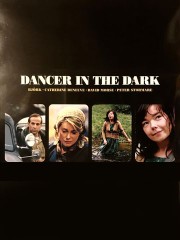
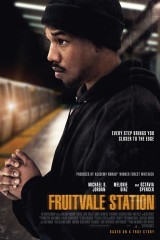
Our take on the essential and best sad movies doesn’t have a one-cry-fits-all approach. Instead, we split different tiers to flow your tears. We start with the emotional rescue from the likes of The Iron Giant and The Shawshank Redemption, to the water works guarantees offered by Titanic and The Notebook, and up to the five-alarm feeling destroyers of Fruitvale Station, Come and See, Grave of the Fireflies, and Dancer in the Dark.
Read on, as Marya E. Gates takes you through the 100 saddest movies ever.

(Photo by Focus Features/courtesy Everett Collection)
MOVIES THAT WILL MAKE YOU FEEL EMOTIONAL
The beauty of sad movies — or the desire to watch a sad movie — is that they can work on many levels. Some movies may not be earth-shatteringly sad, but they will touch in a deeply emotional way. For example, The Iron Giant touches on themes of loneliness and community and the idea that inherent goodness can win the day. If Beale Street Could Talk looks systematic racism right in the eye while also exploring the strength that can be found in family and love. While still as deeply weird as any film in his filmography, David Lynch’s The Elephant Man asks its viewers to set aside any preconceived notions they have about Joseph Merrick, whose facial deformities made him standout in Victorian-era England, and acknowledge our shared humanity.
In Killer of Sheep, director Charles Burnett explores the beauty, the joy, the desolation, and the resilience of an economically oppressed Black family living in Watts, Los Angeles during the recession of the 1970s through the powerful images and soul-stirring music. In Celine Song’s Past Lives, the writer-director uses the Korean concept of In-Yun to explore missed connections and the powerful mysteries of love in all its many forms. Captained by an iconic performance from star Robin Williams, Dead Poets Society is an ode to the power of teachers to guide their students towards a life led with intelligence and a sense of wonder. Carpe diem!
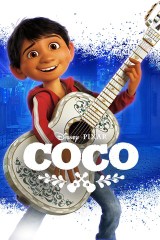
Audrey Hepburn and Gregory Peck make an unexpected connection as a runaway princess and an ethically murky journalist who learn the true meaning of sacrifice for the greater good in classic romance Roman Holiday. Prickly family tensions and the steadfast power of love and partnership — as well as Katharine Hepburn and Henry Fonda’s captivating late-career performances — will tug at your heartstrings in On Golden Pond. Similarly, Lee Unkrich’s Coco explores changing family dynamics, forgiveness, and the power of shared memory across generations. Finally, the aging Umberto’s dedication to his dog Flike in Vittorio De Sica’s Umberto D. will touch the heart of even the biggest grinch.
 65%
65%
 89%
89%
 97%
97%
 85%
85%
 91%
91%
 93%
97%
82%
95%
93%
97%
82%
95%
 96%
98%
96%
98%
 91%
91%
91%
91%
 91%
91%
 95%
95%
96%
95%
95%
96%
 89%
89%
 98%
98%
 100%
100%

(Photo by Focus Films/Everett Collection)
MOVIES THAT WILL HAVE YOU TEARING UP
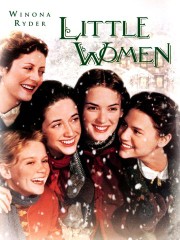
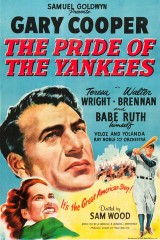
This tier of movies feature a scene that will have your eyes misting up. There have been many adaptations of Louisa May Alcott’s novel Little Women, but no scene packs the emotional wallop that Claire Danes brings to her monologue as Beth in Gillian Armstrong’s 1994 version. Similarly, there’s Gary Cooper’s Lou Gerhig addressing the stadium crowd in The Pride of the Yankees, declaring himself “the luckiest man on the face of the Earth.” Add in Heath Ledger’s Ennis as he breaks down holding his lover’s jacket at the end of Ang Lee’s Brokeback Mountain.
Although much of Pig follows Nicolas Cage’s isolated truffle hunter and his violent attempts to get his animal back, the revelation of the heartache at the character’s core and the soulfulness Cage brings to his performance is unexpectedly touching. And try fighting back your tears when an uncontrollable blaze threatens to undo everything the Yi family has accomplished in Lee Isaac Chung’s semi-autobiographical Minari. Or when Moonee (Brooklynn Prince) must say goodbye to her mother in Sean Baker’s The Florida Project. Families being torn apart is also at the center of the classic 1937 weepy Stella Dallas, in which Barbara Stanwyck must make the ultimate sacrifice in order to ensure her daughter’s happiness.
“We’ll always have Paris,” Humphrey Bogart tells Ingrid Bergman in Casablanca and the hearts of movie-goers for decades have yet to recover. Thankfully, not all tearjerker endings leave on a sad note, as Charlie Chaplin and Virginia Cherrill show us in the silent romance City Lights.
 83%
83%
 97%
88%
99%
94%
97%
88%
99%
94%
 76%
76%
 95%
97%
96%
95%
97%
96%
 75%
75%
 78%
92%
78%
92%
 92%
98%
92%
98%
 83%
97%
83%
97%
 94%
94%
 93%
93%
 82%
82%

 30%
30%

(Photo by Sony Pictures)
MOVIES THAT WILL CAUSE A GOOD CRY
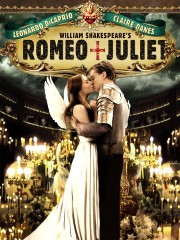
When you’re looking for a good cry you want a movie with a prolonged sense of longing or despair or a sense of great loss. Melodrama is a staple genre for this kind of cry, especially films about star-crossed lovers who just can’t seem to make it work, like Jack and Rose in James Cameron’s epic Titanic. Or Tony Leung and Maggie Cheung in Wong Kar-Wai’s In The Mood For Love, whose love blossoms out of the destruction of each other’s marriages. The heartbreak at the center of Geneviève and Guy’s ill-fated young romance in Jacques Demy’s musical drama The Umbrellas of Cherbourg has not only elicited tears from audiences for generations, it served as the inspiration for the ending of Damien Chazelle’s La La Land.
Going even further back to the genre’s heyday is Now, Voyager, which features Bette Davis at her most emotive as a neglected socialite who finds her own strength after finally finding true love with a married man.
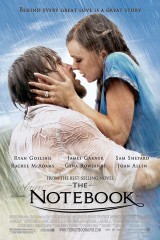
Then there are movies like The Notebook which use melodrama to both explore the fraught beginnings of a passionate relationship, but also its bittersweet end. While most of Pixar’s Up is dedicated to widower Carl’s reluctant adventures with his neighbor Russell, the film’s most powerful moment is its opening sequence, which silently depicts Carl’s marriage with his wife Ellie from its inception until his death.
Films about mourning, like David Lowery’s A Ghost Story, tap into that universal feeling of loss that everyone must confront at some point in their life. Good cries can also come from bittersweet films, like Cinema Paradiso, Giuseppe Tornatore’s love letter to movies. Or 1939’s Goodbye, Mr. Chips, which follows the impact a teacher has on his students over a nearly-sixty year period. Lastly, there are movies like Hachi, which tackles both grief and the steadfast loyalty of a very good dog.
96%
 41%
90%
41%
90%
 82%
82%
 86%
91%
86%
91%
 81%
81%
 64%
64%
 82%
82%
 61%
61%
 80%
98%
80%
98%
 54%
54%
 91%
91%
 86%
92%
88%
97%
86%
92%
88%
97%
 98%
98%
 74%
74%

(Photo by Columbia/courtesy Everett Collection)
MOVIES THAT WILL HAVE YOU UGLY CRYING
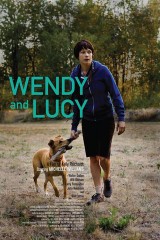
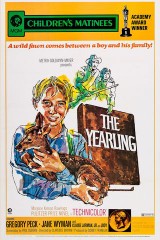
Now, if you want to ugly cry, you need a movie with a scene or a final act that is so devastating you cry so hard snot and tears flow until the credits roll. These include movies in which a character has to part with a beloved animal, like in Wendy and Lucy, where writer/director Kelly Reichardt uses the central human-canine relationship to explore systems of poverty in America. In The Yearling, youngster Jody’s beloved pet deer becomes a symbol of the growing pains that happen when you are asked to put away childish things.
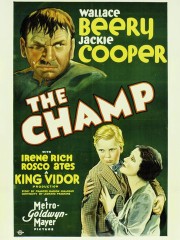
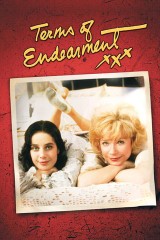
This feeling can also be evoked by films about the passing of a lover, like in Longtime Companion. Abbie Cornish’s reaction after hearing about the death of her betrothed, Romantic poet John Keats, in Jane Campion’s Bright Star is so visceral you feel as pained as she does. In fact, most films that will make you ugly cry including the intense emotions of grieving a loved one, sometimes even before they have left, as in Shirley MacLaine’s show-stopping performance as a mother watching her grown child lose a battle with cancer in Terms of Endearment, or even young Jackie Cooper in 1931’s The Champ, whose tender relationship with his pugilist father played by Wallace Beery comes to a brutal end after one fateful boxing match.
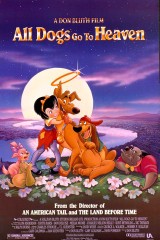
In the classic melodrama Penny Serenade, Irene Dunne and Cary Grant play a married couple who suffer many losses as they attempt to build a family together. There are also films with a line of dialogue that act as the breaking point before the deluge of tears take over. There isn’t a person alive who can make it through My Girl when Vada (Anna Chlumsky) insists her friend Thomas J. (Macaulay Culkin) can’t see without his glasses. Or when good boy Charlie B. Barkin tells his friend Anne-Marie that goodbyes aren’t forever in All Dogs Go To Heaven. Or in Ghost when Sam tells his grieving girlfriend Molly that when you die you take all the love inside you into the afterlife. But some ugly cries come from sadness that is conquered, as in It’s A Wonderful Life where George Bailey (Jimmy Stewart) overcomes his suicidal despair and realizes that no man is a failure who has friends.
 46%
46%
 91%
91%
 83%
83%
 96%
96%
 74%
94%
74%
94%
 86%
86%
 92%
92%
 65%
65%
 90%
90%
 57%
57%
 90%
90%
 94%
94%
 74%
74%
 72%
73%
72%
73%
 81%
81%
 65%
65%
 85%
85%
 100%
100%
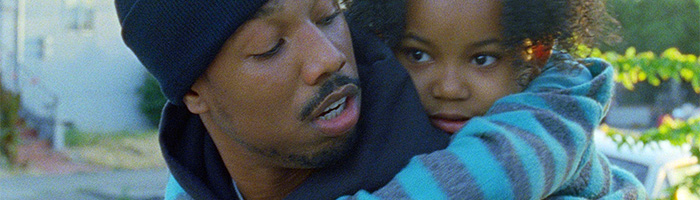
(Photo by TWC/courtesy Everett Collection)
MOVIES THAT WILL DESTROY YOU
Lastly, there are movies that will utterly destroy. These are the movies that do not leave you with any sense of hope. They sit with you like a weight. They change your DNA completely. Often these films take you through the most extreme depths of the human experience.
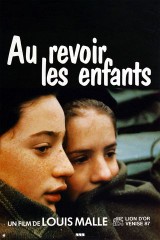
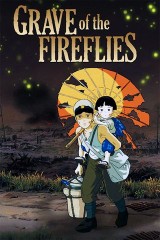
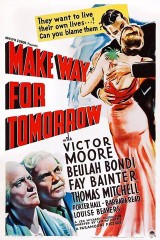
Made during the Great Depression, Leo McCarey’s Make Way For Tomorrow follows a long-married elderly couple who are forced to separate after they lose their home and none of their grown children will take them. The Studio Ghibli classic Grave of the Fireflies follows two war orphans as they struggle to stay alive in Kobe, Japan during the final weeks of World War II. Louis Malle’s Au Revoir Les Enfants was inspired by his own experience as a student in a boarding school run by Père Jacques, a French priest who attempted to shelter Jewish children during the Holocaust.
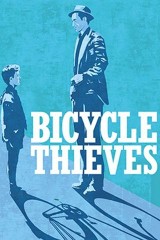
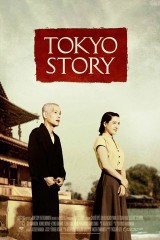
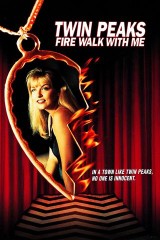
Shot on location in post-WWII Rome and starring non-professional actors, a father must find his stolen bicycle or he’ll lose his job and ability to feed his family in Vittorio De Sica’s Bicycle Thieves. Inspired by a Leo Tolstoy novella, Akira Kurosawa’s Ikiru features a soulful performance from his long-time collaborator Takashi Shimura as a terminally ill, widowed Tokyo bureaucrat who strives to leave a meaningful impact on the world before he passes. Robert Bresson’s Au Hasard Balthazar follows a donkey who passes through many owners, all of whom treat the poor creature with nothing but various forms of callous cruelty. In Lynch’s Twin Peaks: Fire Walk with Me, trouble teenager Laura Palmer finds her life cut short after being used and abused by almost everyone in her life.
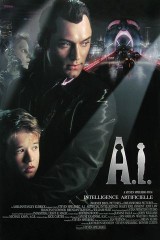
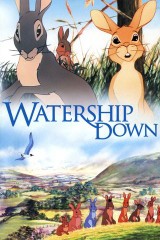
Adapted from the 1972 novel by Richard Adams, Martin Rosen’s dystopic animated feature Watership Down uses a society made of rabbits as a way to explore the complexity of life in all its most troubling, violent, haunting, and even joyous ways. Similarly, Mark Romanek ‘s Never Let Me Go, adapted from a novel by Kazuo Ishiguro, raises questions of ethics and explores the fragility of life via the coming-of-age of a trio of teenagers who discover the stark purpose of their lives. And in a world where climate change has caused rising sea levels that have wiped out 99% of existing cities, David, a prototype child-like toy, goes on a journey to find meaning and love after he’s abandoned by his family in Steven Spielberg’s existential masterwork A.I. Artificial Intelligence.
 76%
76%
 93%
93%
 100%
100%
 97%
97%
 99%
90%
99%
90%
 69%
69%
 94%
94%
 - -
- -
 98%
88%
98%
88%
 100%
100%
 71%
71%
 100%
98%
100%
98%
 100%
100%
 66%
66%
 100%
100%
 81%
81%
 96%
96%