
100 Best Modern Westerns & Neo-Westerns Ranked (Eddington)

(Photo by A24/Courtesy Everett Collection. EDDINGTON.)
The latest: Director Ari Aster’s fourth feature, Eddington from A24, stars Joaquin Phoenix and Pedro Pascal in a New Mexico showdown during COVID-19 lockdown.
Picture a Western movie in your head and the first thing that might come to mind is cowboys, Indians, gunfights, heading people off at the pass, and a clear division between the good guys in white hats and the bad guys in black hats. You might think of Sergio Leone and Italian-made spaghetti westerns starring Clint Eastwood and Lee Van Cleef, or classic American-made films starring people like John Wayne and Randolph Scott. You may even think of the incredible Mel Brooks Western parody Blazing Saddles.
That all changed with the tastes of moviegoers in the late 1970s and early 1980s. Westerns were suddenly out of fashion and became a rare beast altogether. Hee-Haw, Beverly Hillbillies, and Petticoat Junction were all cancelled at the same time on TV in a “rural purge.” Folks went to the cinema to see spaceships or giant sharks instead.
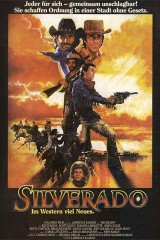
Then, in 1985, a movie called Silverado happened, a big-budget revival of the traditional Western starring Kevin Costner (who would go on to do many more Westerns and win Oscars for doing so), Kevin Kline, Scott Glenn, and Danny Glover. It was directed and co-written by Lawrence Kasdan, known for Raiders of the Lost Ark and The Big Chill, and contains much of the Kasdan sensibility found in those movies. Great Westerns have been with us ever since. (Steve Horton)
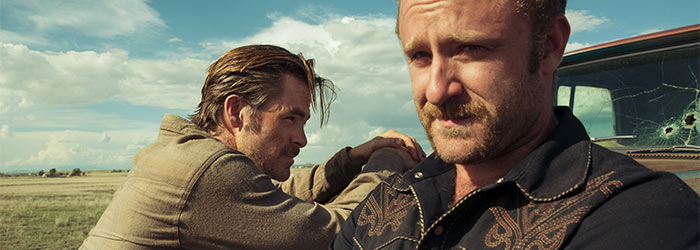
(Photo by lorey Sebastian/ © CBS Films /courtesy Everett Collection. HELL OR HIGH WATER.)
Revisionist and Neo-Westerns: Grey Hats and Moral Ambiguity
Just as Silverado and TV miniseries like Lonesome Dove were love letters to the traditional Western, as the more cynical 1990s dawned, moral ambiguity became the rule in much of cinema, and Westerns were not immune. The neo-Western was born. A neo-Western is defined as a Western that contains three things, according to Wikipedia: characters that don’t follow the rules as we know them, but have a personal moral code that may transcend law and order and may turn the protagonist into an anti-hero; characters that have a strong sense of justice and must act in pursuit of that goal; and characters who feel remorse for their actions.
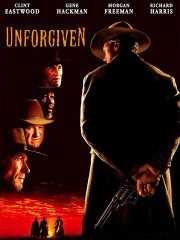
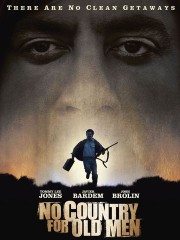
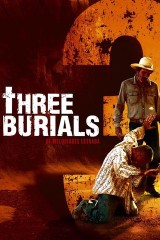
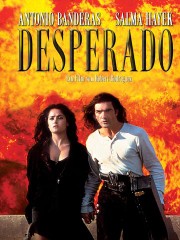
Terrific examples of revisionist and neo-Westerns on this top 100 abound, including multiple Oscar winners: Unforgiven, Desperado, The Three Burials of Melquilades Estrada, No Country for Old Men, Hell or High Water, Wind River, and Logan.
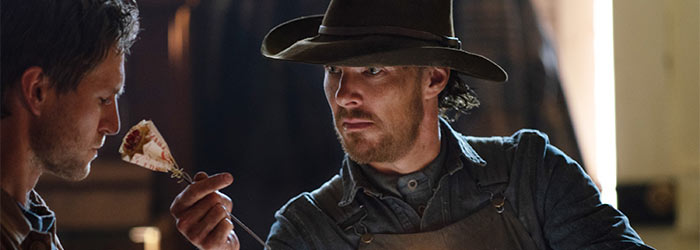
(Photo by Kirsty Griffin /© Netflix. THE POWER OF THE DOG.)
Present-Day Westerns: The Guns and Hats have Changed
Related to but not exactly the same as neo-Westerns, a present-day Western is one that strictly takes place in the present day, transplanting the Western motif to the feelings and attitudes of the 21st century.
A present-day Western may have a classic Western sense, with strictly defined right and wrong based on the rule of law, or it may be a neo-Western as defined above, with personal morals ruling the day.
Great Westerns that take place roughly during the time period in which they were filmed: El Camino: A Breaking Bad Movie, Eddington, God’s Country, The Power of the Dog, The Harder They Fall, Brokeback Mountain, and The Rider.
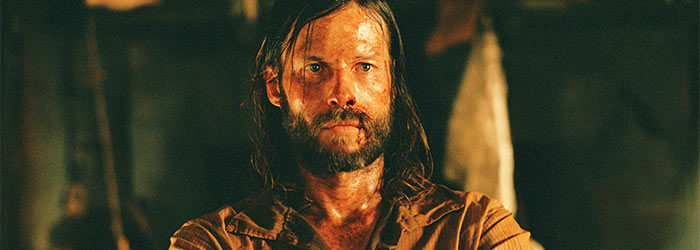
(Photo by First Look Features/courtesy Everett Collection. THE PROPOSITION.)
Westerns in Foreign Lands: Go East, Young Man
The Western feeling may also be transplanted to countries that are not in the West at all. Many countries have incredible landscapes, deserts, and prairies that make excellent American-frontier substitutes.
Conflict between native peoples and settlers / colonists (depending on who you ask) is a recurring theme in many countries, especially places like Australia. Characters that struggle for justice, even if the law may not be on their side, are common in any culture.
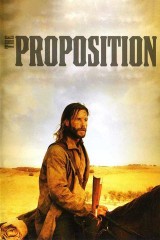
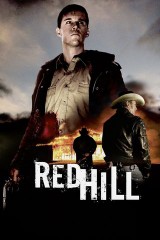
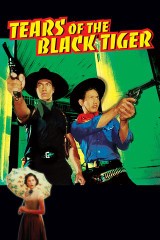
Films in this top 100 that relocate the Western concept internationally: The Rover, Red Hill, and The Proposition from Australia, Ireland’s In the Land of Saints and Sinners, Iran’s A Girl Walks Home Alone at Night, Japan’s Sukiyaki Western Django, Thailand’s Tears of the Black Tiger, South Korea’s The Good, the Bad, and the Weird, Brazil’s Bacurau, and Chile’s The Settlers.
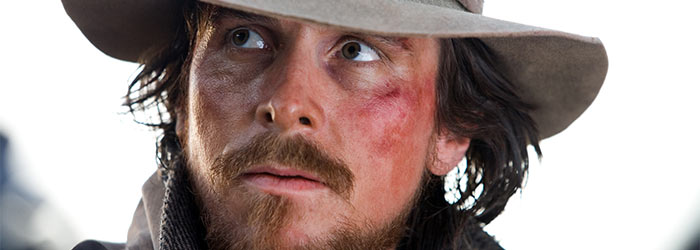
(Photo by Lion's Gate/Courtesy Everett Collection. 3:10 TO YUMA.)
Traditional Westerns: Don’t Sleep on the Classics
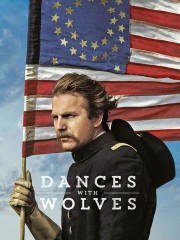
Though movie makers have been messing with the Western formula for decades now, the traditional Western is far from dead. No post-modern elements, no contemporary setting, just pure, old-fashioned cowboy goodness. Tombstone and Dances with Wolves are all-time classics and show us that this approach can still work well.
In fact, as today’s filmmakers in some cases are moving away from deconstruction and post-modernism, “Coca-Cola Classic” Westerns are making a strong comeback. Thanks to directors like Taylor Sheridan who are Westernizing both the big and small screens, we haven’t seen the last of classic Westerns by any stretch of the imagination and whirl of the lasso.
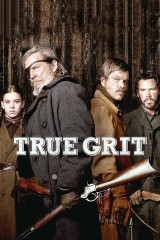
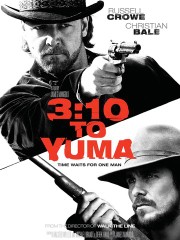
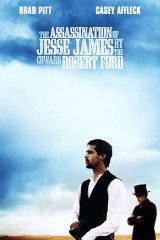
Check out these classic-style Westerns for that originalist thrill: 3:10 to Yuma, The Assassination of Jesse James by the Coward Robert Ford, The Ballad of Buster Scruggs, The Revenant, and True Grit.
Here now are the top 100 modern Westerns (Silverado and beyond), ranked by Tomatometer, with Certified Fresh films first. At the end of this list are a few Rotten movies that have strong Popcornmeters, thereby identifying them as audience favorite or cult classic Westerns.
 97%
97%
 89%
97%
82%
89%
97%
82%
 96%
93%
96%
65%
96%
75%
96%
72%
96%
93%
96%
65%
96%
75%
96%
72%
 95%
85%
95%
85%
 95%
76%
95%
95%
76%
95%
 53%
94%
76%
94%
92%
53%
94%
76%
94%
92%
 93%
86%
93%
84%
93%
91%
93%
84%
94%
67%
93%
86%
93%
84%
93%
91%
93%
84%
94%
67%
 91%
85%
92%
74%
92%
81%
91%
85%
92%
74%
92%
81%
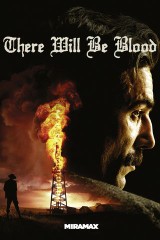 91%
86%
91%
86%
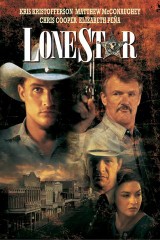 91%
83%
91%
83%
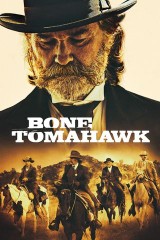 91%
74%
91%
74%
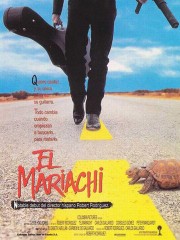 91%
76%
90%
77%
89%
78%
91%
76%
90%
77%
89%
78%
 89%
86%
88%
89%
88%
82%
89%
86%
88%
89%
88%
82%
 88%
70%
88%
93%
88%
50%
87%
90%
87%
73%
88%
70%
88%
93%
88%
50%
87%
90%
87%
73%
 87%
87%
87%
87%
 87%
65%
87%
65%
 85%
68%
85%
68%
 86%
53%
86%
53%
 86%
85%
85%
76%
86%
85%
85%
76%
 84%
81%
83%
69%
83%
74%
84%
81%
83%
69%
83%
74%
 81%
74%
81%
74%
 82%
91%
82%
49%
82%
91%
82%
49%
 81%
53%
81%
83%
80%
42%
81%
53%
81%
83%
80%
42%
 80%
65%
80%
65%
 79%
84%
79%
84%
 79%
57%
79%
57%
 79%
78%
78%
84%
79%
78%
78%
84%
 77%
76%
77%
76%
 78%
61%
78%
52%
78%
61%
78%
52%
 76%
75%
76%
75%
 77%
55%
77%
55%
 77%
64%
76%
93%
77%
64%
76%
93%
 76%
52%
76%
52%
 75%
61%
75%
61%
 75%
75%
75%
75%
 74%
77%
74%
57%
72%
50%
74%
77%
74%
57%
72%
50%
 70%
63%
70%
63%
 91%
64%
91%
64%
 91%
86%
88%
79%
86%
61%
79%
55%
91%
86%
88%
79%
86%
61%
79%
55%
 78%
79%
76%
71%
78%
79%
76%
71%
 72%
62%
71%
77%
72%
62%
71%
77%
 71%
79%
71%
79%
 73%
42%
73%
42%
 69%
88%
69%
88%
 69%
79%
69%
79%
 67%
71%
69%
67%
71%
69%
 94%
67%
52%
69%
66%
94%
67%
52%
69%
66%
 66%
64%
66%
64%
 66%
89%
66%
89%
 65%
66%
65%
66%
 64%
43%
64%
43%
 65%
82%
64%
71%
63%
86%
62%
49%
65%
82%
64%
71%
63%
86%
62%
49%
 61%
53%
61%
53%
 61%
87%
61%
87%
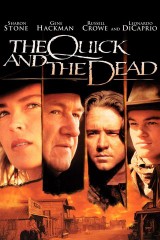 61%
54%
61%
54%
 57%
64%
57%
64%
 52%
74%
51%
70%
52%
74%
51%
70%
 46%
70%
46%
70%
 46%
64%
46%
64%